
You should keep coffee grounds out of your garbage disposal because they don’t dissolve; they clump into gritty sludge that can jam the unit and create a film that narrows pipes. The grounds stick to walls, mix with grease, and harden into a dense plug, leading to slow draining and backups. They also won’t sharpen the blades—disposal components are hardened steel and the grounds are too soft. Learn how to handle grounds safely and what to do if they already get inside.
Are Coffee Grounds Safe for Your Garbage Disposal?
Even though you might think tossing coffee grounds into the disposal is harmless, most plumbing experts warn against it. Coffee grounds don’t dissolve; they clump, compact, and form a gritty sludge that can jam the grinder and stick to blades. Even tiny, repeated amounts accumulate, slowing water flow and encouraging odor‑producing microbes. The disposal is built for soft scraps, not insoluble granules, so grinding merely shatters the particles without eliminating the buildup risk. For proper ground disposal, treat the sink as a trash‑only zone and divert grounds to trash or compost. Regular maintenance—cleaning the unit, running cold water, and checking for clogs—keeps water flow steady and supports odor control, extending the life of your system. Consistent descaling helps prevent mineral buildup that can exacerbate clogs caused by coffee grounds. Using a milk frother can also reduce the need for grounds in the disposal by allowing you to enjoy coffee without excess waste.
How Do Coffee Grounds Cause Clogs in Pipes?
When coffee grounds hit the drain, they don’t dissolve; they stay solid, clump, and cling to pipe walls, turning a smooth flow into a gritty, sticky film that quickly gathers grease, food scraps, and mineral buildup. You’ll see ground accumulation start as a thin layer on rough spots, joints, and elbows. The oily residue makes the particles stick, while low‑flow sections let them settle. Each flush adds more solids, bridging narrow sections and shrinking the diameter. Grease mixes with the grounds, forming a dense sludge that hardens into a stubborn plug. Over time this constant friction and chemical contact cause pipe erosion, worsening the restriction. Slow draining, gurgling, or backup signal the blockage is growing and may need professional cleaning. The experiment showed that baking soda can help move soft coffee‑ground clogs. Using a nitro cold brew system can also illustrate how fine particles behave under pressure. A properly timed brew steep can prevent excess grounds from entering the sink.
Why Don’t Coffee Grounds Sharpen Disposal Blades?
Why might you think coffee grounds could sharpen a disposal? You may imagine the gritty particles acting like sandpaper, but the facts say otherwise. Disposal components are hardened steel; coffee grounds are soft organic matter with negligible abrasive potential. The impeller and shredder ring aren’t knife blades, so there’s nothing to hone. When grounds meet metal, they form a paste that coats surfaces rather than eroding them, leading to residue buildup. The mild, inconsistent friction can’t cause abras degradation, so cutting edges—if they existed—remain unchanged. Industry guides label the sharpening claim a myth and recommend ice or coarse salt for cleaning instead. In short, coffee grounds lack the hardness and consistency to sharpen or maintain disposal parts.
What Safer Ways Can I Dispose of Coffee Grounds (and Prevent Clogs)?
Since coffee grounds won’t sharpen your disposal, the priority shifts to keeping them out of the plumbing. Collect dry grounds with a rubber spatula or spoon, then shake them into a biodegradable bag or compostable container before tossing them in the trash. If you have a compost bin, add the sealed bag directly; otherwise, use a green‑waste bin or drop them at a community garden. Install a fine‑mesh drain basket or sink plug to catch stray particles while cleaning. Use a paper filter or knock box to separate grounds from rinse water, and strain any excess liquid before disposal. These habits keep your pipes clear, reduce odors, and prevent pests without sacrificing convenience. Regular descaling helps prevent mineral buildup that can exacerbate clogging, and using filtered water reduces the amount of scale that forms in your pipes. Maintaining the proper brew temperature also ensures optimal extraction and reduces strain on the machine.

Biodegradable Material: The Ultra-violet ray sterilized tea bags are made of wood pulp paper, sealed by heat press, no glue, odorless, biodegradable and compostable
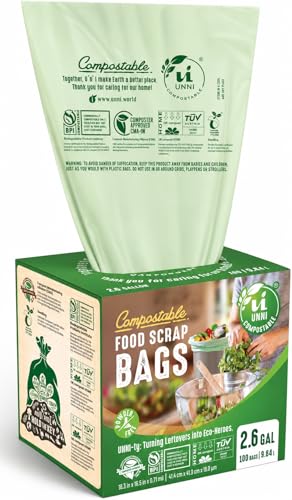
Perfect Fit for Small Kitchen Bins — 2.6 gallon / 9.84 liter (16.3 in x 16.5 in, 0.71 mil); 100 bags per roll. Designed for compact kitchen compost bins to keep food-scrap collection simple and clean.

1.3 to 1.6 Gallon Compost Bags Applications:Size:15in x 15.7in, Packaging: 35 Bags Per Roll. Ideal for kitchen food waste, small compost bins, home gardening, and office use. Perfect for collecting fruit peels, coffee grounds, plant trimmings, and other organic waste.
What Should I Do If Grounds Already Got Into the Disposal?
If you discover coffee grounds have already slipped into the disposal, shut it off immediately and unplug or flip the circuit breaker before you start any inspection. Perform a safety check, then look inside the sink basin and disposal chamber for visible clumping. If you see a paste‑like mass, use a flashlight and tongs for jam removal; avoid using your fingers. After clearing debris, reset disposal by pressing the reset button or performing a disposal reset according to the manual. Run a water flush of hot water in short bursts, then follow with cold water while the unit spins freely. Finally, conduct a pipe inspection to verify no residual grounds remain; if drainage stays slow, call a plumber. Regular descaling helps prevent mineral buildup that can exacerbate disposal clogs, so consider a descaling cycle after clearing the jam. Properly maintaining the machine’s water reservoir ensures optimal performance and reduces the risk of future clogs. Flushing the group head daily also reduces oil residue buildup that can contribute to disposal blockages.