
You’re probably noticing flat coffee and a slower brew, and that’s because calcium scale is clogging the tube—just like gritty oil in a car engine. Descale every 2‑3 months if your water’s 60‑120 mg/L hard, or monthly if it’s over 180 mg/L; use a citric‑acid solution, run the largest brew without a pod until the machine says “Add Water,” soak 30 minutes, then rinse three times with fresh water. After that, reinstall the filter and you’ll get full flow and fresh taste again—next up, learn the exact button combo for your model.
Why Descaling Your Keurig Matters
Why does descaling matter for your Keurig? You’re probably wondering why that cloudy water or slower brew matters. Here’s the thing: mineral deposits, especially calcium, line the internal tubing and needle, cutting flow by up to 40 %. That scale impact slows heating, so your cup takes longer and may be under‑extracted, leaving a stale taste.
Now, think of your brewer like a car engine. If you never change the oil, friction builds, parts wear, and the engine dies. Regular descaling protects the heating element and water‑contact parts, keeping them free of clogs and extending brew longevity.
All right, the takeaway: removing scale now prevents performance decline later, preserving flavor and reliability. Ready to learn how often you should descale based on water hardness? Every 3‑6 months is the recommended interval.
Descaling also helps prevent mineral buildup that can cause the machine to overheat and trigger safety shut‑offs. Proper descaling maintains optimal water flow and ensures consistent brewing temperature. It also reduces energy consumption by allowing the heater to reach the set temperature more efficiently.
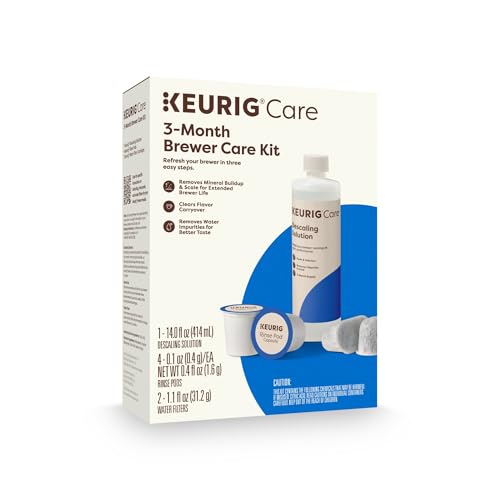
INCLUDES: 4 Keurig Rinse Pods, 1 Descale Solution, and 2 Water Filter Cartridge Refills

Powerful Descaling Solution: The liquid coffee machine descaler and cleaner compatible with any Keurig machine is formulated to deeply penetrate oil and limescale to keep your machine running smoothly and produce the delicious coffee you love.

RESTORE COFFEE FLAVOR & AROMA: Our universal descaling solution removes bitter mineral buildup and calcium deposits from heating elements. This ensures your Keurig cleaner process restores the original "day one" taste of your favorite pods and espresso capsules
How Often to Descale Your Keurig Based on Water Hardness
If you’re wondering how often you should descale your Keurig, the answer hinges on water hardness and how much you brew. Hardness determines mineral buildup speed, so soft water (0‑60 mg/L) lets you wait up to six months, while hard water (121‑180 mg/L) forces a 2‑3‑month rhythm. Very hard water (180+ mg/L) may need monthly descales, especially if you brew daily.
Now, consider brew frequency. One to three cups a day aligns with a 2‑3‑month schedule for moderate hardness, but five‑plus cups pushes you toward 2‑3 months even with softer water. Occasional use stretches the interval to three‑four months.
All right, watch maintenance alerts. When the descale light flashes, ignore the generic timeline and act—minerals are already clogging the system.
Takeaway: Match your descale cadence to water hardness and how often you cup coffee, and let alerts be your final check. Next, gather the supplies you’ll need for a quick, effective routine. Understanding acidic descaling agents helps you choose the right product for optimal scale removal. Regular descaling also protects the machine’s pump, maintaining the optimal pressure essential for espresso‑style extraction. Additionally, performing a thorough group head cleaning each week helps prevent residue buildup that can accelerate scaling.

RESTORE COFFEE FLAVOR & AROMA: Our universal descaling solution removes bitter mineral buildup and calcium deposits from heating elements. This ensures your Keurig cleaner process restores the original "day one" taste of your favorite pods and espresso capsules
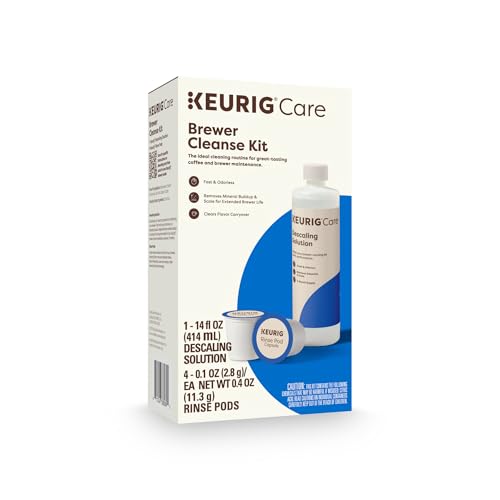
Better tasting beverages: Reduces flavor carry over between brews

INCLUDES: (2) descale solution, (10) Rinse pods, and (3) water filter cartridge refills
What You Need for a Keurig Descaling Routine
You’re probably wondering exactly what you need to have on hand before you start descaling your Keurig, and that’s a great question.
Which supplies are essential?
You’ll need a bottle of Keurig descaling solution, a fresh water supply, and a large mug or heat‑safe container. The solution goes into the empty reservoir, then you refill the bottle with fresh water and pour that into the reservoir as well. A sturdy ceramic mug sits on the drip tray to catch every brew while you run the cleaning cycles.
How do you prep the machine?
First, power off the brewer and remove any K‑Cup or reusable pack. Empty the water reservoir, rinse it, and set aside the water filter if you have one. Reinstall the reservoir, making sure it’s properly seated, then place your large mug under the spout. Citric‑acid based descaling solutions are recommended for effective mineral removal. Regular descaling helps maintain brew temperature consistency and prevents scale buildup that can impair performance. Safety precautions such as unplugging the unit before handling any components reduce the risk of electric shock.
What’s the final check?
Make sure you have enough fresh water for at least two refills during the rinse stage, and keep a clean sink nearby for discarding hot liquid.
Takeaway: With the descaling solution, fresh water, a large mug, and a pre‑pped machine, you’re ready to start the routine. Next, you’ll learn how to run the descaling cycle.
Descaling frequency should be based on your water hardness and usage, typically every three months for optimal performance.

2-Pack Coffee Descaler and Cleaner - Clean and rinse away residue and oil buildup in your coffee maker with Impresa's Coffee Descaler Solution. Our highly effective solution comes with two 8-ounce bottles - enough for 4 descaling sessions (2 uses per bottle)
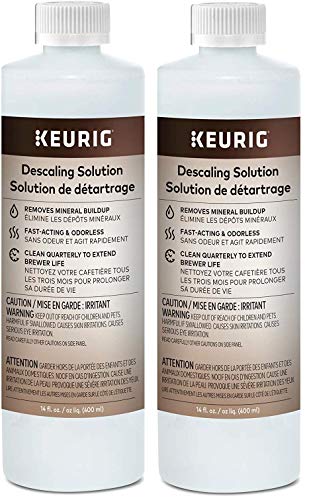
INCLUDES TWO (2) 14oz BOTTLES OF CLEANER -- 28oz TOTAL!
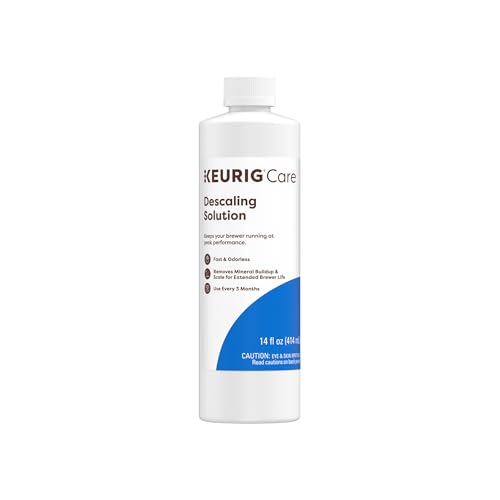
CLEANSE YOUR COFFEE MAKER: use every 3 months to clean and remove mineral deposits that can build up inside your coffee maker
How to Run a Descaling Cycle on Any Keurig
Since you’re wondering how to actually run the descaling cycle, let’s walk through it step by step. First, power off the brewer, then keep it plugged in if your model needs a button combo. Remove any pod, filter, and empty the reservoir. Add the full descaling solution, top with water, and place a large mug on the drip tray.
Now, activate descaling mode. Hold the 8 oz and 12 oz buttons for three seconds, or the 6 oz and 10 oz combo, until the brew light flashes. This safety tip prevents accidental starts and saves energy by keeping the unit on only when needed.
Here’s the thing: run the largest brew size with no pod, repeat until the “Add Water” alert appears, then let the machine soak for 30 minutes while powered on. After the dwell, you’ll see the descale indicator clear as the solution clears the internal lines. Regular descaling prevents mineral buildup and helps maintain optimal brewing temperature.Descaling every 3‑6 months is recommended to extend the brewer’s lifespan. Takeaway: follow the button sequence, soak, and you’ll descale efficiently, preserving energy and extending your Keurig’s life. Ready for the rinse step? The compact design of many coffee makers makes them easy to store and use in small kitchens.

Powerful Descaling Solution: This multipurpose coffee descaler and cleaner deeply penetrates mineral, limescale, and oil deposits, making it suitable for various home...
Rinsing and Resetting After a Keurig Descaling Cycle
After the descaling solution runs through your Keurig, you’re probably wondering how to get rid of that lingering taste and residue.
How many rinse cycles do I need?
Now, empty the reservoir, give it a quick rinse, and refill with fresh water. Brew without a K‑Cup until the tank empties, discard the mug, and repeat. Most models need two to three plain‑water cycles; some keep brewing until an “add water” prompt appears, then you refill and go again.
What about the filter?
Obviously, reinstall the water filter only after the post rinse finishes and the reservoir holds clean water. If you removed it earlier, do a fresh‑water rinse first, then perform filter replacement.
When is the machine ready?
All right, you’ll know the reset is complete when the water flows clear, there’s no sour taste, and any descaling alert disappears. Your Keurig is now back to normal brewing. Follow the rinse cycle to ensure all descaling solution is flushed out. Regular descaling helps maintain optimal coffee quality and prolongs machine lifespan. Consistent descaling also prevents mineral buildup that can impair brewing pressure.
Model‑Specific Keurig Descaling Tips & Common Mistakes
All right, you’re probably wondering why some Keurigs won’t start the descale cycle even after you’ve rinsed everything. The answer lies in model‑specific button combos and flow control quirks.
Which combo starts my model?
K‑Supreme Smart shows a touchscreen alert; just tap “Start.” K‑Supreme older units need you to hold 8 oz + 12 oz for three seconds until the K button flashes. K‑Express Essentials uses 6 oz + 10 oz for three‑to‑five seconds. If you press the wrong combo, the machine stays idle.
What mistakes block flow control?
Leaving the brewer powered on, forgetting to remove the filter, or inserting a pod during the cycle all halt flow. Overfilling the reservoir or reusing a dirty tank adds residue that clogs the pump.
How to avoid them?
Power off, empty the reservoir, add the correct solution mix, place a large mug, and use the exact button combo for your model. Then watch the “Add Water” prompt and repeat until it clears.
Takeaway: Knowing your model’s combo and keeping the flow path clean gets the descale cycle running smoothly. Ready for the next step? Check the rinse‑and‑reset guide. Run multiple cups of the vinegar‑water mixture through the machine until the reservoir is empty. Regular descaling also helps maintain optimal brew quality and prevents mineral buildup that can affect performance. Proper descaling removes scale deposits that reduce heating efficiency. Consistent descaling prolongs the machine’s lifespan.

Complete 6-Month Maintenance Bundle: Everything you need for half a year of brewer care. The kit includes: 2 bottles of descaling solution (8.5 fl oz each), 4 water filter cartridges, and 8 cleaning pods
![Quick & Clean [6-Pack] Keurig Cleaning Pods - K Cup Cleaner Pod For Keurig - 2.0 Coffee Machine Compatible, Removes Stains, Non-Toxic and Eco-Friendly](https://m.media-amazon.com/images/I/51lXaI5rgKL._SL500_.jpg)
Get That Fresh Coffee Taste Back - Over time, Keurig (TM) machines build up old grinds and residues, tainting the flavor of your coffee and espresso. Quick and Clean Keurig cleaning pods use a proprietary cleaning formula that cuts through and eliminates these residues, bringing taste back to normal

KEURIG DEEP CLEAN: Keep your coffee pure & flavorful with Caffenu's descaling solution for Keurig machines. Our simple 2-part system maintenance kit includes our eco descaler & 4 cleaning capsules to revive your Keurig coffee maker with a thorough, powerful clean. We feel strongly about the importance of regular machine maintenance. We are proud of the environmentally kind nature of our kit: the cleaning powder & plant-based liquid are made of sustainable materials, & has recycled packaging.