
You’re confused about what’s actually happening inside your machine—and that’s exactly why descaling matters. Calcium and magnesium deposits build up on heating elements and water channels, forcing your coffee maker to work harder and producing flat, metallic-tasting coffee. Descaling uses acid to dissolve these minerals into soluble salts you can rinse away. Ignore it, and you’ll accelerate wear on pumps and valves until your machine fails. Understanding *why* scale forms helps you prevent it before damage becomes expensive.
What Descaling Is and How It Works
Ever wonder why your coffee maker’s brew slows down over time? You’re not alone—it’s one of the most common complaints coffee lovers face. The culprit? Mineral buildup called scale, which consists of calcium and magnesium deposits accumulating inside your machine.
Here’s the thing: descaling removes this stubborn buildup through acid chemistry. When you run a descaling solution through your brewer, acidic ingredients like citric acid react with mineral deposits. This acid impact breaks solid scale into soluble salts that you can easily rinse away.
Carbon dioxide gas releases during this reaction, which signals the chemical process is working. The acid’s efficacy depends on complete contact between the solution and deposits. That’s why you’ll run multiple water cycles afterward—to flush everything out completely.
Regularly cleaning the group head prevents residue buildup and maintains optimal water flow.
Descaling should be performed every three to six months to keep your coffee maker at peak performance.
Descaling with a dedicated descaling solution ensures the right acidity level for safe and effective mineral removal.
Why Mineral Scale Damages Your Coffee Maker
Once scale starts building up inside your brewer, it doesn’t just sit there harmlessly—it actively damages your machine and ruins your coffee. The mineral deposits narrow your water channels and clog heating elements, which tanks your brewing efficiency. You’re looking at slower flow rates, uneven water distribution, and temperature swings that pull your extraction way off.
Now, here’s where it gets worse. Scale acts like an insulator on your boiler, forcing your machine to work harder just to reach target temperatures. That extra strain wears out pumps, valves, and seals faster than they should wear. The harder your water, the quicker scale accumulates—sometimes within weeks in high-hardness areas.
Your coffee suffers too. Mineral buildup mutes flavor compounds and leaves chalky, metallic notes behind. You’ll notice your shots taste flat or harsh.
Ready to prevent this? Understanding your water’s hardness tells you exactly how often you’ll need to descale. Regular descaling removes mineral buildup and restores optimal performance. Properly maintaining the group head ensures consistent pressure and prevents coffee oil residue from building up. Adding a descaling solution each few months can significantly extend the life of your machine.

2-Pack Coffee Descaler and Cleaner - Clean and rinse away residue and oil buildup in your coffee maker with Impresa's Coffee Descaler Solution. Our highly effective solution comes with two 8-ounce bottles - enough for 4 descaling sessions (2 uses per bottle)

FROM DE'LONGHI. The world-leader in espresso machines.
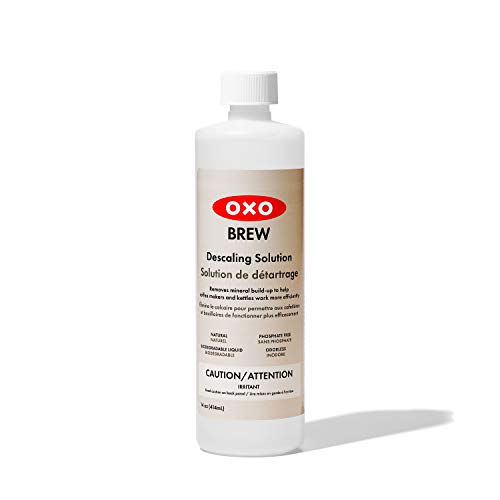
Helps keep your coffee makers and kettles working efficiently and using less energy
Signs Your Coffee Maker Needs Descaling
How do you know when your coffee maker’s actually crying for help? You’ll notice things before they get desperate—your brewing efficiency drops noticeably, or your coffee tastes suddenly off.
Pay attention to slower water flow first. If your machine takes forever to brew or your espresso runs thin and weak, scale’s blocking the works inside. Your filter flavor changes too—bitterness, metallic notes, or sourness creep in when mineral buildup disrupts extraction.
Now, heat-up times lag. Limescale insulates heating elements like a blanket, so your machine takes longer warming up than it used to.
You might also hear odd pump noises or see warning lights flashing. Some machines show visible scale in the reservoir.
When multiple signs hit simultaneously, descaling isn’t optional anymore—it’s urgent. Regular descaling preserves flavor] and ensures optimal performance. A consistent descaling schedule can also prevent scale buildup that reduces water flow efficiency.

8 Uses Value-Size Bottle: Same as 4 x 8oz bottle kit of other products! Less Waste, Better Value!

RESTORE COFFEE FLAVOR & AROMA: Our universal descaling solution removes bitter mineral buildup and calcium deposits from heating elements. This ensures your Keurig cleaner process restores the original "day one" taste of your favorite pods and espresso capsules

RESTORE COFFEE FLAVOR & AROMA: Our universal descaling solution removes bitter mineral buildup and calcium deposits from heating elements. This ensures your Keurig cleaner process restores the original "day one" taste of your favorite pods and espresso capsules
How to Descale Your Coffee Maker: Step-by-Step
When you’re staring at a coffee maker that’s slowed to a crawl, descaling feels intimidating—but it’s actually straightforward if you follow the right sequence. You’ll restore your coffee aroma and brew strength by removing mineral buildup that’s clogging your machine.
Start by unplugging everything and emptying the reservoir, drip tray, and grounds. Remove any detachable parts like the carafe or filter basket. Grab your manufacturer’s descaling solution—don’t improvise here—and mix it according to label instructions.
Pour the mixture into the reservoir and run a full brew cycle. Some machines need a 15–30 minute soak midway through; check your manual. Then run at least two fresh water cycles until residue vanishes completely. After descaling, you should repeat brew cycles until the “add water” light turns on to ensure all mineral deposits are fully cleared.
Regular descaling helps prevent scale buildup that can reduce heating efficiency and affect taste. Wash all removable parts with soap and water, dry everything thoroughly, and reassemble. Your next brew will taste noticeably better.
Including a final rinse with plain water removes any lingering descaling solution residue and prevents off‑flavors. Understanding the role of citric acid in breaking down calcium deposits can further improve the effectiveness of the process.
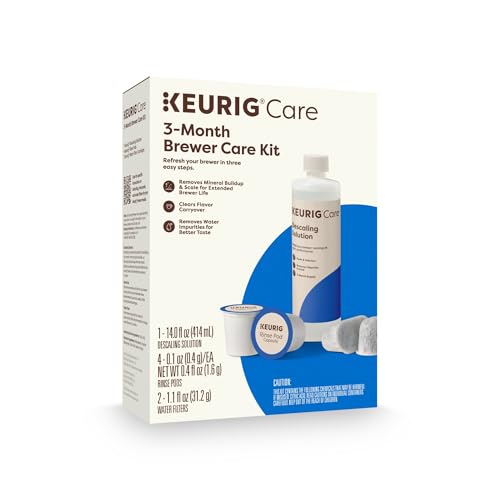
INCLUDES: 4 Keurig Rinse Pods, 1 Descale Solution, and 2 Water Filter Cartridge Refills
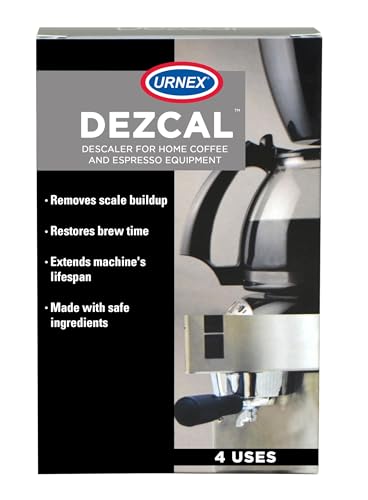
UNIVERSALLY COMPATIBLE DESCALER - This product can be used to descale Keurig machines, as well as Nespresso, Breville, Jura, Delonghi and other drip coffee makers, espresso machines, superautomatics, and kettles

Powerful Descaling Solution: The liquid coffee machine descaler and cleaner compatible with any Keurig machine is formulated to deeply penetrate oil and limescale to keep your machine running smoothly and produce the delicious coffee you love.
Vinegar vs. Citric Acid vs. Commercial Descalers
Why does your choice of descaler actually matter? You’re picking between speed, effectiveness, and cost—each option trades something off.
Vinegar’s tradeoff
White vinegar costs almost nothing, but it’s slower and weaker than alternatives. You’ll need multiple rinse cycles because the smell lingers stubbornly. Safety guidelines are straightforward since it’s food‑grade, yet the extended contact time means longer waiting.
Citric acid wins on performance
Citric acid dissolves scale faster through both acidity and chelation—it actually grabs mineral ions and locks them up. It’s odorless, so no lingering vinegar smell. Cost comparison shows citric acid slightly higher than vinegar but cheaper than commercial products.
Commercial descalers take guesswork out
Store‑bought formulas blend acids specifically for coffee makers. They’re pricier upfront but deliver faster results on heavy buildup. Safety guidelines come printed right on the bottle.
Your actual winner depends on how much limescale you’re fighting. Regular descaling protects machine efficiency and ensures consistent coffee flavor. Adding a descaling cycle every 3‑4 months helps maintain optimal pressure and prolongs the machine’s lifespan. Mineral buildup can also cause pump wear if left unchecked.

Each box provides 4 complete cleaning cycles, with 4×30g pre-measured sachets designed for simple, one-sachet use. Just tear, pour, and run your machine’s descaling program.

SAFER CLEANING & HOUSEHOLD ESSENTIALS: Includes with our versatile 100% Pure Food-Grade Citric Acid, and our powerful, odorless Coffee Machine Descaler for coffee maker maintenance; Compatible with Nespresso, Keurig, Breville, and more

Bulk Coffeemaker Decalcifier Tablet: 24 Tablets Work out to a Year Supply or more. Compare to other products like powder, pods, sachet, packets. Choose ACTIVE Cleaning Tablets for better Values
How Often to Descale Your Coffee Maker?
Most coffee makers don’t need descaling as often as you’d think, but water hardness and your brewing habits completely change the math. You’re probably wondering if you’re overdoing it—or worse, neglecting it.
Here’s the thing: water hardness is one of the main factors determining your maintenance schedule. Hard water? You’ll descale monthly. Soft water? You might stretch it to three or four months.
Now, most manufacturers suggest three months as a baseline. Moccamaster recommends every 100 brew cycles. KitchenAid says monthly for daily use.
All right, here’s your signal to descale sooner: slower brewing, reduced water flow, or off-tasting coffee. These signs mean mineral buildup’s already affecting performance.
Your move: check your local water hardness, then pick your maintenance schedule accordingly. Nespresso’s capsule chamber design helps minimize scaling, but regular descaling still ensures optimal pressure and temperature control. A proper reset can also clear error codes that arise from scaling issues. Safety precautions are essential when opening any coffee machine to avoid damage or injury.
How to Prevent Scale Buildup and Keep Your Machine Running
Scale buildup doesn’t just happen overnight—it’s the result of minerals in your water precipitating when heated, and you’ve got real ways to slow it down before descaling becomes necessary. Start by testing your water hardness with inexpensive test strips or a TDS meter. You’re aiming for around 50 ppm—that sweet spot where you avoid heavy limescale without sacrificing extraction quality.
Now, mineral balancing is your best friend here. In hard-water areas, try mixing roughly 75% distilled water with 25% tap water. This approach lowers water hardness while preserving enough minerals for better flavor. You could also invest in a water softener or use bottled water with a known hardness profile.
The payoff? Your machine stays cleaner longer, brews faster, and needs descaling far less often. Regularly clean the capsule holder and drip tray to prevent residue buildup and maintain optimal pressure for consistent extraction. Also, consider using a nitrogen-infused brew to enhance flavor clarity and reduce scaling. For thorough maintenance, follow the step‑by‑step cleaning guide for your Nespresso Vertuo.
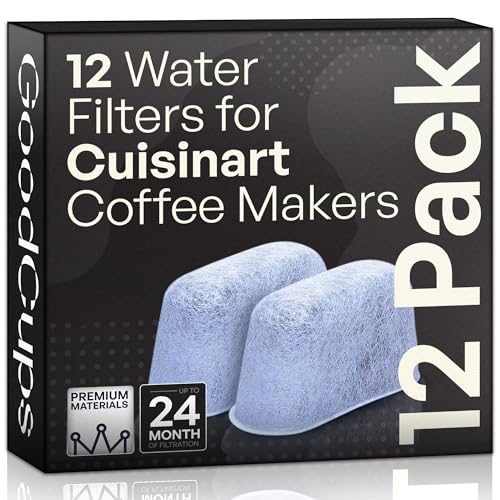
Universal Compatibility: These premium replacement charcoal water filters are designed to fit all Cuisinart coffee maker models, ensuring a perfect fit for both newer and older models, including Cuisinart coffee maker 12 cup, Grind and Brew, and coffee maker with grinder.

ENJOY THE DELICIOUS TASTE AND AROMA OF BREWED COFFEE - Removes chlorine, odors, calcium, and other water impurities prior to brewing so you can fully enjoy the delicious taste and aroma of brewed coffee. Replace every 30 days, or more often if you have hard water for best results.
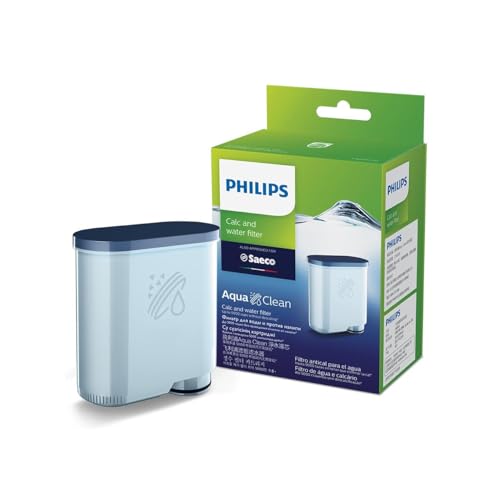
Enjoy fresh coffee from pure water with Philips AquaClean Original Calc and Water Filter that reduces formation of limescale, it doesn't clog thanks to the micro-porous filter and naturally removes calcium with ion-exchange technology