
You’re probably wondering why the machine feels finicky, so let’s sort it out. First, fill the water tank just below the brim, rinse it, and run a quick water‑only cycle to prime the pump. Then lift the lever, drop a capsule dome‑down (Original) or bottom‑down (Vertuo), push the lever back, and select the size—Ristretto ≈25 ml, Espresso ≈40 ml, Lungo ≈110 ml, or Vertuo’s range. Press start, watch the stream fill a cup, and stop early by pressing the button once; clean the drip tray, tank, and capsule holder after each use, and run a rinse or descale every few months. Keep an eye on volume with a measuring cup, and you’ll get consistent coffee every time—next, you’ll learn how to troubleshoot any hiccups.
Fill Your Nespresso Water Tank and Rinse Once
How do I fill and rinse the Nespresso water tank? You’re probably wondering why the placement matters, so let’s sort it out. First, locate the tank—most Vertuo models keep it on the back or left side, and you’ll snap it out without tugging the pod container. Rinse it with warm tap water, swirl, then empty it; this clears dust and storage residue, protecting water quality.
Now, fill the tank with fresh drinking water, stopping just below the brim to leave a small air gap for expansion. Avoid milk or other liquids—they can damage the machine.
Ensure the tank is correctly oriented before reattaching it. All right, reattach the tank: close the lid, align the base, press until you hear a click. A quick rinse cycle confirms flow.
Takeaway: Proper tank placement, a thorough rinse, and fresh water guarantee reliable brewing. Next, you’ll learn how to insert a capsule and lock the head.
Regular descaling prevents mineral buildup that can impair heating and pressure performance.
Descaling also helps maintain optimal pressure for consistent extraction.
regular mineral removal is essential for preserving flavor and extending machine lifespan.
Insert a Nespresso Capsule and Lock the Head
If you’re wondering why the machine won’t start until the head is locked, it’s because the capsule must be sealed for the brewing pressure to build.
What makes the head lock?
Now, check capsule compatibility—Original‑Line capsules are smaller, Vertuo pods are larger and rounder. Pick the right type, then lift the lever (or rotate the Vertuo handle) to open the chamber. Slide the fresh capsule in, dome side down for Original, bottom dome down for Vertuo. It should sit flat without force.
How do you secure it?
All right, push the lever down until you hear a click; that’s lever lockness confirming the head is sealed. The click means the machine can pierce the pod and build pressure. If it resists, re‑align the capsule and make sure the used‑capsule container isn’t full.
Takeaway
When the capsule fits snugly and the lever locks, you’re ready to brew. Next, decide whether you want an espresso, lungo, or Vertuo size.
The machine’s power indicator flashes while heating, signalling when it’s ready to start.
The pump system** creates the high pressure needed for espresso extraction.]
Select Espresso, Lungo, or Vertuo Size on Your Nespresso
What size should you pick for your capsule? You’re probably wondering which button to press without over‑ or under‑extracting. The answer lies in capsule compatibility and the brew customization options your machine offers.
Which preset matches my capsule?
OriginalLine machines give you Ristretto (25 ml), Espresso (40 ml), and Lungo (110 ml). Vertuo models span 25 ml to 535 ml, covering Espresso, Double Espresso, Gran Lungo, Mug (≈230 ml), and even carafe‑size servings. Choose the preset that aligns with the capsule’s intended volume; it preserves flavor balance and avoids bitterness.
Can I tweak the amount?
Most machines let you hold the brew button to program a custom volume. You can fine‑tune within the capsule’s range, but stay close to the recommended size to keep pressure stable. Resetting restores factory defaults if you drift too far.
What’s the best practice?
Match the button to the capsule’s design, then adjust only slightly if you need a personal touch. This guarantees optimal extraction and smooth operation. Next, you’ll want to start brewing and watch the water volume for each size.
Understanding pressure profiles helps you appreciate why staying within the recommended volume range yields the best flavor. Adding a consistent grind size ensures even extraction across all preset volumes. The machine’s high‑pressure pump forces water through the coffee at 19 bar, creating a rich crema.
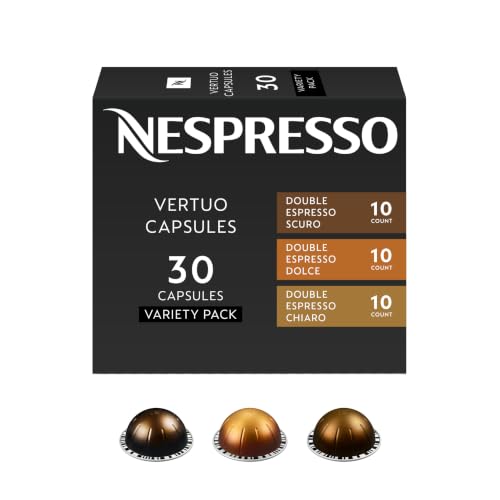
NESPRESSO VERTUO DOUBLE ESPRESSO VARIETY PACK: This Nespresso double espresso assortment offers 30 Nespresso Pods for the Nespresso Vertuo System. 10 Double Espresso Scuro, 10 Double Espresso Chiaro, and 10 Double Espresso Dolce.

Double Espresso Dolce brews 2.7 FL. OZ.: These Nespresso Vertuo pods are part of the Espresso range that will provide you with a 2.7 fl. oz. serving of a double espresso coffee beverage.

NESPRESSO ORIGINALLINE VARIETY PACK ASSORTMENT: This Nespresso coffee assortment: 50 Nespresso Pods in a variety of 5 best-selling coffee blends for the Nespresso OriginalLine System - 10 Capriccio, 10 Ristretto, 10 Genova Livanto, 10 Roma, 10 Firenze Arpeggio.
Start Brewing and Observe Water Volume for Each Size
You’re probably wondering how to make sure each brew size actually delivers the right amount of water. When you press start, the pump fires instantly and a thin stream hits your cup. Choose a cup size large enough to avoid overflow, then watch the flow; the machine will stop once it reaches the programmed volume.
Now, monitor the volume while brewing. Espresso recipes usually sit between 30‑70 ml, lungo between 70‑130 ml, and hot‑water programs can go up to 300 ml. If you hold the button, you can set a custom volume, and the machine remembers it for the next shot.
All right, verify with a measuring cup the first few times. Pour into a clear container, compare the milliliters to the expected volume, and adjust your cup size or button‑hold time if needed. The takeaway: observe the stream, match it to the programmed volume, and confirm with a measure to guarantee consistency. Next, you’ll learn how to stop the brew early if you want a shorter shot. The machine stores personal setting for each capsule insertion personal setting. Regular descaling maintains optimal water flow and flavor. A reset can clear error codes and restore factory settings. Performing a regular descaling cycle helps prevent mineral buildup and ensures consistent water pressure.
Stop the Brew Early If Desired
How do I stop the brew early without messing up the machine? You’re wondering how to keep a small cup without a mess, right? Here’s the thing: press the coffee button once. The machine registers a manual interruption, then the light turns steady white before the head releases.
Why does early stop safety matter? Because opening the head while the pump runs can cause hot water spray and confuse the sensor. Wait for the steady white cue, then lift the lever.
What if it stops too early? That usually means a hiccup, not a fault. You can reset by pressing the button five times fast after ejecting the capsule.
Takeaway: one press, wait for steady white, then open. Next, you’ll need to eject the used capsule.
You can also press the Brew button while holding the lever to initiate a reset if the machine does not respond. Performing a factory reset can also clear any lingering error codes. Regularly cleaning the water reservoir helps maintain optimal pressure and prevents blockages. Proper water hardness ensures effective descaling and prolongs machine life.
Eject the Used Nespresso Capsule
When the brew finishes, you probably wonder how to get the spent pod out without a mess. Now, open the lever gently until the head pops up; the machine will automatically drop the capsule into the side holder. If the head won’t rise, unplug the unit first and then ease the lever back—force can damage the lock.
All right, pull out the removable capsule basket. It usually slides out from the side or beneath the brew area. Empty it into your trash or, better yet, into a recycling bin for capsule recycling. A full basket can overflow, so make this part of your maintenance schedule.
Here’s the thing: after you empty the container, snap it back into place and close the head. The machine is ready for the next brew, and you’ve kept it clean and functional.
Takeaway: Prompt ejection prevents residue, and regular emptying fits your maintenance schedule while supporting capsule recycling. Ready to clean the drip tray next? Verify holder capacity before brewing. Also, remember that regular descaling helps maintain optimal water temperature and pressure. Proper shutdown ensures the machine’s internal components are protected when not in use.
Safety precautions recommend allowing the machine to cool before handling internal parts.
Clean Your Nespresso Drip Tray, Tank, and Capsule Holder
Ever wonder why your Nespresso’s drip tray and tank smell stale after a few brews? You probably left water sitting too long, letting microbes feast. First, pull out the drip‑tray, cup support, and capsule holder. Dump any used capsules and liquid, then rinse each piece in warm, soapy water. Use a soft cloth or non‑abrasive sponge, rinse well, and pat dry—drying the drip‑tray prevents slime.
Now, detach the water tank and lid. Rinse under warm water; if you spot mineral film, add a drop of mild soap, rinse again, and fill with fresh water. Follow a regular Tank‑descaling schedule, especially if your water is hard. Never use abrasive cleaners to avoid damaging the tank.
Descaling removes mineral buildup to keep the machine operating efficiently.
Finally, wipe the machine’s exterior and coffee outlet with a damp cloth, then dry the area. Keep the removable parts completely dry before reassembly.
Takeaway: clean, rinse, and dry each component regularly to avoid odor and buildup. Next, you’ll want to run a water‑only rinse cycle to preserve flavor. Ensure the power button is easily accessible and press it to quickly start the machine.
Running a water‑only cycle after cleaning helps flush out any residual soap and fresh lukewarm water from the internal system.
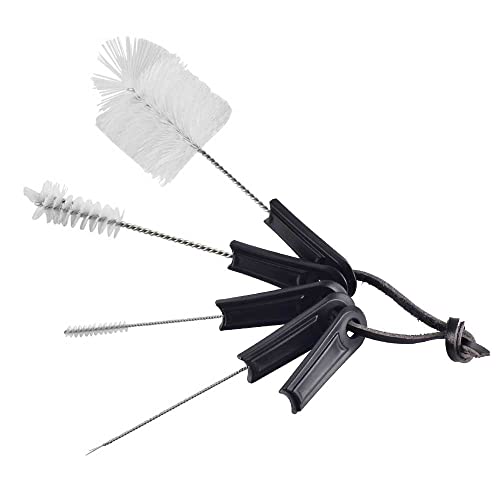
Espresso Brush Pack - Including 5pcs espresso machine cleaning brush tools and 1pc espresso portafilter basket remover tool, for cleaning any space of your espresso machine.

Espresso Towel Cleaning Pad Included - 5pcs reusable coffee cleaning pads.

Bottle cleaning brushes with multiple usage includes 7.9-12.5 inches straw tube cleaning lab brushes, 16 inches long handle beer bottle brush, 14 inches sports water bottle brush, 10 inches multifunction sponge brush and 4.3 inches spout cleaning brush; You can hang them on hook for drying and storage.
Run a Water‑Only Rinse Cycle on Your Nespresso to Preserve Flavor
If you’re wondering why a quick water‑only rinse matters, you’re on the right track. It flushes residual coffee oils and fine particles, preventing flavor carryover after a dark‑roast or flavored capsule. This residue flushing keeps each cup tasting fresh and supports flavor preservation.
How do you start the rinse?
Fill the tank with fresh, room‑temperature water. Remove any capsule, place a 20‑32 oz container under the spout, and wait for the machine to heat until the lights stop blinking. For Original models, press espresso + lungo together for three seconds; for Vertuo, tap the brew button three times within two seconds. The machine runs until water stops automatically, then you discard the water.
What’s the takeaway?
A single water‑only cycle removes lingering residue, safeguarding the next brew’s taste. Repeat after heavy use or when switching from strongly flavored pods. Next, consider how often you should descale to keep the system clean. Proper frothing temperature can also affect overall coffee quality.

Includes: 2 portioned pouches of descaling solution specially designed for your Nespresso machine

RESTORE COFFEE FLAVOR & AROMA: Our universal descaling solution removes bitter mineral buildup and calcium deposits from heating elements. This ensures your Keurig cleaner process restores the original "day one" taste of your favorite pods and espresso capsules

2-Pack Coffee Descaler and Cleaner - Clean and rinse away residue and oil buildup in your coffee maker with Impresa's Coffee Descaler Solution. Our highly effective solution comes with two 8-ounce bottles - enough for 4 descaling sessions (2 uses per bottle)
Descale Your Nespresso Every Few Months (Nespresso Solution or Citric Acid)
You’re probably wondering why you need to descale your Nespresso every few months—great question. Hard water leaves mineral scale on heating elements and brew pathways, so flow slows and temperature drops. Nespresso suggests a three‑month hard‑hard schedule, but if your tap is especially hard you’ll want to do it more often.
Should you use the official solution or citric acid? The branded liquid mixes with 500 mL of water and guarantees safety for all components. Citric acid, food‑grade and low‑odor, works too—just dissolve a tablespoon in warm water and rinse thoroughly afterward. Both remove buildup; the choice depends on convenience and taste preferences.
How to descale in practice Power on, empty the tray, fill the tank with your chosen mixture, and start the descaling mode. Catch the fluid in a large container, let the tank empty, then run a full rinse with fresh water. After a brief cooling period, you’re ready to brew again.
*Takeaway:* Descaling every few months—using either the Nespresso solution or citric acid—keeps pressure steady and coffee tasting bright. Ready for the next step? Try a water‑only rinse to clear any residual flavor. Descale Inissia machine at least once a year.

Compact construction

Effective and Safe Descaling Solution: Specially formulated for Nespresso machines to ensure thorough descaling without damaging your coffee maker. Perfect for all Nespresso models.

DESCALING KIT Set of 2 descaling kits for Inissia, Pixie, U, Maestria, Gran Maestria, Lattissima, CitiZ, Essenza, Cube, Concept, Expert, Prodigious, Seaco, Siemens, Classic line machines
Troubleshoot Common Nespresso Issues?
Sometimes your Nespresso just won’t start, and it feels like a mystery you can’t solve. First, check the power plug and outlet; a loose cord or tripped fuse is often the culprit. Then verify the water tank is full, seated correctly, and the machine pipe isn’t kinked. Run a few water‑only cycles without a capsule to clear air locks and prime the pump.
Why isn’t the capsule feeding?
Make sure the capsule clicks into place and the holder is clean. Inspect the puncture needles for coffee grounds; a clogged needle blocks flow just like a blocked straw. Replace a damaged capsule and try again.
Is milk frothing sputtering?
Empty the frother’s steam wand, wipe the nozzle, and run a short steam burst to clear milk residue. If the frother still sputters, the internal pipe may be obstructed; a quick cleaning cycle usually restores pressure.
What if nothing works?
Perform a factory reset by holding the brew button for five seconds, then reprogram cup sizes. Persistent failures—no flow, leaks, or strange noises—call for professional service.
Takeaway: Power, water, capsule placement, and clean pipes solve most issues; reset if they don’t. Next, try the reset steps and see if your machine revives. A clogged diffuser plate can also cause weak coffee and requires cleaning.

ECO FRIENDLY OPTION: Our Vertuo descaling kit is specially formulated to clean and descale your machine while being eco-friendly. It's safe for your environment and will leave your Nespresso Vertuo with a fresh, new taste.

12-Month Maintenance Kit: Our package includes 1 bottle of descaling solution, enough for 4 uses, 12 Vertuo cleaning tablets, and 1 reusable Vertuo pod. This kit provides all the necessary tools for maintaining your machine’s performance.

✔ 5 CLEANS PER BOX - Enjoy the simplicity of cleaning pods versus messy cleaning powders – the must - have barista accessories to be in your descaling kit