
Unbox the GEVI, rinse the tank, drip tray, and portafilter, then assemble everything and fill the water tank with cold water within the marked limits. Power on, wait for the LCD to solidify, and run a water‑only brew followed by a 15‑second steam purge to stabilize temperature and pressure. Grind beans fine, dose 6–7 g (1‑cup) or 13–14 g (2‑cup), distribute evenly, tamp 10–15 kg, and extract for 25–30 seconds. Steam cold whole milk, creating a whirl and aerating to 150–160 °F, then wipe the wand. Clean the portafilter after each shot, backflush weekly, and descale monthly to keep taste consistent—more details await if you keep going.
Unbox, Rinse, and Set Up Your GEVI Espresso Machine
Before you start brewing, unpack the box and verify every component listed in the manual—spoon, stainless‑steel milk jug, dual‑wall and single‑wall filters, tamper, cleaning toolbox, and the removable water tank, drip tray, and bean hopper. Use the accessory checklist to confirm each item matches the manual; missing parts halt assembly. Remove the water tank, drip tray, and any coffee‑contact accessories, then rinse them with clean water. Air‑dry completely before reassembly. Reinsert the drip tray, click the water tank into place, and fill it with cold water, keeping the level between the minimum and maximum marks. Seat the bean hopper securely, select the appropriate filter (single‑wall for whole beans, double‑wall for pre‑ground), and match the portafilter basket and tamper. Position the machine on a level counter, place a container under the group head, and wipe the exterior. Conduct initial calibration by running a short water‑only cycle to verify flow and temperature before brewing. Air‑dry the accessories completely before reassembly. Regularly descale the machine to prevent mineral buildup and maintain optimal performance. For best results, follow a monthly descaling schedule to keep your espresso tasting fresh. Incorporate a weekly steam‑wand cleaning routine to remove milk residue and ensure consistent frothing.

【Only Compatible with Listed Models】 This 51mm Portafilter Set for CASABREWS CM5418, 5418 PRO, 3700 Essential/3700Pro and Gevi Espresso Machines. Not compatible with other coffee machine models.

【Fit For Gevi 20 bar Espress Machine】 51mm portafilter fits Gevi 20 bar Espress Machine. KINDLY NOTE: 51mm Bottomless Portafilter products are only suitable for use with 3 ears and the Prongs Thickness 4mm, NOT FIT Delonghi any Espress Machine.

304 STAINLESS STEEL: Amrules 12oz creamer pitcher are crafted of 18/8 food grade stainless steel. The pitcher features external mirror finish and internal hairline finish. It is sturdy, durability, rust-resistant and resistant to deformation
Prime Your GEVI Espresso Machine With a Water‑And‑Steam Flush
If you’ve already filled the 1.2 L water tank to the MAX line and secured it, turn the power on and wait until the LCD icons stop flashing and stay solid, indicating the machine is fully heated; then place a container under the group head, rotate the function knob to Brew, and press the single‑shot button repeatedly to flush water through the brew circuit, followed by switching to Steam, opening the wand valve for 15–20 seconds, and confirming steady water and steam flow before proceeding to brewing. Observe the water temperature on the LCD; it should stabilize near the target brewing range. Use the pressure gauge to verify that brew pressure reaches the recommended bar level. After the steam purge, check that steam temperature is consistent and that the gauge reads steady pressure. If flow falters, repeat the brew‑and‑steam cycle until both water temperature and pressure gauge readings remain stable. Ensure the water tank is seated properly with its pegs flush into the machine’s back holes. Regular descaling removes mineral buildup that can impair heating efficiency and flavor extraction. Descaling helps maintain optimal pressure and prolongs machine lifespan. The high‑pressure pump in a Nespresso‑style system can achieve up to 19 bar pressure for rapid extraction.
Grind, Dose, and Tamp on Your GEVI Espresso Machine
A proper grind, dose, and tamp are the three pillars that determine whether your GEVI espresso will extract cleanly and produce rich crema. Choose a fine grind just finer than table salt; use a burr grinder to guarantee grind consistency. Measure 6–7 g for a 1‑cup basket or 13–14 g for a 2‑cup basket, filling to the MAX line for dose precision. Distribute grounds evenly, then level the bed with a distribution tool. Apply 10–15 kg of pressure, keeping the tamp surface flat and flush with the basket edge. Verify that the puck is uniform; uneven surfaces cause channeling. This combination of fine grind, exact dose, and firm, level tamp yields a balanced 25‑30‑second extraction and robust crema. Press the power button to turn on the machine before you begin. Consistently using a burr grinder helps maintain grind uniformity, which is essential for preventing under‑extraction. Using a flat burr can further improve particle size consistency, enhancing extraction stability.
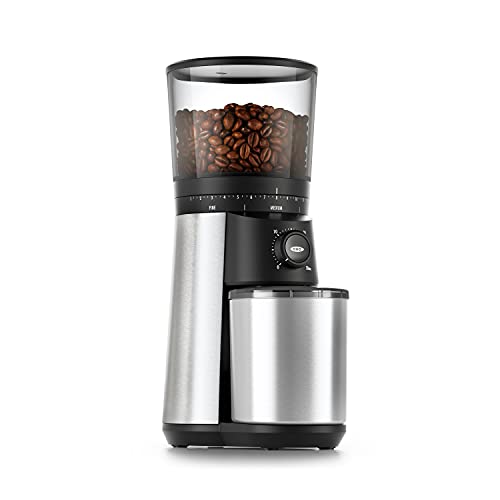
40mm stainless steel conical burrs: Precision grinding system produces uniform coffee grounds to ensure even extraction for rich, balanced flavor in every cup.
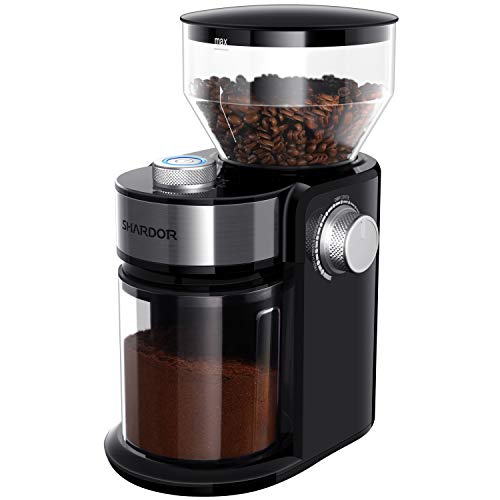
[ UNIFORM BURR GRINDING ] Premium metallic flat burr mill ensures consistent, uniform grounds without burning beans. Perfectly preserves rich coffee aroma for pour-over, drip, and cold brew.

Slim, powerful grinder with precise settings from fine to coarse, with 15 settings and 29 micro-adjustments
Steam Milk and Keep Your Machine Happy
When you’re ready to steam milk, start by filling the water tank with clean water, keeping it below the max line, then power on the machine and wait until the indicator stops flashing and stays lit. Select steam mode, purge for three seconds, then return the dial to standby for reheating. Use cold whole milk in a stainless‑steel pitcher, filling it one‑third full. Insert the wand two millimeters below the surface, angle the pitcher, and create a circular whirl. Keep the tip near the surface for aeration, then lower it slightly to texture the milk while maintaining the whirlpool. Monitor temperature, aiming for 150‑160 °F; stop when the pitcher feels hot for three seconds. After steaming, wipe the wand, purge ten seconds, and return to standby to guarantee frothing maintenance and reliable temperature monitoring. Check the water level before powering on. For the best foam consistency, use cold whole milk and pre‑chill the pitcher. Adding a short, vigorous whisking step after steaming can further enhance the foam’s velvety texture, especially when using high‑fat milk for richer bubbles. Understanding protein‑fat balance helps achieve a stable, creamy foam.

【Food Grade Material】This milk frothing pitcher is made of high-quality 304 stainless steel, which is rust proof, stain proof, and heat resistant. It has a stylish appearance and is very easy to clean after use.

Measure Capacity for Your Routine: This milk frothing pitcher has internal oz/ml marks; choose 12 oz for single drinks, 20 oz for larger lattes, 32 oz and 50 oz for multiple servings

【Premium Food-Grade 304 Stainless Steel】Milk frother cup is made of premium food-grade 304 stainless steel, this non-toxic, odorless coffee pitcher ensures safe daily food contact. It delivers outstanding rustproof, stain-resistant and heat-resistant performance for durable use. Adopting seamless welding technology, the integrated body and handle feature solid structure.
Clean the Portafilter and Maintain Your GEVI Espresso Machine
Maintaining the GEVI espresso machine starts with diligent portafilter care: after each shot, promptly discard the spent puck, rinse the portafilter and basket under warm water, and brush away any stubborn grounds, separating the basket from the handle when possible; dry every component before reassembly to prevent moisture‑related residue and guarantee consistent extraction. Follow each cleaning, perform a quick group‑head flush: run a brew cycle without coffee, wipe edges with an espresso brush, and check the shower screen for trapped grounds. Schedule weekly backflushing using a blind basket, run 10‑second pump bursts, and apply cleaning tablets to dissolve oils. Soak removable parts in hot water with solution for fifteen minutes, then rinse and dry. Consistent Portafilter cleaning and overall Machine maintenance preserve flavor and extend service life. Rinse the drip tray after each use to avoid water buildup. The basket holds the coffee grounds and must match the filter size for optimal extraction. Regular descaling prevents mineral buildup that can impair heating efficiency and affect taste.