
Start with freshly roasted beans—ideally a medium‑dark blend, 2–14 days old, stored airtight or frozen. Use mineralized water with 90–150 ppm TDS and hardness under 50 ppm; filter or remineralize as needed. Choose a barista‑formulated milk or alternative (oat, soy, almond) that froths well and matches your flavor profile. Add a sweetener or booster—honey, agave, stevia, cocoa, or a dash of citrus zest—to balance bitterness. The right gear—burr grinder, pressure‑stable machine, bottomless portafilter, tamper, and thermometer—ensures consistent extraction, and the next sections will show you how to fine‑tune each component.
Pick the Right Espresso Beans
When you choose espresso beans, prioritize freshness and roast date—ideally a bag stamped with a roast date within the past 1–14 days, because peak espresso flavor usually emerges 2–4 weeks after roasting when CO₂ has stabilized. Verify singleast freshness by checking the bag for a roast date, one‑way valve, and batch ID; specialty roasters often ship within 24–48 hours, preserving aroma. For Blend selection, favor medium‑dark profiles that balance sweetness, body, and crema, especially for milk‑based drinks where consistency matters. Single‑origin beans can showcase distinct terroir, but blends usually deliver steadier extraction across shots. Store unopened bags in a cool, dark place or freeze for long‑term freshness, and keep opened bags airtight to slow oxidation. Achieving optimal grind uniformity greatly reduces channeling and improves shot consistency.

One bag of 2.2lb Lavazza Espresso Barista Gran Crema Whole Bean Coffee Blend

32 oz Bag of Gaviña Old Havana Espresso Whole Bean Coffee — freshly packed to preserve peak flavor and aroma. Grind fresh for a truly rich espresso experience.
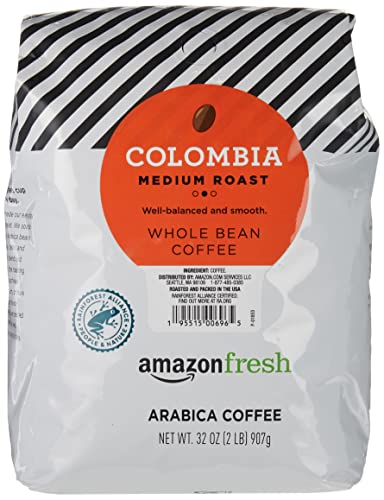
Balanced, full-bodied medium roast with a smooth finish
Pick the Best Water for Your Espresso
A good espresso starts with water that’s both mineral‑balanced and free of contaminants, because over 98 % of the drink is H₂O. You should target ideal mineralization of 90–150 ppm TDS and hardness under 50 ppm (≈3–5° dH). Begin with water hardness testing and TDS monitoring using strips or a digital kit; adjust based on local reports. If you use reverse osmosis or distilled water, perform mineral re‑addition with a calibrated espresso mineral supplement to reach the target range. Avoid ZeroWater‑style ultra‑soft water, which strips essential ions, and steer clear of hard spring water that causes scale. Filter tap water through activated carbon to remove chlorine and other contaminants, then verify the final profile before brewing.

COFFEE WATER mineral packs turn pure water into the optimal water for brewing a truly amazing cup of coffee.
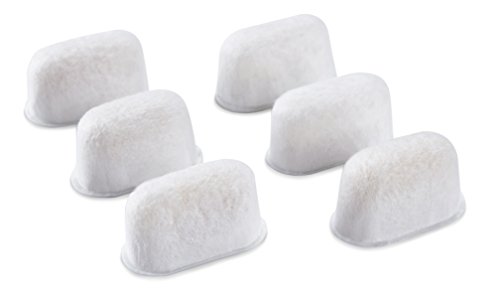
PACKAGE INCLUDES: 6 counts of Resin Media Water Filters fit Breville Coffee Machines.

BEST WATER FOR BREWING COFFEE - Perfect blend of minerals for creating great water for brewing coffee, enabling balance, clarity and smooth body in your coffee.
Pick Milk or Milk‑Alternative for Espresso Drinks
Your water profile is set; now focus on the milk or milk‑alternative that will complement it. Choose a barista‑formulated oat milk for reliable crema foam and a neutral palate; its protein content yields a stable foam and a subtle sweetness that works hot and cold. If you need a protein boost, soy milk provides higher protein levels, delivering a richer body and stronger structure, though flavor is more pronounced and stability varies by brand. Almond milk offers a light, nutty profile but is thinner; select a sweetened, barista version to avoid curdling in hot drinks. Coconut and macadamia milks introduce distinct tropical or nutty notes and can be stable, yet they are best reserved for specialty drinks where flavor character outweighs neutrality. Proper temperature control prevents y texture and ensures consistent foam, especially when using high‑protein oat milk. Understanding air injection mechanisms helps you achieve the best foam texture. Using a French press can also create frothy milk without a dedicated frother.

Free From: Dairy, Lactose, Gluten, Soy, Peanuts, & Tree Nuts

Super creamy! Super plant-based!

MINOR FIGURES BARISTA OAT (ORGANIC): Designed to enhance the flavor profile of your favorite coffee and made with certified organic ingredients, Barista Oat (Organic) brings out the best in every bean, delivering a cafe-quality experience with every cup.
Pick Sweeteners & Flavor Boosters for Espresso
Which sweetener you choose will shape the espresso’s balance, so match flavor profile, sugar content, and temperature compatibility to the roast and drink style. For light roasts, try raw honey or maple syrup; their floral and caramel notes complement bright acidity without overwhelming. Dark roasts benefit from agave nectar, coconut sugar, or molasses, which add depth and sustain bitterness. Zero‑calorie options—stevia and erythritol—provide high potency with negligible glycemic impact; use stevia sparingly to avoid aftertaste, and dissolve erythritol fully to prevent grittiness. For flavor layering, add cocoa powder, dark chocolate, or vanilla to soften bitterness and enhance perceived sweetness. Cinnamon or citrus zest can amplify sweetness perception while contributing distinct aromatic dimensions. Optimize sweetener pairing by adjusting dosage to maintain espresso’s body and avoid over‑dilution. Regularly descale the machine to prevent mineral buildup that can alter water temperature and affect flavor extraction maintenance.
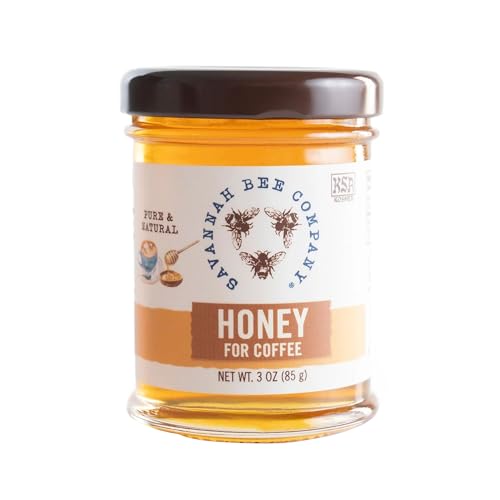
NATURAL SWEETENER WITHOUT THE GUILT – Savannah Bee Honey for Coffee adds a perfectly balanced sweetness without overpowering flavor, enhancing every sip.

RICH FLAVOR PROFILE - Crafted to complement the bold coffee flavor, this pure honey brings out the best notes in your favorite brews for an unforgettable taste experience.

🍯 REAL AGAVE & VANILLA: Our vanilla simple syrup is sweetened with organic blue agave nectar and infused with real vanilla for an authentic and healthier alternative to traditional syrups. Tuturu is a superior simple syrup that will elevate any coffee drink or cocktail and give any drink an authentic vanilla bean taste.
Pick Americano Add‑ins for Espresso
Choosing the right Americano add‑ins starts with the espresso‑to‑water ratio, because it sets the base strength that each milk, sweetener, or spice will modify. Use a 1:2 ratio for a bold cup; a 1:4 ratio yields a milder canvas that tolerates more creamer. When you add half‑and‑half, apply creamer ratios of 1:3 to 1:5 relative to water to preserve body without drowning espresso. Steamed creamer maintains temperature, while cold creamer introduces a slight chill. Sweeteners dissolve best in the hot espresso before water, so stir honey or syrup after pulling the shot. For spice, sprinkle cinnamon or nutmeg; for citrusinf, zest lemon or orange peel directly into the cup. Add citrusinf, or aroma stirring. Keep dissolved. for a silky texture. A longer steeping time can enhance flavor extraction, similar to the cold brew method. You can also create a foam‑rich latte using a handheld frother to achieve café‑style texture without an espresso machine.
Pick the Gear You’ll Need
Selecting the right gear sets the foundation for consistent espresso, so start with a burr grinder, a pressure‑stable machine, a tamper, a scale, and fresh beans. Use an espresso grinder that delivers uniform particle size; this outweighs machine brand. Verify the machine’s pressure gauge reads 9 bar during extraction, ensuring stable flow. Pair the grinder with a dosing funnel and a WDT tool to eliminate clumps before tamping. Choose a calibrated scale with timer for dose‑and‑yield tracking. Add a bottomless portafilter for visual channel‑check, and a blind shaker for single‑dose consistency. Include a milk pitcher and thermometer if you steam milk, and keep a knock box, group‑head brush, and microfiber cloth for quick cleanup. These components together guarantee repeatable, high‑quality shots. A handheld vacuum cleaner helps remove coffee grinds from the work surface without using hands handheld vacuum. Proper water temperature is crucial, as extracting at 93 °C maximizes flavor extraction. Consistent tamping pressure of 30–40 lb helps maintain even flow and balanced flavor. A bottomless portafilter also reveals extraction channeling in real time, allowing immediate adjustments.

Premium 40 Millimeter Stainless Steel Conical Burr: Designed to minimize grinding heat and protect the essential oils in the coffee bean, creating uniform grounds for optimal flavor extraction.

40mm stainless steel conical burrs: Precision grinding system produces uniform coffee grounds to ensure even extraction for rich, balanced flavor in every cup.
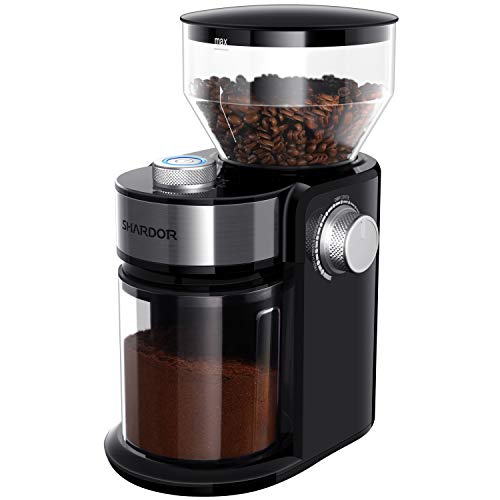
[ UNIFORM BURR GRINDING ] Premium metallic flat burr mill ensures consistent, uniform grounds without burning beans. Perfectly preserves rich coffee aroma for pour-over, drip, and cold brew.