
You’re not confused—you actually *can* make a real latte without an espresso machine. Use strong coffee from a French press (coarse grind, steep four minutes at 200°F) or Moka pot instead. Heat milk to 150–160°F, then froth it hard in a sealed jar for 30–60 seconds. Mix one part strong coffee with three parts frothed milk, spoon foam on top. The technique matters more than the equipment, and once you nail the ratios and frothing method, you’ll understand why café lattes cost so much.
Choose Your Strong Coffee Base: Drip, French Press, or Moka Pot
When you’re making a latte without an espresso machine, your coffee base makes all the difference—and you’ve got three solid options, each with its own strengths.
Drip coffee gives you the cleanest flavor and easiest brew grind setup with a medium grind and paper filter. It’s mild though, so you’ll need more coffee to stand up to milk.
French press delivers richness and body through immersion brewing. Use a coarse grind and steep roughly four minutes for a full-bodied base that holds its character after milk‑foam timing begins. The suspended fine particles create that signature opaque, robust mouthfeel that complements steamed milk beautifully. The steep time can be adjusted to fine‑tune the balance of acidity and bitterness. The mesh plunger ensures a clean separation of grounds from liquid, enhancing consistency. For optimal extraction, aim for a water temperature of about 200 °F.
Moka pot produces the boldest, most concentrated result. Your fine grind and stovetop pressure create an espresso‑like intensity that cuts straight through milk.
Which flavor intensity appeals most to you?

CRAFT COFFEE AT HOME: Produces six demitasse/espresso servings of rich, smooth espresso coffee in minutes. Craft your own espresso, Americano, Cuban coffee, Italian-style coffee, Moka, lattes, cappuccinos and more from the convenience of your home.Filter type:Reusable

⭐ [Moka Espresso Coffee] Stovetop espresso maker, Moka pot, & manual coffee percolator machine. Available in 3 cups, 6 cups, 9 cup sizes. Stove top percolator coffee pot to make home espresso like a barista. Its easier to use than electric espresso coffee machines and makes a rich cup of moka Espresso coffee. 3 cup expresso coffee maker stovetop size in Food grade anodized aluminium Moka expresso Coffee maker.

Moka Espresso Coffee: Stovetop espresso maker, Moka pot, & manual coffee percolator machine. Available in 3-cup, 6-cup, 9-cup and 12-cup sizes. The stove top percolator makes home espresso like a barista. It's easier to use than an electric espresso machine and makes a rich cup of espresso mocha.3 cup, 6-cup, 9-cup and 12-cup expresso coffee pot, stove top size, food grade aluminum Espresso Moka coffee pot.
Heat Your Milk and Froth It Without a Steam Wand
Now that you’ve picked your coffee base, the real magic happens with milk—and you’re probably wondering if you can actually froth it without that fancy steam wand. You absolutely can.
What Temperature Actually Matters
Heat your milk to 140–155°F (60–68°C) for the smoothest microfoam. Go hotter and you’ll scald it; cooler milk produces thin, airy bubbles instead. Stir often while heating to warm evenly.
Your Best Froth Methods
A sealed jar works great—fill it halfway, shake vigorously for 30–60 seconds, then let bubbles settle. A French press is creamy; plunge rapidly for 10–30 seconds. Handheld frothers need 15–30 seconds and work with alternative milks too.
Temperature control matters most. You’ve got options that work just as well as steam wands. Using a hand‑held electric mixer can also create a velvety foam in just a few seconds.
Choosing the right milk, such as whole dairy milk for richness, helps produce a more stable silky foam that holds its texture longer. Understanding the air injection mechanism can further improve your foam consistency.

Make Creamy Froth Quickly: If you love your morning coffee filled with froth and foam, the portable Handheld Milk Frother can create a creamy cup within 15 to 30 seconds

Effortless USB-C Power: Enjoy convenient charging with the included Type-C cable - no bulky adapters needed. Simply plug into any USB port to power up your frother at home, work, or on the go

NO MORE BATTERIES -- USB Rechargeable. Forget buying batteries! Just plug in the included USB cable to charge. One charge lasts for months, making it eco-friendly and always ready to use.
Mix Your Latte: Ratios That Work
Once you’ve nailed your milk technique, the espresso ratio between espresso and milk makes or breaks your latte. You’re probably wondering: how much of each do I actually need?
What Ratio Should You Aim For?
Most lattes hover around 1:3 or 1:4—meaning one part espresso to three or four parts milk. That’s your sweet spot for balance. Now, your cup size dictates the actual amounts. A 160ml cup works with 20g espresso and 120g milk. A 320ml cup needs roughly 40g espresso and 240g milk.
Why Cup Size Matters
Your foam density and milk temperature stay consistent, but proportions shift. Measure by weight in grams, not guesswork. This approach beats eyeballing every time you brew. Proper tamping pressure ensures consistent extraction, which is crucial for a balanced latte. Using a consistent grind size helps maintain even extraction throughout the brewing process. The standard demitasse cup holds about 60 ml, which aligns well with a single‑shot espresso volume.
Make Café-Quality Latte Foam at Home
The difference between weak, watery foam and silky, café-quality microfoam comes down to three things: milk temperature, technique, and patience. You’re probably wondering why your foam never looks like what baristas create—and the answer isn’t mysterious.
Start by heating milk to 150–160°F before frothing. Cold milk simply won’t cooperate, no matter your technique. For the best foam texture, use a French press or handheld frother to create small, uniform bubbles.
Here’s the thing: alternative milk froths differently than dairy. Oat and soy milk develop creamier foam, while almond milk struggles. Pump your frother vigorously for 10–20 strokes, then rest the milk one minute.
That settling time transforms your foam from bubbly to velvety. You’re now ready to pour latte art. High‑protein oat varieties contain more casein, which helps stabilize the foam. Regular descaling of your espresso machine prevents mineral buildup that can affect milk heating consistency. Using a paper towel as a makeshift filter can help remove fine particles if your milk source is unfiltered.

MAKE RICH, CREAMY FROTH IN SECONDS: We coffee lovers are serious when it comes to our coffee. The Zulay Kitchen frother gives that professional finishing touch to your latte, cappuccino, macchiato or hot chocolate. Make delicious foamy cream for your drinks at home without a trip to the coffee shop with your own milk frother. The benefits of having your own electric drink whisk mixer are endless: you can make your own best latte, you know your tastes best. Note: Packaging may vary.
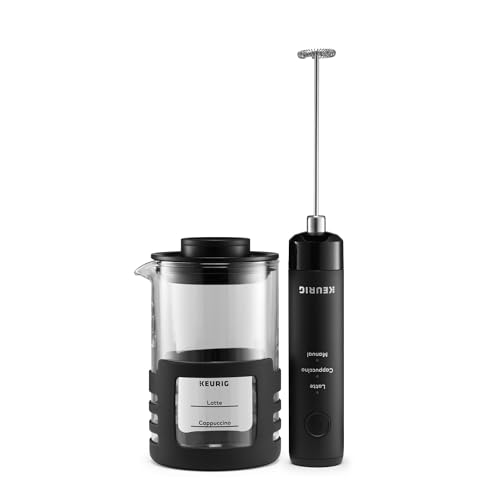
MAKE LATTES, CAPPUCCINOS, AND MORE: Whips milk and dairy alternatives into a light, silky froth to make specialty coffee beverages in seconds.

MAKE RICH, CREAMY FROTH IN SECONDS: Create café-quality foam for coffee, lattes, cappuccinos, hot chocolate, and matcha with this handheld frother wand. Perfect for milk, cream, or non-dairy alternatives.
Pour, Top, and Serve Your Latte
Start by pouring your strong coffee base into a mug—fill it about one-third full. Now add your warmed milk, holding back the foam with a spoon as you pour. This prevents overflow and keeps your layers clean.
Here’s the thing: milk temperature matters enormously. You want hot milk, not boiling, around 150-155°F. Whether you’re using dairy, oat, or almond milk variations, they’ll all froth better at that sweet spot. Dark roast coffee provides a stronger flavor foundation that balances well with the sweetness of milk and foam.
Spoon the remaining foam onto top, creating that signature cap. Serve immediately—foam degrades fast, and you want maximum texture. Optional dusting of cocoa works beautifully here.
That’s it. You’ve got a café-quality drink. The gasket seal ensures pressure builds correctly for optimal extraction.
Nitro infusion can be used to add a creamy, velvety texture similar to a nitro cold brew, enhancing the mouthfeel of your latte.Use a Moka pot for a consistently strong coffee base that yields excellent espresso-like flavor.
Fix Common Problems: Weak Flavor, Flat Foam, and Scalded Milk
Even with perfect pouring technique, you might end up with a latte that tastes weak, looks flat, or smells scorched—and that’s frustrating when you’ve done everything right.
Why’s Your Coffee Tasting Thin?
You’re probably using a standard coffee grind with a weak ratio. Bump up to dark roast and use roughly 2 tablespoons per 5–6 ounces of water. A French press works beautifully—steep coarse grounds for 4 minutes in 190°F water. Keep milk to 3–4 ounces so coffee flavor actually shows through. Cold brew can also be used as a base for a smoother, richer latte.
How Do You Get Foam That Stays Put?
Heat milk to 155°F, then froth vigorously for 1–2 minutes. A handheld frother beats whisking. Whole milk froths better than low-fat.
Stop Burning Your Milk
Never boil. Heat over medium until bubbles form at the edges, then stop. In the microwave, use short bursts.Optimal coffee‑to‑water ratio helps ensure a richer, more balanced coffee base for your latte.

CREAMY VELVETY FROTH IN SECONDS: Making coffee-shop-style recipes at home is as simple as it can be with this milk frother. The 13,000 RPM motor and 25 spiral rings on the whisk let you whip up rich foam in no time. Level up your everyday warm or cold coffee, latte, cappuccino, hot chocolate, matcha, or powdered drinks with this frother.

CREAMY VELVETY FROTH IN SECONDS: Making coffee-shop-style recipes at home is as simple as it can be with this milk frother. The 13,000 RPM motor and 25 spiral rings on the frother let you whip up rich foam in no time. Level up your day with this frother for protein powder, warm or cold coffee, latte, cappuccino, hot chocolate, matcha, and powdered drinks.

CREAMY FROTH IN SECONDS: Featuring a powerful high-speed motor and an upgraded double-spring whisk head, this milk frother handheld creates thicker, creamier foam in as little as 20 seconds. Perfect for lattes, cappuccinos, matcha, hot chocolate, and all your favorite drinks
Try Iced Lattes and Flavor Variations
Once you’ve mastered the hot latte, iced versions open up a whole new direction—and they’re actually simpler to pull off without a machine. Cold brew concentrate or strong Aeropress coffee works beautifully as your base, then you’ll mix it with milk and ice.
Now, here’s where it gets fun: you can season flavor twists into nearly every pour. Vanilla syrup, cinnamon, or maple syrup transform your drink instantly. Seasonal syrups—think pumpkin spice in fall or chai-style flavoring year-round—let you experiment without extra equipment.
For texture, try shaking your concentrate with milk and ice for 30 seconds to create natural microfoam. Whole milk and oat milk give richness, while nut milks work great if you’re going dairy-free. The iced latte ratio of about 2.5–3 times milk volume to coffee volume ensures your drink stays balanced between creamy and refreshing. Using a coarse grind helps prevent over‑extraction and keeps the brew smooth. Understanding particle size is key to achieving the right extraction. Ready to experiment with toppings?
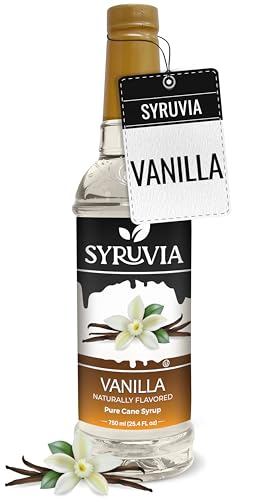
Vanilla Coffee Syrup: Smooth vanilla flavor with a creamy sweetness and soft aroma for a classic café-style taste in every sip.

VANILLA COFFEE SYRUP: Enjoy the Torani coffee-flavoring syrup inspired by the pure taste and inviting warm aroma of creamy vanilla.

French Vanilla Syrup: This French Vanilla syrup will remind you of that decadent, intensely flavored creamy custard you once tried; Its creamy, delicious flavor experience enhances lattes, iced coffees, and more