
You’re probably puzzled why your Moka pot leaves bitter residue and rust, but a quick rinse after each brew fixes most of it; just dump the grounds, run hot water through the chamber, and shake‑dry for a minute. For deeper oil buildup, disassemble the filter basket and gasket, scrub with a nylon brush, soak the basket 10 minutes in warm water, and dip the gasket in isopropyl alcohol before air‑drying. Finally, descale monthly with a 1:1 vinegar‑water mix or 1 Tbsp citric acid per 250 ml water, run a brew‑through, rinse three times, and store completely dry—keep an eye on the gasket and replace it every 6‑9 months. If you follow these steps, you’ll keep flavor bright and the pot rust‑free, and you’ll uncover even more tricks ahead.
Rinse Your Moka Pot After Each Brew
Why you should rinse your Moka pot right after brewing
You’re probably wondering if the extra step matters. It does—immediate rinsing stops coffee residue from hardening, preserving that fresh‑brew flavor you love. A hot‑water rinse removes fresh oils and stains before they set, and the quick‑dry technique keeps moisture from inviting mold.
What to rinse each time
Disassemble the pot, then rinse the bottom chamber, filter basket, and top chamber under warm water. Flush out grounds from the safety valve area and scrub the gasket lightly. Avoid soap; just water does the job.
How to dry efficiently
Give each piece a quick shake, then towel‑dry or let it air‑dry for a minute. This prevents rust and keeps the metal neutral.
Takeaway
Rinse and quick‑dry after every brew, and you’ll lock in flavor while extending your pot’s life. Ready for the next cleaning step?
The coarse, uniform grind used in French press brewing highlights the importance of a consistent grind size for optimal extraction.
A high‑pressure pump in a Nespresso machine delivers water at 19‑bar pressure to extract espresso quickly.

➽ Key ring keeps them together – All 10 brushes attach to a key ring for easy storage. Stainless steel body with nylon bristles and a rubber tip (no bristles on top) to protect tube bottoms.
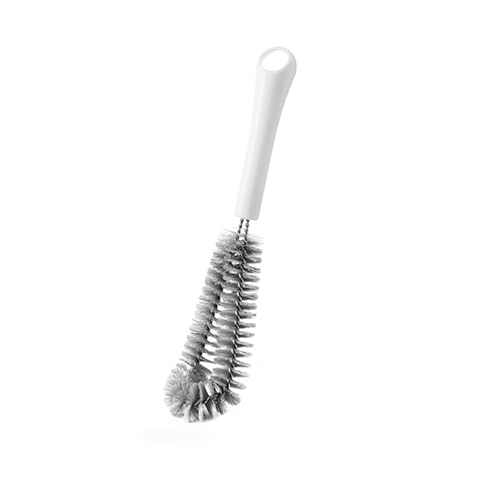
Specialized Design: Unique brush crafted exclusively for Chemex coffeemakers, with a distinct X-shaped bristle pattern ideal for cleaning their signature glassware.

Eco-Friendly & Sustainable – Crafted from 100% natural bamboo and durable plant-based bristles, this bamboo brush is the perfect plastic-free cleaning brush for a zero-waste, eco-conscious kitchen.
Deep‑Clean Filter Basket & Gasket for Oil‑Free Coffee
You’re probably wondering why the filter basket and gasket need extra love after a quick rinse. You’ve noticed oil choice can affect extraction and you want oil‑free flavor, so let’s dig in.
How do I disassemble and inspect?
Remove the basket from the lower chamber, then pull out the gasket with the plate. Look for dark residue, cracked rubber, or hardened oil in the holes.
What’s the best cleaning method?
Rinse under warm water, then scrub gently with a soft nylon brush. If oil builds up, soak the basket for ten minutes in warm water plus a drop of mild dish soap—no steel wool. For the gasket, a quick rinse and a brief isopropyl alcohol dip works, then air‑dry completely. Use a flat‑end spoon wrapped in a paper towel to reach hidden ledges below the upper chamber rim for thorough cleaning.
When should I replace parts?
Swap the gasket if it cracks, hardens, or loses compression. Keep both parts dry before reassembly to preserve oil‑free flavor.
*Takeaway:* Regular deep‑cleaning removes lingering oil, ensuring clean extraction and better taste. Ready for the next step? Let’s tackle scaling.
A proper grind size is crucial for achieving the right pressure in a Moka pot extraction. The brewing process typically takes 4–6 minutes from start‑up to the coffee beginning to flow. Water temperature also influences how quickly pressure builds during brewing.

Specially Designed for Chemex: You will receive 1 coffee maker brush, engineered to perfectly clean pour-over coffeemakers by reaching all contours of the signature glass carafe for thorough stain removal. Please note that our product isn't sponsored or endorsed by the brand it fits, including Chemex.
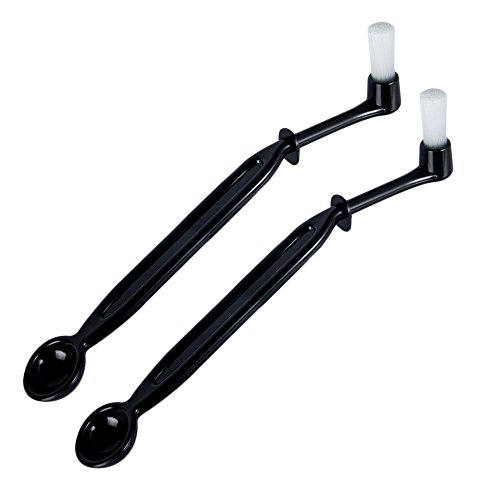
Perfect cleaner and clean your group head on your espresso machine
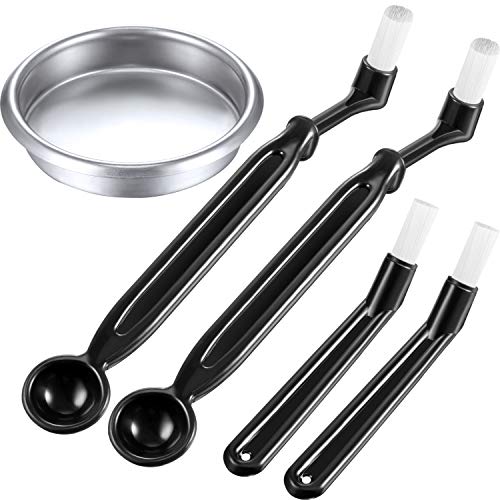
Function: the sturdy stiff thick nylon bristles brush can clean what coffee remains and your coffee grinder burr blades easily, fit for coffee grinder, espresso machine, milk frothers, bean grain and coffee maker
Descale Your Moka Pot With Vinegar or Citric Acid
If you’re seeing slower brews or a metallic aftertaste, the culprit is probably mineral scale building up inside your Moka pot.
How do I choose between vinegar and citric acid?
You can use a 1:1 mix of distilled white vinegar and water, or a milder 2‑to‑1 water‑to‑vinegar ratio if you worry about vinegar safety. Citric‑acid efficiency shines when you prefer a low‑odor option; dissolve 1 tablespoon of citric acid in 250 ml of warm water.
What’s the actual descaling process?
Fill the lower chamber with your chosen solution, re‑assemble, and run a brew‑through cycle as if you were making coffee. Let the solution sit for 15 minutes before heating to loosen stubborn deposits.
How do I finish up?
Rinse the pot three times with clean water, shaking out any residue. Dry thoroughly, then store loosely.
Takeaway: Both methods dissolve calcium carbonate; pick vinegar for cost‑effectiveness or citric acid for scent‑free cleaning. Ready for the next step? Try a quick visual check of the safety valve before you brew again.
Regular descaling also helps maintain optimal pressure and extends the machine’s lifespan, as highlighted in the Nespresso descaling guide.
Even heat distribution is key to preventing scorching when using a Moka pot on an electric stovetop.Daily cleaning of the portafilter and group head removes coffee oils that can accelerate scaling.

THE BEST CITRIC ACID: We take pride in providing you with the absolute best citric acid, delivering a product that surpasses all expectations and enhances every culinary creation.

THE BEST CITRIC ACID: We take pride in providing you with the absolute best citric acid, delivering a product that surpasses all expectations and enhances every culinary creation.

POWERFUL CLEANING ACTION- This powerful cleaner effectively removes mineral deposits and scale build-up, restoring your ice maker to optimal efficiency.
Remove Stubborn Stains From Your Moka Pot With Baking Soda & Lemon
When stubborn brown build‑up clings to your moka pot, you’re probably wondering why water alone isn’t enough. The answer is simple: coffee oils and tannins need a gentle abrasive and an acid to lift them. Baking soda gives you an abrasve that won’t scratch aluminum or steel, while lemon provides the fizz that breaks down the film.
Here’s the trick: sprinkle a tablespoon of baking soda over the stained area, add a teaspoon of fresh lemon juice, and watch the lemon fizz. Let it bubble for 30 seconds, then scrub with a soft sponge or bottle brush. Rinse thoroughly with warm water.
Takeaway: the soda‑lemon combo tackles stubborn stains without harsh chemicals. Next, you’ll want to dry the pot correctly to keep rust and mold at bay.
Use a simple Brillo pad with a little soap for extra scrubbing power when needed.
regular cleaning after each brew helps maintain flavor and extends the press’s lifespan.
A proper moka pot brew requires consistent water temperature to avoid over‑extraction.
paper filter in a Chemex creates a cleaner cup by removing fine particles.

Mrs. Meyer's Baking Soda Cream Cleaner removes soap scum and grease build-up to make your kitchen sparkle
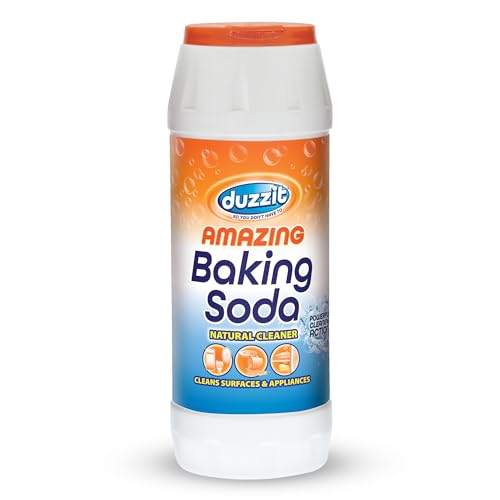
duzzit - amazing baking soda multi purpose household cleaner - 500g
Dry Your Moka Pot Properly to Prevent Rust & Mold
Even after a perfect brew, the lingering moisture can turn your moka pot into a rust‑and‑mold magnet. You’re probably wondering why a quick towel wipe isn’t enough. The answer is simple: trapped water in seams and the rubber gasket creates a perfect breeding ground for corrosion and spores.
Here’s the thing: disassemble every part right after rinsing, then dry each piece with a clean kitchen towel. Separate the top and bottom chambers, and leave the gasket and filter plate out in a well‑ventilated area. This vent storage lets air circulate and speeds evaporation, which is essential for mold‑prevention. Nitrogen infusion can also help reduce moisture retention when using a pressurized system for coffee. Air injection further accelerates drying by promoting airflow through the components.
All right, after everything feels bone‑dry, reassemble only when no moisture remains. Store the pot in a spot with good storage ventilation—avoid sealed cabinets that trap humidity. Obviously, a dry, airy environment keeps rust at bay and preserves flavor.
Takeaway: Dry each component promptly, keep parts separated, and choose a ventilated storage spot. Next, think about how often you’ll need a deep clean versus a routine rinse. Using a fine grind helps prevent over‑extraction and reduces residual moisture.
Schedule Routine vs. Deep Cleanings for Your Moka Pot
You’re probably wondering whether you need a quick rinse after every brew or a more thorough intensive examination every now and then. The answer lies in a seasonal schedule that balances daily rinses with periodic intensive examinations. After each pot, rinse all removable parts with hot water—no soap, so you preserve the coffee oils that season the metal.
Now, check the filter plate and gasket weekly for oil buildup or clogged holes. If you see stale, bitter residue, plan a comprehensive cleaning: soak disassembled parts in a vinegar‑water mix, scrub gently, then rinse thoroughly.
All right, remember that routine care takes minutes, while comprehensive cleaning takes an hour or two. The takeaway: rinse daily, inspect weekly, comprehensive cleaning monthly or when oil buildup hurts flavor. Ready for the next step? Consider how often you’ll need to descale based on your water hardness. Regular descaling helps prevent mineral buildup and maintain optimal brew quality. Rinsing the machine with fresh lukewarm water before a brew cycle can also remove residual coffee and improve flavor consistency. The pressure valve ensures safety by releasing excess steam if pressure becomes too high.
When Should You Swap Out Gaskets, Filters & Other Parts?
If you’re wondering how often to replace the gasket, filter, and other bits, you’ve hit the right spot.
When should you swap the gasket?
Gasket lifespan varies. Bialetti suggests a year, but heavy daily use can shrink that to three months. Most households find a 6‑9‑month window works well. Replace it sooner if you see cracks, hardening, steam leaks, or sputtering pressure. The pressure‑stable design of Nespresso machines highlights the importance of a well‑maintained gasket for consistent extraction.
How long does the filter last?
Filter durability is impressive; the metal plate can stay intact for years if you keep it clean. Only replace it when corrosion, warping, or damage appears.
What about safety valves, handles, and threads?
Check the safety valve for blockage each month, and swap any cracked handles or worn threads immediately.
Takeaway: Replace the gasket every 6‑9 months (or sooner if worn), keep the filter as long as it stays rust‑free, and stay on top of other parts to avoid leaks. Now, check your pot for those signs and decide what needs swapping.
A careful inspection can also reveal internal wear that may affect brewing performance.


