
You’re probably wondering why your moka pot sometimes takes a minute and other times three; the answer is that brew time hinges on size, material, grind, and heat. A 2‑cup aluminum pot finishes in 1–2 minutes, a 4‑cup stainless‑steel version needs about 2 minutes 30 seconds to 3 minutes, and a 6‑cup aluminum unit runs roughly 5 minutes 30 seconds, stretching to 9–10 minutes on low heat. Adjust these variables and you’ll hit the sweet spot of 3–6 minutes for balanced flavor, and the next section shows how to fine‑tune each factor.
How Long Does a Moka Pot Take to Brew Coffee?
If you’re wondering exactly how long a moka pot takes to brew coffee, you’ve hit the right spot. You’ll find most 4‑cup stainless steel brewers finish in about 2 min 30 sec to 3 min, while a 6‑cup aluminum model usually hits 5 min 30 sec. Smaller 2‑cup pots can be done in 1–2 min, and larger 6‑cup units may stretch to 9–10 min on low heat.
How does grind consistency affect timing? Here’s the thing: a uniform medium grind lets water flow steadily, giving you a typical 3‑6 min brew. If your grind is too fine, the flow slows, pushing the brew toward 5‑10 min and risking bitterness. Conversely, a coarse grind rushes the extraction, shortening the time but weakening brew strength.
What should you listen for? Obviously, the moment the stream turns pale or sputters signals the end. Stop the pot immediately to preserve flavor.
Takeaway: Match pot size, heat, and grind consistency to target a 3‑6 minute brew for balanced strength. Next, ask yourself how heat level will tweak that timing.
The water chamber should be filled just below the safety valve to ensure proper pressure buildup.
A well‑sealed gasket helps maintain the correct pressure for consistent extraction.
How Does Heat Level Influence Moka Pot Extraction Speed?
You’re probably wondering why the same pot can finish in two minutes on one stove and five on another. The answer lies in the heat profile you set with your burner. Low heat lets the water warm slowly, so pressure builds gradually and extraction speed drops, giving you a steadier flow and a longer brew timing. Medium‑low heat is the sweet spot; it balances pressure and flavor without scorching. High heat, on the other hand, forces steam through the grounds fast, cutting brew timing below three minutes and risking thin, harsh coffee.
Take, of burner settings like a car’s accelerator. Press gently, and the pot climbs hills smoothly; slam it, and you zip past, losing control. When the stream turns pale, pull the pot off the heat to stop over‑extraction.
Higher water temperature increases pressure and pushes more water through the basket, raising yield and speeding up extraction.
A regular rinse of the funnel after each brew helps prevent buildup that can affect pressure. Takeaway: Adjust the burner to a medium‑low heat profile for consistent extraction speed and optimal brew timing. Next, consider how pot size and material affect those numbers.
Choosing the right grind size is essential for achieving optimal extraction and flavor balance. The gasket must be kept supple to maintain a proper seal and prevent steam leaks.

𝐖𝐢𝐝𝐞 𝐔𝐬𝐚𝐠𝐞: LPG propane gas flame safety control valve kit is suitable for low pressure natural gas, LP gas, and LPG-air mixtures, pressure is...
Brew Times by Pot Size & Material (Aluminum vs. Stainless)
Why does a 4‑cup stainless pot finish in three minutes while a 6‑cup aluminum takes five and a half? You’re wondering how material choices and size affect brew time, and the answer lies in pressure buildup, heat conductivity, and extraction speed.
How does pot size change the clock?
A smaller 2‑cup brewer reaches the gurgle stage in about two minutes because the water column is short and pressure builds quickly. A 6‑cup aluminum pot needs roughly five minutes and thirty seconds; the larger water volume travels farther, slowing pressure buildup and extraction.
Why does stainless vs. aluminum matter?
Stainless steel conducts heat slower than aluminum, but its tighter walls create a steadier pressure rise, letting a 4‑cup stainless pot finish in 2:30–3:00 minutes. Aluminum’s higher conductivity heats faster, yet the larger 6‑cup size dilutes that advantage, extending brew time.
Takeaway
Size and material together dictate how fast you’ll get coffee. Choose a smaller pot for speed, or a larger aluminum one if you prefer a slower, fuller extraction. Next, explore how water temperature influences the total brew time. Ground coffee amount per pot is crucial for consistent extraction. The 19‑bar pressure generated by the pump ensures a rapid, even extraction. Proper safety precautions should be observed when handling hot water and steam to avoid burns.

Venus is the perfect combination of tradition and innovation: the original induction coffee maker that prepares a perfect coffee, with a Made in Italy taste from a pot with a unique design.

Venus is the perfect combination of tradition and innovation: the original induction coffee maker that prepares a perfect coffee, with a Made in Italy taste from a pot with a unique design.

Capacity: Standard espresso coffee cup is 50 ml. 2 Cup/3.3 oz/100 ml;4 Cup/6.6 oz/200 ml;6 Cup/10 oz/300 ml; 9 Cup/15 oz/450 ml; 12 Cup/20 oz/600 ml. Mocha Coffee Maker with strong aroma can make delicious espresso for you in 5 minutes, you will be impressed by its rich flavor and aroma immediately. TIP: It is recommended to buy a larger capacity coffee pot to reduce your exchange troubles
Hot vs. Cold Water: Effect on Total Moka Pot Brew Time
What actually changes when you start a Moka pot with hot versus cold water? You’ll notice brew speed jumps because preheated water reaches brewing pressure sooner. Hot water, around 70 °C, can cut total brew time to 4–5 minutes, sometimes even 1–3 minutes on a high flame. Cold water must first climb from room temperature, delaying the first flow and extending the heating phase, which often pushes the cycle past five minutes and risks over‑cooking the grounds.
Starting water vs. cold water also shapes flavor. The hotter start extracts soluble compounds quickly, preserving sweetness and aroma, while a cold start creates a slower, more gradual extraction that can taste smoother but may become bitter if you leave it on heat too long.
Takeaway: Use hot water for a fast, predictable brew and cleaner flavor; switch to cold water only if you enjoy a milder cup and don’t mind the extra minutes. Next, ask yourself: how will you control the flame once the coffee starts to flow? Pressure differential is the key factor that determines how quickly the water turns to steam and forces coffee through the filter. The coarse grind of the beans helps prevent over‑extraction during the rapid pressure buildup. Proper tamping pressure can further stabilize extraction even with less optimal grind sizes.
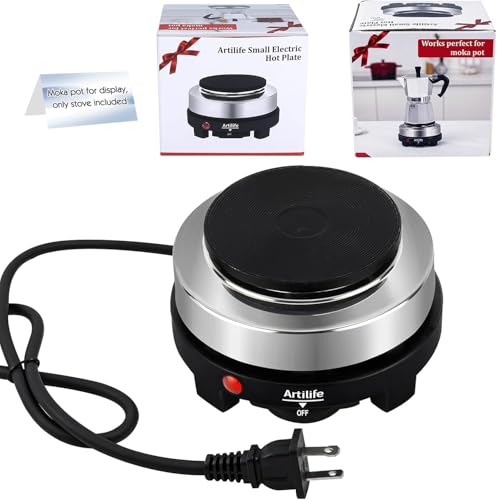
【USE MATTERS】1.Smell of plastic when you first use it,the very first time you turn it on,do it outside with a pot of water,and run at MAX heat level 5 for 15 mins outdoors to get rid of the smell. Plus if you let it run without water,the stainless steel part will be brown easily. 2 The burner transfers heat to the pot by heating itself,do not touch the stove body during use.3. When the electric stove is not in use,be sure to turn the switch to the "off" position and unplug the plug.

First Use Notice: For first use, please ensure proper ventilation. The protective coating on the plate surface may melt during initial heating, producing noticeable smoke and odor—this is normal. The smell and smoke will disappear after the second use.

🔥【PERFECT FOR MOKA POT & COFFEE】 Designed for coffee lovers, this mini hot plate features a compact 4.7-inch heating surface that fits Moka Pots, espresso makers, teapots, and small coffee pots. The focused heating area provides steady, even heat for convenient everyday coffee and tea brewing.
When Should You Stop the Brew Based on the Gurgling Cue?
When should you pull the pot as soon the gurgle starts? You’re probably wondering why that hiss matters. Here’s the thing: the gurgle timing tells you steam is flooding the upper chamber, not just coffee. As soon as you hear the first strong gurgle, treat it as a steam cue and lift the pot off the burner.
Why act now? The liquid flow has already peaked, and the stream will start blonding—turning pale like yellow honey. Continuing heat lets superheated steam over‑extract, adding bitter, burnt notes.
What to do next? Close the lid, pour the coffee into a cup or thermal carafe, and let the residual bubbling finish on its own.
Takeaway: Listen for the first solid gurgle, then remove the pot to lock in flavor and avoid over‑extraction. Next, ask yourself how long your brew usually takes and adjust heat for a smoother start. The French press method similarly relies on timing to prevent over‑extraction. This is similar to how café crema offers a richer flavor profile when brewed at the right pressure.
Top 5 Mistakes That Over‑ or Under‑Extract Your Moka Coffee
Ever wonder why your Moka pot sometimes delivers bitter sludge and other times watery fluff? You’re probably over‑thinking the grind, the seal, and the heat. Here’s the thing: a too‑fine grind blocks the filter, slows flow, and pulls harsh compounds, while a coarse grind lets water rush through, leaving a thin brew. Keep grind consistency like you would for an Aeropress—slightly coarser than espresso—and you’ll avoid both extremes.
Now, the seal tamp myth: you don’t want a dense puck. Lightly level the grounds, don’t compress, and keep the basket just below the valve. Over‑filling raises pressure and extracts bitterness; under‑filling yields weak coffee. The takeaway: treat the basket like a gentle carpet, not a brick wall.
All right, temperature and heat matter too. Start with pre‑heated water, not cold, and use medium‑low flame. High heat forces coffee up fast, causing agitation and bitterness; too low heat drags the brew, under‑extracting flavor. The key is a steady rise, not an explosive spout.
Finally, stop the brew promptly. Leaving the pot on heat after the gurgle pushes extra compounds into the cup, making it harsh. Remove the pot as soon as you hear the steady hiss. The takeaway: timing is your ally, not your enemy.
Next, ask yourself: are you ready to fine‑tune the brew duration for consistent results? Using a heat‑diffusing pad can help maintain even temperature on electric stovetops. Proper water‑to‑coffee ratio ensures optimal extraction and crema formation.

LIMITED EDITION: Bialetti Art Deco themed Moka Express featuring 2 Mugs

Moka pot exclusive accessories: Please Note Large Size Inner Diameter 6cm,suit for double valve 4 espresso cup or single valve 6 espresso cup moka pot,uniform powder dispenser, when you fill the powder into the powder tank is not easy to leak, so you make more smooth

Adjustable Grind Setting: Our hand coffee grinder features a precision adjustable grinding system, allowing you to effortlessly control the grind range from ultra-fine to coarse. Using an intuitive adjustment knob (turn clockwise for finer, counterclockwise for coarser), you can precisely match the standards required for different brewing methods: ultra-fine grounds for espresso and moka pots, medium-fine for pour-over and drip brewing, and coarse particles ideal for French presses and cold brew
Tips to Consistently Hit the Ideal Brew Duration
If you’re stuck wondering why your moka pot sometimes takes ten minutes and other times only three, you’ve nailed the right question.
How does pre‑heated water help you?
Hot water from a kettle gets the lower chamber to brewing temperature faster, shaving minutes off the usual 5‑10 range. Fill the base just below the safety valve with freshly boiled water, and you’ll see the brew strength settle quickly while pressure control stays stable.
What heat level should you use?
Medium heat works for most pots, but low‑to‑medium protects stainless steel and small units from an aggressive flow. A 4‑cup steel brewer finishes around 2½‑3 minutes; a 6‑cup aluminum one hits about 5½ minutes. Adjust heat in real time by watching the first stream—slow it down if it sputters, or nudge it up if it stalls. Using a consistent grind size ensures even extraction and reduces brewing time variability.
When do you stop the brew?
Listen for the first hissing or gurgling sound; that signals the coffee is ready and pressure control is peaking. Remove the pot, rinse the base under cool water, and serve immediately to lock in optimal brew strength.
Takeaway: Pre‑heat water, match heat to pot material, and watch the flow to consistently hit your ideal brew duration. Ready to test these steps on your next pot? A proper coffee‑to‑water ratio ensures consistent extraction and flavor balance. Adding a quick visual check of the filter alignment before brewing can prevent uneven extraction.

CRAFT COFFEE AT HOME: Produces six demitasse/espresso servings of rich, smooth espresso coffee in minutes. Craft your own espresso, Americano, Cuban coffee, Italian-style coffee, Moka, lattes, cappuccinos and more from the convenience of your home.Filter type:Reusable
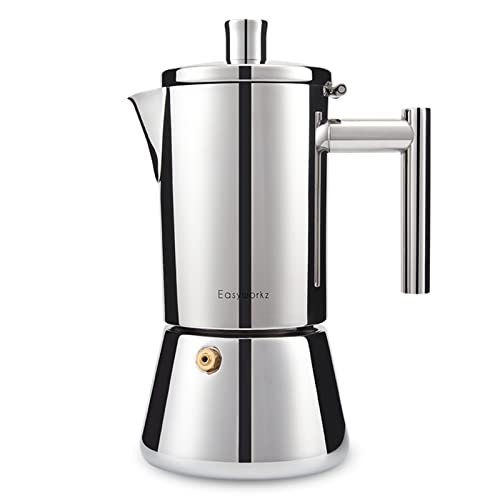
[Elegant and Heat Resistant Design] Used the latest manufacturing technology and combined aesthetics to design this elegant espresso coffee pot. The heat resistant hollow insulated lid and handle grip make it convenient to use. Base is heavy gauge Magnetic stainless steel,ensuring its long life time at high temperatured heat resource.

MEDIUM CAPACITY: This stovetop espresso maker features a generous six cup capacity, making it ideal for brewing rich Italian espresso for multiple servings at home, in the office, or during gatherings with friends and family using your stovetop
Quick Recap: Ideal Moka Pot Brew Time & How to Nail It
Quick recap: How long should a Moka pot really take? You’re probably wondering why the timer jumps from 3 minutes to 7 minutes across guides. Here’s the thing: aim for a 3‑6 minute window, depending on pot size and material. A 4‑cup stainless steel brewer hits about 2:30‑3:00, while a 6‑cup aluminium one needs roughly 5:30.
What controls that timing? Grind ratio and steam pressure timing. Use a medium‑fine grind and fill the bottom chamber just below the safety valve—about 345 g of water. As steam builds, watch the coffee stream turn lighter; the first hissing or gurgling signals you to remove the pot.
Takeaway: set low heat, monitor steam pressure timing, and stop at the first clear gurgle. Next, test your grind ratio to fine‑tune the brew. The pressure differential generated by the moka pot’s design directly influences extraction speed and flavor intensity. The full‑immersion process of a French press similarly captures more oils, resulting in a richer body.