
You’re probably getting sour or bitter coffee because you’re guessing on three things: ratio, grind, and temperature. Use 40 grams of coffee to 600 milliliters of water, measured on a scale—not tablespoons. Grind coarse like sea salt, brew at 92–93°C for exactly 4 minutes, then plunge slowly over 15–30 seconds. Preheat your French press first, stir gently at the 1-minute mark, and serve immediately. Those three variables control everything. Small adjustments release dramatically better cups.
Start With the Right Coffee-To-Water Ratio
All right, let’s get specific. Use a scale and aim for 40 grams coffee to 600 milliliters water. Weight beats tablespoons every time—you’ll actually repeat your results.
From here, you adjust. Prefer stronger? Add 10% more coffee. Want lighter? Add water instead.
Next step: Grab your scale and measure your beans tomorrow morning.
A proper grind size ensures even extraction and helps avoid over‑extraction. Cold brew is a popular method that also uses a coarse grind and a similar coffee‑to‑water ratio for a smooth, low‑acid concentrate.
A consistent brew temperature around 93°C is crucial for optimal flavor extraction.

【Ultra Small, Yet Professional】The Espresso Scale is small enough to fit in your palm. It measures 4.13*4.13*0.78 inches and weighs just 0.75 pounds. The coffee scale can work on most espresso machines and small pour-over coffee stands. It's easy to store and carry around, making it perfect for coffee lovers who like outdoor coffee.

SPACIOUS PLATFORM FOR EASY BREWING: This coffee scale features a 5.2 × 5.0 in platform and an overall size of 7.2 × 5.2 × 1.2 in, providing enough space for espresso accessories and cups

Barista-Level Precision: A 0.1g high-precision sensor with a rapid refresh rate responds instantly to changes in weight, helping you achieve consistent results across espresso, pour over, drip coffee, Chemex, V60, and filter coffee brewing.
Choose the Right Grind for French Press Coffee
You’ve nailed your coffee-to-water ratio—now grind size makes or breaks everything. French press demands coarse grounds—think sea salt or small breadcrumbs, around 690–1300 microns. This matches your immersion brewing style perfectly.
Here’s the thing: grind consistency matters as much as size. Uneven particles create mixed extraction—some over‑brewed, some weak. Use a burr grinder, not a blade grinder, for uniform grounds. Measure 20 g of coffee grounds to maintain consistency across each brew.
Now, why coarse specifically? Finer grinds extract faster and slip through your mesh filter, creating muddy sediment and bitter flavors. You’ll also feel strong plunger resistance with fine grounds.
Dial in by taste. Sour coffee signals grind too coarse. Bitter coffee means it’s too fine. Adjust incrementally until your cup tastes balanced and your plunger moves smoothly. A standard coffee scoop holds about 7–8 grams of ground coffee, which helps you achieve precise dosing. Proper particle size ensures optimal extraction and prevents equipment wear. The mesh plunger creates a consistent barrier that separates liquid from grounds during steeping.
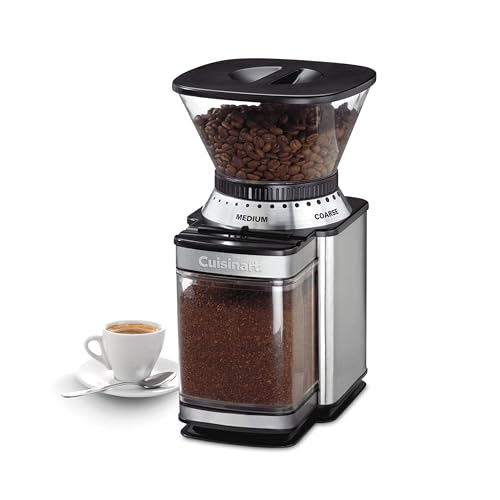
ENJOY OPTIMUM FLAVOR: The Cuisinart Coffee Grinder with 18-position slide-dial grind selector provides a uniform grind from ultra-fine to extra-coarse to ensure your fresh coffee beans are ground exactly the way you prefer.
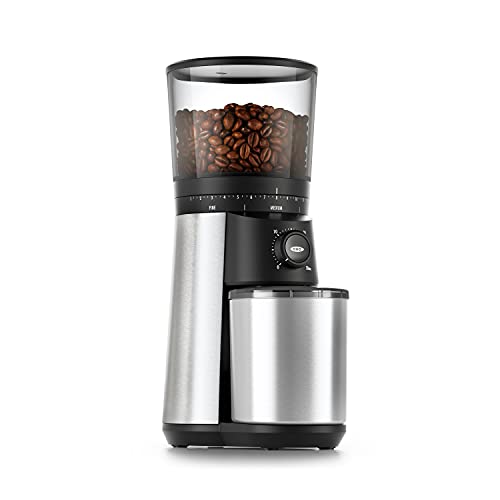
40mm stainless steel conical burrs: Precision grinding system produces uniform coffee grounds to ensure even extraction for rich, balanced flavor in every cup.

[Consistent Flavor Extraction]: Choose the coarseness you need from the 28 settings on the Lonkion burr coffee grinder. The flat metal burr grinding head ensures an even and consistent grind. Whether you need a fine grind for espresso or a coarser grind for French press coffee, you can adjust the grind size for any coffee type.
Use Filtered Water Just Off the Boil
Temperature matters more than you might think—it’s the invisible force that controls how fast your coffee extracts and whether you end up with something balanced or bitter.
You’ve probably boiled water before without thinking twice. But pouring it straight from a rolling boil actually scalds your grounds, pulling out harsh, over-extracted flavors. Instead, let boiled water rest about 30–60 seconds. This drops it to around 92–93°C, the sweet spot for French press.
Why this range? Water too cool produces weak, sour coffee. Water too hot increases bitterness. You need that mineral balance—filtered water removes off‑flavors from chlorine while retaining enough minerals for proper extraction.
Here’s your move: boil filtered water, wait until bubbling stops, then brew. Consistency follows when you respect temperature. Ready to dial in your grind size next? Using a French press can also create a velvety foam without extra equipment. The optimal coffee‑to‑water ratio of 1:15 ensures a balanced extraction. For a smoother, richer brew, consider a cold brew concentrate as a base for iced coffee.
Preheat Your French Press for Better Extraction
While you’ve nailed your water temperature, you’re actually losing half the battle if your French press sits cold on the counter. Cold equipment heat drains your brewing water fast, pulling temperatures below that sweet 92–96°C zone where extraction really happens.
Now, here’s the thing: preheating takes ninety seconds, max. Fill your empty press with hot water, swirl it around, let it sit for 20 to 60 seconds, then dump it completely. You’re warming the carafe evenly while preserving temperature retention throughout brewing.
Why does this matter? Cold glass or metal contacts your hot water and immediately cools it down. That thermal shock slows extraction, leaving you with weak, sour coffee. A preheated press keeps everything stable from start to finish, giving you sweeter, more balanced results every single time. Regularly cleaning the press prevents flavor buildup and extends its lifespan.
Choosing the right grind size further enhances extraction consistency.
The coarse grind used in a French press allows for optimal extraction time without over‑extraction.
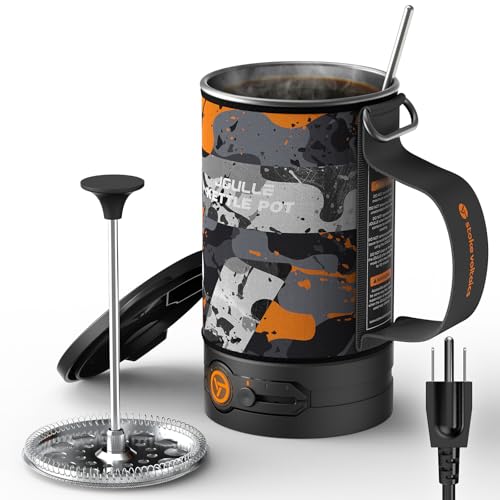
Innovative 2-in-1 Design: A portable coffee maker and electric kettle in one. Boil, steep, and press in the same vessel—no extra tools required. Perfect electric french press coffee maker for home, travel, camping, or office use.

Iconic French press coffee maker that brings out the full flavor and aroma of your brew.

Innovative 2-in-1 Design: A portable coffee maker and electric kettle in one. Boil, steep, and press in the same vessel—no extra tools required. Perfect electric french press coffee maker for home, travel, camping, or office use.
Brew for 4 Minutes With a Gentle Stir
Now that you’ve nailed your water temperature and preheated your press, the actual brewing window is where everything comes together—and it’s simpler than you’d think. Four minutes is your baseline. This timing lets soluble compounds extract gradually, building body and flavor without pushing into over-extraction territory.
Here’s the thing: stir timing matters more than you’d expect. After adding water, give the grounds a gentle stir at the one-minute mark to break up dry pockets. This guarantees extraction balance across all your coffee.
Use a spoon or chopstick and keep it light. You’re not mixing paint—just encouraging even saturation. Avoid aggressive stirring, which kicks up sediment and muddles your cup.
When four minutes hits, plunge immediately. That extraction balance you worked for disappears fast if you wait.
A proper coarse grind ensures the grounds stay out of the filter and prevents over‑extraction.
measuring the coffee‑to‑water ratio helps maintain consistency across brews.
Plunge Slowly to Keep Sediment Out of Your Cup
You’ve got your timing down—now comes the part that actually separates a clean cup from a gritty one.
Why Plunger Timing Matters
Here’s the thing: your plunge speed controls sediment filtration more than anything else. Push fast, and you’ll stir up settled grounds. Push slow, and those fines stay put.
The Right Pace
Take 15–30 seconds for a full plunge. Press steadily without force. Even pressure beats sudden pushes every time. If your plunger drops too quickly, your grind’s probably too coarse. If it feels stuck, you’ve ground too fine—which actually increases sludge.
What You’re Really Doing
Gentle downward pressure keeps fines at the carafe bottom. This isn’t about flavor magic. It’s about texture. A slow plunge gives you that clean, smooth mouthfeel instead of gritty sediment coating your teeth. Espresso extraction is a contrast, using high pressure to pull flavors quickly. Adjusting steep time by one‑minute increments lets you fine‑tune body and bitterness.
Serve Immediately to Prevent Over-Extraction
The plunge is done—but your coffee’s still brewing. You’ve probably noticed that French press sitting on the counter tastes harsher an hour later, right? That’s because grounds remain in contact with liquid even after plunging, continuing extraction over time.
Now, here’s the thing: every minute counts. Your brew reaches peak flavor the moment you finish pressing. Delayed pouring lets bitter compounds intensify, flattening the balance you worked to preserve.
Transfer your entire brew into a separate vessel immediately—a mug, carafe, or thermos works perfectly. This simple step separates liquid from grounds, stopping extraction cold. You’ll taste the difference instantly: cleaner, sweeter, more balanced.
The takeaway? Move fast after plunging. Your perfectly brewed cup won’t stay perfect sitting in that press.
full‑bodied cup in less time than a French press.
Customize Your French Press Coffee: Ratio, Grind, and Time
Once you’ve mastered the basic brewing technique, you’ll realize that ratio, grind size, and timing are where you actually customize your cup—and honestly, small adjustments here create wildly different results.
Start with the 1:16 ratio (62.5 g coffee per liter water) as your baseline. This sweet spot delivers balanced brew strength without overwhelming bitterness. Want something bolder? Shift to 1:15. Prefer lighter? Try 1:17.
Now, grind size matters enormously. You need coarse grounds resembling breadcrumbs—finer particles extract too fast, turning your coffee harsh. Consistent grinding guarantees even extraction and better aroma.
Timing ties everything together. Brew for 4 minutes at 195–205°F. Longer steeps amplify strength and body. Shorter times yield brighter, cleaner cups.
Adjust one variable at a time. Change ratio and grind simultaneously, you’ll never know what actually improved your coffee.
A proper pour technique is essential for even extraction, see Chemex guide for detailed instructions.

One 10 oz bag of Gevalia Guatemalan Single Origin Special Reserve Coarse Ground Coffee
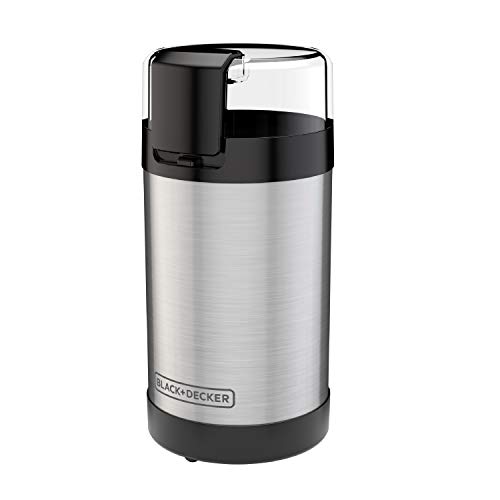
STAINLESS STEEL BLADES AND BOWL - The sharp blades and durable grinding bowl are built to last, delivering uniform grinds with every use

EASILY SELECT GRIND SIZE AND CUPS OF BREWED COFFEE: Whether you need a fine grind size for espresso or a coarse grind for French press, we've got you covered. Just turn the grinder's adjustable selection ring. Grinds enough to brew 4-14 cups.
Five Brewing Mistakes to Avoid
Even with perfect ratios and timing dialed in, most people still mess up their French press in ways they don’t realize—and it’s usually during the setup or the final pour.
You’re probably skipping preheating your carafe. Cold glass pulls heat from your brew and tanks extraction, especially with lighter roasts where thermal consistency matters. Pour boiling water through first.
Your water temperature’s likely off too. You need 195°F to 205°F—darker roasts closer to 195°F, lighter ones toward 205°F. No thermometer? Let boiling water sit 30 seconds.
Here’s the thing: you’re probably using pre-ground coffee that’s too fine. French press demands coarse grinds like sea salt. Burr grinders beat blade grinders for consistency.
Finally, you’re not measuring precisely or you’re leaving coffee sitting after pressing. Use a scale, time everything at four minutes, and pour immediately. Brewing equipment maintenance and coffee bean origin matter less when technique fails.

Slim, powerful grinder with precise settings from fine to coarse, with 15 settings and 29 micro-adjustments
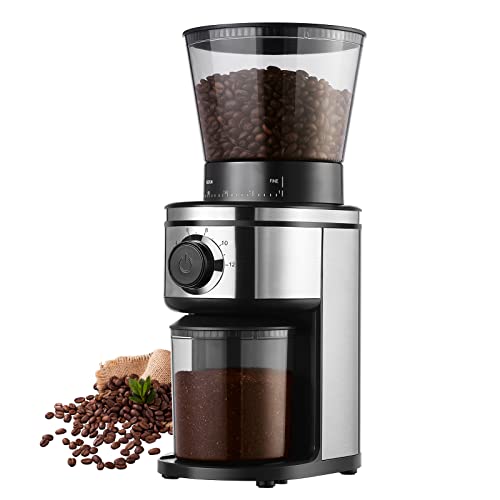
【Durable Conical Burr】With 40-millimeter stainless steel conical burrs, OLLYGRIN burr coffee grinder ensure optimal flavor extraction and create uniform grounds.

12 CUSTOM SETTINGS: The adjustable coffee grinder allows you to choose from coarse to fine for brewing styles like drip coffee, French press, and cold brew. For best results with espresso, use the two finest settings and freshly roasted beans