
You’re probably wondering why your moka pot sometimes gives weak or burnt coffee instead of a true espresso‑style shot. First, pick a 2‑cup pot and use about 11 g of a medium‑fine grind (table‑salt texture); fill the lower chamber with hot water just below the safety valve, then assemble without tamping. Heat on low‑to‑medium flame, listening for a steady hissing and a dark‑to‑honey color shift—stop when the stream thins and sputters. Now you’ll get a rich, balanced shot, and the next steps will show you how to fine‑tune grind, dose, and temperature for consistency.
Pick the Right Moka‑Pot Size for Espresso‑Style Coffee
Which Moka‑Pot size gives you a true espresso‑style shot? You’re probably wondering why the numbers matter. Here’s the thing: espresso size links directly to brew capacity, and the right dose ratio keeps the brew grind balanced.
A 2‑cup pot yields about 80‑120 ml, perfect for a single strong shot. It uses roughly 11‑12 g of coffee, giving a 1:7 coffee‑to‑water ratio that mirrors a true espresso grind. A 3‑cup pot pushes output to 120‑180 ml, letting you split one strong cup into two smaller espresso‑size servings with 17‑18 g of grounds. The extra capacity improves flow and extraction, so you avoid under‑or over‑filling.
Takeaway: choose a 2‑cup pot for solo espresso‑style coffee, or a 3‑cup pot for two servings without compromising flavor. Next, you’ll want to prep water and coffee grounds for perfect Moka‑Pot espresso. TheMallow coffee bed] leads to fast water flow and weak extraction. The pressure‑driven extraction in a Moka Pot creates a richer, more concentrated flavor compared to the French Press’s steeping method. The brewing process typically takes 4‑6 minutes from start‑up to the moment the coffee begins to flow. The stovetop heating method ensures consistent temperature control throughout the brew.

Thick Crema for a Rich Espresso: Bialetti Brikka is the only stovetop espresso maker delivering an intense and crema-rich coffee with an unmistakable flavor Easy Coffee...
Prepare Water & Coffee Grounds for Perfect Moka‑Pot Espresso
You’re probably wondering why the water temperature and fill level matter before you even touch the coffee grounds.
How hot should the water be and how much to you put in?
Boil water, then let it sit a moment before pouring it into the lower chamber. Fill just below the safety‑valve line—never over the valve. Hot water cuts Brew‑time timing and keeps the brew from tasting metallic. Regular descaling prevents mineral buildup that can alter water temperature.
What grind and dose work best?
Use a medium‑fine grind, about the texture of table salt. Fill the filter basket fully, level it lightly, and brush away any loose grounds on the rim. Aim for roughly 15 g of coffee for a 4‑cup pot, which matches the 1:10 coffee‑to‑water weight ratio.
Why does cleaning matter?
A quick Moka‑pot cleaning after each brew prevents old grounds from clogging the valve and guarantees consistent pressure, so your next extraction stays smooth.
Takeaway: Hot water, correct fill level, medium‑fine grind, and a clean pot give you reliable Brew‑time timing and flavor. Ready to assemble the pot without compromising the seal?
The pot’s pressure‑building mechanism ensures that steam forces water through the coffee grounds efficiently.
Evenly pre‑heated water helps achieve the proper pressure faster and reduces the risk of over‑extraction.
Assemble the Moka Pot Without Compromising the Seal
If you’re puzzled about why a perfect seal matters, you’re on the right track—without it the pressure drops and the brew sputters.
How do I check the seal gasket before assembly?
You start by disassembling the pot, then inspect the seal gasket for cracks, flattening or coffee stains. Clean the gasket and metal filter plate with warm water; avoid soap. Make sure the gasket sits evenly in its groove, not twisted or pinched.
What’s the correct part order?
Place the metal filter plate first, then seat the gasket around it. Seat the funnel basket fully before attaching the top chamber. Verify thread alignment between upper and lower chambers; clean threads to prevent residue from interfering with compression.
How tight should I screw it?
Turn the top chamber firmly enough for a tight seal, but stop before you feel resistance that indicates over‑tightening. Cross‑threading will damage the seal, so align threads carefully.
Takeaway: A clean, properly aligned seal gasket and threads give consistent pressure and prevent sputtering.
Next step: Test the pot on low heat and watch for any leaks—if you see sputtering, revisit pressure troubleshooting.
The water reservoir must be filled only to the level of the safety valve to avoid excess pressure.
A proper grind size ensures the water flows at the right rate for optimal extraction.
Regularly performing the weekly cleaning routine, including running a cleaning cycle with a detergent tablet, helps maintain the gasket’s integrity and overall brew quality.
For stubborn coffee residues, a gentle scrub with a baking soda paste can lift buildup without harming the metal.


Heat the Stovetop Right for a Clean Moka‑Pot Espresso
When you wonder why the stove’s heat matters, you’re actually on the right track—low‑to‑medium flame keeps pressure steady and prevents the coffee from scorching.
Which stove type works best?
Gas lets you fine‑tune a small flame, but keep it low so handles stay cool. Electric hobs need a brief preheat; the burner should sit warm before you place the pot. Induction behaves like low‑heat brewing when you use an adapter plate. In all cases, “low” is the safest baseline.
What’s the right preheat timing?
Fill the base with freshly boiled water, then preheat the stove for about 30 seconds. Hot water drops thermal shock, shortens exposure, and targets the 93 °C (200 °F) brewing zone.
Takeaway
Match a low, steady flame to your stove type and preheat briefly with hot water. This gives you a clean, balanced moka‑pot espresso every time. Next, watch the brewing cues to know when the espresso is ready.
Regularly descale your Moka pot’s metal components to prevent mineral buildup, just as you would with a Nespresso Vertuo machine. Adding a quick soft‑brush clean after each brew helps remove residual coffee oils and keeps the flavor fresh. daily maintenance also extends the lifespan of the pot.

𝐂𝐨𝐦𝐩𝐚𝐭𝐢𝐛𝐥𝐞 𝐰𝐢𝐭𝐡 𝐌𝐮𝐥𝐭𝐢𝐩𝐥𝐞 𝐒𝐭𝐨𝐯𝐞 𝐓𝐲𝐩𝐞𝐬: The Home-X stainless-steel heat diffuser is designed to evenly distribute heat on gas, electric and induction cooktops, preventing hot spots and ensuring consistent cooking results.
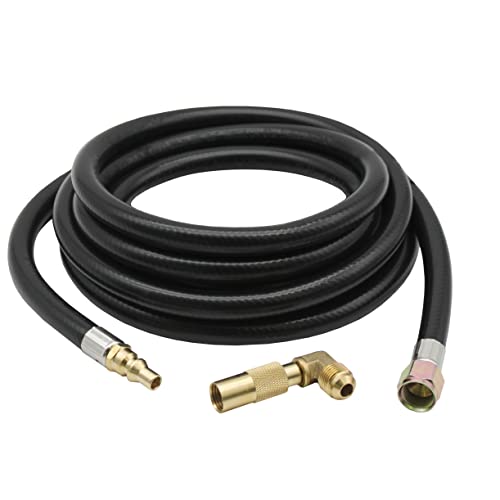
QUICK CONNECT ADAPTER: Connect 17" or 22" griddles to your RV's low-pressure propane system for convenient outdoor cooking.

High quality: High quality aluminum alloy and copper materials make the camping stove adapter corrosion-resistant, durable and long-lasting. It features a sturdy construction that can withstand the rigors of outdoor use.
Watch Brewing Cues to Know When the Espresso Is Ready
Now, you’re probably wondering how to tell exactly when the moka‑pot espresso is done without guessing.
What sound tells you it’s almost ready?
Steam pressure cues start with a steady hissing or gurgling as the coffee forces upward. When the hiss turns irregular, sputters, or bubbles, extraction is nearing the end.
How does the coffee’s color guide you?
Color monitoring shows a dark, concentrated stream at first. As the brew progresses, the stream lightens to a honey‑tone; that shift signals the final phase.
When should you stop the heat?
The moment the stream weakens, sputtering becomes sustained, and the sound changes, remove the pot. Quick cooling or turning off the burner locks in flavor and prevents bitterness.
Takeaway: Listen for steam pressure cues, watch the color change, and act the first sputter appears. Ready to fine‑tune grind and dose next?
Regular descaling protects flavor and maintains optimal pressure in the brew head.
A proper grind size ensures consistent extraction and reduces the risk of channeling.
Understanding pressure dynamics helps you achieve a balanced extraction with your moka pot.
Dial in Grind Size & Dose for Richer Moka‑Pot Flavor
How do I know the right grind and dose for a richer moka‑pot cup? You’re probably wondering why your brew sometimes tastes thin or bitter. The answer lies in two simple levers: grind consistency and dose precision.
What grind should I use?
Aim for a medium‑fine texture, like table salt or fine sand, roughly 360‑660 µm. A conical burr grinder gives uniform particles; short pulses keep the beans cool and prevent clumping. Shake the grounds, then feel for a gritty, not powdery, bite. Uniform particles let water flow evenly, avoiding both under‑extraction and clogging. Consistent particle size ensures optimal extraction across the brew. Flat vs conical burrs affect the distribution of particle sizes, influencing flavor clarity.
How much coffee do I need?
Fill the basket fully—about 15‑17 g for a 4‑cup pot, 20 g for a 6‑cup. Level gently, tap once, but don’t tamp. A full, evenly spread bed maintains a stable 1:7 water‑to‑coffee ratio, boosting body and flavor.
Takeaway
Grind consistency and dose precision together shape a richer moka‑pot cup. Adjust one at a time, taste, and repeat. Next, you’ll want to control water temperature for consistent espresso.
A burr grinder provides uniform particle size essential for consistent extraction.
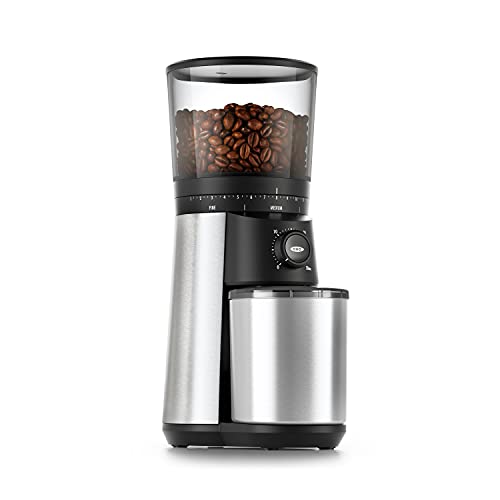
40mm stainless steel conical burrs: Precision grinding system produces uniform coffee grounds to ensure even extraction for rich, balanced flavor in every cup.

Supercharging Performance & Long-Lasting Battery – Equipped with a high-capacity 2000mAh battery that delivers 33% more runtime than the previous generation. The upgraded motor grinds coffee beans 1.8 times faster, ensuring rapid and efficient operation with every use
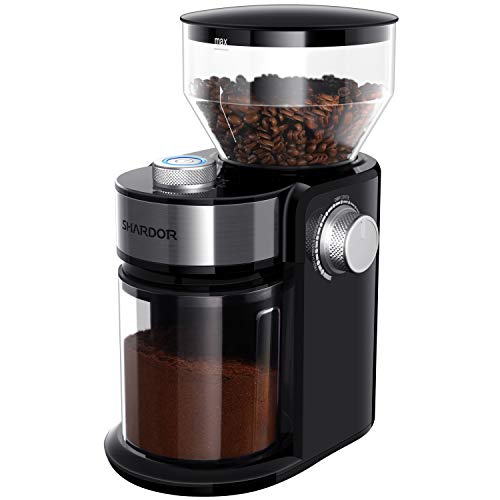
[ UNIFORM BURR GRINDING ] Premium metallic flat burr mill ensures consistent, uniform grounds without burning beans. Perfectly preserves rich coffee aroma for pour-over, drip, and cold brew.
Set Water Temperature & Pre‑Boil for Consistent Espresso
If you’re wondering why your moka pot sometimes brews a weak or bitter cup, the answer starts with water temperature and how you pre‑boil it.
What temperature should I use?
You want a Pre‑boil temp around 93–100 °C. Boiling water (≈100 °C) works well for lighter roasts; a touch cooler suits darker beans. Hot‑start brewing shortens the heating phase, limiting bitterness from prolonged heat exposure.
How much water do I fill?
Pour water up to the Safety valve, no higher. This level gives consistent headspace and pressure, preventing over‑extraction. Use a cloth or heat‑proof grip to avoid burns when handling the hot chamber.
What’s the next move?
After filling, assemble quickly, then place the pot on moderate stove. Reduce heat as soon as coffee starts flowing to keep pressure steady. The extraction rate is higher with hot water when using less water, so a 120 g charge at 85 °C can speed up the brew and increase yield. *Takeaway:* Pre‑boil to ~95 °C, fill to the Safety valve, and lower heat early for a balanced espresso. Next, check your grind and dose. Adding a cold brew step after steeping can further enhance smoothness. Consistent grind size is essential for preventing channeling and achieving balanced extraction.
Troubleshoot Common Moka‑Pot Espresso Problems
You’re probably wondering why your moka pot sometimes spits out bitter, sputtering coffee or just won’t fill the upper chamber.
Why does it taste burnt?
If you grind too fine or crank the heat high, you over‑extract and scorch the beans. Switch to a medium‑fine grind, like sand, not powder, and keep the burner on low‑to‑medium. Remove the pot as soon as the top chamber fills to stop the brew from cooking too long.
What causes sputtering and leaks?
Excess heat, a blocked filter plate, or coffee grounds on the rim break the seal and raise chak pressure, causing gurgles or sprays. Clean the screen, funnel, and threads after each use, and never overfill or tamp the basket.
Why doesn’t it rise?
A clogged filter, low heat, or a worn gasket can prevent pressure from building. Fill the bottom chamber just below the safety valve, tighten the threads, and replace the gasket every few months.
Takeaway: Adjust grind size, heat, and cleanliness to control pressure and flavor. If the gasket or valve fails repeatedly, consider a warranty claim.
Next, ask yourself: do you need to tweak the grind or replace a part?

⭐ PERFECT FIT FOR GROSCHE MILANO: Our Silicone Gasket and Filter Set is expertly designed to fit GROSCHE Milano Aluminium Stovetop Espresso Maker Moka Pots seamlessly. It's also compatible with various other brands—remember to CHECK THE SIZE CAREFULLY BEFORE PURCHASE to ensure a snug fit for your espresso maker.

Compatible with the following espresso makers: Moka Express, Dama, Fiammetta, Break, and Mini Express
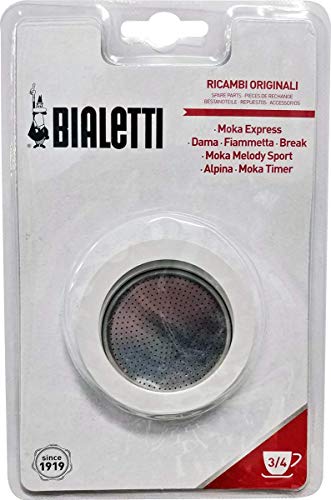
Made from white rubber and stainless steel Compatible with all Bialetti 3 cup stovetop coffee and espresso makers Includes 1 replacement filter and 3 replacement gaskets
Serve and Enhance Your Moka‑Pot Espresso With Milk or Sugar
A few drops of milk or a spoonful of sugar can turn your moka‑pot espresso into a silky, café‑style drink, and you’re right to wonder how to do it without ruining the flavor.
How do I add sugar without losing the brew?
Start with one teaspoon of sugar per cup, add a splash of hot coffee, then stir vigorously. The mixture thickens into a foam topping that you can spoon onto the surface. If you like Cuban‑style, whisk two teaspoons sugar with a teaspoon coffee until frothy before adding the rest.
How do I incorporate milk for a smoother sip?
Pour the fresh brew into a small espresso cup, then create a Milk swirl by gently pouring steamed milk. The swirl softens acidity and adds a velvety texture.
What’s the final step?
Give the cup a quick stir to blend foam, milk, and coffee, then enjoy immediately.
Takeaway: a quick sugar foam or a Milk swirl upgrades your moka‑pot espresso in seconds. Ready to try a latte‑style version next?
For a richer brew, use the 15 g coffee dose recommended for a two‑shot espresso in a moka pot.