
Brew a strong, espresso‑style coffee using a Moka pot or AeroPress—aim for a 1:12 coffee‑to‑water ratio and grind fine‑medium. Heat dairy or oat milk to about 60 °C, then froth it in a French press, wand, or sealed jar until silky micro‑foam forms. Pour the coffee into a tall mug, add the warm milk, and spoon the foam on top, creating three distinct layers. Adjust sweetness or spice if desired, and you’ll uncover deeper tips ahead.
Pick the Best Coffee Base for a Machine‑Free Cappuccino
A solid coffee base is essential for a machine‑free cappuccino, and the most reliable choice is an espresso‑style brew. You’ll want beans whose origin offers bright acidity or deep chocolate notes, then select a roast level that leans dark to give the coffee body that stands up to milk. A moka pot delivers a concentrated, espresso‑adjacent flavor without pressure, while an Aeropress lets you dial intensity by adjusting dose and water. Both methods preserve crema‑like texture, essential for that rich mouthfeel. French press can work if you push the coffee‑to‑water ratio higher, but its fuller body may feel less crisp. Choose the method that matches your equipment, but always favor a darker roast to guarantee a bold, balanced foundation. The larger capsule format of Vertuo allows for more coffee volume per brew, which can be useful when preparing multiple servings. Regularly descaling the machine’s water system prevents mineral buildup that can affect flavor.

32 oz Bag of Gaviña Old Havana Espresso Whole Bean Coffee — freshly packed to preserve peak flavor and aroma. Grind fresh for a truly rich espresso experience.

LAVAZZA ESPRESSO FOR AUTOMOBILI LAMBORGHINI: A 2.2 lb whole bean coffee bag ideal for espresso preparation

One bag of 2.2lb Lavazza Espresso Barista Gran Crema Whole Bean Coffee Blend
Brew a Strong, Concentrated Coffee for a Machine‑Free Cappuccino
When you brew a machine‑free cappuccino, start with a coffee that’s as bold as espresso. Choose a method that yields espresso‑like concentration—Moka pot, AeroPress, or a short‑steep French press. Use fresh beans; bean freshness preserves bright acidity and prevents dullness. Aim for a coffee‑to‑water ratio around 1:12, such as 18 g coffee to 85 ml water in an AeroPress, and grind fine‑medium to match the brewer. Heat water to 175‑205 °F, watching for gurgling in a Moka pot to avoid bitterness. If your water is hard, consider a brief bloom or a filter to reduce mineral impact. Brew for 30‑45 seconds (AeroPress) or 2‑4 minutes (French press), then press or pour, yielding a small, intense base that stands up to milk. For a smoother, less bitter concentrate, try a cold brew method with a 1:4 coffee‑to‑water ratio and steep 12‑24 hours before filtering. Properly temperature control ensures optimal extraction and flavor balance. Conical burrs generate less heat, helping preserve delicate flavor notes in the brew.
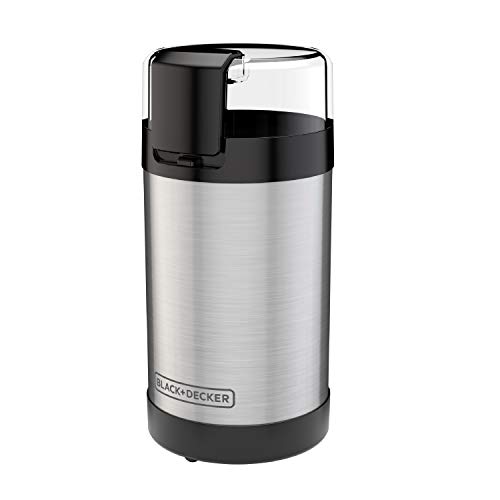
STAINLESS STEEL BLADES AND BOWL - The sharp blades and durable grinding bowl are built to last, delivering uniform grinds with every use

REDUCE CLUTTER WITH HIDDEN CORD STORAGE: Hideaway cord storage under the base keeps cable neat, concealed when not in use; this small coffee grinder is quieter than leading competitor
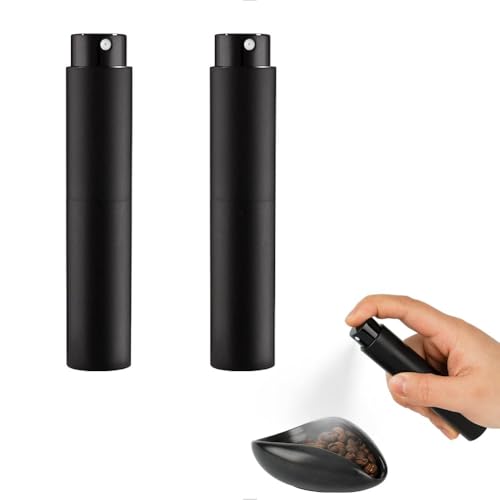
【SZIE INFORMATION】Capacity:10ml,Height:4.48inches(114mm),Diameter:0.9inches(23mm),
Heat Milk to the Right Temperature for Dairy or Plant‑Based Milks
If you heat milk correctly, you’ll get the silky microfoam that makes a cappuccino shine. Follow temperature guides: for dairy, aim for 55–65 °C (139–149 °F), never exceeding 70 °C (158 °F). This range melts fats, denatures whey proteins, and secures foam stability. Start with cold milk; a thermometer tells you when the pitcher feels too hot to touch for a few seconds. For plant‑based milks, keep the heat at the lower end of the same band, ideally 60 °C (140 °F). Oat milk performs best around 60 °C, soy up to 65 °C. Barista‑formulated alternatives tolerate slightly higher heat but still benefit from precise control. Consistent temperature guarantees smooth texture and stable microfoam for your cappuccino. Barista‑grade milks contain stabilizers that help maintain foam integrity. Selecting a high‑protein oat milk can further improve foam stability due to its increased protein content. The presence of emulsifiers in many barista‑style almond milks enhances foam formation by reducing surface tension.

Free From: Dairy, Lactose, Gluten, Soy, Peanuts, & Tree Nuts

Super creamy! Super plant-based!

FROTH + STEAM PERFECT LATTES: With Oat Barista Blend you can froth and steam perfect dairy-free lattes at home. Naturally creamy and subtly sweet, Oat Barista Blend is made for lattes.
Froth Milk Into Silky Foam With a French Press, Wand, or Jar
Heat the milk to the right temperature, then pour it into a French press, wand, or jar and start frothing. For a press, fill it one‑third to halfway, hold the lid firm, and pump with a few big plunges followed by rapid short strokes. Keep the filter submerged; stop when the volume doubles and the surface looks glossy. Tap the press, then swirl to break large bubbles. A wand works in a small mug: spin the rod fast, watching the milk thicken into a velvety layer. When you lack tools, use a tightly sealed jar; shake vigorously—jar shaking creates airy foam, though coarser. Clean the foam press promptly; swift foam press cleaning preserves flavor and hygiene. Higher‑fat milk yields richer, more stable foam. Steam‑based frothers can also produce a velvety micro‑foam that rivals traditional steamers. The paper filter in a Chemex removes most oils, resulting in a cleaner cup compared to the French Press’s metal mesh.
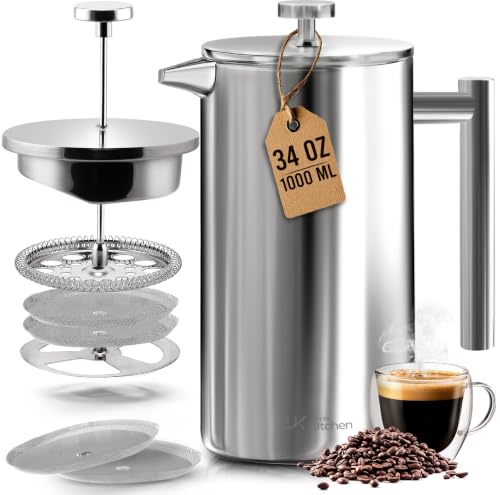
Double-Walled French Press: Make perfectly brewed coffee at home like a barista. The double-walled coffee press is heat resistant. Its solid construction will keep the drink hot for a long time.

Milk frother manual milk frother creates an airy foam in less that 30 seconds for a Cafe style Coffee you will love from the Comfort of your own home

Superior Filtration: A solid filtration system in a coffee maker ensures a refined taste and robust flavor mouthfeel. Our 4-filter sieve system has an improved piston plate and 80 mesh filter that extracts the earthy, rich taste of residue-free coffee. This 1000 ml/34 Oz beaker makes 4 cups of creamier & tastier coffee.
Add Sweeteners and Flavorings Before Assembling the Drink
Why wait to sweeten? Add your sweetener and flavorings while the coffee is still hot, so everything dissolves evenly. Choose granulated sugar for a neutral base, or simple syrup for grain‑free sweetness. If you prefer depth, stir in honey, maple syrup, or a low‑calorie option like stevia or monk fruit—remember these are 100‑300 × sweeter, so a pinch can dominate Sweetener intensity. For flavor pairing, mix vanilla extract, almond, mint, or a dash of cinnamon or pumpkin spice directly into the coffee before you foam the milk. Stir vigorously; the hot liquid guarantees a smooth, consistent blend, preventing clumps and guaranteeing each sip carries the intended aroma and taste. This step sets the foundation for a perfectly balanced, machine‑free cappuccino. Portafilter basket must be properly sized to ensure even extraction, which is crucial for consistent flavor. Monk fruit sweetener dissolves best in boiling water, ensuring a uniform sweetness. Using a paper towel as a makeshift filter can introduce chemical residues that affect flavor. Regularly descale the water tank to prevent mineral buildup, which can cause residue buildup and affect flavor.
Layer Coffee, Milk, and Foam to Assemble the Machine‑Free Cappuccino
Now that your sweetener and flavorings have dissolved into the hot coffee, start building the cappuccino layers. Pour the hot coffee into a tall mug, filling roughly one‑third of the volume; the wide opening lets you control the pour and keep the base intact. Next, use an alternativeing technique to add warm milk—heated to about 65 °C—gently over the coffee, preserving the foam that will sit above. Spoon the dense, silky foam on top, aiming for a texture that doubles the milk volume without collapsing. The final cup should display three distinct bands: dark coffee, creamy milk, and airy foam, each visible and balanced for a true machine‑free cappuccino. Ensure the milk is frothed to a silky texture before pouring.
Fix Common Issues: Weak Coffee, Watery Foam, or Overheating
If your cappuccino ends up weak, watery, or overheated, start by checking three key variables: coffee‑to‑water ratio, milk temperature, and brewing time. Boost the bean ratio to about 1:15–1:17, using two tablespoons of fresh grounds per six‑eight ounces of water, and grind medium‑fine for a stovetop brew. Heat water to 195‑205 °F and steep for four to five minutes to achieve extraction balance. For foam, chill whole milk, keep milk temperature below 155 °F, and position the wand just under the surface to introduce air before drawing a whirlpool. Listen for a gentle hiss, then submerge deeper to thicken the foam. If the drink still feels watery, reduce milk volume or increase coffee concentration, and verify the equipment is clean to maintain consistent extraction. Consistent grind size is crucial for balanced flavor and proper crema. the grinder close to the brewing equipment helps preserve aroma and freshness. You can also achieve a uniform grind by using a mortar and pestle to manually crush the beans before brewing.

CRAFT COFFEE AT HOME: Produces six demitasse/espresso servings of rich, smooth espresso coffee in minutes. Craft your own espresso, Americano, Cuban coffee, Italian-style coffee, Moka, lattes, cappuccinos and more from the convenience of your home.Filter type:Reusable

MEDIUM CAPACITY: This stovetop espresso maker brews six cups of rich, full-bodied coffee using traditional Italian moka pot brewing method, forcing hot water through grounds for barista-quality espresso flavor in minutes

CAPACITY: This coffeemaker is designed to brew up to 3 cups of rich, flavorful coffee, perfect for satisfying your morning caffeine cravings
Try Quick Twists: Instant‑Coffee Cappuccino and Dairy‑Free Versions
Ever wondered how to whip up a cappuccino in minutes without an espresso machine? Try a quick twist: dissolve 1 packet instant coffee in 2 tsp hot water, stir in 2 tsp sugar, then heat 1 cup almond or oat milk to 54‑60 °C. Froth the milk with a whisk or jar‑shake until you get a light, airy alternative‑free foam. Pour the coffee base into a mug, top with the foam, and dust with cinnamon for a spice‑infused mix. For a richer texture, use soy milk heated to 60 °C. Adjust sweetness or add a pinch of nutmeg for extra depth. This method delivers a velvety, dairy‑free cappuccino in under five minutes, perfect for busy mornings. You can also achieve comparable foam using a French press for a quick, barista‑style froth. The steeping time for cold brew coffee is typically 12–24 hours. Proper milk temperature is crucial; aim for silky foam temperature to avoid scalding and ensure a smooth texture.