
You’re right to wonder why your milk sometimes ends up flat or bubbly, but the trick is simple: start with fridge‑cold milk, purge the wand, and position the tip just below the surface for a quick 2‑second burst of air. Then tilt the pitcher, let the wand hug the wall to spin a whirlpool, and heat until the thermometer reads 150‑160 °F (or 60‑65 °C). Finish by tapping the pitcher and swirling for a few seconds to get that glossy, paint‑like microfoam. Follow these steps and you’ll nail perfect foam every time—next, you’ll see how to adapt the process for plant‑based milks.
How to Steam Milk: Start With Cold Milk & Proper Equipment
If you’re wondering why baristas swear by fridge‑cold milk, it’s because cold liquid pulls air in faster and gives you a bigger window before it overheats, keeping the texture silky instead of scalded. You’ll want a clean stainless‑steel cold pitcher because the metal lets you feel heat buildup and guarantees predictable temperature control. Fill it just enough for one drink—about 3 oz for a macchiato or 6 oz for a latte—so the steam wand can work efficiently and you avoid underfilling. Purge the wand first, then position the tip just below the milk surface; the cold pitcher slows the rise to the target 140–158 °F, giving you extra time to perfect the foam.
Takeaway: Start with a cold pitcher, measure the right amount, and purge the wand for consistent temperature control and silky texture. Next, ask yourself how you’ll aerate the milk for a stable foam base.
A well‑designed frother can inject air while maintaining temperature, enhancing foam stability.
Choosing the right milk type can also affect foam quality, as higher protein content yields richer micro‑foam.Barista‑style almond milk contains added emulsifiers that help create a smoother, more stable foam.

Perfect Combination Of Milk Frothing Pitcher And Latte Art Pen: The milk frother jug can be used in different ways: froth or steam milk for lattes; measure liquids; serve milk or cream. Featured with a latte art pen which can shape kinds of beautiful coffee pattern. Perfect for making frothing or steaming milk for espresso, cappuccino or hot chocolate. Be your own barista in home and office.

【Food Grade Material】This milk frothing pitcher is made of high-quality 304 stainless steel, which is rust proof, stain proof, and heat resistant. It has a stylish appearance and is very easy to clean after use.

【Food Grade Material】This milk frothing pitcher is made of high-quality 304 stainless steel, which is rust proof, stain proof, and heat resistant. It has a stylish appearance and is very easy to clean after use.
How to Steam Milk: Aerate First for a Stable Foam Base
When you wonder why baristas always start with a quick burst of air, it’s because that “tss‑tss” stage builds the foam foundation you’ll need for silky latte art. First, dip the wand tip just below the milk surface, tilting it at a gentle nozzle angle so it “kiss” the top. You’ll hear a steady tearing sound; that’s foam pressure forming tiny bubbles. Keep the aeration short—about 2‑5 seconds for a latte—while the pitcher stays barely warm. Too long or too deep dulls the texture and creates large, fluffy bubbles.
Now, watch the temperature. As soon as the milk begins to warm, switch to heating. This preserves a glossy, uniform foam texture and prevents over‑aeration.
Takeaway: A brief, angled burst of air at low temperature creates a stable foam base, setting the stage for perfect microfoam. Next, you’ll want to learn how to swirl that base into silky, integrated milk. Use a smaller jug for home machines to ensure adequate spin. Selecting the right milk type, such as whole milk for richer foam, also enhances stability. Regularly descaling the machine prevents mineral buildup that can affect steam pressure and foam quality, descaling is essential for consistent performance.

304 STAINLESS STEEL: Amrules 12oz creamer pitcher are crafted of 18/8 food grade stainless steel. The pitcher features external mirror finish and internal hairline finish. It is sturdy, durability, rust-resistant and resistant to deformation

[Premium Material] - The milk frothing pitcher and coffee art pens are made of food-grade stainless steel, rust-proof, stain-proof, heat-proof, nontoxic, unbreakable by daily use.Easy to clean, dishwasher safe;

【Premium Food-Grade 304 Stainless Steel】Milk frother cup is made of premium food-grade 304 stainless steel, this non-toxic, odorless coffee pitcher ensures safe daily food contact. It delivers outstanding rustproof, stain-resistant and heat-resistant performance for durable use. Adopting seamless welding technology, the integrated body and handle feature solid structure.
How to Steam Milk: Create a Whirlpool for Silky Microfoam
Ever wonder why your milk never gets that velvety swirl? You’re probably missing the whirlpool technique that locks foam consistency. First, pour cold milk to a third of the pitcher, purge the wand, then tuck the tip just under the surface near the side. Tilt the pitcher so the milk spins, not sloshes, and keep the wand off‑center.
Now, create a strong vortex. After the initial air‑intake, lower the wand a bit and let the steam hug the wall, stirring the milk into a steady whirl. The rotation folds tiny bubbles evenly, giving microfoam that stays suspended.
All right, watch the surface: a smooth, glossy spin means you’ve nailed the whirlpool. If it stalls, adjust depth or tilt. Proper temperature is essential to achieve the ideal silky texture. Takeaway: a consistent whirlpool yields silky microfoam and reliable foam consistency. Next, ask yourself: is the milk reaching the right temperature? milk frothers produce lighter foam, while steamers create richer micro‑foam. Regularly descaling the machine prevents mineral buildup that can affect steam pressure and foam quality. Using a French press can also generate a decent foam if you pump the plunger rapidly after heating the milk.
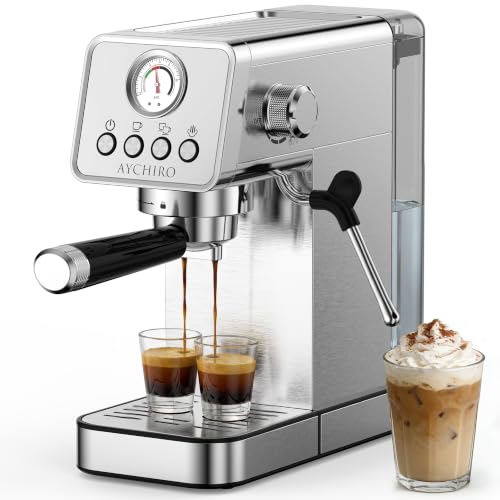
Professional 20-Bar Pressure: Brew barista-quality espresso at home. The 20-bar pump extracts rich, aromatic shots with perfect crema—authentic flavor in every cup

Make Your Favorite Espresso Coffee At Home: The CASABREWS coffee machine with milk frother allows you to prepare all your favorite espresso-based coffees. You can enjoy a barista-brewed latte, cappuccino or macchiato at home. Stainless steel appearance, stylish and durable, ideal for any size kitchen. This compact espresso coffee maker is perfect for home or office use

Make Your Favorite Espresso Coffee At Home: The CASABREWS coffee machine with milk frother allows you to prepare all your favorite espresso-based coffees. You can enjoy a barista-brewed latte, cappuccino or macchiato at home. Stainless steel appearance, stylish and durable, ideal for any size kitchen. This compact espresso machine is perfect for home or office use
How to Steam Milk: Heat to the Ideal Temperature
You’re probably wondering why the perfect whirlpool still leaves your milk feeling off‑temperature. The secret lies in hitting the right heat range for your milk type while respecting temperature safety.
What temperature should I aim for?
Let’s start with whole dairy milk—target 150–160 °F (65–71 °C). Skim or low‑fat milk works a bit lower, around 145–155 °F. Plant milks vary: oat at 140–150 °F, almond at 135–145 °F, soy at 140–150 °F. All of these stay above the 140 °F (60 °C) food‑safety floor, so you avoid bacterial risk.
Why not go hotter?
Above 170 °F you risk scalding and protein breakdown, which creates flat, burnt flavors and weak foam. Even 155–160 °F can start dulling sweetness. Keep an eye on the thermometer or the “too hot to hold” cue (≈60–65 °C).
Takeaway
Choose a temperature band that matches your milk type, stay under 170 °F, and you’ll preserve sweetness, safety, and silky microfoam. Next, learn how to polish that foam with tapping and swirling. The espresso extraction process also highlights how pressure and temperature influence flavor intensity. Understanding the difference between steamed milk and frothed milk helps you select the right foam for each coffee style.
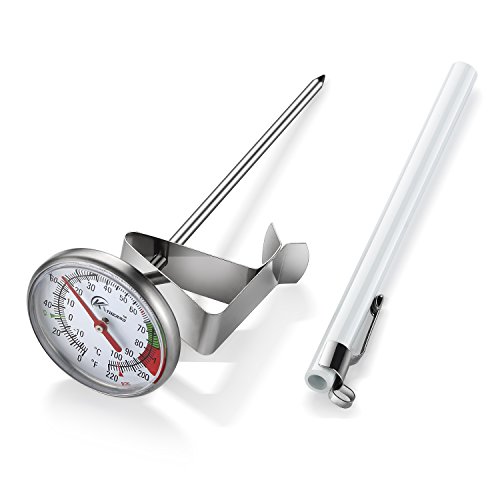
DESIGN:Multi-stage design of the fixed clip, adjust the thermometer read the location of the disk surface to facilitate observation of the temperature of the bubble.

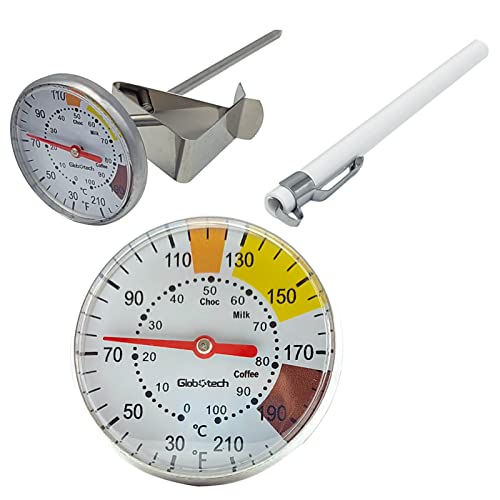
MILK FROTHING THERMOMETER – This stainless-steel thermometer is designed for milk frothing, steaming and making cappuccino, measure the temperature of milk, chocolate and coffee. A professional Barista tool to ensure every milk frothing a success. You can enjoy your cappuccino, latte art at home with it as well.
How to Steam Milk: Polish the Foam With Tapping & Swirling
Your foam probably needs a quick polish—tapping and swirling turn those big, airy bubbles into a glossy, paint‑like surface. You’re wondering why this tiny step matters. The answer: it collapses visible bubbles, giving you a smooth, thick foam surface technique that holds latte art.
Now, tap the pitcher lightly on the counter right after you stop the wand. One or two gentle taps release trapped air without shaking the whole pitcher. Then, swirl vigorously for three to five seconds. The motion re‑incorporates foam and milk, turning the top layer into a uniform, wet‑paint texture.
All right, check the cue: the milk should shine, have tiny tight bubbles, and move as one liquid when you tilt the pitcher. If you see large bubbles, repeat a light tap and a quick swirl. Obviously, do this right before you pour, or the microfoam will separate again. Takeaway: tapping plus swirling perfects foam consistency and gives you a ready‑to‑art surface. Next, ask yourself: which steam wand or handheld frother will suit your routine? A standard coffee scoop holds about 7–8 grams of ground coffee, which is useful to know when measuring milk‑to‑coffee ratios for consistent flavor. The fine grind is crucial for creating the pressure needed to form a stable microfoam. Adding a nitrogen charge can further enhance the texture and give your foam an even silkier mouthfeel.
Choosing Steam Wand or Handheld Frother for Your Method
If you’re torn between a steam wand and a handheld frother, you’re asking the right question. Here’s the thing: a steam wand lives inside most espresso machines, so you already own it if you have a serious setup. It creates micro‑foam, perfect for latte art, but you must master angle and timing. Cost comparison favors the handheld, which runs about $20‑$40 versus a $200‑$400 espresso machine. Space constraints also matter—handheld frothers fit in a drawer, while a wand needs a countertop‑sized machine.
All right, think about your routine. If you need quick, airy foam for a hot chocolate, the handheld’s battery‑whisk does the job in seconds, though you’ll warm the milk separately. If you crave silky, pour‑able foam for cappuccinos, the wand’s pressurized steam beats the frother, but you’ll invest time learning the technique. Handheld frothers are portable and require minimal setup, making them ideal for small kitchens or travel. Takeaway: choose the wand for barista‑level texture and the handheld for budget‑friendly, compact convenience. Next, decide which foam quality matters most to your daily coffee ritual. Using a stovetop espresso maker can also help you gauge the right grind size for optimal extraction. The higher pressure of espresso machines enables richer crema and more consistent brewing results. Moka Pot’s pressure also highlights the importance of proper extraction.

Make Creamy Froth Quickly: If you love your morning coffee filled with froth and foam, the portable Handheld Milk Frother can create a creamy cup within 15 to 30 seconds

☕【Environmentally friendly】Say goodbye to disposable batteries! Our milk frother adopts a USB charging design, which is more environmentally friendly and lighter than battery type, allowing you to charge anytime, anywhere without changing batteries. The built-in battery capacity is 1500mAh, and it can be used several times a day after being fully charged.

POWERFUL FROTHING EXPERIENCE: Skip the coffee shop run and enjoy lattes, cappuccinos, matcha, hot chocolate, powdered drinks, or iced coffee at home with this milk frother. Save money on your electric bill: powered by 2 AA batteries (included), a 13,000 RPM motor and 26 spiral rings, this coffee frother handheld turns ordinary milk to frothy perfection in seconds.
Common Steaming Mistakes and How to Fix Them
When you’re staring at a frothy mess or a flat pour, it’s easy to wonder why the milk isn’t behaving.
Why does my foam collapse?
You probably over‑aerated or under‑aerated. Aim for a one‑third volume increase; a double‑sized foam signals too much air. Tap the pitcher—smooth, paint‑like texture means you’re on track.
What’s the right wand placement?
Keep the tip just below the surface, angled off‑center, and let a vortex whirl. Too deep and you’ll splatter; too shallow and you’ll get big bubbles.
How do I control milk temperature?
Stop at 140‑150 °F, or when the pitcher feels too hot to hold. Overheating flattens sweetness and ruins texture.
What about post‑steaming texture?
Swirl vigorously, tap the pitcher, and pour immediately to lock in gloss.
Why does wand hygiene matter?
Purge before and after each use; dried milk on the wand spoils flavor and cleanliness.
Takeaway: Adjust air, position, temperature, and hygiene, and you’ll get silky microfoam every time. Ready to tweak your technique for different milks?
Insufficient foam can be avoided by ensuring the wand tip is positioned just below the milk surface to generate a gentle chirp before the whirlpool forms.
Choosing the right system can also impact your results; a single‑serve capsule offers convenience, while a manual machine provides deeper flavor control.
A proper espresso shot requires consistent grind size to maintain balanced extraction.
Regular descaling prevents mineral buildup and keeps the wand’s steam flow optimal.
Adapting Steaming for Whole, Skim, Plant Milks & Espresso‑Based Drinks
All right, you’re probably wondering why the same steam technique works for whole milk but falls apart with oat or almond. The secret lies in fat milk versus plant‑milk contrast, foam stability, and temperature control. Whole milk’s higher fat creates a dense, velvety microfoam that tolerates 131‑149 °F, while skim milk needs less air and deeper tip immersion to avoid a dry, bubbly head. Soy milk finishes around 55 °C and gets a short aeration burst, then you swirl to keep it smooth. Oat and almond milks benefit from cold‑start steaming, quick early air, and lower heat—barista‑edition versions boost foam stability. Binding agents in barista‑blend non‑dairy milks help emulate dairy protein expansion, improving foam consistency. How do you adjust for each milk? Start with a quick “burst” of air, then submerge the tip deeper for plant milks. Keep the thermometer in the 55‑60 °C range for soy, 60‑65 °C for oat, and stop at 55 °C for almond to prevent large bubbles. Takeaway: Match foam fat content, temperature, and aeration timing to the milk type, and you’ll get consistent, pour‑ready foam every time. Ready to test your next shot? The high‑pressure pump in a Nespresso machine forces water through the capsule at 19 bar, creating the rapid steam needed for effective milk frothing.