
You’re right to wonder where the grind should happen, because aroma and CO₂ evaporate fast. Grind right before you brew, and keep the grinder next to your kettle, espresso machine, or drip set—think of it like a prep station in a kitchen, minimizing handling and exposure to air. Use a burr grinder, set it to the right size for your method, and if it’s dry, give the grounds a quick mist to kill static; this keeps particles uniform and flavor bright. Now you’ll get the freshest cup, and the next step is fine‑tuning grind size for your brew.
Grind Coffee Just Before Brewing for Peak Aroma
Why does grinding right before brewing matter? You’re probably wondering why the timing feels so essential. Here’s the thing: once you crush beans, the aromatic spikes for about fifteen minutes, then fades fast; oxidation control becomes your ally.
When you grind just before you pour water, you trap volatile oils and carbon dioxide that fuel extraction. Those compounds give your cup depth, brightness, and a vibrant mouthfeel. If you let grounds sit, air rushes in, oxidation ramps up, and bitterness creeps in, flattening complexity.
Think of it like cutting fresh fruit—once sliced, it browns quickly. Same principle applies to coffee. The takeaway: grind at the last moment to lock in aroma and curb oxidation. Next, ask yourself what grinder will let you hit that perfect timing. Consistent grind size is crucial for even extraction and a balanced espresso. A finer grind increases surface area and promotes more uniform water contact, helping to avoid under‑extraction.
Choosing a burr grinder ensures grind uniformity and maintains the consistency needed for high‑quality espresso shots.
Select a Burr Grinder and Place It by Your Brew Station – The Best Coffee Grind Tool
How do you make sure your grinder actually helps, brew, not hinder it? You’re right to wonder about burr placement and grind consistency, because a good grinder is the first step toward flavor.
Why does burr placement matter?
Here’s the thing: putting the grinder right next to your kettle, espresso machine, or drip brewer cuts handling steps in half. A level, vibration‑free countertop lets you load beans, collect grounds, and clean without juggling tools. The proximity also nudges you to adjust settings each brew, keeping your routine tight.
How does a burr grinder boost grind consistency?
Obviously, burrs crush beans between two abrasive surfaces, delivering uniform particles. Consistent size means even extraction, so you avoid bitter fines and weak sludges. Choose a model with adjustable, stepless settings for fine control across methods. The uniform particle size is crucial for achieving balanced flavor profiles. Flat burrs provide a tighter particle distribution, which is especially beneficial for espresso precision.
Takeaway
Place a reliable burr grinder beside your brew station, and you’ll enjoy repeatable, high‑quality coffee every morning. Next, think about matching grind size to your specific brewing method. The conical burr design further reduces heat buildup, preserving bean aromatics.

Slim, powerful grinder with precise settings from fine to coarse, with 15 settings and 29 micro-adjustments
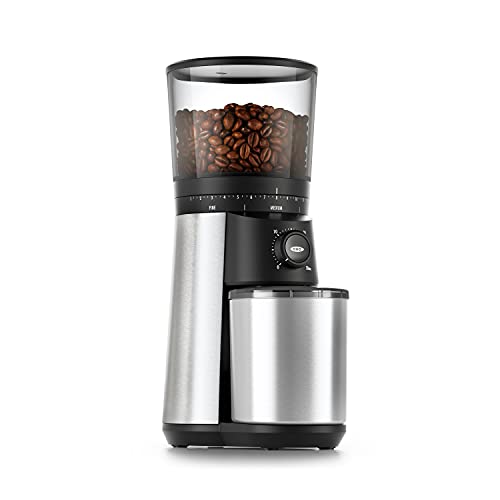
40mm stainless steel conical burrs: Precision grinding system produces uniform coffee grounds to ensure even extraction for rich, balanced flavor in every cup.
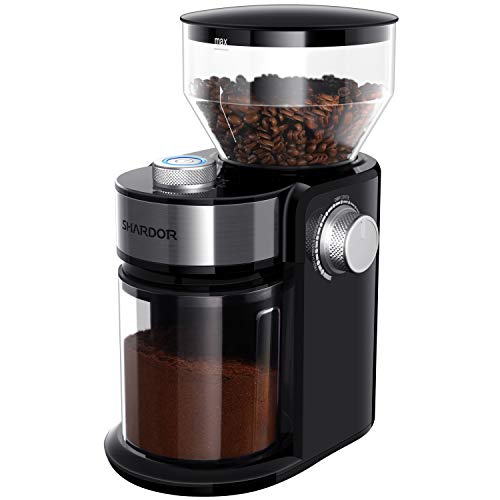
[ UNIFORM BURR GRINDING ] Premium metallic flat burr mill ensures consistent, uniform grounds without burning beans. Perfectly preserves rich coffee aroma for pour-over, drip, and cold brew.
Match Grind Size to Your Brewing Method for Optimal Coffee Grind Results
If you’re wondering why the same beans taste so different from a French press to an espresso shot, it’s all about matching grind size to brew time.
What grind texture works for my brew?
Short brew time—espresso, moka pot, Turkish coffee—needs a fine grind. The finer the texture, the larger the surface area, and the quicker the extraction. If you taste sour or weak, tighten the grind a notch; if it’s bitter, go coarser.
How does brew ratio affect the choice?
Longer brew time—cold brew, French press, immersion—calls for a coarser grind. Coarse particles slow extraction, preventing over‑extraction during hours of steeping. Adjust the ratio (coffee : water) while keeping the grind texture consistent for balance.
Takeaway
Match grind texture to brew time and ratio to hit the sweet spot of extraction balance. Next, keep your grind area dry and static‑free for consistent results. Understanding extraction dynamics helps fine‑tune each brew method. Proper particle size selection also reduces equipment wear and ensures a more uniform flavor profile. Using a burr grinder can minimize heat and preserve bean flavor.
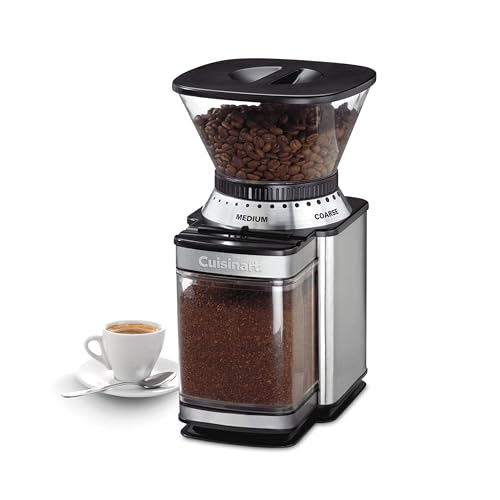
ENJOY OPTIMUM FLAVOR: The Cuisinart Coffee Grinder with 18-position slide-dial grind selector provides a uniform grind from ultra-fine to extra-coarse to ensure your fresh coffee beans are ground exactly the way you prefer.

40mm stainless steel conical burrs: Precision grinding system produces uniform coffee grounds to ensure even extraction for rich, balanced flavor in every cup.
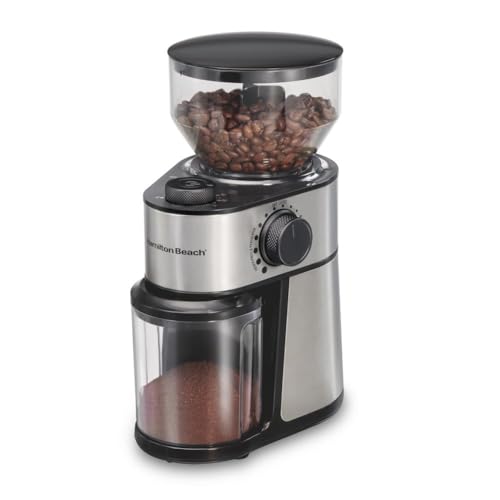
18 PRECISION GRIND SETTINGS FOR EVERYTHING FROM ESPRESSO TO FRENCH PRESS. With the Hamilton Beach Burr Grinder, you can easily change the texture of coffee grounds from extra-fine to coarse with just a twist of the dial. Great for herbs and spices too.
Keep Your Grind Area Dry and Static‑Free (Ross Droplet Technique)
You’re probably wondering why your grounds cling to the grinder and make a mess, even though you’ve measured the beans perfectly. Here’s the thing: a tiny droplet of moisture on the beans creates a conductive path that neutralizes static, so the grounds fall cleanly into the cup. You’ll notice better dry control and grind cleanliness when you mist the beans with a spray bottle or a wet fingertip—just a few microliters, not a soak.
All right, apply the water after weighing the dose, shake briefly, then grind immediately; the anti‑static effect peaks in seconds. Too much water clumps, so “less is more.” Low humidity can dramatically increase static cling, so misting is especially useful in winter months. Takeaway: a micro‑mist gives you a static‑free, tidy grind and more consistent extraction. Next, ask yourself how to match grind size to your brew method. Using a paper towel as a temporary filter can help catch stray grounds if the misting isn’t enough.
Fix Grind‑Size Problems to Prevent Over‑ or Under‑Extraction
You’ve probably wondered why a perfect dose still yields a sour or bitter cup, even after misting the beans. The culprit is grind consistency and extraction timing. If your pour‑over tastes sharp and watery, you’re under‑extracting—your grind is too coarse for the brew time. Switch to a slightly finer setting, keep the burr grinder calibrated, and watch the brew time shrink a few seconds.
All right, if the coffee is bitter and dry, you’ve over‑extracted—your grind is too fine or the water lingers too long. Coarsen the grind just one notch, and the water will flow faster, easing extraction timing.
Here’s the thing: make tiny adjustments, record the setting, and repeat. The takeaway? Match grind size to method, keep particles uniform, and tweak until extraction timing feels right. Ready to test the next grind? A consistent tamping pressure ensures the puck density aligns with the grind, further stabilizing extraction.
Choosing the right burr can dramatically improve particle uniformity across batches. Using a consistent particle size helps maintain steady flow and prevents channeling.

Tired of small batches? Meet the world's first manual grinder with a massive 60g capacity—Hold twice the beans of the standard grinders. 2X the beans, 0 interruptions! Now you can grind exactly what you need in one grind session, instead of two. Grind less, brew more. Perfect for french press, cold brew, pour-over, camping, travel, big families, or mornings that can't wait.

SPECIALTY COFFEE ASSOCIATION AWARD-WINNING GRINDERS - Baratza grinders are preferred by coffee professionals and tops the list of review sites like Wirecutter.

ONE GRINDER. ANY BREW. – Opus 2 is built for coffee lovers who brew more than one way, from espresso to pour-over, French press, and cold brew. Cappuccinos in the morning, pour-over in the afternoon, cold brew on the weekend.