
You’re probably wondering why your espresso never tastes café‑level, and the answer lies in a few precise steps. First, pick a machine with PID temperature control and a grinder with low‑retention burrs; set the dose to 18–20 g on a 0.1 g scale and grind just finer than table salt, adjusting half‑point increments until the flow takes 25–30 seconds for a 36 g yield. Next, distribute grounds evenly, tamp about 30 lb (13 kg) pressure, pre‑heat the group head, and pull a blank shot before the real one. Finally, serve the 1‑oz shot straight or top it with micro‑foam at 140–150 °F for texture. Master these basics, and you’ll consistently brew espresso that rivals a café; the next section shows how to troubleshoot fast or slow shots.
Pick the Best Home Espresso Machine & Grinder
When you wonder which espresso machine and grinder pair will actually work for your kitchen, you’re asking the right question. You need a machine that fits your workflow, so a semi‑automatic gives you control, while a super‑automatic trades flexibility for convenience. Machine ergonomics matter—handle height, portafilter reach, and water‑tank placement should feel natural in your hands.
Here’s the thing: temperature stability is king. Look for PID control, dual boilers, or a heat‑exchanger if you want consistent brew temps, especially with lighter roasts. Compact thermoblock units heat fast but may swing temperature more than a larger boiler.
Now, grinder retention is a hidden enemy. Low retention burrs keep grounds fresh, making dialing in easier. Flat burrs deliver uniform particles; conical burrs save space and cost. Larger burrs reduce heat buildup and increase speed.
Takeaway: match a machine whose ergonomics and temperature control suit your kitchen size, then pair it with a low‑retention grinder that offers fine, stepless adjustment. Ready to compare specific models? A failing espresso pump can cause pressure loss and affect brew quality. Regular descaling prevents mineral buildup that can impair both pump performance and temperature consistency. A consistent particle distribution is essential for balanced extraction.

Built-in Grinder & Customizable Grinding: Featuring a built-in grinder and a generous 200g coffee bean hopper, VEVOR espresso machine allows you to go from beans to espresso in just a few minutes. With 30 grinding settings to choose from and 2 stainless steel filters (1 cup and 2 cups), you can easily tailor your coffee to your taste preferences.

Compact Design – Save Counter Space, Simplify Daily Cleanup: The espresso machine fits kitchens, apartments, offices and home coffee corners without taking over the countertop. The removable water tank and drip tray make refilling and routine cleaning easier. Uses ground coffee; grinder not included.

MANUAL HAND-TEXTURED MICROFOAM: The powerful steam wand on this cappuccino maker and latte machine is designed to quickly turn milk into smooth, flavorful microfoam for creating latte art at home
Measure, Grind & Dose for a Consistent Home Espresso Shot
You’re probably wondering why a tiny change in grind or dose throws off every shot, and that’s a solid question. A digital scale that reads to 0.1 g lets you lock 18–20 g of coffee, so you can compare the 20‑gram dry dose to a 40‑gram liquid output and spot drift.
Now, grind fine—finer than table salt—because a coarse grind yields a weak, fast pull while too fine clogs the basket. Adjust in half‑point increments; each tweak shifts flow dramatically.
Here’s the thing: water bean freshness and grinder burr wear both alter particle size distribution, so you’ll need to tweak the setting when beans age or burrs dull. Grind uniformity is crucial for extracting balanced flavors and preventing channeling. A proper tamping pressure of 30‑35 psi helps create an even puck that resists channeling.
Takeaway: measure, grind, and dose consistently, then record weight and time. Next, you’ll learn how to distribute, tamp, and set the portafilter. Grinder wear can change the extraction even with the same setting.
A consistent grind helps maintain the optimal extraction window for a balanced espresso shot.

【Ultra Small, Yet Professional】The Espresso Scale is small enough to fit in your palm. It measures 4.13*4.13*0.78 inches and weighs just 0.75 pounds. The coffee scale can work on most espresso machines and small pour-over coffee stands. It's easy to store and carry around, making it perfect for coffee lovers who like outdoor coffee.

𝗘𝘀𝗽𝗿𝗲𝘀𝘀𝗼-𝗦𝗶𝘇𝗲𝗱 & 𝗠𝗮𝗰𝗵𝗶𝗻𝗲-𝗙𝗿𝗶𝗲𝗻𝗱𝗹𝘆: At just 5.7 × 3 × 0.7 inches, this scale fits under most home espresso machines, with integrated rubber feet that keep it planted on busy countertops without sliding or shifting during use.

Barista-Level Precision: A 0.1g high-precision sensor with a rapid refresh rate responds instantly to changes in weight, helping you achieve consistent results across espresso, pour over, drip coffee, Chemex, V60, and filter coffee brewing.
Distribute, Tamp & Set the Portafilter for Home Espresso
If your espresso shot is channeling or tasting thin, the culprit is often an uneven coffee bed before you even tamp. You’ve dosed the grounds, now distribute them. Use the base of your index finger to sweep north‑south‑east‑west, or try a Stockfleth rotation to push coffee to the basket walls. Light taps on the side of the portafilter settle gaps without compacting, creating a flat surface for the tamper.
Now, set the portafilter on a stable, level mat; this gives you Portafilter stability and prevents wobble. Hold the tamper like a doorknob, keep it level, and press straight down with about 30 lb (13 kg) of force. Consistent pressure matters more than exact weight, so focus on an even push.
A proper puck density ensures balanced extraction and flavor consistency. Using a bottomless portafilter lets you see channeling instantly, helping you fine‑tune your technique.
All right, wipe any loose grounds from the rim, then lock the portafilter into the grouphead. Your puck should be flat, intact, and ready for extraction.
Takeaway: Even distribution, steady tamp pressure, and solid portafilter stability create a uniform puck and eliminate channeling. Next, you’ll want to pre‑heat and extract—ready to hit your target time and weight?
water hardness can significantly affect flavor, so consider using filtered water for the best results.
Pre‑heat, Extract & Hit Target Time & Weight for Home Espresso
Even though the machine and cup feel cold, that’s exactly why you should pre‑heat them before pulling a shot. Warm up the group head for 15 minutes, run a blank shot, and heat your cup—this guarantees temperature maintenance and steadier extraction pressure.
Now, start the timer the moment the pump activates. Capture the full brew window, aiming for 25‑30 seconds; faster shots taste sour, slower ones turn bitter.
Here’s the thing: use a brew ratio to hit your target weight. A classic 1:2 ratio—18 g dose, 36 g yield—works for most doubles. Measure yield by weight, not volume, for consistency.
Adjust grind size to fine‑tune time and weight. A finer grind slows flow, raising yield; a coarser grind does the opposite. Small, repeated tweaks keep you on track.
Takeaway: pre‑heat, time from pump start, and stick to a reliable brew ratio; then fine‑tune grind to hit your desired time and weight. Ready to troubleshoot fast or slow shots next? First strip timing helps avoid inflated times due to pump build‑up. Proper tamping pressure ensures even extraction and prevents channeling. Consistent water temperature is crucial for optimal extraction and flavor balance. Using a stable pressure of 9 bar during extraction further improves shot consistency.
Fix Fast or Slow Home Espresso Shots (Including Cleaning Tips)
Usually the first thing you notice when a shot runs too fast or too slow is the taste—sour and thin or bitter and over‑extracted. You’re probably wondering why water pressure feels off and how bean freshness plays in. Here’s the thing: a coarse grind, low dose, or a gassy, ultra‑fresh bean will let water rush through, while a fine grind, high dose, or clogged screen will choke flow.
How do I fix a fast shot?
Fine‑tune the grind a notch finer, keep the dose around 18‑20 g, and tamp evenly. Clean the group head and basket, then flush the machine to stabilize water pressure. If beans are still too fresh, let them rest 12‑24 h.
How do I fix a slow shot?
Coarsen the grind slightly, check that the basket isn’t over‑dosed, and guarantee the tamp isn’t too hard. Remove old grounds from the grinder, and verify the pump delivers proper water pressure. Replace worn burrs if flow stays sluggish.
Takeaway: Adjust grind and dose, clean regularly, and respect bean age to control shot speed. Next, you’ll want to learn how to serve espresso perfectly with milk foam. The boiler temperature must stay within a narrow range to ensure consistent extraction.

Premium 40 Millimeter Stainless Steel Conical Burr: Designed to minimize grinding heat and protect the essential oils in the coffee bean, creating uniform grounds for optimal flavor extraction.

This grinder burr set compatible with Breville BES980/990/995/880/881/878(6-point burr). Due to batch variations, a small number of BES870/875/876 units come with a 6-point burr. Our burrs only work with adjustable baskets, which are usually marked with a red dot.Please check your machine before placing an order.
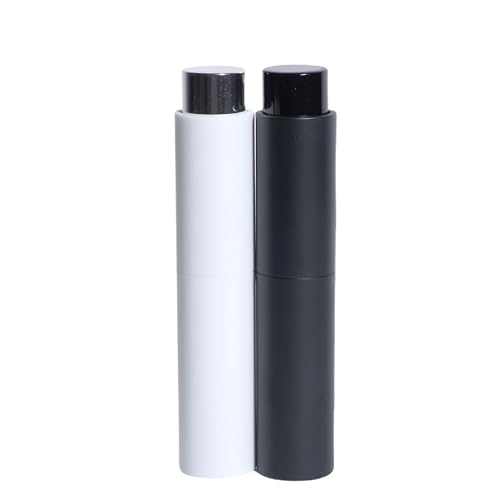
Perfect Mist Control: Designed for even and precise spraying, enhancing coffee bean preparation.
Serve Espresso Straight or With a Simple Milk Foam
You’ve probably wondered why a perfect shot sometimes feels too sharp and a tiny dollop of foam can make it feel smoother.
When should you sip espresso straight?
If you crave pure roast, acidity, and a quick bite, serve the 1‑oz shot in a demitasse. The crema balance sits atop, delivering aroma and a slight bitterness that stays intact. No milk means every nuance remains, and you get a clean, intense mouthfeel enhancement.
How does a simple foam cap change things?
A spoonful of airy foam adds a light, silky texture that softens the edge without drowning the espresso. The foam sits above the crema, creating a subtle creaminess that lifts bitterness while preserving intensity.
What’s the best way to add foam?
Spoon the foam gently so it rests on the crema, or pour from a low height to keep the foam texture on top. This technique gives you a balanced mouthfeel enhancement without turning the drink into a latte. Takeaway: Straight espresso delivers full flavor; a modest foam cap offers a smoother sip while keeping the coffee’s character. Try both and decide which mood you’re in today.
Espresso is a concentrated coffee that forms the base for many milk‑based drinks.
The type of milk foam matters—micro‑foam provides a velvety texture that blends seamlessly with espresso.
A proper frothing temperature of 140°F helps achieve a stable micro‑foam.
The optimal temperature range for milk frothing is 140–150 °F to avoid scalding and preserve sweetness.

【6-in-1 Electric frother】 This frother does it all: craft thick or thin foam, hot or warm milk, and cold foam — ideal for lattes, cappuccinos, hot chocolate, and more. Whatever your preference, this milk foamer adapts to your taste with 6 modes, making it a perfect addition to your kitchen.

High-Performance Power : Cafe-quality microfoamed milk is now possible with a handheld tool! No need for a costly espresso machine or to settle for unsatisfactory dry froth from ordinary whisk-style frothers. Make barista-style cappuccinos and practice latte art every day with the NanoFoamer Lithium milk foamer, powered by a lithium-ion battery. The Lithium is our USB-C rechargeable version
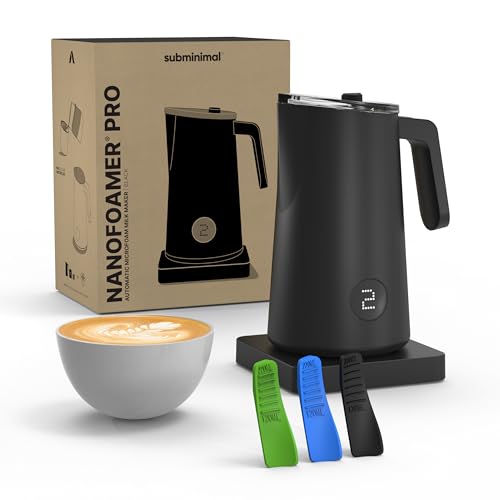
ULTRAFINE TUNING FOR PERFECT MICROFOAM: The Subminimal NanoFoamer Milk Foamer Pro Gen-2 features an innovative impeller height adjuster that raises or lowers the impeller by 0.4mm per click. Fine-tune the vortex to achieve the ideal magnetic balance for smooth, rich foam. Subtle yet effective adjustments make even tricky milk alternatives manageable, making this mixer a must-have in your collection of kitchen appliances and gadgets.