
You’re probably wondering why some cold‑brew concentrates taste flat after dilution, and you’re right to ask. Use a 1:4 coffee‑to‑water ratio, grind the beans coarse like kosher salt, and steep 18 hours in filtered water at room temperature; this gives a bold, smooth base that won’t lose character when you add ice or milk. After steeping, filter twice—first through a fine‑mesh sieve, then a paper filter (pre‑wet to save volume)—and store the concentrate sealed in the fridge for up to two weeks. Now you’ll have a bright, high‑yield concentrate ready for any iced coffee creation.
Pick the Perfect Coffee‑to‑Water Ratio for Cold‑Brew Concentrate
You’re probably wondering which coffee‑to‑water ratio will give you the right balance of strength and flexibility for a cold‑brew concentrate. Here’s the thing: a 1:4 ratio delivers a bold base, perfect for milk‑heavy drinks, while 1:5 lands you a versatile middle ground that keeps the flavor profile bright yet smooth. If you prefer a lighter concentrate that still holds up after dilution, aim for 1:8. Obviously, the stronger the brew, the more ice or milk you can add without losing character. Store your concentrate in a sealed jar in the fridge; it stays fresh for up to two weeks, preserving that nuanced flavor profile. Cold brew typically typically: 1:8 is the standard for a balanced, low‑acidity concentrate that works well across many dilution ratios. Which ratio fits your serving plan? If you’ll be mixing equal parts concentrate and water for a strong sip, 1:4 works best. For a 1‑part‑to‑4‑parts water mix, 1:5 gives a balanced cup. When you want a gentle brew that needs little dilution, 1:8 is ideal. Takeaway: Choose the ratio that matches your intended dilution, then chill and store. Next, think about how you’ll grind and prep the water for optimal extraction. A well‑steeped batch benefits from a 12‑24 hour steep to fully develop its smooth flavor. Using coarsely ground beans helps prevent over‑extraction and ensures a clean, low‑acid cup. The low‑acid profile makes the concentrate gentle on the stomach and ideal for daily consumption.

One 10 oz bag of Gevalia Guatemalan Single Origin Special Reserve Coarse Ground Coffee

Coarse ground coffee optimized for cold brew

Coarse ground coffee optimized for cold brew
Grind & Prep Water for Cold‑Brew Concentrate
How do I choose the right grind and water for my cold‑brew concentrate? You’re probably wondering why the grind matters when you’re not using hot water. Here’s the thing: coarse, kosher‑salt‑size particles give you grind uniformity, prevent over‑extraction, and keep filtration smooth. Use a burr grinder; it creates consistent particles and avoids the fine dust that clogs filters.
Now, water quality and temperature are just as essential. Filtered water at room temperature or cold is standard, but a quick 10 % bloom with water around 200 °F (93 °C) can wake the beans before you add the cold rest. Make sure the water fully wets every particle, eliminating dry pockets.
Coarse grind helps maintain a balanced extraction profile across the steeping period. All right, you’ve got the grind and water sorted. The takeaway: coarse, uniform grounds plus clean, appropriately‑temp water set the stage for a clean, strong concentrate. Next, you’ll want to steep it for maximum flavor—ready for that step? The particle size determines how quickly flavors are extracted, influencing both strength and smoothness. Uniform particle distribution further ensures consistent extraction throughout the brew.
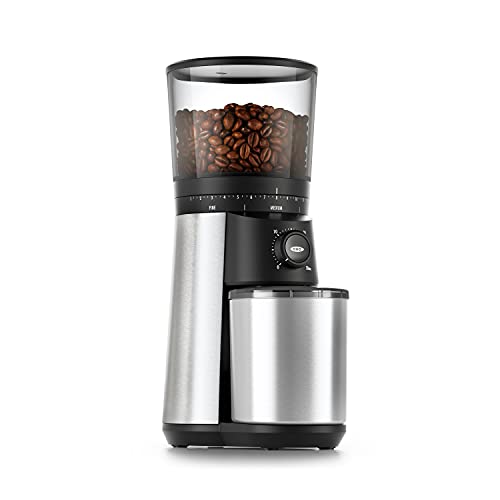
40mm stainless steel conical burrs: Precision grinding system produces uniform coffee grounds to ensure even extraction for rich, balanced flavor in every cup.

12 CUSTOM SETTINGS: The adjustable coffee grinder allows you to choose from coarse to fine for brewing styles like drip coffee, French press, and cold brew. For best results with espresso, use the two finest settings and freshly roasted beans

Tired of small batches? Meet the world's first manual grinder with a massive 60g capacity—Hold twice the beans of the standard grinders. 2X the beans, 0 interruptions! Now you can grind exactly what you need in one grind session, instead of two. Grind less, brew more. Perfect for french press, cold brew, pour-over, camping, travel, big families, or mornings that can't wait.
Steep Cold‑Brew Concentrate for Maximum Flavor (Ideal 18‑Hour Time)
If you’re wondering why 18 hours keeps popping up as the sweet spot, it’s because cold‑water extraction is slow, so you need that extra time for the beans to fully release their sugars and acids.
Why 18 hours?
Now, at 18 hours the brew hits a solid concentration without over‑extracting. You’ll notice a smooth flavor balance—sweetness, body, and a hint of chocolate—while bitterness stays low. Anything beyond 20 hours just adds harsh notes, not strength.
How to time it
Here’s the thing: set a timer for 18 hours, then check the strength. If you’re in a cooler kitchen, you might need a couple more minutes; a warm room may shave a few off. Keep the temperature stable, and you’ll get repeatable results.
Takeaway
Use 18 hours as your default extraction timing for maximum flavor balance. Adjust a bit if your grind or temperature differs, then move on to filtering for a smooth finish. A proper nitro infusion system can later turn this concentrate into a café‑style, creamy coffee.
The coarse grind ensures that the extraction proceeds evenly during the long steep.
You can also experiment with adding a splash of cold brew concentrate to iced tea for an extra energy boost.
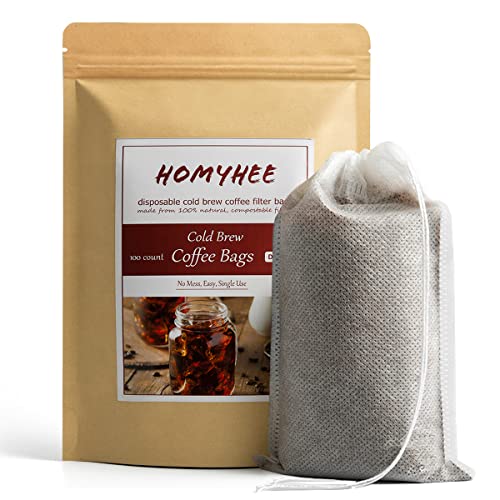
Easy Use Cold Brew Coffee Filter Bags - over 1 cup capacity bags (4" x 6"), Recommended 100g grounds in 32oz mason jar. Use with your favorite cold brew coffee grounds, the cold brew bags filter well all kinds of coffee grounds, no matter coarse or fine

Commercial Size Disposable Cold Brew Bags - at 8" Wide x 12" Tall, each HOMYHEE cold brew extra large filters holds up to 8 cups of coffee grounds for making cold brew concentrate in 1 or 2 gallon (or bigger) jars and buckets. Perfect for brewing cold brew and tea in commercial settings, such as: restraunts, offices, parties, events, weddings, cafes and coffee shops.

Fit 64 oz Wide Mouth Mason Jar for convenient brewing.! Enjoy smooth, rich coffee with our fine mesh stainless steel filter.
Filter & Clarify Cold‑Brew Concentrate for a Smooth Finish
Why does my cold‑brew concentrate look cloudy after the first strain? You’ve already removed bulk grounds with a fine‑mesh sieve, but fine particles and coffee oils still linger, creating haze.
How do I choose the right filter media for sediment reduction?
Now, run the liquid through a standard coffee filter. The paper captures the tiny sediment that slipped past the mesh. Pre‑wetting the filter cuts absorption, so you keep more concentrate. If you want extra clarity, follow with a cheesecloth or nut‑milk bag; this second pass catches any remaining specks. Using a paper towel as an emergency filter can work in a pinch, but it may introduce unwanted chemicals and affect flavor.
What’s the best way to avoid re‑suspending particles?
All right, let the brew drip slowly—don’t press or squeeze the grounds. Minimal agitation keeps the sediment settled, and the double‑filter setup gives a smooth finish without bitterness.
Takeaway: Combine a mesh screen with a pre‑wet paper filter, then a gentle cloth pass for maximum sediment reduction and a crystal‑clear concentrate. Next, think about how you’ll dilute and serve it. Burr grinders provide uniform particle size which is essential for consistent extraction and a clean mouthfeel. Regular descaling of your equipment prevents mineral buildup that can cloud the final brew.
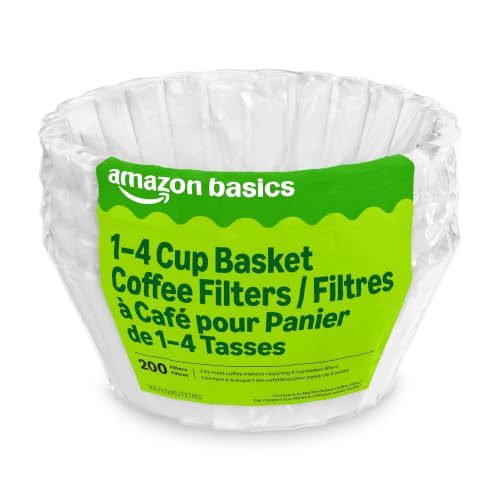
WIDE COMPATIBILITY: Contains 200 white 1-4 cup basket style coffee filters designed to fit most coffee makers requiring 4 cup basket filters

SHIPMENT CONTAINS: 200 white basket coffee filters that fit most 8-12 cup basket coffeemakers

102 white #4 cone coffee filters; fit most 8-12 cup cone coffeemakers
Dilute, Store & Serve Your Cold‑Brew Concentrate
When you stare at that cloudy concentrate and wonder how to turn it into a smooth cup, you’ve hit the right spot.
How do I dilute it?
Start with a 1:1 water‑to‑concentrate mix for a balanced cup; if you like it stronger, try 1:4, and for a lighter brew, go 1:6. Adjust with milk or ice, remembering ice will keep diluting as it melts. Taste after each pour, then fine‑tune.
How should I store it?
Keep the filtered brew in a sealed jar or pitcher in the fridge. Cold temperature preserves flavor‑profile and fl preservation, letting you sip fresh‑tasting coffee for several days.
What’s the best serving trick?
Pour over ice, add a splash of water or milk, and enjoy an iced latte base. Consistent ratios keep the flavor‑profile steady across servings.
Takeaway: Dilute, store cold, and serve cold for optimal fl preservation. Ready to try your first perfect cup?
A well‑controlled brew temperature enhances extraction consistency.
The high‑pressure extraction of espresso creates a concentrated shot with a crema layer, contrasting the French press’s longer steeping time.
Remember to regularly rinse the French press after each use to prevent lingering oils that can affect the taste of your cold brew.

EASY TO USE & CLEAN - Brew smooth cold brew coffee in just a few steps. No complicated setup needed, just Add grounds, pour water, and steep. This cold brew coffee maker is designed for everyday use, with dishwasher-safe parts for quick cleanup. (DO NOT ADD WARM OR BOILING WATER)

Package Includes: 2 x Cold Brew Coffee Jars, 2 x Stainless Steel Filters, and 2 x Cleaning Brushes

【Premium Cold Brew Kit】: Our kit comprises a 64-ounce cold brew pitcher equipped with a convenient pour spout lid, a high-quality stainless steel filter, and a cleaning brush. It should be noted that the glass is not suitable for extreme temperature changes; boiling water must not be added. Ideal for the home office, our cold brew coffee pitcher enables you to relish delicious and refreshing coffee without having to leave the comfort of your home workspace.