
Making cold brew in a French press is straightforward—you’re just steeping coarse grounds and cold water together. Use a 1:4 or 1:5 coffee-to-water ratio by weight for concentrate, then let it sit 12–24 hours at room temperature or in the fridge. Plunge slowly over 15–30 seconds to avoid resuspending fine particles. You’ll get smooth, grit-free coffee without the bitterness of hot brewing. The specifics of timing, grind selection, and storage matter more than you’d think.
Measure Your Coffee and Water
Since you’re making cold brew in a French press, you’re probably wondering where to start—and the answer is simpler than you’d think. You need two things: a measurable coffee dose and water that fits your press.
Start with coffee metrics. Use roughly ¾ to 1 cup of coarse grounds per 4 cups of water, or stick with weight: 100 grams coffee to 500 grams water. Weight beats volume every time for brew consistency.
Now, match your water to the press size. Fill it leaving room for the lid and plunger. Overshooting makes plunging harder and ruins your control.
Here’s the thing: water isn’t just filler. You’re using it to dial in strength. Measure precisely—in grams if possible—so you nail the same results batch after batch. For concentrated cold brew, use a 1:5 ratio instead, which yields twice the amount of coffee after dilution and takes up less fridge space.
A proper coffee‑to‑water ratio ensures the brew isn’t too weak or overly strong, which is essential for a balanced flavor. Different grind sizes affect extraction speed, so using a coarse grind helps prevent over‑extraction in cold brew. Ready to steep? optimal steep time is typically four minutes for a smooth, balanced cup.
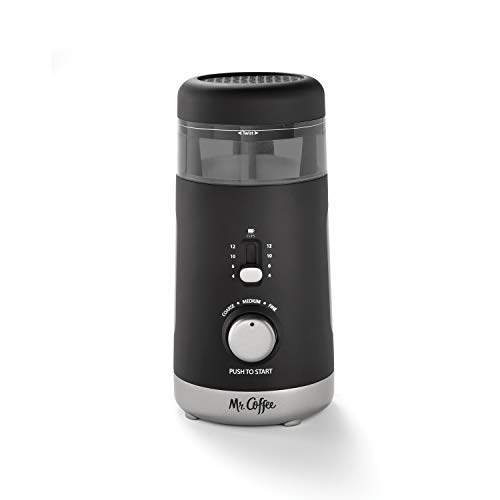
Hands-free Grinding: Automatic settings for efficient, stress-free use

EASILY SELECT GRIND SIZE AND CUPS OF BREWED COFFEE: Whether you need a fine grind size for espresso or a coarse grind for French press, we've got you covered. Just turn the grinder's adjustable selection ring. Grinds enough to brew 4-14 cups.
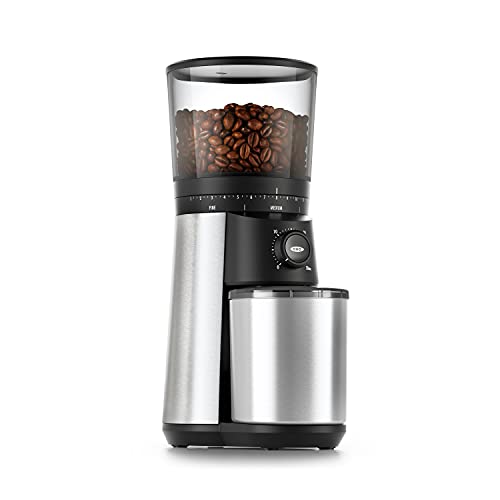
40mm stainless steel conical burrs: Precision grinding system produces uniform coffee grounds to ensure even extraction for rich, balanced flavor in every cup.
Pick Your Grind and Ratio
You’ve nailed your measurements—now comes the part that actually makes or breaks your brew. Grind size matters way more than most people realize because it directly controls extraction and flavor.
Why Coarse Grind Wins****
Go coarse—we’re talking kosher salt size. Coarse particles extract slowly, which matches your long 12–24 hour steep perfectly. You’ll also get less sludge settling at the bottom since larger grounds won’t slip through your mesh filter as easily.
Grind Consistency Changes Everything
Here’s the thing: uniform particle size creates even extraction and balanced flavor. Mix in too many fines, and you’ll end up with bitter, harsh notes. Too coarse overall? Your coffee turns weak and watery.
Finding Your Sweet Spot
Grab a burr grinder—it’ll give you far better consistency than a blade model. Test your grind across a narrow range, adjusting in small steps until you hit the flavor profile you want. The particle size directly influences extraction rate, which is crucial for achieving the desired strength and clarity in cold brew. Incorporating cold brew concentrate into your daily routine can also enhance flavor versatility. Proper water temperature during steeping helps maintain smoothness and reduces bitterness.
Decide: Concentrate or Ready-to-Drink
The choice between concentrate and ready-to-drink cold brew comes down to how you’ll actually drink it. You’re probably wondering which style makes more sense for your routine—and honestly, it depends on your priorities.
Concentrate gives you stronger flavor intensity and better value per serving when you’re making multiple drinks. You dilute it to taste, which means total control. Ready-to-drink skips that step entirely; you just pour and sip.
Now, here’s the thing: concentrate wins on storage lifespan, lasting up to two weeks refrigerated. Ready-to-drink prioritizes convenience over longevity.
Pick concentrate if you’re adding milk, ice, or making specialty drinks. Choose ready-to-drink if you want zero fuss. Your French press handles both beautifully—steeping time and dilution adjust to match whichever format you prefer. Cold brew concentrate is low‑acid and can be diluted to suit any taste. Regularly cleaning the press prevents flavor contamination and keeps each brew tasting fresh.

PREMIUM COLD BREW COFFEE: Enjoy the Starbucks cold brew coffee you love at home with this 32-fluid ounce bottle of Starbucks Cold Brew Concentrate Signature Black

PREMIUM COLD BREW COFFEE: Enjoy the Starbucks cold brew coffee you love at home with this 32-fluid ounce bottle of Starbucks Cold Brew Concentrate Madagascar Vanilla

PREMIUM COLD BREW COFFEE: Enjoy the Starbucks cold brew coffee you love at home with this 32-fluid ounce bottle of Starbucks Cold Brew Concentrate Caramel Dolce
Combine Grounds and Water
Before you add anything to your French press, you need to nail the coffee-to-water ratio—and honestly, this is where most people second‑guess themselves. Start with 1 ounce of coarsely ground coffee to 5 ounces of cold, filtered water for a strong concentrate. Want something milder? Go 1:12 instead.
Now, add your grounds to the bottom first. Coarse grounds reduce sludge and help your filter work better later. Pour cold water slowly in a circular motion over the grounds without creating dry pockets. Stir gently with a spoon to break up clumps and distribute everything evenly.
Place your lid on top with the plunger pulled all the way up—don’t press down yet. You’re ready to steep undisturbed. For optimal extraction, aim for a steeping time of four minutes as recommended before pressing. The French press’s mesh filter coarse grind ensures a clean separation of grounds and liquid. The *extraction physics* of steeping influences the balance of flavors in the final cup.

One 10 oz bag of Gevalia Guatemalan Single Origin Special Reserve Coarse Ground Coffee

Coarse ground coffee optimized for cold brew

Coarse ground coffee optimized for cold brew
Choose Your Steeping Time and Temperature
Now that your grounds and water are sitting together, you’re probably wondering how long to actually leave them alone—and whether your kitchen counter or the fridge makes a difference.
How Long Should You Steep?
Start with 16 hours as your baseline steep duration. That’s the sweet spot most brewers land on, though anywhere from 14 to 18 hours works well. You’re building flavor gradually, so resist the urge to rush it. Push past 20 hours and you’ll risk bitter, woody notes creeping in. Research shows that steeping beyond 36 hours introduces unwanted bitterness and acidity rather than improving flavor complexity. Pressure extraction can dramatically alter the body and intensity of your cold brew. A proper coffee‑to‑water ratio ensures balanced extraction and consistency across batches. Using a consistent grind size helps maintain uniform extraction throughout the steep.
Room Temperature or Refrigerated?
Your temperature range matters more than you’d think. Room temperature (around 60 to 75°F) actually extracts faster and fuller than cold steeping. Both work, but ambient brewing pulls more flavor efficiently. Cover your French press either way to minimize oxidation and keep things clean.
How Long Should You Brew?
Since you’re steeped grounds and water together, the clock’s ticking—but not as fast as you might think. Cold brew extraction works differently than hot brewing because temperature impact slows everything down.
Room Temperature vs. Refrigerator
Countertop brewing typically takes 12 to 24 hours. You’ll get lighter results at the shorter end and stronger caffeine content at 24 hours. Refrigerator brewing extends to 18 to 36 hours since colder temperatures slow brew extraction markedly.
Finding Your Sweet Spot
Most people nail their flavor profile around 16 to 18 hours in the fridge. Start checking at 12 hours, then decide if you want more strength. Longer steeping increases dilution ratio flexibility later—stronger concentrates need more water.
Your Next Move
Choose countertop or fridge, then set your timer. Brewing consistency comes from sticking with one method and temperature. Consistent grind size helps ensure even extraction.
Plunge Slowly to Reduce Sludge
Why does plunge speed matter so much? You’re probably wondering why rushing through the final step ruins all your careful brewing work. Here’s the thing: rapid plunging forces fine particles back into suspension, undoing the natural settling that happened while your cold brew steeped.
A slow plunge keeps sediment control simple. Take about 15–30 seconds applying steady, even pressure rather than one quick push. You’ll feel resistance as the filter compacts—that’s your signal to pause briefly before continuing.
The payoff? You’ll pour a noticeably cleaner cup without grit at the bottom. That controlled motion prevents agitation right when you need it most.
Next, think about what happens after you finish plunging.
A regular descaling routine helps prevent mineral buildup that can affect water flow and flavor.
Using an extra‑fine grind can further reduce sediment and improve clarity.
Properly aligning the filter with the spout ensures a tight seal and minimizes channeling.
Dilute Concentrate or Serve Ready-to-Drink
You’ve got a decision to make once you finish plunging: do you want concentrate that you’ll customize later, or a ready-to-drink batch you can pour right now?
What Brew Ratio Did You Actually Use?
Here’s the thing—your brew ratio determines everything. If you brewed at 1:4 to 1:6, you’ve made concentrate. That’s intentional. You’ll want to dilute it before serving. Now, if you aimed for 1:12 to 1:15, you’re already at drinking strength.
Why Concentrate Gives You Control
Concentrate offers flavor balance and caffeine control. You dilute gradually—start with 1 part concentrate to 1 part water, then adjust. Stronger preference? Try 1:2. Lighter? Go 1:4. Taste as you go. Milk works beautifully too, especially for lattes where that concentrated coffee flavor shines through.
Ready-to-Drink Wins on Convenience
Obviously, ready-to-drink saves time. Pour it straight. No mixing required. Pick your approach based on whether you value customization or immediate drinking.
Using a standard coffee scoop ensures you measure the right amount of coffee for your desired brew ratio.
A proper grind size is crucial for extracting the best flavor during the steep.
Store Your Cold Brew for Maximum Freshness
Now that you’ve decided how you want to serve your cold brew, storage becomes your next move—and it’s where most people accidentally let their carefully brewed coffee go stale.
What Container Should You Actually Use?
You’ll want an airtight container—glass jars or swing-top bottles work best over plastic. Fill it close to the top to minimize air exposure. Tight lids also block refrigerator odors from sneaking in.
Protect It From Light and Cold
Move your brew to the fridge immediately after straining. Store it in the back, where temperatures stay stable around 34°F to 40°F. Light protection matters too—keep it in dark spots or use opaque containers. Concentrate lasts 7-14 days; ready-to-drink stays fresh 3-4 days maximum.
Label your brew date. You’ve got this.
Why French Press Cold Brew Wins
If you’ve ever wondered why cold brew tastes smoother than hot French press coffee, the answer comes down to chemistry—and it’s actually pretty straightforward. Cold water extracts coffee compounds gently, pulling fewer bitter compounds than heat does. You get a cleaner, softer cup without the sharp edge.
Here’s the thing: you also get better tolerance for brewing mistakes. Hot French press demands precision—exact temperature, timing, plunging speed. Cold brew? You’ve got 12 to 24 hours of flexibility. Small errors won’t ruin your batch.
Now, the caffeine boost. Using a concentrate ratio like 1:5 or 1:8 gives you 100–200 mg per serving before dilution. Dilute it however you want—water, milk, ice—and you’ve matched standard drip coffee’s caffeine while keeping that smoothness advantage intact.