
You’re probably wondering how to turn that thick, coffee‑rich concentrate into a smooth cup, and the trick is simple: store it airtight in the fridge, then dilute it 1:1 with chilled water or milk for a balanced iced coffee, adjusting to 1:12–1:14 if you prefer it milder. For a quick hot brew, heat water to 195 °F and mix equal parts concentrate and hot water or milk. Add syrup, blend with ice, or use coffee ice cubes to keep flavor strong without extra dilution—next, you’ll uncover how to fine‑tune strength and flavor.
Define Cold Brew Concentrate vs. Regular Cold Brew
What’s the real difference between cold brew concentrate and regular cold brew? You’re probably wondering why the same beans can taste so different. Here’s the thing: regular cold brew uses about 1:8–1:12 coffee‑to‑water, while concentrate cranks that up to roughly 1:4–1:8, often 1:6. The result is a denser liquid that packs a deeper flavor profile and a higher caffeine content per ounce.
Now, think of regular cold brew as a ready‑to‑drink iced coffee—smooth, low‑acid, mild. Concentrate holds that same smoothness but in a super‑charged form, so you dilute it with water, milk, or a mixer before serving. Obviously, the stronger ratio means each sip delivers more caffeine, letting you customize strength on the fly.
Takeaway: concentrate is a flexible base with intense flavor and caffeine; regular cold brew is a milder, instant‑serve option. Next, decide how you’ll store your concentrate for optimal freshness. Cold brew coffee benefits from a 12‑24 hour steep for maximum smoothness. Using a coarsely ground bean helps prevent over‑extraction and keeps the brew clean.
A longer steep time can also enhance the smooth flavor by allowing more soluble compounds to dissolve without extracting harsh acids.
Store Cold Brew Concentrate for Up to One Week
Where should you keep your cold brew concentrate? You’ll want a Shelfitat airtight jar on the back or bottom shelf of your fridge. That spot stays at 34‑40 °F (1‑4 °C) with minimal temperature stability, protecting flavor from swings that happen on the door.
Now, fill the container almost to the top and seal it tightly. Airtight sealing blocks oxygen, slowing oxidation and staling. Glass works best because it won’t absorb odors, but BPA‑free plastic is fine if you prefer.
Here’s the thing: the first five to seven days hold peak taste and aroma. After that, flavor flattens, but it’s still safe if it smells and looks normal. Sample a sip each day; sour or fermented notes mean it’s time to toss.
All right, keep it refrigerated, sealed, and you’ll enjoy fresh, vibrant coffee all week. Next, you’ll wonder how to dilute it for a balanced iced coffee. Regular descaling prevents mineral buildup that can affect temperature consistency. Proper descaling frequency ensures the machine maintains optimal heating performance. A quick rinse after each use helps prevent coffee residue buildup.
Dilute 1:1 for a Balanced Iced Coffee
How do you get a balanced iced coffee from your cold‑brew concentrate? You start with equal parts concentrate and chilled water or milk, a 1:1 ratio that keeps the brew strong yet smooth. If you use seasonal beans, the flavor stays bright without overwhelming acidity, and you can swap water for milk to explore texture alternatives like a creamy latte‑style chill.
Now, pour the mix over a glass of ice that’ve pre‑chilled. Stir well so the coffee body stays intact and the temperature stays low. If it feels too intense, add a splash of water or milk, but keep the base 1:1.
All right, your takeaway: a 1:1 dilution gives a full‑bodied, low‑acid iced coffee that’s versatile enough for seasonal bean profiles and texture tweaks. Next, decide whether you want to adjust the ratio for stronger or lighter coffee. For a smoother result, consider using a fine mesh filter during the initial brewing process. The grind size should be coarse to prevent over‑extraction and maintain clarity.

FLAVOR NOTES - Rich & Balanced Cold Brew - Premium 100% Arabica concentrate with bold flavor, smooth molasses and cocoa notes, and a hint of fruit—zero bitterness.

Commercial Size Disposable Cold Brew Bags - at 8" Wide x 12" Tall, each HOMYHEE cold brew extra large filters holds up to 8 cups of coffee grounds for making cold brew concentrate in 1 or 2 gallon (or bigger) jars and buckets. Perfect for brewing cold brew and tea in commercial settings, such as: restraunts, offices, parties, events, weddings, cafes and coffee shops.

MAKE DELICIOUS COLD ICED COFFEE & TEA AT HOME: Transform your coffee or tea overnight with the only me coffee cold brew maker designed to brew & drink a delicious cold brew drink. Mix it with milk or flavored syrup for the best brew that no french press coffee can match!
Choose Dilution Ratios for Strong, Medium, Light Coffee
Which dilution should I pick for my coffee mood? You’re probably wondering how the numbers change your flavor profile and caffeine content.
Strong: 1:10 or 1:14?
A 1:10 mix (1 part concentrate, 9 parts water) gives a bold, heavy mouthfeel and the highest caffeine per sip. If you want a slightly softer strong cup, try 1:14 (1 part concentrate, 13 parts water). The extraction method influences the intensity of the brew, much like the differences between French press and espresso extraction technique. A proper pour can also enhance the balance of flavors.
Medium: 1:12‑1:14?
A 1:12 ratio (1 part concentrate, 11 parts water) balances sweetness and smoothness, keeping enough concentrate character for over‑ice serving. 1:14 works similarly but leans toward a gentler flavor profile.
Light: 1:14‑1:16?
For a relaxed, less bitter drink, use 1:14 or 1:16 (1 part concentrate, 15 parts water). This cuts caffeine content and highlights softness.
Takeaway: Start with 1:12‑1:14 for a safe middle ground, then adjust up or down based on how strong you want the flavor profile and caffeine hit. Next, decide whether you’ll heat it or keep it iced. Nitro infusion adds a creamy texture and cascading foam to any dilution level.

ORGANIC BREW: Indulge in the rich, smooth taste of our organic cold brew, Wandering Bear Organic Coffee Concentrate liquid, crafted from 100% Arabica coffee beans. This cold brew coffee not only kickstarts your day but also serves as your breakfast drinks or afternoon refresher, enhancing your coffee experience with its superior quality and flavor.

Great taste: 100% arabica coffee blended with imported French chicory and a touch of spice, making it naturally sweeter and more flavorful than plain coffee. All natural, sugar-free, vegan, low calorie, non-GMO, and gluten-free

Great taste: 100% arabica coffee blended with imported French chicory and a touch of spice, making it naturally sweeter and more flavorful than plain coffee. All natural, sugar-free, vegan, low calorie, non-GMO, and gluten-free
Turn Cold Brew Concentrate Into a Quick Hot Coffee
If you’re wondering how to turn that cold‑brew concentrate into a steaming cup in minutes, you’ve asked the right question.
How do I make a quick hot coffee?
First, heat water to just off‑boil—about 195 °F—using a kettle, microwave, or stovetop. Pour 2 oz of concentrate into a mug, then add an equal 2 oz of hot water or gently warmed milk. Stir until smooth; the blend reaches a comforting temperature in under a minute.
What ratio works for a morning boost?
A 1:1 mix gives a balanced cup; for a stronger kick, try 4 oz concentrate with no extra water, or 2 parts water to 1 part concentrate for a lighter sip. Adjust after tasting.
Why is this method travel‑convenient?
You can pre‑measure concentrate in a small bottle, heat water on the go, and combine in a travel mug—no brewing equipment needed.
Secure the filter before use to ensure a smooth pour and prevent grounds from escaping.
Takeaway: Simple hot water, a mug, and a quick stir give you a fast, portable coffee boost. Ready to customize your next cup?
The percolator’s higher caffeine extraction can be mimicked by using a stronger cold‑brew concentrate.
Make an Iced Latte With Concentrate, Milk, and Ice
Ever wondered why your iced latte sometimes feels flat?
Here’s the thing: you’re probably using too much milk or not enough concentrate, which dulls the flavor profile. The bean origin of your cold brew concentrate carries nuanced notes—think chocolatey Central American or fruity Ethiopian—that get lost if you over‑dilute.
How much concentrate and milk should you use?
Start with a 1:1.5 ratio—2 oz concentrate to 3 oz milk—for a balanced sip. Want a bolder punch? Switch to 1:1. For a milder, cream‑forward drink, try 1:2. Fill a tall glass with ice, pour milk first, then the concentrate, and give it a gentle stir.
What’s the final step?
Taste it. If the acidity feels sharp, add a splash of oat milk or a dash of sweetener. The takeaway: adjust ratios until the bean origin shines through, then enjoy a revitalizing, low‑acid iced latte. Next, consider how a flavored syrup could elevate your drink.
A standard coffee scoop holds roughly 7–8 grams of ground coffee, which is useful for measuring concentrate precisely.
Grind size affects extraction rates, so choosing the right coarseness for your cold brew can enhance flavor consistency.
A proper brew temperature ensures optimal extraction without bitterness.

PREMIUM COLD BREW COFFEE: Enjoy the Starbucks cold brew coffee you love at home with this 32-fluid ounce bottle of Starbucks Cold Brew Concentrate Caramel Dolce

PREMIUM COLD BREW COFFEE: Enjoy the Starbucks cold brew coffee you love at home with this 32-fluid ounce bottle of Starbucks Cold Brew Concentrate Madagascar Vanilla
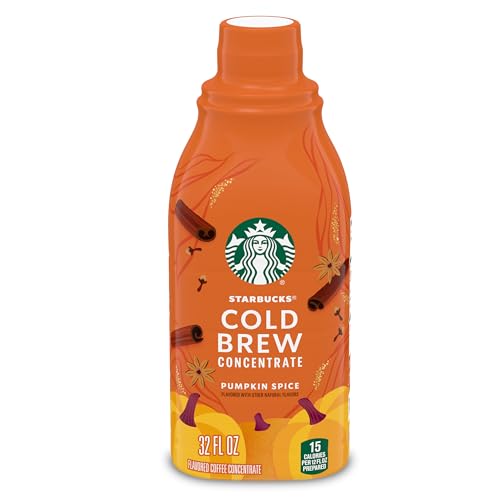
COLD BREW COFFEE: The super-smooth and delicious Starbucks Pumpkin Spice cold brew coffee you love is easy to make at home with our multi-serve concentrate bottle, so you can craft it the way you love it
Add Syrup for a Mocha or Flavored Latte
How do I turn my cold‑brew concentrate into a mocha or flavored latte? You’re probably wondering how a simple syrup swap changes the whole vibe. The answer: pour a tablespoon of chocolate syrup into a sealed jar with one part concentrate, give it a quick 12‑second shake, then add ice and milk. The chocolate swirl creates a rich mocha, while a vanilla infusion—just a dash of vanilla syrup—shifts the drink into a silky latte.
What amount of syrup should I use?
Start with 1 Tbsp chocolate for a standard mocha; adjust up to 2 Tbsp if you like it sweeter. For vanilla, ½ Tbsp works well. Mix the syrup with the concentrate before ice so it dissolves fully; you can warm the syrup a few seconds if it’s thick.
How do I finish the drink?
After shaking, pour the chilled mixture into a glass filled with ice, then top with milk—whole, oat, or half‑and‑half—until you reach your preferred strength. Taste and tweak; a splash of cream or a pinch of sugar can round out the flavor.
Takeaway: A quick shake with chocolate swirl or vanilla infusion transforms cold‑brew concentrate into a café‑style mocha or latte in minutes. The cold brew yields a strong base that stays smooth when diluted. Next, you might ask: how to blend a frappé‑style drink with concentrate, milk, and ice? Regular descaling prevents mineral buildup that can affect flavor consistency. The espresso pressure requirement illustrates why traditional espresso machines differ from capsule systems. Adding a descaling routine helps keep your machine performing at its best.
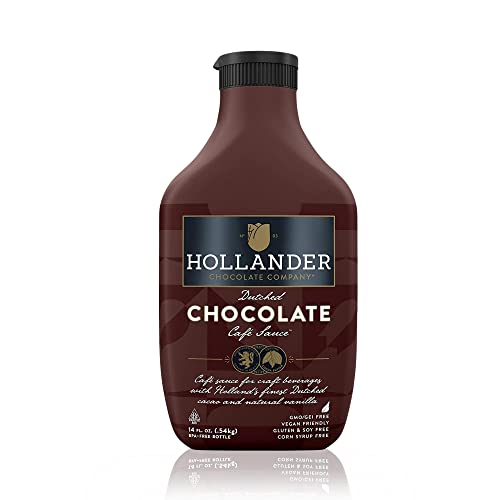
Authentic High-End Chocolate Flavor: Made with Holland's Finest Dutched Cacao (highest grade), Real Cane Sugar, and Natural Vanilla. In Dutch 'Chocoladesaus met Nederlandse Cacao'

Contains one (1) 24-ounce bottle of HERSHEY'S Chocolate Syrup

Zero-Sugar Sweetness: With 0g sugar, 0 calories, and 0g carbs per serving, this naturally sweetened Chocolate Mocha syrup delivers warm, spiced flavor using monk fruit and stevia — no added sugar needed, ever.
Blend a Frappé‑Style Drink With Concentrate, Milk, Ice
You’ve just nailed the mocha, but now you’re wondering how to turn that same concentrate into a frosty, café‑style frappé.
How much concentrate and milk should I use?
Start with half a cup of cold‑brew concentrate and a full cup of milk; adjust up or down based on strength. Add one cup of ice for a classic texture, or a bit more if you like a thicker, frostier sip.
What’s the best way to blend for texture variations?
Blend on high until the mixture looks smooth and frothy, then pulse briefly if you prefer a chunkier bite. A handheld mixer can give light froth, but a blender guarantees café‑style consistency and full froth control.
How do I keep the drink balanced?
Taste before you pour. If the ice dilutes the coffee, add a teaspoon of sugar or a splash of extra concentrate. Serve immediately, then enjoy the creamy, chilled coffee you just created.
*Takeaway: the right ratios and a quick blend give you perfect frappé texture and froth control.*
A proper coffee‑to‑water ratio, such as 1 g per 15 g of water, helps maintain flavor balance even when diluted with ice.

Each serving contains 15 calories

PREMIUM COLD BREW COFFEE: Enjoy the Starbucks cold brew coffee you love at home with this 32-fluid ounce bottle of Starbucks Cold Brew Concentrate Sweetened Brown Sugar Cinnamon

PREMIUM COLD BREW COFFEE: Enjoy the Starbucks cold brew coffee you love at home with this 32-fluid ounce bottle of Starbucks Cold Brew Concentrate Dark Chocolate Hazelnut
Use Coffee Ice Cubes With Concentrate to Prevent Dilution
When you add regular ice to a cold‑brew concentrate, it melts into water and weakens the flavor—obviously not what you want for a strong, consistent sip.
How do coffee ice cubes keep my drink from diluting?
You freeze the concentrate (or a 1:1 mix with water) in an ice‑cube tray. As the cubes melt, they release coffee instead of plain water, so texture preservation stays intact and flavor intensity stays high. OXO recommends a full freeze of at least four hours, preferably overnight, for solid cubes.
What ratio should I use?
Equal parts concentrate and water gives balanced cubes for everyday iced coffee. If you like a bolder brew, use undiluted cubes, but expect a very strong melt. Mix half coffee cubes with regular ice for a milder sip.
What’s the best way to store and use them?
Keep cubes in a zip‑top bag, fully frozen, and add them directly to your glass. They work great in lattes, cold brew, or any drink that sits for a while.
*Takeaway:* Coffee ice cubes preserve texture and boost flavor intensity, letting you enjoy a consistently strong iced coffee. Ready to try making your own?
Fix Bitterness, Over‑Dilution, and Flavor Balance Issues
You’re probably wondering why your cold‑brew sometimes feels harsh or watery, even after you’ve tried adjusting the ice.
How do I stop bitterness?
You’re over‑extracting when the grind is too fine or the brew temperature is too warm. Switch to a coarse grinding size and keep the brew at room temperature or in the fridge for 12‑16 hours. If bitterness persists, filter a second time through paper to catch fines.
Why does my drink taste thin?
You’re probably diluting too much. Start with a 1:6 to 1:8 coffee‑to‑water ratio, then add water or milk in small increments until the flavor feels right.
What if it’s still watery?
Increase coffee grounds to a 1:4 or 1:5 ratio, keep the same steep time, and use a smaller batch for better control.
Takeaway: Adjust grind, temperature, and dilution stepwise; you’ll hit the sweet spot without starting over. Next, try a pinch of salt or a splash of milk to smooth any remaining harsh notes.