
You’re probably frustrated because your coffee swings between sour and weak or bitter and harsh—and you’re right to suspect grind size. Here’s the thing: finer particles dissolve faster, speeding extraction; coarser ones slow it down. Too fine tastes bitter. Too coarse tastes sour. Match your grind to your method—espresso needs fine (180–380 µm), pour-over needs medium-fine (400–700 µm), French press needs coarse (690–1300 µm). Small adjustments matter enormously. Dial in by tasting after each click to find your sweet spot.
How Grind Size Controls Extraction
If you’ve ever wondered why your coffee tastes sour one day and bitter the next—even though you’re using the same beans—grind size is probably the culprit.
Here’s the thing: finer particles create exponentially more surface area for water to contact. This accelerates extraction because soluble compounds dissolve faster. Coarser particles do the opposite—they slow water’s access to those compounds, reducing extraction speed.
Now, grind size and brew time form a critical traction balance. Fine grinds need shorter brew windows because solubles release quickly. Coarse grinds require longer steeping to develop your flavor profile adequately.
This relationship matters because small adjustments shift your cup dramatically. Getting it right means the difference between that sour, underdeveloped taste and harsh bitterness.
The particle size distribution directly influences the extraction rate and overall brew consistency grind texture.
Grinding beans just before brewing helps preserve aroma and reduces oxidation.
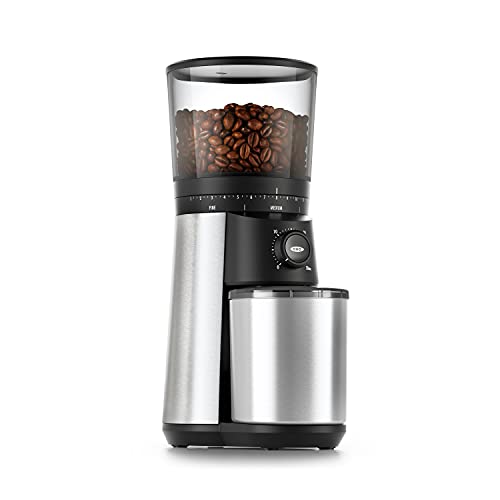
40mm stainless steel conical burrs: Precision grinding system produces uniform coffee grounds to ensure even extraction for rich, balanced flavor in every cup.

EASILY SELECT GRIND SIZE AND CUPS OF BREWED COFFEE: Whether you need a fine grind size for espresso or a coarse grind for French press, we've got you covered. Just turn the grinder's adjustable selection ring. Grinds enough to brew 4-14 cups.
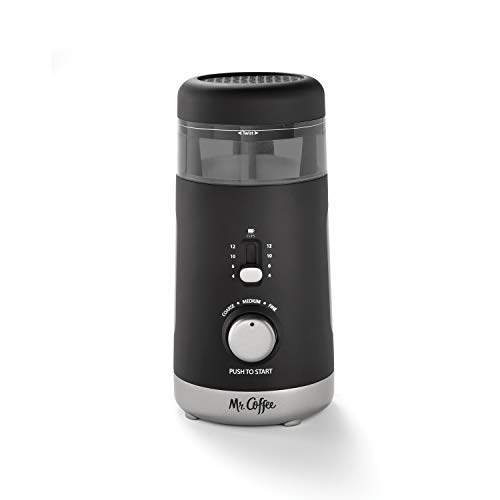
Hands-free Grinding: Automatic settings for efficient, stress-free use
Match Your Grind to Your Brewing Method
You’re probably wondering: “So which grind do I actually use?” Good news—it’s simpler than you’d think, because your brewing method basically tells you what you need.
Why Brew Timing Drives Your Choice
Your brew time and equipment work together. Espresso demands fine grounds (180–380 microns) because pressure extracts flavor fast—around 25–30 seconds. Pour over uses medium-fine (400–700 microns) for balanced flow. Drip makers prefer medium, while French press goes coarse (690–1300 microns) to match its 4‑minute steep.
The Flavor‑Pairing Reality
Grind size controls how water contacts coffee. Finer particles extract quickly; coarser ones need time. Match your grind to your method’s timing, and extraction stays balanced. Cold brew? Go extra‑coarse (800–1400 microns)—those long steep times prevent over‑extraction. Fresh grinding immediately before brewing preserves the optimal aromas and flavors that make each cup distinctive.
Your equipment already hints at the answer. What brewer are you using? Proper pressure control ensures the espresso extracts evenly and consistently. Consistent tamping pressure helps maintain uniform puck density, which is essential for balanced extraction across brewing methods. A well‑calibrated grinder can achieve the necessary particle uniformity for repeatable results.
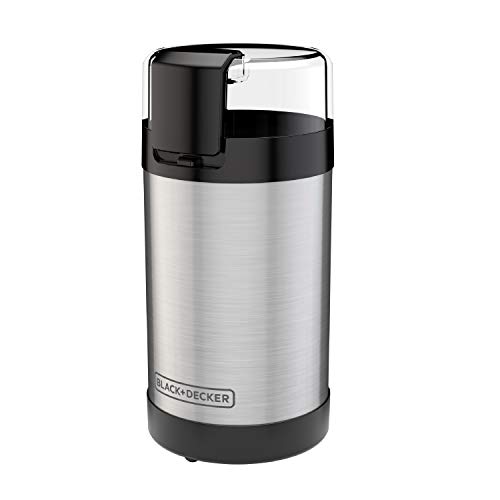
STAINLESS STEEL BLADES AND BOWL - The sharp blades and durable grinding bowl are built to last, delivering uniform grinds with every use
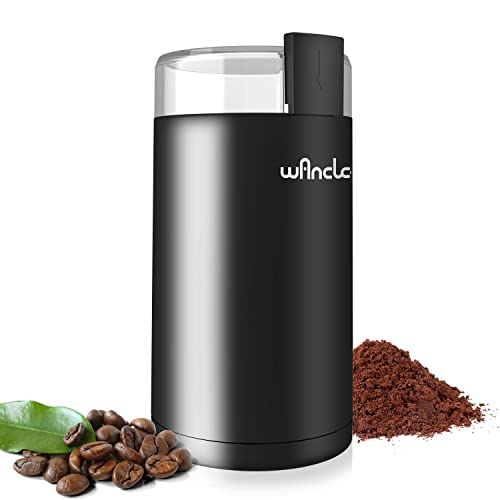
✅【A Secret To Grind Bean Effortlessly】Grinder comes with a pure copper motor and stainless steel blade. Easily observe the grinding situation by a transparent lid, extract the perfect flavor from beans. let you enjoy great coffee in a few seconds.

Electric coffee bean grinder appliance for home use
Choose the Right Grinder for Consistency
Grinding consistency matters far more than most people realize—it’s the bridge between your beans and your cup. You’re probably wondering why your grinder matters so much when you’ve already invested in quality beans. The truth is simple: uneven grounds brew unevenly, giving you sour spots and bitter patches in every cup.
Now, here’s what actually moves the needle. You need motor stability to maintain consistent burr speed under load. Budget burrs can work fine, but pair them with a weak motor and you’ll get slowdowns that wreck uniformity. Look for grinders with stepped adjustments—they let you repeat winning recipes without guesswork.
Conical burrs forgive inconsistencies better than flat ones. Either way, you’re after something stable enough to handle your chosen brew method reliably.
grind size uniform is crucial for extracting the optimal flavor profile from your beans. What brewing method do you use most? Understanding the impact of particle size distribution can dramatically improve taste consistency across brewing methods.
A properly calibrated grinder also helps prevent channeling by ensuring even extraction throughout the puck.

Slim, powerful grinder with precise settings from fine to coarse, with 15 settings and 29 micro-adjustments
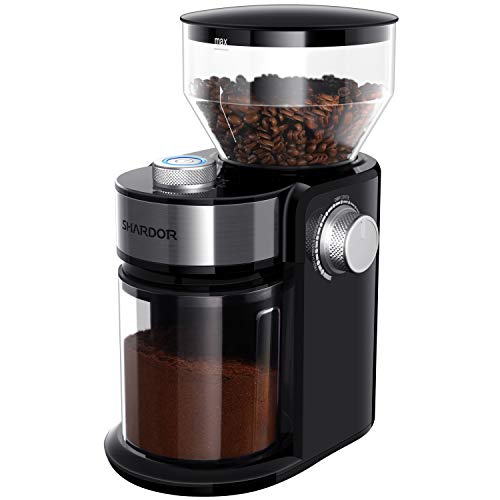
[ UNIFORM BURR GRINDING ] Premium metallic flat burr mill ensures consistent, uniform grounds without burning beans. Perfectly preserves rich coffee aroma for pour-over, drip, and cold brew.
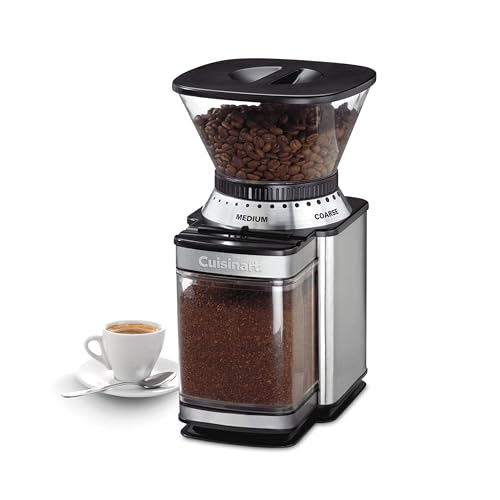
ENJOY OPTIMUM FLAVOR: The Cuisinart Coffee Grinder with 18-position slide-dial grind selector provides a uniform grind from ultra-fine to extra-coarse to ensure your fresh coffee beans are ground exactly the way you prefer.
Dial In Your Grind: Fixing Sour and Bitter Coffee
Sour coffee tastes thin and tangy—like underripe fruit—while bitter coffee tastes harsh and dry, almost astringent. You’re experiencing extraction problems, and grind size fixes both.
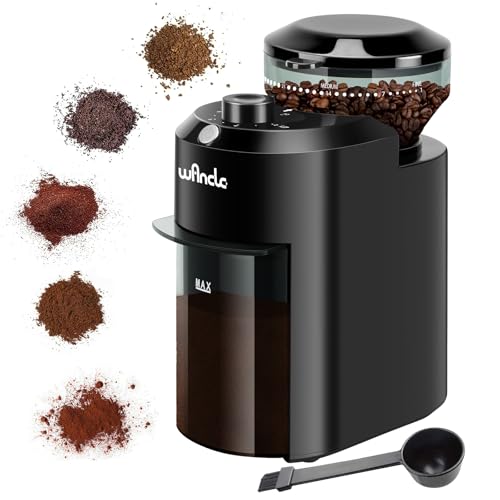
✅ [Consistent Flavor Extraction]: Our electric burr coffee grinder offers 28 precise grinding settings, allowing you to adjust it freely according to your taste, from coarse to fine grinding. This ensures that every cup of coffee has a good, even grind and flavor extraction while retaining the oils without generating excessive heat.

40 EXTERNAL ADJUSTABLE GRIND SETTINGS - Unlike traditional grinders with internal adjustments, our manual coffee grinder offers 40 precise external settings. The easy-to-use adjustment ring lets you select your perfect grind level, broadening your coffee flavor options without the mess of stray grounds. Perfect for espresso, pour-over, French press, and more.
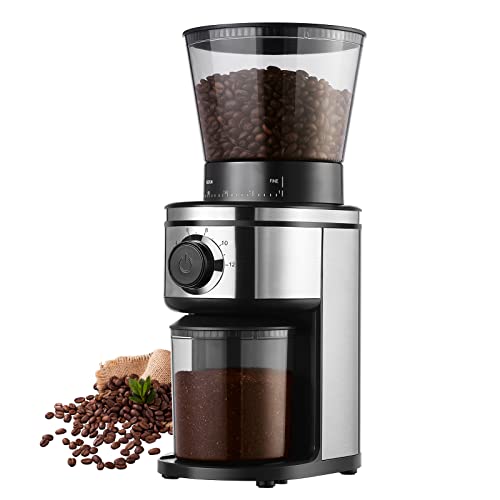
【Durable Conical Burr】With 40-millimeter stainless steel conical burrs, OLLYGRIN burr coffee grinder ensure optimal flavor extraction and create uniform grounds.
What’s Your Cup Telling You?
For sour mitigation, go finer. Finer particles increase surface area, letting water dissolve more flavorful compounds faster. You’ll notice brew time slow down—that’s the fix working. Start with one grinder step smaller, brew, and taste.
For bitter reduction, go coarser. Coarser particles slow extraction, preventing harsh overextraction. If your cup tastes silty or overly dry, this adjustment helps most. Consistent particle size from a quality burr grinder ensures your adjustments produce reliable flavor changes rather than unpredictable results.
Make One Change at a Time
Keep everything constant—dose, water temperature, method—while adjusting grind alone. Brew a baseline cup first. Then test finer and coarser versions side by side.
Track your brew time. Around 2:45–3:30 hits the sweet spot for pour-overs. Under 2:00 suggests coarser; over 4:00 suggests finer.
Weekly descaling helps prevent mineral buildup that can alter water flow and affect extraction consistency. What’s your current brew time? The paper filter in a Chemex must be rinsed before brewing to eliminate paper taste and ensure proper flow. Listening for the change in sound of the grinder can also signal when you’ve reached the optimal grind duration.
Grind Fresh to Preserve Flavor
Oxidation. When you grind beans, you expose millions of new surfaces to oxygen. Those essential oils—the compounds creating vibrant, nuanced flavors—dissipate rapidly once exposed to air.
Why flavor retention matters
Whole beans protect aromatic compounds inside their structure. Ground coffee loses that protection immediately. Your flavor window shrinks fast: within minutes, oxidation dulls the coffee’s character and reduces aroma preservation markedly.
The simple fix
Grind immediately before brewing. You’ll capture delicate flavor notes water can’t extract from stale grounds. Only grind what you need for each brew, keeping remaining beans whole.
Store whole beans in airtight containers in cool, dark spaces. This extends freshness dramatically compared to ground coffee sitting exposed.
Ready to dial in your grind size? Using a burr grinder ensures consistent particle size for optimal extraction.
A French press’s longer extraction time allows more of those volatile compounds to be released, enhancing the final cup’s depth.
shaking heated milk can also create a light foam that helps preserve flavor when added to coffee.
Troubleshoot Common Grind Size Problems
How’d you know your grind size was actually the problem? You’re probably noticing something off—maybe your espresso’s choking, or your pour‑over tastes sour and weak.
Here’s the thing: grind consistency directly controls extraction balance. Too fine, and you’ll get bitter, harsh cups with slow drips. Too coarse, and you’re pulling weak, watery shots because water races through without extracting enough flavor.
The fix? Make small adjustments—one click at a time. Coarser grinds increase particle size and restore flow. Finer grinds extend contact time for better extraction. Taste after each change so you’ll nail that sweet spot where everything balances perfectly.
Now start adjusting: which direction does your coffee pull you toward first? You can also try using an extra‑fine grind and higher coffee‑to‑water ratio in a French press to approximate an espresso‑like brew, though it won’t reach the 9 bar pressure needed for true espresso. Understanding grind size impact helps you fine‑tune each brew. Using an espresso‑grade grind can prevent channeling and improve crema formation.

【Thinner 14 Needles】 Needles evenly distributed design. 7 food-grade stainless steel needles, 0.35mm diameter, the perfect size for breaking up coffee clumps, plus 7 replacement needles. Thoughtful needles storage tube. Say goodbye to the bent needles

【A Perfect Espresso Shot Companion】 Nessus espresso distributor includes 10 food-grade stainless steel needles with a 0.35mm diameter, which is the perfect size to break up coffee clumps. For added convenience, we provide an extra set of 10 needles in a storage tube. A good choice to add this espresso machine accessories to your coffee bar!

Even Espresso Extraction - This coffee stirrer uses 5 fine 0.4mm needles which help to distribute the coffee evenly in the filter when the barista is making the coffee to promote a more even extraction and better espresso. Eliminates clumping and improves consistency.