
You’re right to wonder why your milk never looks like café‑grade micro‑foam; it’s all about cold, full‑fat, fresh milk, a proper pitcher, and precise wand work. Start with 12‑oz stainless steel, tilt the wand off‑center, and give a one‑second “tss‑tss” air burst before lowering it to create a steady vortex; keep the milk at 150‑155 °F, tap and swirl to pop big bubbles, and stop when the pitcher feels too hot to hold. Mastering these steps gives you silky, glossy foam and sets you up for the next tip.
Choose Cold, Full‑Fat, Fresh Milk for Steaming
If you’ve ever wondered why baristas swear by fridge‑cold milk, the answer is simple: colder milk buys you a longer, more forgiving steaming window.
Why does the milk source matter? You’ll notice that milk straight from the refrigerator sits at 39–45 °F, giving you extra seconds to introduce air before the proteins destabilize. That extra time lets you stretch and texture the froth without scorching, so the foam stays glossy and stable.
What about full‑fat versus low‑fat? Whole milk’s higher fat content creates a richer, creamier froth texture, while its protein level still traps air well. The fat adds mouthfeel, making the foam denser and more forgiving for beginners.
Why choose fresh milk? Fresh milk’s proteins and sugars are in peak condition, so you get smooth microfoam ideal for latte art. Older milk often yields flat, thin foam and a muted flavor.
Takeaway: pick cold, full‑fat, fresh milk from a reliable source, and you’ll consistently achieve silky, stable froth. Next, consider how pitcher size and material affect your steaming technique.
A well‑designed handheld frother can deliver consistent foam without the need for a full espresso machine.
For optimal results, select a bar‑strength almond milk that has been specially formulated for steaming, as its protein balance and added stabilizers improve foam durability.

Brought to you by Whole Foods Market

Half gallon (64 oz) of organic skim milk

365 by Whole Foods Market products give you that dance-down-the-aisles feeling, virtual aisles too!
Pick the Right Pitcher Size, Shape & Material for Steaming
You’re probably wondering why a 12‑oz pitcher feels so different from a 20‑oz one. The answer lies in Pitcher ergonomics: a smaller jug fits your hand, lets you control foam expansion, and matches the 2× milk‑for‑steaming rule for single cappuccinos or cortados. A 20‑oz pitcher gives you room for standard lattes and batch work, but its bulk can drown out fine‑art movements.
All right, choose shape based on pour goals. Narrow spouts act like a painter’s brush for hearts and rosettas, while round spouts feel forgiving for beginners. A tapered body channels milk, helping foam integrate smoothly.
Here’s the thing: Material sustainability matters. Stainless steel dominates because it resists corrosion, stays non‑reactive, and endures countless steam cycles—lasting longer than plastic or glass alternatives. Using a laser‑welded spout ensures the pitcher is more durable than spot‑welded alternatives.
Takeaway: Pick a pitcher that fits your drink volume, feels balanced in your hand, and is built from durable stainless steel. Next, think about how you’ll position the wand for supreme aeration. You can also improve foam stability by selecting a milk with higher fat content, as higher‑fat milk creates richer bubbles. Proper temperature control, aiming for 140–150 °F (60–65 °C), helps achieve that velvety micro‑foam texture.
Choosing the right milk preparation can also affect the overall coffee experience, as micro‑foam contributes to a smoother mouthfeel and better flavor integration.

304 STAINLESS STEEL: Amrules 12oz creamer pitcher are crafted of 18/8 food grade stainless steel. The pitcher features external mirror finish and internal hairline finish. It is sturdy, durability, rust-resistant and resistant to deformation

【Food Grade Material】This milk frothing pitcher is made of high-quality 304 stainless steel, which is rust proof, stain proof, and heat resistant. It has a stylish appearance and is very easy to clean after use.

【Premium Food-Grade 304 Stainless Steel】Milk frother cup is made of premium food-grade 304 stainless steel, this non-toxic, odorless coffee pitcher ensures safe daily food contact. It delivers outstanding rustproof, stain-resistant and heat-resistant performance for durable use. Adopting seamless welding technology, the integrated body and handle feature solid structure.
Position the Wand for Aeration & Vortex While Steaming
When you wonder why the wand’s tip seems to “float” at the milk surface, it’s because that tiny gap is the secret to silky micro‑foam. You’ll feel a gentle “tss‑tss” as the tip kisses the surface, creating tiny bubbles without splashing. Keep the wand off‑center, just below the surface, and you’ll hit the perfect aeration depth.
All right, now set the wand at a 40‑45° angle and point it toward the center‑bottom of the pitcher. This Vortex positioning creates a smooth whirlpool that circulates the milk evenly. If the swirl stalls, nudge the tip a few millimeters toward the wall; avoid pointing straight at it or you’ll break the vortex.
Here’s the thing: once you hear the paper‑tearing sound, lower the tip deeper to stop air intake and let the whirlpool work. Tilt the pitcher as the milk rises to keep the tip near the surface early on. The takeaway? Precise aeration depth and steady vortex positioning give you consistent, velvety micro‑foam. The correct wand angle is essential for maintaining a stable vortex and preventing splatter. Regularly descale the machine to avoid mineral buildup that can affect steam pressure. Ready to master the first seconds of controlled aeration? Use whole dairy milk for richer, creamier foam.
A proper descaling routine removes mineral deposits that can reduce steam efficiency.
Master the First Seconds: Controlled Aeration in Steaming
You’ve probably wondered why the first few seconds of steaming feel like a race against time. You need early timing, because before the milk hits 100 °F you can stretch it with air, shaping foam texture and setting volume. Here’s the thing: start the wand at the surface, keep full pressure, and listen for a soft “tss‑tss‑tss”. That sound cue tells you you’re injecting air correctly; a loud splash means you’ve gone too far.
All right, match the aeration length to your drink. A latte needs only about one second, a cappuccino three to five, whole‑milk a bit longer. Adjust pressure control gently to avoid big bubbles, then lower the wand once the stretch feels right.
Takeaway: Master the first‑second stretch by watching temperature, hearing the right sound, and timing the air burst. Next, learn how to swirl and heat for glossy microfoam.
proper temperature monitoring] is essential to avoid curdling.
A simple mason‑jar shake can produce surprisingly fine foam when shaken vigorously for 30 seconds.
Adding a coarse grind to the milk can help prevent over‑extraction and keep the foam smooth.
Using a pre‑chilled frother before steaming can improve foam stability and volume.
Swirl, Heat & Refine to Glossy Microfoam While Steaming
If you’re wondering why the milk starts to look glossy after a few seconds of swirling, it’s because the steam wand is creating a steady vortex that folds air into tiny bubbles. You position the tip just below the surface, near the pitcher side, and tilt it toward the center. This kick‑starts vortex dynamics, keeping the milk moving in a smooth whirlpool while you add heat.
Now, after the first burst of air, lower the wand a touch. The rolling motion refines the foam, breaking larger bubbles into a paint‑like sheen. Small hissing sounds tell you micro‑bubbles are entering at a controlled rate, and temperature control stays steady as the milk circulates.
All right, finish with a quick tap and a gentle swirl. The knock‑and‑swirl routine pops any stray bubbles and gives the milk a shiny, silky surface. The takeaway: a consistent spin, proper wand angle, and steady temperature produce glossy microfoam ready for latte art. Regularly descale the machine to prevent mineral buildup that can affect steam pressure and foam quality. Consistent water temperature is key to achieving the ideal microfoam texture. Milk proteins are essential for stable foam formation. What will you try next—testing different pitcher sizes or perfecting your pour?
Monitor Temperature: Aim 150‑155 °F (65‑68 °C) While Steaming
Why does hitting 150‑155 °F matter? You’re probably wondering why that narrow band matters for foam. It’s the sweet spot where milk’s natural sugars peak, texture stays silky, and micro‑foam holds its shape without scorching.
How do you keep it there? Stick a digital thermometer just under the surface, where the steam jet hits, and watch the needle climb. Start with cold milk, then steam for 8‑12 seconds, adjusting the wand depth as the temperature rises.
What’s the cue to stop? When the reading hits 150‑155 °F, you’ve locked in maximum sweetness and mouthfeel. Take the pitcher off, give it a quick swirl, and you’re ready for latte art.
Takeaway: Precise thermometer placement and a short, controlled steaming duration guarantee perfect milk every time. Ready to try it? Regular descaling prevents mineral buildup and keeps the steam wand operating at optimal pressure. Descaling also maintains optimal pressure for consistent steam output. Properly descaling your machine ensures the steam wand maintains steady temperature during frothing.
Stop When the Pitcher Is Too Hot to Hold After Steaming
When should you stop steaming if the pitcher feels too hot to hold? You’ve probably wondered why the “too hot to hold” sensor cue matters. The answer lies in timing: the moment the handle or base burns your palm signals you’ve hit the sweet spot, usually around 150 °F. That tactile calibration protects you from burn prevention while keeping milk in the ideal 130‑155 °F range.
All right, treat the hand test as a backup, not a thermometer. You’ll feel the metal warm quickly, then the whole pitcher becomes uncomfortable—stop immediately. This prevents scalding and flat flavor.
Takeaway: Trust the hot‑hand cue, stop at the uncomfortable moment, and you’ll preserve texture and taste. Ready to fine‑tune your whirlpool technique next?
A paper towel can be used as a temporary emergency coffee filter, but it may introduce chemicals and affect flavor.
Troubleshoot Steaming Mistakes: Over‑Aeration, Stagnant Milk, Low Pressure
Over‑aeration, stagnant milk, and low pressure are the three most common steaming pitfalls that turn silky microfoam into a frothy mess. You’re probably wondering why your latte looks like a milkshake. Let’s debug it.
Why does my foam feel airy?
Here’s the thing: you only want air in the first 15–20 seconds. If the wand tip stays just under the surface too long, you’ll hear a loud tearing sound and get large, dry bubbles. Stop aeration once the volume rises modestly, then lower the wand and keep the milk swirling. The takeaway: early, controlled aeration preserves foam stability.
What if the milk stops spinning?
Obvious sign of a stagnant vortex. Position the wand off‑center, tilt the pitcher, and watch the surface whirl. If the spin stalls, tap and swirl the pitcher to revive circulation. The result is a uniform microfoam that holds its shape.
Why is my steam weak?
Low pressure slows heating and aeration. Warm‑up the machine fully, purge the wand, and check the tip isn’t clogged. Weak pressure may need a few extra seconds, but avoid over‑steaming. Use foam pressure diagnostics to gauge steam strength and keep texture consistent. The takeaway: steady pressure yields smooth, stable foam.
Now you know how to spot and fix each mistake. Next, ask yourself: have I cleaned the wand after each use?

[Premium Material] - The milk frothing pitcher and coffee art pens are made of food-grade stainless steel, rust-proof, stain-proof, heat-proof, nontoxic, unbreakable by daily use.Easy to clean, dishwasher safe;

Perfect Combination Of Milk Frothing Pitcher And Latte Art Pen: The milk frother jug can be used in different ways: froth or steam milk for lattes; measure liquids; serve milk or cream. Featured with a latte art pen which can shape kinds of beautiful coffee pattern. Perfect for making frothing or steaming milk for espresso, cappuccino or hot chocolate. Be your own barista in home and office.
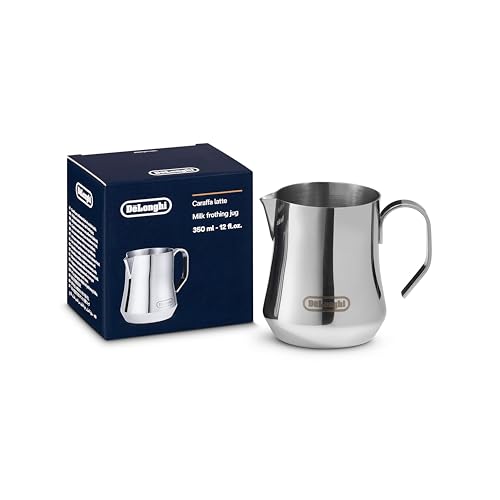
Stainless Steel Milk Frothing Jug
Clean the Steam Wand After Each Steaming Session
You’ve just fixed the aeration and vortex issues, but now you’re wondering why the wand still feels sticky after a perfect pull.
Why does the wand stay gritty?
Because milk residue clings to the tip and inner tube, turning the next steam burst into a mess.
How do you keep wand hygiene spot‑on?
First, purge for 2–3 seconds right after steaming to blast out trapped milk. Then wipe the wand with a clean, damp microfiber while the milk is still soft; a dry cloth only spreads it. If you feel any blockage, give the tip a quick pin‑clear and wipe again.
What should your cleaning schedule look like?
After every session: purge, wipe, purge again if needed. Daily: soak the tip in warm water with a mild detergent or baking‑soda mix, then rinse and wipe. Monthly: deep soak with a milk‑protein cleaner.
Takeaway: Consistent purging, damp wiping, and periodic soaking protect flavor and performance. Ready to try this routine on your next latte?
Switch water between purges to avoid re‑introducing dirty water.

Effective Cleaning Tool - This steam cleaning brush efficiently removes coffee residue, milk stains, and buildup, keeping your coffee machine clean and ensuring you enjoy delicious, freshly brewed coffee every day.
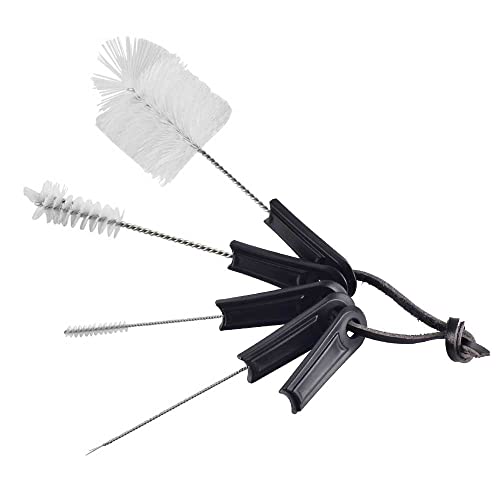
Espresso Brush Pack - Including 5pcs espresso machine cleaning brush tools and 1pc espresso portafilter basket remover tool, for cleaning any space of your espresso machine.

【Multi-Use Steam Brush for Espresso Machines】Specifically designed for espresso steam wands and group heads, this steam cleaning brush effectively removes coffee residue, milk stains, and buildup from various coffee machines