
You’re right to wonder which milk works best—steamed milk gives you a silky, pour‑able micro‑foam at about 150 °F, perfect for lattes and flat whites, while frothed milk creates a light, airy cap at 130 °F, ideal for cappuccinos and macchiatos. The key is temperature and air: steam adds minimal air for a glossy, uniform texture; frothing injects more air for a fluffy, matte foam. Choose steamed for creaminess and frothed for volume, and you’ll instantly notice the difference in mouthfeel and visual appeal. Keep experimenting, and you’ll quickly learn which texture matches your favorite brew.
What Really Sets Steamed Milk Apart From Frothed Milk?
What really sets steamed milk apart from frothed milk? You’re probably wondering why the two feel so different. The answer lies in milk temperature and how much air you inject. When you steam, the wand stays just below the surface, heating the liquid to about 150 °F while adding a whisper of air, which creates a silky, pourable texture and excellent foam stability.
All right, now think about frothing. You start with cold milk, pull the wand right at the surface, and dump in a lot of air. The temperature stays lower, around 130 °F, and the bubbles stay big and fluffy, giving you a thick cap that holds its shape but lacks the smooth integration of steamed milk.
Here’s the thing: steamed milk’s fine micro‑foam blends into your latte, while frothed milk crowns a cappuccino with volume. Takeaway: choose steamed milk for silkiness and stable foam, frothed milk for airy height. Next, ask yourself which coffee texture you crave most. Hand‑held frothers use a small motor to spin a whisk, injecting air quickly for fluffy foam. The temperature differential between steaming and frothing also influences the sweetness perception of the milk. Using a tightly sealed jar can produce a surprisingly smooth foam without any equipment.
How to Steam Milk for Silky Micro‑Foam
You’re probably wondering why some milk feels silkier while other froths stay fluffy, and the answer lies in how you steam it. Start with cold whole milk, about 4 °C, in a metal pitcher filled one‑third full. Purge the wand, then place the tip 0.5 cm below the surface; a gentle hiss shows you’re adding just enough air for micro‑foam, not big bubbles.
Now, as the volume swells 20‑50 %, lower the wand deeper and tilt the pitcher to create a rolling vortex. The swirl breaks larger bubbles, boosting foam density and giving a glossy, velvety finish. Using a bar‑strength almond milk can further enhance foam stability due to its higher protein content.
All right, watch the thermometer and stop at 60‑65 °C. The pitcher should feel hot but still holdable for a second. Turn off steam, tap the pitcher, and give it a quick swirl.
Takeaway: cold milk, controlled air, vortex, and precise milk temperature produce silky micro‑foam with ideal foam density. Ready to pour? Proper wand positioning is essential for consistent texture. Using a steam wand helps achieve the optimal temperature range without scalding. For a consistent brew, consider the paper filter method to control flow rate.

Perfect Combination Of Milk Frothing Pitcher And Latte Art Pen: The milk frother jug can be used in different ways: froth or steam milk for lattes; measure liquids; serve milk or cream. Featured with a latte art pen which can shape kinds of beautiful coffee pattern. Perfect for making frothing or steaming milk for espresso, cappuccino or hot chocolate. Be your own barista in home and office.
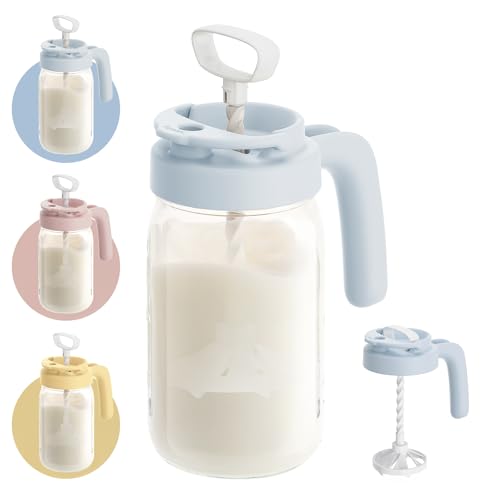
⭐ Essential Pitcher Method Tool for Breastfeeding & Pumping Moms: Designed for the Pitcher Method, this breast milk pitcher helps moms easily mix, combine, and store pumped breast milk while keeping the natural fat layer intact. Ensures consistent nutrition in every bottle and makes daily pumping, feeding, and milk management simpler and more efficient—an essential for breastfeeding and pumping moms

Improved Spout Design: The breastmilk pitcher featuring a V-shaped pouring spout and precise measurement markings, Note:The scale on the bottle shows up to 24 oz, but when filled to the top, it holds a full 32 oz capacity.creamer container allows for more accurate pouring and better control over the quantity of your beverage
How to Froth Milk for Airy, Foam‑Heavy Cappuccinos
Ever wondered why your cappuccino foam feels airy and voluminous while a latte’s stays silky? You start with cold milk and a chilled pitcher, then fill it only a third‑full. This pitcher size leaves room for the milk to double in volume without spilling.
Here’s the thing: plunge the steam wand tip just below the surface and fire it at full power. You’ll hear a high‑pitched chirp, meaning air rushes in. Keep the tip near the surface for the first few seconds, then let the wand submerge as the milk heats.
Now, watch the milk temperature. Aim for 60‑65 °C; anything above 70 °C scorches the protein and collapses the foam. When the volume swells 50‑100 %, stop adding air, tap the pitcher, and give it a quick swirl.
Full‑cream milk provides the highest protein content for a richer micro‑foam. Using a chilled frothing chamber helps maintain optimal temperature control for smoother foam. Takeaway: cold milk, modest pitcher size, early aeration, and a finish at 60‑65 °C give you that drier, airy cappuccino foam. Ready to try it and see the difference? Regular descaling prevents mineral buildup that can affect steam wand performance. A well‑maintained frother ensures consistent foam quality across all drinks.

304 STAINLESS STEEL: Amrules 12oz creamer pitcher are crafted of 18/8 food grade stainless steel. The pitcher features external mirror finish and internal hairline finish. It is sturdy, durability, rust-resistant and resistant to deformation

TOP QUALITY - The frother pitcher is made of #304 stainless steel with non-stick teflon coating, ust-proof, stain-proof and crash-proof, unbreakable for daily use. Dishwasher-safe & easy to clean with soapy water.

【Food Grade Material】This milk frothing pitcher is made of high-quality 304 stainless steel, which is rust proof, stain proof, and heat resistant. It has a stylish appearance and is very easy to clean after use.
How to Judge Mouthfeel and Visual Cues for Perfect Steamed or Frothed Milk Texture
When you stare at a pitcher of milk and wonder why some look like liquid silk while others resemble a fluffy cloud, the answer lies in the tiny bubbles and the way the surface behaves.
Why do visual cues matter?
You’ll notice a glossy, paint‑like surface for steamed milk and a matte‑to‑glossy, dense foam for milk froth. Uniform bubble size and no large “mountains” signal good texture; separation or a soapy look flags instability.
How does mouthfeel assessment work?
Sip slowly. Steamed milk should coat your tongue with silky, creamy cohesion, while frothed milk feels light, airy, and pillowy. Low grit, even warmth, and smooth microfoam confirm proper emulsification.
What are the stability indicators?
A well‑crafted foam holds shape for a few seconds without collapsing. Small, uniform bubbles and consistent thickness show the milk will stay stable in your drink.
Takeaway
Match visual cues with mouthfeel: glossy, thickened milk for steam; dense, velvety foam for froth. If both align, you’ve nailed the texture.
Next step
Try a quick texture comparison at home: steam one pitcher, froth another, then evaluate the cues and mouthfeel side‑by‑side. Regularly cleaning the milk wand prevents mineral buildup and maintains optimal texture. Adding a nitrogen infusion step can further enhance the creaminess of your steamed milk. A simple French press can also produce a surprisingly velvety foam when used correctly.
Which Coffee Drinks Are Best With Steamed Milk?
Steamed milk can feel like a mystery, but you’re asking the right question.
What latte variations love steamed milk?
Flat whites, traditional lattes, and caramel macchiato‑style drinks all rely on steamed milk to soften espresso bitterness and add body. A latte uses more milk than a cappuccino, giving you a smooth, creamy cup that lets subtle syrup flavors shine. Even a dry cappuccino benefits from the middle layer of steamed milk that bridges espresso and foam.
Which drinks showcase mocha richness?
Mocha blends espresso, chocolate, and steamed milk, letting the milk dissolve cocoa and create a velvety, dessert‑like texture. The steam adds sweetness and balances chocolate’s bitterness, making the drink feel indulgent without overwhelming foam.
Takeaway: Choose steamed milk for larger, milk‑heavy drinks—latte variations and mochas—to enjoy a silky, balanced sip. Next, explore which drinks pair best with airy, frothed milk.
A proper brew temperature is essential for extracting the best flavor from the coffee grounds.
The pump pressure in Nespresso machines ensures consistent extraction, which complements the texture of steamed milk.
Burr grinders provide uniform particle size that enhances extraction consistency across all brewing methods.

4-in-1 Multifunctional: Customize your favorite café-style drinks at home with this versatile milk frother. Choose from warm dense foam, warm airy foam, or cold foam; It also warms milk to approximately 150℉
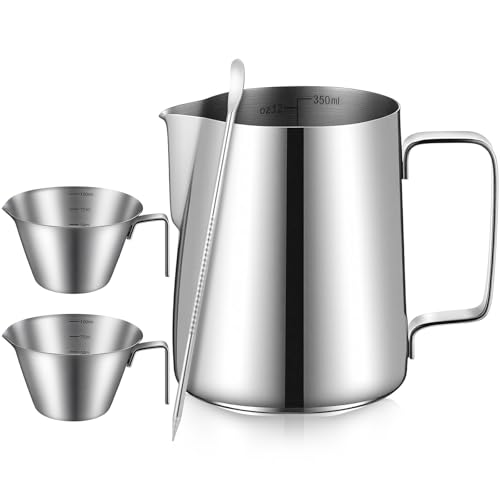
Value Packed Set: you'll receive 1 milk frothing pitcher, 2 espresso shot cups with handles, and 1 latte art decorating pen; The milk frother cup with a clear scale can be applied for frothing milk, measuring liquids, and as a coffee serving pitcher; The latte art pen helps you create beautiful coffee designs; Our coffee bar essentials are suitable for home, office, and coffee shop use; Multi-functional and easy to use, even for beginners

Perfect Espresso Accessories: The milk frother jug can be used in different ways: froth or steam milk for lattes; measure liquids; serve milk or cream. With a bonus latte art pen, you can create beautiful design coffee that will impress your friends and family.
Which Coffee Drinks Are Best With Frothed Milk?
You’re probably wondering which coffee drinks actually benefit from that airy, frothy top, and you’ve hit the right spot.
Which drinks love a foam cap?
Cappuccino tops the list. You get a one‑third espresso, one‑third steamed milk, and one‑third milk foam in a 5‑7 oz cup. The foam creates a dry, airy texture that distinguishes it from a latte. Rooibos can be brewed like espresso and paired with foam for a caffeine‑free cappuccino.
What about chocolate?
Mocha pairs espresso, chocolate syrup, and a light frothy layer. The foam softens the cocoa’s bite and adds a creamy finish without weighing the drink down.
Do you need just a hint of milk?
Espresso macchiato uses a dab of foam to “mark” the shot, preserving a strong espresso forward. The foam adds aroma and texture while staying thin.
Which flavored lattes use foam?
Cinnamon‑sugar latte, nutmeg latte, or pumpkin latte all rely on latte foam to carry spice toppings across the surface.
Cold coffee options?
Cold brew with sweet‑cream foam or pumpkin foam gives a light, layered mouthfeel.
Takeaway: Choose frothed milk when you want a light, airy top that enhances espresso, chocolate, or spice without drowning the base. Next, decide which milk texture matches your preferred coffee style. Adding a splash of vegetable oil can boost foam stability for oat‑based milks. consistent extraction is essential for achieving the perfect crema.

CREAMY VELVETY FROTH IN SECONDS: Making coffee-shop-style recipes at home is as simple as it can be with this milk frother. The 13,000 RPM motor and 25 spiral rings on the frother let you whip up rich foam in no time. Level up your day with this frother for protein powder, warm or cold coffee, latte, cappuccino, hot chocolate, matcha, and powdered drinks.

Make Creamy Froth Quickly: If you love your morning coffee filled with froth and foam, the portable Handheld Milk Frother can create a creamy cup within 15 to 30 seconds

MAKE CREAMY FROTH IN SECONDS: High speed rotation of food safe stainless-steel whisk and BPA free shaft, this handheld milk frother is perfect for creating rich, creamy froth within 15-20s for your coffee drink. Now, you can effortlessly create professional-grade froth in the comfort of your own home with Bonsenkitchen coffee frother!
How to Choose Steamed vs. Frothed Milk for Your Coffee Style
If you’re unsure whether to steam or froth your milk, you’ve hit a common crossroads. First, think about milk temperature. Steamed milk hits 60‑70 °C (140‑160 °F) and stays silky, perfect for lattes that need a smooth body. Frothed milk reaches a similar temperature but traps more air, giving a lighter mouthfeel and a visible foam cap.
Here’s the thing: foam density matters. A dense, creamy foam works well in cappuccinos, while a airy, airy layer suits macchiatos. Adjust the wand: keep it just below the surface for foam, then dive deeper for micro‑foam.
All right, match your coffee style. Espresso‑based drinks usually crave steamed milk’s silk, whereas drinks that showcase foam benefit from frothed milk’s pillow‑like texture. Your choice determines how the drink feels, not just how hot it is.
Takeaway: pick steamed for creaminess, frothed for airy foam. Next, try a quick test with cold milk and see which texture you prefer. Using the right grind size ensures optimal extraction and complements the milk texture you choose. For consistent results, maintain a steady water pressure during extraction.

Milk frother with Multi-Function Frothing: Versatile for various foam types and warm milk or chocolate. Create thick warm foam, light warm foam, cold foam, and warm milk with ease. Designed for cappuccinos, lattes, and more, this 500W milk frother delivers professional-grade froth in about 2 minutes (The voltage is 120V)

MAKE RICH, CREAMY FROTH IN SECONDS: Create café-quality foam for coffee, lattes, cappuccinos, hot chocolate, and matcha with this handheld frother wand. Perfect for milk, cream, or non-dairy alternatives.

Rich and Creamy Milk Froth: This frother quickly makes a smooth and velvety milk foam for your cappuccinos, lattes, macchiato, iced coffee and other beverages