
You’re probably wondering what frothed milk actually is, and it’s simply milk that’s been infused with air and heated to make a glossy, velvety microfoam that lifts and sweetens your coffee. Here’s the thing: you steam or whisk the milk to about 150 °F (65 °C) so proteins denature and wrap around tiny bubbles, creating a stable foam; whole milk gives a richer, creamier foam while low‑fat makes it lighter. Obviously, the right temperature and gentle whisking prevent burnt taste and watery soup, giving you that perfect cap for a cappuccino or a silky veil for a latte. Now, if you keep experimenting with a steam wand or a simple French press, you’ll master the texture and learn which method suits each drink best.
How to Froth Milk in 5 Simple Steps
If you’re wondering why your milk never looks like café‑style foam, you’re not alone—most people skip the basics and end up with flat or over‑heated milk.
What milk should I start with?
Choose cold milk from a reliable source; whole milk yields richer foam texture, while low‑fat options give lighter bubbles. Use a stainless‑steel pitcher, fill it about three‑quarters full, and keep it chilled until you begin.
How do I heat it correctly?
Target 140–155 °F (60–68 °C). Warm the milk before frothing if you’re using a handheld frother; stop a few degrees early with a steam wand because it will rise another 10 °F.
How do I incorporate air?
Place the wand tip just below the surface, listen for a gentle “ripping” sound, and keep the wand angled. Move the whisk up and down slowly for handheld tools, or whisk vigorously with a French press.
What creates the perfect whirlpool?
After the initial air burst, lower the wand slightly and tilt the pitcher to spin a vortex. This distributes bubbles evenly and builds the foam texture you want.
How do I finish and pour?
Tap the pitcher, swirl to break large bubbles, and pour immediately. Use a spoon to hold back excess foam if you need a layered latte.
Takeaway: Cold, whole milk, proper temperature, and a steady whirlpool give you café‑style foam texture every time. Ready to try the next step? A French press can produce surprisingly fine micro‑bubbles when shaken vigorously. Using a steam wand positioned just below the surface creates a smooth, velvety foam.

304 STAINLESS STEEL: Amrules 12oz creamer pitcher are crafted of 18/8 food grade stainless steel. The pitcher features external mirror finish and internal hairline finish. It is sturdy, durability, rust-resistant and resistant to deformation

【Food Grade Material】This milk frothing pitcher is made of high-quality 304 stainless steel, which is rust proof, stain proof, and heat resistant. It has a stylish appearance and is very easy to clean after use.

【Premium Food-Grade 304 Stainless Steel】Milk frother cup is made of premium food-grade 304 stainless steel, this non-toxic, odorless coffee pitcher ensures safe daily food contact. It delivers outstanding rustproof, stain-resistant and heat-resistant performance for durable use. Adopting seamless welding technology, the integrated body and handle feature solid structure.
What Exactly Is Frothed Milk and Why Coffee Lovers Care
What exactly is frothed milk, and why do coffee lovers care? You’re probably wondering why that airy layer matters. Frothed milk is milk that’s been aerated, trapping tiny bubbles that turn the liquid into a light, fluffy foam texture. This foam softens espresso’s bite, adds a creamy sweetness, and gives a cappuccino its signature layered look.
How does the foam change the drink? The air bubbles increase volume and change mouthfeel, making the beverage feel smoother and more luxurious. Good foam texture holds shape, letting you pour latte art and keeping the drink balanced between bitterness and sweetness.
Takeaway: Mastering milk foam texture transforms a plain coffee into a café‑grade experience. Ready to learn how air and heat create that stable microfoam? Using barista‑style almond milk can significantly improve foam stability. Frothers and steamers differ in how they generate micro‑foam and affect the final texture. The protein content of oat milk plays a crucial role in foam stability.
How Air and Heat Create Stable Microfoam
When you wonder why a cappuccino’s foam feels so light yet holds its shape, think of steam as a tiny air‑pump that first injects bubbles and then heats the milk to lock them in. The wand tip skims just below the surface, and the “paper‑tearing” sound tells you air is entering. You keep this surface aeration under ten seconds, creating a burst of foam bubble formation that expands the milk volume.
Now, the heat you add after that brief injection unfolds milk proteins. This protein denaturation lets the proteins wrap around each bubble, stabilizing them. As the temperature climbs to 55–65 °C, the foam becomes glossy and velvety, and the bubbles stay uniformly tiny.
All right, the secret to stable microfoam is timing: a quick air burst followed by gentle heating that denatures proteins without overcooking. The result is a smooth, dense texture that holds its shape for latte art. Next, you’ll want to master the exact temperature range for hot versus cold frothing. Using a milk frother helps maintain consistent temperature and texture. You can also achieve comparable foam by shaking heated milk in a tightly sealed jar, a simple technique that creates air‑infused milk without any specialized equipment.

Make Creamy Froth Quickly: If you love your morning coffee filled with froth and foam, the portable Handheld Milk Frother can create a creamy cup within 15 to 30 seconds

[Rich Hot Foam in About 2 Minutes] - MagHeat IH heating helps heat milk quickly and evenly for smooth hot foam without the long wait. Based on internal testing at 77°F room temperature, DualFro Ultra heats up 2x faster with 50% more even heating vs DualFro 600.
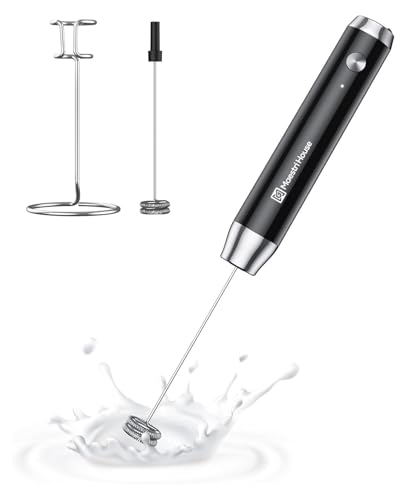
One-button Operated Design: One press to start the whisking and another press to stop frothing. Just place the LunaFro handheld milk frother’s whisk into the container with milk or other liquid food, then press the button to make milk foam, and press the button again to stop working. It’s effortless to clean. Only put the mixing head into water or soapy water, and then press the button to let eddy water current clean it completely.
Best Temperatures for Frothed Milk (Hot vs. Cold)
You’re probably wondering why the same milk can feel silky in a latte but turn watery in a cappuccino if you miss the mark.
What temperature makes hot foam perfect?
Aim for 150–155 °F (65–68 °C). That sweet spot gives you velvety microfoam and preserves milk’s natural sweetness. Stop steaming a few degrees before 150 °F because the milk will keep climbing. Anything above 160 °F burns the proteins and flattens texture.
When should you go cold instead?
For iced drinks, keep milk at 4 °C or lower before frothing. Cold froth stays light and airy, giving a fresh contrast to the brew. This “cold vs warm” choice creates a texture contrast that brightens a cold brew or frappé.
Takeaway
Hot: 140–155 °F for latte‑style silkiness; Cold: chilled milk for airy foam on iced drinks. Next, explore which frothing tool fits your kitchen.
The micro‑foam structure formed during steaming influences both mouthfeel and sweetness perception. Regularly descale the machine to prevent mineral buildup that can affect heating consistency. Proper group head flushing ensures consistent temperature across each brew.

6-in-1 Ultimate Milk Frother: upgrade from basic 4-in-1 frothers! This 6-in-1 electric milk frother offers 3 hot foam (dense, airy, light), latte art, cold foam, hot milk, plus yogurt & hot chocolate functions, producing denser, richer, and more stable foam. From creamy cappuccinos to homemade yogurt, it’s the most versatile electric milk frother and steamer for any home coffee bar. Tip: Works best with milk over 3% fat for rich & stable foam

4-in-1 Multifunctional: Customize your favorite café-style drinks at home with this versatile milk frother. Choose from warm dense foam, warm airy foam, or cold foam; It also warms milk to approximately 150℉

【BARISTA-QUALITY 4-IN-1 FOAMING】 Equipped with a powerful 500W motor and up to 3400 RPM whisking speed, this electric milk frother and steamer effortlessly creates 4 custom coffeehouse styles in 2–3 minutes: Thick Warm Foam (Cappuccino), Airy Light Foam (Latte), Silky Hot Milk/Chocolate, and Refreshing Cold Foam for iced beverages.
Top Home Methods: Electric Frother, French Press, and Whisk
You’re probably wondering why the perfect foam feels different when you use a whisk versus a press.
Which tool gives the fastest, most consistent foam?
An electric frother heats and aerates in one motion, delivering glossy micro‑foam for latte art with minimal effort. Models like the Instant Pot 4‑in‑1 or Bodum Bistro use Eco friendly materials and cost around $40‑$70, making them Budget friendly alternatives for daily use.
How does a French press compare?
You warm milk, then pump the plunger repeatedly. The press creates larger bubbles, yielding a thicker, less silky foam. No extra appliance means it stays Budget friendly, and you can use a recycled‑metal press for Eco friendly sustainability.
When is a whisk enough?
A balloon whisk or hand whisk works after heating milk in a saucepan or microwave. It’s the simplest, most accessible method, perfect for a single cup. You’ll get cappuccino‑style foam, though texture varies.
Takeaway: Choose an electric frother for speed and uniformity, a French press for low‑cost versatility, or a whisk for occasional, single‑serve foam. Next, explore how to perfect temperature for each method.
Regular descaling removes mineral deposits that can otherwise affect heating efficiency and flavor consistency.
A nitrogen‑infused brew can be made at home using a nitrogen charger to achieve a creamy texture similar to café‑style nitro coffee.
Cleaning a French press helps maintain optimal pressure, ensuring the plunger operates smoothly for future foam creation.

CREAMY VELVETY FROTH IN SECONDS: Making coffee-shop-style recipes at home is as simple as it can be with this milk frother. The 13,000 RPM motor and 25 spiral rings on the frother let you whip up rich foam in no time. Level up your day with this frother for protein powder, warm or cold coffee, latte, cappuccino, hot chocolate, matcha, and powdered drinks.

CREAMY FROTH IN SECONDS: Featuring a powerful high-speed motor and an upgraded double-spring whisk head, this milk frother handheld creates thicker, creamier foam in as little as 20 seconds. Perfect for lattes, cappuccinos, matcha, hot chocolate, and all your favorite drinks

Perfect Combination Of Milk Frothing Pitcher And Latte Art Pen: The milk frother jug can be used in different ways: froth or steam milk for lattes; measure liquids; serve milk or cream. Featured with a latte art pen which can shape kinds of beautiful coffee pattern. Perfect for making frothing or steaming milk for espresso, cappuccino or hot chocolate. Be your own barista in home and office.
Barista‑Level Frothed Milk: Using a Steam Wand Effectively
If you’re tangled up in why a steam wand feels so finicky, you’re not alone—most home baristas wonder how to turn that noisy hiss into silky micro‑foam.
How do I start with the right milk and setup?
Use cold milk in a pitcher that’s at least twice the volume. Fill it to one‑third, keep a towel nearby, and purge the wand. The cold start lets you control milk temperature while you stretch the foam.
What wand angle and placement work best?
Tilt the pitcher slightly and place the tip just below the surface, between the center and outer wall. This angle creates a stable whirlpool and enough aeration.
When should I stop steaming?
Listen for the paper‑tearing hiss, then lower the wand deeper. Aim for 140‑150 °F; the pitcher should feel hot but not scalding.
How do I finish the micro‑foam?
Swirl, tap, and pour immediately. The result should be glossy, velvety, and ready for latte art.
Takeaway: Mastering wand angle, milk temperature, and timing gives you café‑quality foam at home. Ready to practice your first pour?
For optimal consistency, experiment with milk frothing temperature and adjust based on the type of milk you use.
The machine’s high‑pressure pump forces water through the coffee capsule at 19 bar, creating a rich crema that mirrors the micro‑foam’s texture.
regular descaling helps prevent mineral buildup that can affect steam wand performance.

【Food Grade Material】This milk frothing pitcher is made of high-quality 304 stainless steel, which is rust proof, stain proof, and heat resistant. It has a stylish appearance and is very easy to clean after use.

High-Quality Material: Made of 18/8 stainless steel, this milk frothing pitcher is rust-free, easy to clean, and dishwasher safe. The well-polished surface and clear internal measuring scales help you accurately measure the amount of liquid.

✅【Non-Stick Coating】Features a non-stick coating with matte processing, the milk frother pitcher is fingerprint resistant and stain resistant, very comfortable to touch.
Typical Frothing Errors and Simple Fixes
Why does my milk keep turning into watery soup or a brick of foam? You’re probably overfilling the pitcher or mis‑positioning the wand. First, check steam wand maintenance: purge before and after frothing, and clean the tip so steam flows steady. If the wand sprays water, you’ll get a soupy result.
Now, look at pitcher capacity. Fill only two‑thirds full; the milk needs room to expand about one‑third of its volume. Too much milk squeezes out the vortex, too little makes temperature control hard.
All right, adjust wand depth. Start just below the surface for a gentle hiss, then lower it to roll the milk. Over‑aerating creates a brick, under‑aerating leaves thin milk.
Takeaway: clean the wand, respect pitcher capacity, and set the tip correctly. Use full steam pressure to maintain a consistent hiss. Next, ask yourself: how will you texture the foam for your favorite drink?
A proper brew ratio helps ensure the milk heats evenly and prevents scorching. Follow the safety unplug when handling the machine to avoid burns.
Match Foam to Cappuccino, Latte, and More
What foam thickness should you aim for? You’re wondering how to match foam to each drink, and you asked the right question.
How thick is foamuccino foam? A cappuccino expects about 1 cm of microfoam, forming a distinct cap that balances equal espresso, milk, and foam. The cup holds 150‑180 ml, so you’ll see a generous, airy layer that feels light on the tongue.
What does latte microfoam look like? A latte calls for a thin veil—0.5 cm or less—so the milk stays creamy and the espresso shines through. The foam is smooth, with tiny bubbles that merge into the steamed milk.
What about flat white and macchiato? A flat white keeps foam just above latte thickness, offering silky integration, while a latte macchiato builds a denser, structured foam layer on top of a tall glass.
Takeaway: Adjust foam depth to the drink’s style—thick for cappuccino, thin for latte, and nuanced for flat white or macchiato. Next, practice steaming to hit those exact measurements. Whole milk enhances the sweetness and creaminess of the foam. A standard espresso shot contains about 65 mg caffeine, which can affect the overall balance of flavor in milk‑based drinks.