
A descaling solution is a weak acid—citric or acetic—that dissolves mineral deposits building up inside your machine’s heating element, pipes, and valves. You mix it with water and run it through your brewer to restore proper heating, water flow, and espresso quality. Over time, calcium and magnesium accumulate and create scale that blocks pathways, weakens pressure, and produces bitter, weak coffee. Using the right solution keeps your machine performing like new while protecting internal components from corrosion and premature wear.
What Descaling Solution Is and Why Coffee Machines Need It
If you’ve noticed your coffee brewing slower than usual or tasting a bit off, you’re probably wondering what descaling actually means—and whether your machine really needs it.
Here’s the thing: your machine accumulates limescale from mineral deposits in hard water, especially calcium and magnesium. This scale quality issue builds up inside heating elements and water pathways, restricting flow and messing with brewing consistency.
A descaling solution is a cleaning liquid formulated with weak acids—citric acid, acetic acid, or similar—that dissolves these mineral deposits. You mix it with water in your reservoir and run it through the machine, letting the acid break down the buildup.
The result? Your machine brews faster, heats properly, and your coffee tastes right again. Regular descaling also prevents reduced heating efficiency that can shorten the lifespan of the boiler. Coffee‑to‑water ratio is another factor that can be affected by scale buildup. Properly cleaning the steam wand weekly helps avoid residue buildup and maintains optimal performance.
Signs Your Machine Needs Descaling Right Now
You’ve now got the background on what descaling actually does—so how do you know when your machine’s actually calling out for help?
What Visual Cues Tell You It’s Time
Watch for slower water flow during brewing. Your espresso shots turn thin and weak, or your drip brewer fills noticeably slower than before. These are your machine’s first distress signals.
Temperature Drift and Heat Problems
Your machine takes forever to warm up. Scale insulates the heating element, forcing it to work harder. This temperature drift directly tanks your brew quality and consistency.
The Flavor Shift Nobody Ignores
Suddenly your coffee tastes bitter, sour, or metallic. A flavor shift this dramatic signals mineral buildup interfering with extraction. This warning arrives before mechanical failure does.
Listen for Strange Sounds
Gurgling or hissing during operation? Restricted water flow causes that strain.
So: are you noticing any of these signs right now? Regular descaling removes mineral deposits that can clog internal pathways and degrade performance. Adding a routine rinse with a soft brush helps keep the group head clear of coffee oil residue. Consistently descaling also preserves the optimal pressure needed for a perfect espresso shot.

2-Pack Coffee Descaler and Cleaner - Clean and rinse away residue and oil buildup in your coffee maker with Impresa's Coffee Descaler Solution. Our highly effective solution comes with two 8-ounce bottles - enough for 4 descaling sessions (2 uses per bottle)
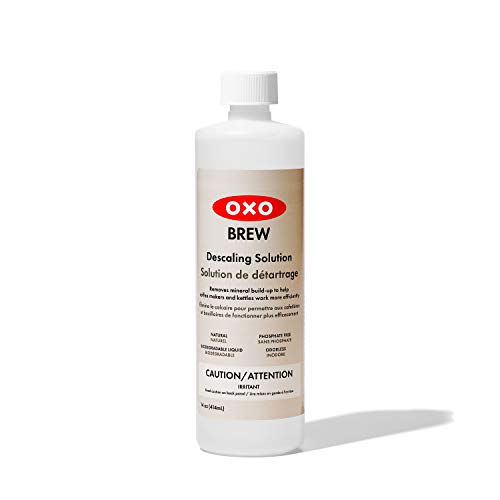
Helps keep your coffee makers and kettles working efficiently and using less energy

RESTORE COFFEE FLAVOR & AROMA: Our universal descaling solution removes bitter mineral buildup and calcium deposits from heating elements. This ensures your Keurig cleaner process restores the original "day one" taste of your favorite pods and espresso capsules
How Mineral Buildup Affects Descaling Performance
Once mineral buildup starts accumulating inside your machine, it doesn’t just sit there passively—it actively sabotages how well descaling solution can actually work. Thick scale layers shield deeper mineral deposits from chemical contact, meaning your descaling solution can’t reach everything that needs dissolving.
Here’s the thing: advanced buildup creates a frustrating catch-22. Heavy scale impact reduces your descaling solution’s effectiveness, forcing you into longer contact times or multiple cycles. Pressure loss from clogged pathways compounds this problem, restricting water flow through internal passages where minerals hide.
Deposits trapped in solenoids and valves respond slowly to treatment. Obviously, you can’t clean what the solution can’t actually touch. This is why regular maintenance matters—you’ll descale far more efficiently when catching buildup early rather than battling years of accumulation. Neglecting descaling can lead to reduced brewing temperature and a noticeable decline in coffee flavor. The organic acids in many commercial descalers help dissolve calcium carbonate more effectively than plain citric acid alone. Regular descaling also protects the pump seal from premature wear.
How Descaling Solutions Break Down Scale
How does acid actually dissolve limescale instead of just rinsing it away? You’re asking the right question—this is where descaling solutions work their magic through real chemistry.
When acidic solutions hit calcium carbonate buildup, they trigger an acid‑base neutralization reaction. This converts stubborn mineral deposits into soluble salts you can actually rinse away. Carbon dioxide bubbles form during this process, which helps loosen hardened scale from internal surfaces.
Now, commercial descalers don’t just contain raw acid. They combine acids with corrosion inhibitors—these protect your machine’s metal components during treatment. Inhibitor integration prevents damage while acid inhibitor formation safeguards expensive parts.
The key difference: acid chemically transforms scale rather than mechanically scrubbing it. This means penetration into porous deposits, weakening them from inside out.
Your next step: Understanding which acid type works best for your machine matters—citric versus stronger formulations have different tradeoffs.
A proper descaling routine also includes a thorough final rinse to remove any residual acid. This step is crucial for preventing metal corrosion and ensuring optimal coffee flavor. Regular descaling maintains optimal pressure and prolongs the machine’s lifespan. Using filtered water can significantly reduce future scale buildup.
Liquid vs. Powder: Which Descaling Product Works Best
When you’re standing in the cleaning aisle comparing descaling bottles and boxes, you’re probably wondering whether that convenience matters or if you’re just paying extra for the same thing in a prettier package.
Here’s the thing: they work identically when used correctly. Both liquid and powder descalers break down scale the same way if you follow directions. The real difference? Your lifestyle and budget.
Powder costs considerably less per cleaning cycle, making it the smart choice for cost efficiency if you descale regularly. Liquid skips the mixing step entirely—you just pour and go. Storage convenience favors powder; those compact boxes take minimal space.
Your machine’s manual trumps everything. Check it first, then choose based on whether you value speed or savings. Regular descaling prevents mineral buildup and helps maintain coffee flavor.
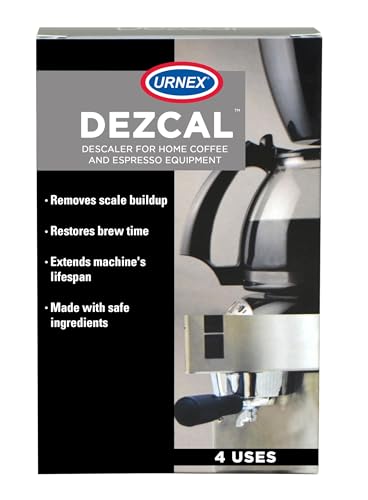
UNIVERSALLY COMPATIBLE DESCALER - This product can be used to descale Keurig machines, as well as Nespresso, Breville, Jura, Delonghi and other drip coffee makers, espresso machines, superautomatics, and kettles
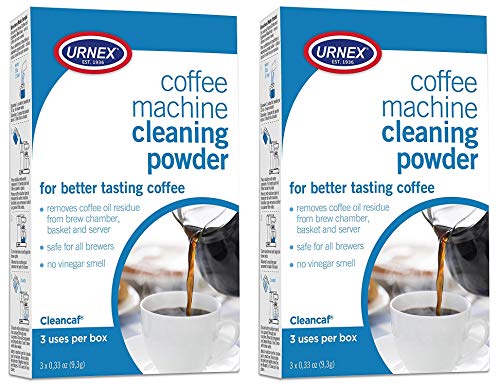
Cleancaf Coffeemaker Cleaner eliminates residual coffee oils and buildup that can turn rancid to prevent bitter tasting coffee

Cleancaf Coffeemaker Cleaner eliminates residual coffee oils and buildup that can turn rancid to prevent bitter tasting coffee
Universal Descalers vs. Brand-Specific Solutions
You’ve figured out that liquid and powder work the same way—so now you’re wondering if you should buy whatever your machine’s brand slaps on the box, or if a universal descaler saves you money without cutting corners.
Here’s the thing: universal descalers work across multiple machines, which saves you money if you own different brands. They’re typically citric acid-based and gentler on components than aggressive alternatives. Brand-specific solutions, though, are formulated for your exact machine architecture and often include protective additives. Universal descalers like Impresa are compatible with Keurig, Nespresso, Delonghi, Breville, Hamilton Beach, Braun, Bunn, Cuisinart, Tassimo, Krups, and Saeco machines, making them practical for households with multiple coffee makers.
Now, the catch is warranty impact. Using a brand-specific descaler keeps your coverage intact. Universal products might void warranties on premium machines if manufacturers explicitly warn against them.
Check your manual first. Your warranty matters more than a few dollars saved. Regular rinsing also helps prevent scale buildup. A proper reset can clear error codes and restore optimal performance.

Descales your coffee maker, fighting hard water deposits and mineral buildup for a better tasting brew

Large Value Size: One 32 oz bottle of coffee machine descaler provides up to 10 descaling treatments, making routine maintenance simple while offering a convenient supply for home, office, or commercial coffee equipment.

FROM DE'LONGHI. The world-leader in espresso machines.
Vinegar and Citric Acid: Budget-Friendly Alternatives
If commercial descalers feel too expensive or you can’t find them when you need them, white vinegar and citric acid offer solid budget-friendly alternatives that actually work.
White vinegar tackles mineral buildup effectively using a 1:1 vinegar-to-water ratio, though you’ll need multiple rinse cycles—typically 2 to 5—to eliminate lingering odor and taste.
Citric acid gives you better odor control, which is why many people prefer it. You’ll mix about 1 tablespoon per liter of water, dissolving it completely in warm water first. It dissolves calcium scale just as effectively as vinegar without the persistent smell.
Here’s the thing: both methods work, but citric acid requires less aggressive rinsing. Choose based on what you prioritize—convenience or eliminating vinegar smell afterward.
Regularly cleaning the drip tray helps prevent mold buildup and ensures optimal coffee flavor.
Descaling frequency should be monitored to keep the machine running efficiently and maintain coffee taste.
Additionally, following the step‑by‑step guide for opening and maintaining your Nespresso machine can simplify the descaling process.

THE BEST CITRIC ACID: We take pride in providing you with the absolute best citric acid, delivering a product that surpasses all expectations and enhances every culinary creation.

THE BEST CITRIC ACID: We take pride in providing you with the absolute best citric acid, delivering a product that surpasses all expectations and enhances every culinary creation.

POWERFUL CLEANING ACTION- This powerful cleaner effectively removes mineral deposits and scale build-up, restoring your ice maker to optimal efficiency.
Step-by-Step: How to Descale Your Coffee Machine
Descaling a coffee machine sounds intimidating, but it’s actually a straightforward process you’ll want to nail down—because running the right steps prevents costly damage and keeps your machine brewing perfectly.
Start by unplugging your machine and emptying the water reservoir completely. Remove any filters and detachable parts like the drip tray or milk frother. Place a large container under the spouts to catch liquid.
Pour your manufacturer-recommended descaling solution into the tank, diluting if required. Activate your machine’s descaling mode—usually a CLEAN or CALC button. Let it run until empty.
Regular descaling helps prevent mineral buildup which can impair heating performance. Proper maintenance also extends the overall lifespan of the machine.
Now here’s the critical part: rinse thoroughly with fresh water through multiple cycles. This maintenance safety step removes all residue and preserves flavor retention for your next brew. Return the steam dial to vertical position after each descaling cycle to prevent premature descaling of other components.
Reassemble everything, and you’re done.

Highly Effective: Powerful and effective yet gentle on the machine, our descaler is specially designed to help restore the performance of your machine

Powerful Descaling Solution: The liquid coffee machine descaler and cleaner compatible with any Keurig machine is formulated to deeply penetrate oil and limescale to keep your machine running smoothly and produce the delicious coffee you love.

8 Uses Value-Size Bottle: Same as 4 x 8oz bottle kit of other products! Less Waste, Better Value!
Descaling Frequency: Hard Water vs. Soft Water
The mineral content in your tap water determines how often you’ll actually need to descale—and this is where most people either over-maintain or under-maintain their machines.
What’s Your Water Actually Like?
Your hard water schedule depends entirely on mineral concentration. Hard water (7.0–10.5 GPG) demands descaling every 2–3 months because calcium and magnesium build up fast. Very hard water pushes you toward monthly intervals. Meanwhile, a soft water interval runs 6–12 months since fewer minerals accumulate.
Finding Your Actual Number
Test your water hardness first. Strip tests give you quick readings. Your municipal report works too. Once you know your GPG level, you’ll stop guessing and start maintaining strategically. Scale buildup accelerates machine failure when descaling schedules fall out of sync with your water type. Performance decline tells you when you’re off schedule—longer brew times mean scale’s winning.
Why Regular Descaling Prevents Corrosion and Wear
Scale creates rough surfaces that trap moisture against metal. You’re essentially giving corrosion the perfect breeding ground inside your machine. Those hardened deposits hide early damage, so by the time you notice problems, corrosion’s already progressed significantly. Limescale forms when calcium bicarbonate converts to calcium carbonate, which accumulates on internal surfaces and accelerates this deterioration process.
Corrosion Mitigation Through Regular Cleaning****
Descaling agents chemically dissolve mineral buildup, removing the moisture-holding layer that attacks surfaces. Regular removal prevents blocked channels that spike pressure and stress components. You’re maintaining stable internal conditions rather than fighting damage after it starts.
Wear Reduction in Critical Parts
Deposits force pumps and valves to work harder, increasing friction and shortening their lifespan. Cleaner surfaces reduce strain on seals and gaskets. Consistent descaling keeps everything running smoothly, avoiding premature replacements.
What performance signs indicate your machine needs descaling sooner?