
You’re frustrated because your foam’s either flat or your milk won’t heat evenly—and honestly, it’s usually the whisk setup or fill level causing trouble. Here’s the thing: you’ve got two whisks doing different jobs. Keep the spring attached for dense cappuccino foam (fill to the lower line, about 120 ml), or remove it for silky hot milk (upper line, 240 ml). Hit the button briefly for hot froth mode; hold longer for cold. Clean everything immediately after—milk sitting around gunks up your results fast. Get these basics locked in, and you’ll nail consistent texture every time.
Know Your Aeroccino Frother and Whisk Setup
If you’ve just unboxed your Nespresso Aeroccino or you’re staring at one wondering why your milk isn’t frothing quite right, you’re probably asking yourself: what am I actually looking at here, and what does each part do?
Your Aeroccino has two whisk options: a wire spring‑style for maximum foam and a plastic mixer for gentler blending. The whisk durability directly impacts your results—bent coils or residue buildup kills performance fast. Here’s the thing: that whisk must sit perfectly on the magnetic alignment point inside the jug, or nothing works right. To maintain optimal performance, handle the coils carefully to avoid breakage that could compromise your frothing results.
You’ve also got a removable lid with a seal that contains splashes and maintains proper operation. All right, before you even add milk, check that everything’s clean and seated correctly. That’s your foundation. Understanding how micro‑foam formation differs from regular foam can help you choose the right whisk for your coffee style. A French press can also create velvety foam when used with hot milk.

Replacement for Aeroccino 3

Compatible with Aeroccino 3/4/Plus Milk Frother Replacement

Replacement for Aeroccino 3
Choose Your Whisk Configuration for the Right Texture
Once you understand how your Aeroccino works, you’re ready to make the choice that actually determines your milk’s texture: which whisk configuration you’re using.
Should You Attach the Spring or Remove It?
Here’s the thing—the spring‑attached whisk handles foam production. You’re incorporating air into the milk, creating dense foam texture ideal for cappuccinos and lattes. The spring‑removed whisk does something completely different. You’re warming milk without aeration control, delivering smooth, liquid results instead.
Matching Configuration to Your Drink
Obviously, foam texture depends entirely on that spring. Keep it attached when you want structure and topping power. Remove it when you’re crafting silky milk for recipes that don’t need foam. Your milk temperature rises either way, but aeration control separates these two fundamentally different outcomes. For optimal results, ensure the lid seal is clean before each use to prevent overflow during frothing. Understanding the air injection mechanism helps you predict foam consistency. Using the right micro‑foam temperature is essential for achieving a velvety texture. Regularly cleaning the water reservoir helps maintain optimal performance and prevents flavor transfer.
Your Next Move
Which drink are you making today—something foam‑topped or silky‑smooth?

2* Milk Frother Whisk Rod
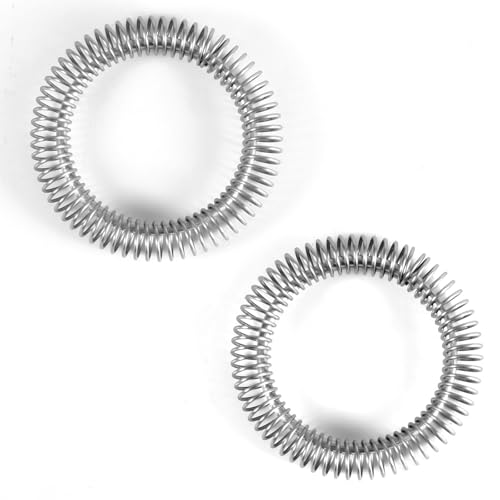
Package Content: You will get 2 pieces of whisk spring coils, which measure about 3.4cm/1.34 inches. Enough to meet your daily use and replacement needs.

Packing List: You will receive 2 pieces of replacement whisks for Nespresso Aeroccino 3 / 4 / Plus, which measure about 3.4x3.2cm/1.34x1.26 inches. Please note that our product is not sponsored or endorsed by, or affiliated with the brands it fits, including Nespresso Aeroccino.
Fill Your Aeroccino to the Correct Level
You’ve nailed the whisk choice—now here’s where most people mess up: you’re filling your Aeroccino without checking those internal lines, and that’s exactly why your milk spills or froths unevenly.
Here’s the thing: your Aeroccino has two fill lines for a reason. Use the lower line when you’re frothing with the whisk attached. This prevents milk volume from expanding too much during aeration. Around 120 ml hits that sweet spot for cappuccino-style foam without overflow prevention headaches. Whole milk produces significantly better froth compared to semi-skimmed or skimmed alternatives.
Now, if you’re heating milk without frothing, fill to the upper line instead—roughly 240 ml. Less expansion happens without the spring, so you can safely use more milk volume.
Match your drink size to the right line. Cappuccinos need the lower mark; lattes work better at the upper one. Your frothing temperature and final texture depend on nailing this first.
Additionally, protein content in almond milk can affect foam stability, so choosing a barista‑style almond milk with higher protein can improve your results. Regularly descaling your Aeroccino’s heating element helps maintain consistent temperature and prevents mineral buildup that can impair frothing performance. Proper water hardness also extends the life of the frothing unit.
Select Hot or Cold Froth Mode
Why does your Aeroccino have a button you can press in two different ways? Because button timing determines everything—hot or cold froth mode depends entirely on how long you hold down that button.
A quick, brief press activates hot froth mode for cappuccinos and lattes. Your button indicator light turns red, confirming you’ve selected the right setting. Most Aeroccino models finish hot frothing automatically within 60 to 90 seconds.
Now, pressing and holding that button longer switches you to cold froth mode instead. You’ll see a blue indicator light appear, signaling cold operation. Cold cycles typically run 90 seconds or longer since chilled milk needs extra time.
Here’s the thing: button timing cues matter more than any separate switch. Match your mode choice to your drink—hot froth for warm espresso beverages, cold froth for iced coffees. This simple decision transforms your milk texture and final beverage quality.
Regular cleaning of the Aeroccino’s funnel, filter, and gasket with warm water and a mild dish soap prevents residue buildup, ensuring consistent froth quality.
A quick baking soda rinse can help remove stubborn milk stains without damaging the metal components.
A consistent grind size is crucial for achieving optimal extraction in coffee brewing.
regular descaling is essential to keep the machine’s internal components free of mineral buildup.

The ideal accompaniment to Nespresso espresso machines and perfect for every coffee-drink lover, this quiet and entirely automatic tool froths hot or cold milk to perfection every time! Perfect for cappuccino, lattes, machiatto, hot chocolate and more. Yo

EXCELLENT QUALITY: Add that little something extra to your coffee maker set! The Nespresso Aeroccino 3 milk frother makes hot milk foam, hot milk, or cold froth, making it the perfect addition to your coffee maker or espresso machine set!

This milk frother lid replacement part is specifically designed use for Nespresso Aeroccino 3 and 3R milk frothers, which is compatible for Nespresso MS-623697 ,3593 and 3594 milk frothers.ensuring a perfect fit for your milk frother.
Clean Your Frother After Each Use
Now that you’ve got your froth dialed in, here’s what nobody tells you: milk hardens fast, and dried milk is your frother’s worst enemy. Pour out leftover milk immediately—don’t wait. Milk shouldn’t sit in there more than a couple hours, or you’re inviting odor prevention problems and hygiene tips nobody wants to follow later.
Power off and unplug first. Let the unit cool down completely before touching anything. Hot equipment burns, and safety matters. Before you begin cleaning, ensure the device is fully powered down to prevent any electrical hazards during the cleaning process.
Remove the whisk, spring, and lid seal. Rinse everything under warm water with mild dish soap using a soft sponge. Skip the jug submersion—instead, wipe the interior gently with a damp cloth to protect the non-stick coating.
Dry every component thoroughly with a clean towel. Moisture at connection points compromises safe operation. Reassemble correctly once everything’s completely dry.
Regular descaling prevents mineral buildup and keeps pressure optimal for frothing. Group head flushing also helps remove coffee oil residue that can affect froth quality.
Clean the burrs after each use to avoid residue buildup.

Unique Design: Unlike traditional kitchen scrub brushes, this cleaning brush features a 90 angle and stiff bristles for easy reach into narrow spaces, effectively helps you to clean areas that are difficult to clean or stubborn stains

5 Pack Bottle Cleaning Brushes, multiple uses, including 16 inch long handle beer bottle brush with the width 2.5 inch, 13.5 inch long 2.5 inch wide sport water bottle brush, two 13.5 inch long and 0.5 inch wide tube cleaning brushes, 10.5 inch long and 1 inch in diameter spout cleaning brush

【8-Piece Cleaning Brush Set for Every Hard-to-Reach Spot】 Finally clean the places other tools miss. This versatile 8-piece cleaning brush set includes 3 crevice brushes for grout lines, shower door tracks, window tracks, and corners, 2 right-angle scrub brushes for bottles, cups, and narrow interiors, plus 3 wire brushes (brass, steel, nylon) for rust removal, polishing, and detailed scrubbing. A complete cleaning tool set for kitchen, bathroom, and household deep cleaning.