
You’re right to wonder why some brews come out weak or bitter; the secret lies in grind, temperature, and timing. Use 14–15 g of coffee, a medium‑fine (table‑salt) grind, and a 1:15 coffee‑to‑water ratio—about 240 ml of water at 195 °F for a medium roast. Rinse the paper filter, warm your mug, then add water, stir for three seconds, and press slowly for 20‑30 seconds; adjust steep time in 15‑second steps to dial in sweetness or brightness. If you follow these steps, you’ll get a consistently great cup, and the next tip will show you how to fine‑tune flavor even further.
How to Brew a Perfect AeroPress Coffee in 5 Minutes
How can I brew a perfect AeroPress coffee in just five minutes? You’re probably wondering how to keep brew timing tight without sacrificing flavor. First, heat water to about 195 °F, then pour up to the 4‑mark (≈230 ml). Stir briefly to wet every grain, seal the chamber, and start a 60‑second timer. The AeroPress’s cylindrical chamber helps maintain consistent temperature during extraction. All right, after the minute’s steep you insert the plunger and apply gentle, steady pressure. Pull the plunger up a touch to stop early drip, then press slowly; you’ll hear a hiss around 30 seconds, signalling most liquid has passed. Here’s the thing: pressure control matters more than force. A light, even push extracts balanced coffee and avoids bitterness. Takeaway: a 1‑minute steep, steady press, and listening for the hiss keep you within five minutes. Next, measure your coffee and grind for the ideal AeroPress cup. Use a medium‑fine grind to ensure proper extraction. For optimal flavor consistency, aim for a 1:15 coffee‑to‑water ratio. The short steep time of the AeroPress also reduces the chance of over‑extraction, keeping the cup bright and clean.

SLIMMER AND FINER: The DISC FINE is for those who want to take their AeroPress brewing to the next level. This 150 Micron filter is sure to to filter out the finest of fines. Upgrade to the DISC FINE Today!

Packing: 3 stainless steel coffee filters

TWO-SEGMENT UNIBODY DESIGN - Cut from a single block of aluminum alloy, with a widened chamber access for easier bean loading.
Measure Coffee and Grind for the Ideal AeroPress Coffee
If you’re stuck wondering how much coffee to use and how fine to grind it, you’ve asked the right question.
What amount should I dose?
Aim for 14–15 g per cup—roughly a heaping AeroPress scoop or three tablespoons. A level scoop gives 11.5 g, so you can tweak by a gram or two for dosing precision. Consistency beats chasing an exact number; use the same scoop each brew and you’ll get repeatable results.
Which grind works best?
Start with a medium‑fine setting, labeled “#4” on AeroPress’s 1‑5 chart—think table‑salt texture. Burr grinders deliver grind consistency; blade grinders need about 30 seconds continuous grinding to approximate it. If the coffee drips too early, tighten the grind a notch; if the press feels hard, coarsen it slightly.
Takeaway
Measure with a reliable scoop and lock in a medium‑fine grind. Adjust one notch at a time until you hit the flavor you want. Next, you’ll set water temperature and the 1:15 coffee‑to‑water ratio.
The particle size influences extraction rate, so a medium‑fine grind yields a balanced brew for the AeroPress.
A proper extraction time helps ensure the coffee’s flavors are fully developed without over‑extraction.
Using a flat burr grinder can further improve grind uniformity, enhancing flavor consistency across brews.
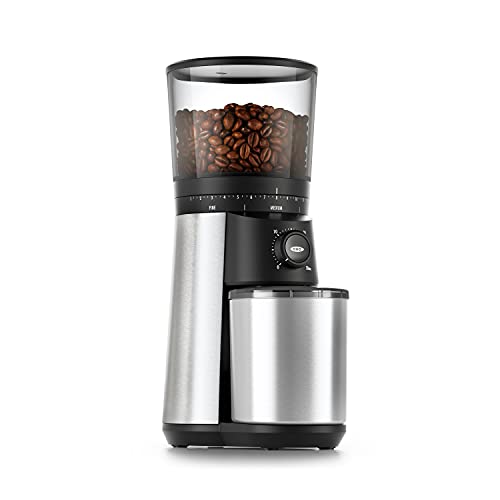
40mm stainless steel conical burrs: Precision grinding system produces uniform coffee grounds to ensure even extraction for rich, balanced flavor in every cup.
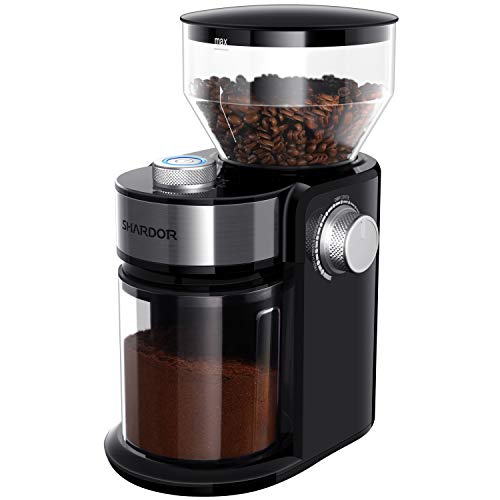
[ UNIFORM BURR GRINDING ] Premium metallic flat burr mill ensures consistent, uniform grounds without burning beans. Perfectly preserves rich coffee aroma for pour-over, drip, and cold brew.

Slim, powerful grinder with precise settings from fine to coarse, with 15 settings and 29 micro-adjustments
Set Water Temperature (175‑205°F) and a 1:15 AeroPress Ratio
You’ve nailed the coffee dose and grind, but now you’re wondering how hot the water should be and how much to use.
What temperature fits my roast?
Your roast selection drives the sweet spot. Light beans crave 200‑205°F for full extraction, medium beans sit nicely at 185‑195°F for balance, and dark beans stay cool at 175‑185°F to curb bitterness. Boil, then wait: 15 seconds for 205°F, 30 seconds for 200°F, 60 seconds for 195°F, two minutes for 185°F, or three‑four minutes for 175°F.
How much water should I pour?
A 1:15 ratio means 1 gram coffee to 15 grams water—16 g coffee with 240 g water, for example. This ratio yields a balanced cup you can thin or strengthen later.
Takeaway
Match temperature to roast, then apply the 1:15 ratio for consistency. Next, rinse the filter and warm your mug for the best AeroPress flavor.
For a smoother brew, consider letting the coffee steep for 12–24 hours before filtering.
The AeroPress’s low‑acid extraction also makes it ideal for those with sensitive stomachs.

【3 Smart Modes, 0.1g Pro Precision】Unlock precise control with 0.1g accuracy and 3 smart modes: Auto Timer for Pour-Over, Auto Timer for Espresso, and Standard Weighing. Whether brewing espresso or pour-over, this coffee scale adapts to your style for consistent, accurate results. The larger, easy-to-read display and quick response time help you focus on pouring technique and flow rates without distractions

The Brewer That Started It All – AeroPress Original was the first single cup coffee maker to combine 3 brew methods in one compact, portable device for a faster brew and better extraction giving coffee lovers a smooth, rich cup bursting with coffee bean flavor—without the bitterness or acidity found in other methods.

【Ultra Small, Yet Professional】The Espresso Scale is small enough to fit in your palm. It measures 4.13*4.13*0.78 inches and weighs just 0.75 pounds. The coffee scale can work on most espresso machines and small pour-over coffee stands. It's easy to store and carry around, making it perfect for coffee lovers who like outdoor coffee.
Pre‑Rinse the Filter and Warm Your Mug for Better AeroPress Flavor
Because a dry paper filter can lend a faint papery note and pull heat away from your brew, while a cold mug drops the slurry temperature in seconds, you might wonder why a quick rinse matters.
Why rinse the filter?
Rinsing removes residual paper aroma and fibers, so the coffee’s true flavor shines. Hot water—just off the boil—wets the filter, sealing it snugly and preventing edge bypass. The wet filter also preheats the cap, keeping Mug temperature stable when the hot slurry hits the mug. A proper rinse also helps prevent channeling by ensuring the filter sits evenly against the cap.
How to warm the mug?
After rinsing, pour the same hot water into your mug, swirl, and discard. This simple step raises the mug temperature by a few degrees, avoiding a sudden chill that would dilute extraction.
Takeaway
A quick rinse and a warmed mug eliminate unwanted paper taste and temperature loss, giving you a cleaner, richer brew. Next, decide whether to press upright or inverted.
Regular descaling prevents mineral buildup that can affect temperature stability.

High Quality Paper Micro-Filtration – Biodegradable, compostable paper coffee filters made from white, chlorine-free, food-safe paper for a flavor profile free of papery, chemical taste. Ultra thin, tightly woven with micro-sized holes that filter and catch coffee grounds stopping them from passing into your cup. Zero grit.

High Quality Paper Micro-Filtration – Biodegradable, compostable round replacement coffee filters made from natural, unbleached, food-safe paper for a flavor profile free of papery, chemical taste. Ultra thin, tightly woven with micro-sized holes that filter and catch coffee grounds, stopping them from passing into your cup. Zero grit.
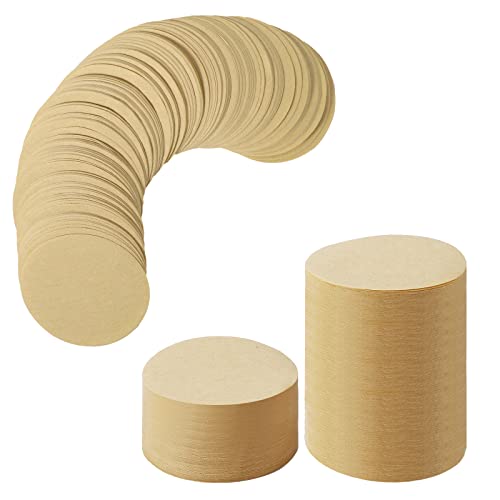
SAFE AND HEALTH: These round coffee filters are made of quality paper material, with nice air permeability, strength and water permeability, environmental friendly, health and safe, no harm to your body. Non-bleached coffee filters do not leave chemically taste!
Choose Upright or Inverted AeroPress Method
Which method feels right for you? You’re probably wondering whether upright simplicity or inverted immersion better fits your routine. Upright brewing drops water through the grounds instantly, so you get a quick, stable brew with low spill risk—perfect for beginners and daily use. Inverted immersion keeps everything soaked until you flip, letting you control steep time and often yielding a fuller body.
Here’s the thing: upright lets gravity do the work, so you can press after about 30 seconds and avoid a messy flip. Inverted gives you a full‑immersion feel, like a French press, but you must handle the flip carefully to prevent hot‑water spills.
Obviously, the choice hinges on how much control you want versus how much convenience you need. If you crave experiment and richer extraction, try inverted; if you value speed and stability, stick with upright.
Takeaway: pick the method that matches your desired flavor intensity and comfort level. Ready to test one? Brew a small batch and compare the results. Both methods produce identical flavor. The Aeropress’s ability to brew under a minute makes it ideal for those with tight schedules. The OXO Rapid Brewer’s automated drip‑style operation can fill a full carafe with a single press. Adding a nitrogen infusion step can further enhance the texture and create a café‑like crema.
Brew Step‑by‑Step: Pour, Stir, and Time Your AeroPress Coffee
You’re probably wondering exactly how to pour, stir, and time each step so the coffee hits the sweet spot.
How do I measure the brew ratio?
Start with 16‑18 g coffee and aim for 220‑250 g water. Mark the chamber at “4” and pour until you hit that point; that’s a solid brew ratio that balances strength and clarity.
When should I stir and for how long?
Immediately after the first splash, give the slurry a gentle three‑second agitation. If you use a two‑stage pour, repeat a brief stir after the main pour—just enough to wet the grounds without over‑mixing.
What timing keeps the extraction consistent?
Start the timer at the first pour. Let the coffee steep for about 60 seconds after the initial stir, then proceed to the next step.
*Takeaway:* A consistent brew ratio, brief agitation timing, and a 60‑second steep give you a repeatable, tasty cup. Ready to press?
Descaling removes mineral buildup that can affect water temperature stability.
A well‑maintained machine ensures stable pressure throughout the brew.
Proper tamping pressure helps achieve even extraction and prevents channeling.
Press Gently for a 20‑30‑Second AeroPress Extraction
How long should I press, and how hard? You’re probably wondering how to nail the pressure timing without over‑exerting yourself. The answer is simple: aim for a gentle, steady plunge lasting 20‑30 seconds, using pressure control comparable to holding a phone against your cheek.
Now, place the plunger on the rubber seal and press slowly. Keep the force light; you should feel the resistance give just enough to move the piston without bowing the silicone gasket. This smooth motion maintains even flow through the coffee bed and prevents channeling.
All right, stop the moment you hear the first hiss of air. That hiss tells you the liquid has left the chamber, and pushing past it will over‑extract and add bitterness. Your takeaway: gentle pressure, 20‑30‑second timing, and stop at the hiss for a balanced cup. Next, consider how tweaking your steep time could further shape sweetness or brightness. A proper coffee‑to‑water ratio ensures optimal extraction. The machine’s 19‑bar pressure system mimics professional espresso extraction, delivering consistent flavor. Using a coarse uniform grind helps prevent over‑extraction and maintains clarity in the cup.
Tweak Steep Time and Stirring for Sweetness or Brightness in Your AeroPress
If you’re wondering how to dial in sweetness versus brightness, the key is tweaking steep time and stirring intensity.
How does steep time affect flavor?
Short steeps (30‑75 s) pull early acids and sugars, giving a bright, floral cup. Longer steeps (1‑1.5 min) extract richer sugars and body for sweetness but risk bitterness. Adjust in 15‑second steps while keeping grind selection and water temperature constant.
When should you stir more or less?
Gentle stirring preserves brightness; vigorous circular stirring pushes extraction, adding body. If the brew feels sour, increase steep time or reduce agitation. If it tastes harsh, cut steep time or dial back stirring.
What’s the practical routine?
Start with a medium‑fine grind, 93 °C water, 45 s steep, and a light swirl. Taste, then tweak one variable at a time.
Takeaway:
Steep time and stirring are your flavor levers—tweak them deliberately to balance sweetness and brightness.
Next step:
Try a 60‑second steep with minimal stir, then a 90‑second steep with a gentle swirl; compare results.
A well‑balanced brew often follows a 1 g per 15 g coffee‑to‑water ratio, which helps maintain consistency across experiments.