
You’re probably tasting stale, bitter notes because old oils and grounds are stuck in the burrs or blade chamber, and you’re right to wonder how to fix it. First, unplug the grinder, empty the hopper, and give it a quick spin to eject loose beans; then brush every tooth and groove with a soft‑bristle brush, vacuum the chamber, and wipe all surfaces dry. Finally, run a batch of fresh beans to season the burrs or purge the blade, and you’ll restore bright flavor instantly. If you keep going, you’ll uncover deeper cleaning tricks and troubleshooting tips.
Coffee Grinder Cleaning: Why Fresh Flavor Depends on Regular Maintenance
You’re probably wondering why a few minutes of cleaning can change your coffee’s taste so dramatically. You’ve noticed stale, bitter notes after a week of use, and you’re right to suspect the grinder. The oils that beans release cling to burrs and chambers; if they turn rancid, they contaminate every fresh grind, ruining flavor preservation.
Here’s the thing: maintenance frequency matters more than you think. Light brushing after each brew removes loose grounds, while a deeper clean every 1–2 weeks prevents buildup that dark roasts especially love. If you drink daily, aim for a weekly deep clean and a monthly soak of the burrs. Consistent particle size is crucial for uniform extraction across brewing methods.
Obviously, a clean grinder gives consistent particle size, which means even extraction and bright, clean cups every time.
Takeaway: schedule short brushes after each use and a thorough clean weekly to protect flavor. Ready to learn the exact steps? Use one cap full of Grindz tablets for a thorough deep clean.
A well‑maintained grinder also extends the lifespan of the burr set, ensuring long‑term performance.
Coffee Grinder Cleaning: Safety First – Unplug, Empty, and Prepare
If you’re wondering why the first step feels so essential, it’s because power and beans are the biggest hazards before any cleaning.
Why must you unplug first?
Obviously, electricity can jump if the motor still runs while you’re reaching inside. Unplugging follows safety protocols and guarantees the grinder won’t start accidentally.
How do you empty it safely?
All beans and grounds pose a slip hazard and can damage blades if they move. Remove the hopper, run the machine briefly to clear leftovers, then dump the catch bin into an airtight container.
What should you set up before you start?
Now, gather a soft cloth, a brush, and a vacuum. Warm, soapy water works for removable parts, but only if the manual says it’s safe. Light, a clean workspace, and a quick glance at your maintenance schedule keep you organized.
Takeaway: Unplug, empty, and prep—then you’re ready for the deeper clean. Next, ask yourself: which parts need a quick‑clean routine this week?
A short cycle with uncooked rice can help absorb residual oils from the grinder.
Regularly descale the water reservoir to prevent mineral buildup, as hard water can affect grinder performance.
Using a paper towel as a temporary filter can be a quick fix, but be aware of chemical residues that may affect flavor.
Coffee Grinder Cleaning: Quick‑Clean Routine for Blade Grinders (Weekly)
You’ve probably wondered why a quick weekly clean matters after you’ve unplugged and emptied the grinder. A blade grinder builds up loose grounds and oily film fast, so a Weekly routine keeps flavor fresh and prevents rust.
How do you dry‑brush the chamber?
Now, grab a soft‑bristle brush or an old toothbrush. Unplug, empty, then sweep the blades and corners, dislodging any compacted particles. No water—just dry motion to avoid moisture damage.
What about the lid and removable parts?
Here’s the thing: wipe the lid underside and edges with a lint‑free cloth. If the design allows, wash removable pieces in warm, soapy water, then air‑dry completely.
What’s the final check?
Obviously, inspect the cord, plug, and interior for leftover dust. Reassemble only when everything’s dry.
*Takeaway*: A quick dry brush and lid wipe each week preserves grind consistency. Next, ask yourself if you need a deeper monthly clean for burr grinders. Consistent grind size extraction efficiency and preserves flavor integrity.

Includes two (2) Colgate Gum Expert Ultra Soft Toothbrushes, Extra Soft Toothbrushes for Adults

Includes two (2) Colgate Sensitive Expert Ultra Soft Toothbrushes, Extra Soft Toothbrushes for Adults
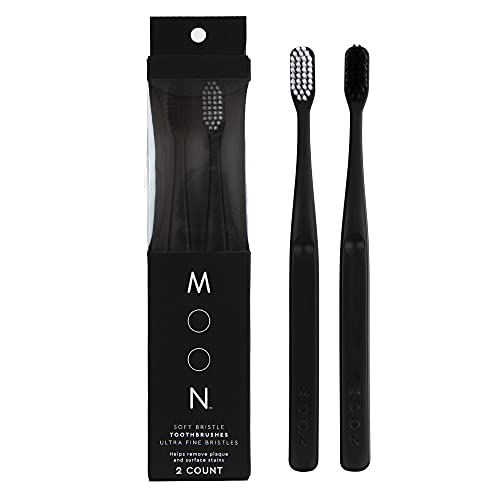
Tooth Brush 2 Pack - We designed these extra soft toothbrushes for adults who crave simplicity, sophistication and visible results. Each box contains two toothbrushes, suitable for sharing with a partner, a family member, or to keep as a back-up
Coffee Grinder Cleaning: Quick‑Clean Routine for Burr Grinders (Monthly)
Maintaining flavor and preventing wear is all about removing built‑up oils and fine dust before they harden into a crust. You’re probably wondering why a monthly quick‑clean matters for burr grinders. Here’s the thing: a cleaning tablet runs through the burrs in 5‑10 minutes, pulling out stale oil buildup and compacted fines that would otherwise mute your brew.
How do you start?
Turn off and unplug the grinder, empty the hopper, and give the burrs a short empty run. Place a catch bin under the chute, then add a quarter‑cup of approved cleaning tablets. Set the grind to medium‑fine, grind the tablet like coffee, and keep going until the machine sounds empty.
What next?
Purge with a handful of beans to flush residual tablet dust. Brush loose particles from the burr area and wipe the hopper with a lint‑free cloth. Inspect burrs for wear, check the chute for oil buildup, and recalibrate grind settings if needed.
Takeaway: A monthly quick‑clean removes oil and dust, keeps grind calibration spot‑on, and extends burr life. Ready for the deep‑clean next?
Grinding beans close to brewing preserves aroma and minimizes oxidation. The paper filter in a Chemex captures finer particles, resulting in a cleaner cup compared to the French Press’s metal mesh. A regular rinse of the metal mesh filter after each brew helps prevent mineral buildup and maintains consistent flavor.

Removes coffee residue and oils in standalone coffee grinders (not for super automatic espresso machines)

Removes coffee residue and oils that can cause bitter or unpleasant tasting coffee

Food-grade safe formula - Clean with Confidence for Pure, Unaltered Coffee Taste:Crafted from premium food-grade materials, our cleaning tablets are designed for safety and purity. This effective formula cleans without leaving behind harsh chemical residues, helping to ensure your coffee’s authentic flavor remains uncompromised. A reliable choice for the conscious coffee lover
Coffee Grinder Cleaning: Deep‑Clean a Burr Grinder – Disassembly & Brush‑Down
Ever wonder why a deep‑clean feels like a mini‑DIY project? You’re probably confused about how to take apart a burr grinder without breaking anything. Here’s the thing: unplug it, empty the hopper, then give it a quick spin to fling out loose beans. Place it on a tray, remove the catch bin, and twist off the hopper according to the manual. Most ring burrs lift out easily; keep loose parts together for reassembly.
Now, grab a soft brush or old toothbrush. Brush every tooth, groove, and the indentation around the ring burr where grounds love to hide. Use a dust blower or compressed air to dislodge fine debris, then vacuum the chamber with a slim nozzle.
All right, reassemble in reverse order, making sure everything’s dry. Run a handful of beans to season the burrs. Obviously, cleaning frequency matters—deep‑clean every 2–3 months, with quick brushes in between. Takeaway: a systematic disassembly and brush‑down keeps your grinder humming and flavor pure. Next, consider how cleaning tablets could simplify the final rinse. A fine grind can be affected by residue buildup, so regular cleaning helps maintain consistent extraction. Flat burrs provide tighter particle distribution, which can be especially beneficial for espresso precision. Maintaining grind uniformity after cleaning ensures each shot extracts evenly.

【Good tool for coffee lover】: This coffee grinder brush set is specially designed to brush away coffee grounds for the coffee grinder, espresso machine, portafilter, and etc. You can also use it to sweep extra coffee grounds off of the storage box and the counter. Whether you’re a professional barista or a home coffee enthusiast, this coffee machine cleaning brush is a must-have.

🧹【Package Included】The package contains 1 pcs dusting coffee grinder brush,the size is about 13cm × 1cm,can meet your daily use.

5Pcs Espresso Cleaning Kit: MIGAKU HOME set includes Black Walnut Large Soft Brush, Black Walnut Small Hard Brush, Group Head Brush, Long-reach Brush & Air Blower. Fits electric coffee grinder, coffee & espresso machine parts. One-stop cleaning for grounds and oil residue.
Coffee Grinder Cleaning: How to Use Cleaning Tablets Effectively
If you’re wondering when to reach for a cleaning tablet, you’ve hit the right spot. Here’s the thing: most home grinders benefit from a tablet every 2–4 weeks, especially after grinding 5–10 lb of beans or when you switch between oily dark roasts and light or flavored beans. Obviously, using a tablet after each heavy‑oil batch keeps the burrs from turning your next cup into a greasy mess.
How much tablet should you use?
A typical tablet dosage for a home espresso grinder is one capful—about 30‑40 g. If you have a larger hopper, double the dose. Keep the grinder settings on a medium grind so the tablet moves smoothly through the burrs.
What’s the workflow?
Empty the hopper, grind out any beans, then drop the tablet in and run the grinder as if you were grinding coffee. Stop when the tan‑gray residue exits, discard it, and purge with 15‑20 g of fresh beans.
Takeaway
Use the right tablet dosage, run at medium settings, and purge afterward to keep flavor clean. Next, you’ll want to know how to tackle stubborn oil without a tablet.Capfuls are recommended for larger or bulk grinders to ensure thorough cleaning.

Avoid use in super-automatic coffee makers: Not recommended for this type of machine

Coffee grinder cleaning tablets.

Bulk Coffeemaker Decalcifier Tablet: 24 Tablets Work out to a Year Supply or more. Compare to other products like powder, pods, sachet, packets. Choose ACTIVE Cleaning Tablets for better Values
Coffee Grinder Cleaning Hack: Remove Stubborn Oil With Uncooked Rice
You’re probably wondering whether tossing a handful of uncooked rice into your grinder really cuts through stubborn oil, and why so many coffee lovers swear by it. Here’s the thing: the rice acts like a gentle abrasive, scooping up oily film while its starch absorbs a bit of residue. Use about a quarter‑cup, run the grinder for 10 seconds to a minute, then dump the brown dust and wipe the chamber.
Now, grain safety matters. If you have a burr grinder, check the warranty—many manufacturers warn that hard grains can dull burrs or cause clogs, potentially voiding coverage. For blade grinders, the risk is lower, but you still need to purge the unit with fresh coffee afterward.
All right, the takeaway: rice can rescue a grubby grinder in a pinch, but treat it as an occasional hack, not a routine. If you value warranty protection, stick to manufacturer‑approved cleaners for regular maintenance. Regular descaling removes mineral deposits that can otherwise cause overheating and reduce efficiency. Using the same 1:4 coffee‑to‑water ratio for brewing can help you gauge the right strength when you dilute the concentrate. Proper sealing of the grinder’s gasket ensures consistent grind size and prevents flavor loss.
Coffee Grinder Cleaning: Re‑Season Burrs After a Thorough Clean
After using rice to scrape out stubborn oil, you’re probably wondering why the grind suddenly feels off. The clean removed coffee oils and residue, exposing fresh burr surfaces that need a break‑in. That’s why burr seasoning matters; it smooths microscopic imperfections and restores grind consistency.
Here’s the thing: run about 2 kg of stale, medium‑roast beans through a 64 mm set, 3 kg for coated burrs, and up to 5 kg for larger 80 mm units. Start medium‑coarse, then tighten gradually, finishing at your brewing range. Grind in short bursts to keep heat down and avoid motor strain.
Obviously, you’ll notice the grind normalizing over a few minutes, not instantly. Once the seasoning grounds are cleared, you can dial in your preferred dose and setting.
Flat burrs generally need more seasoning than cone burrs, so adjust the amount accordingly.
Takeaway: Re‑seasoning after a deep clean re‑stabilizes burrs, bringing back consistent particle size. Next, test a shot and note any remaining variance. The particle size directly influences extraction efficiency and flavor balance. Proper grind size selection is crucial for achieving optimal espresso extraction. Adjusting grind time by listening for sound changes helps maintain consistency across brews.
Coffee Grinder Cleaning: Troubleshoot Common Post‑Cleaning Issues
Because residual grounds, oil, or moisture can linger in the chamber, chute, and burrs, you’ll often see clogs, static‑filled fines, or a sudden shift in grind size. You’re probably wondering why the grinder jams or why the grind feels off after a thorough clean. Here’s the thing: static buildup makes fine particles cling to plastic walls, while any leftover oil creates sticky deposits that block flow.
Why does the grind change?
When you reassemble, the burrs may sit slightly off‑center, shifting the zero point. That disrupts grind calibration, so you get a coarser or uneven dose. Run a cheap test batch, compare particle size, then adjust the dial until it matches your usual setting.
What to do about clogs?
Inspect the chute, hopper, and burr teeth for dust clumps. Use a dry brush or vacuum, then dry all parts completely. If the motor strains, double‑check burr alignment and remove any debris. Understanding air injection helps prevent uneven foam when cleaning steam‑based devices.
Takeaway: Clean, dry, and re‑calibrate. A quick test grind verifies everything before you brew again. Now, try a small batch of beans and see if the flow steadies. Consistent grind quality is essential for an excellent espresso.

【Good tool for coffee lover】: This coffee grinder brush is specially designed to brush away coffee grounds for the coffee grinder, espresso machine, portafilter, and etc. You can also use it to sweep extra coffee grounds off of the storage box and the counter. Whether you’re a professional barista or a home coffee enthusiast, this coffee machine cleaning brush is a must-have.

【Package Content】This set includes 3 coffee brushes of different sizes to meet all daily cleaning demands. Each espresso brush is equipped with a walnut wood handle and soft natural bristles to clear leftover coffee grounds from every narrow corner of your coffee gear.
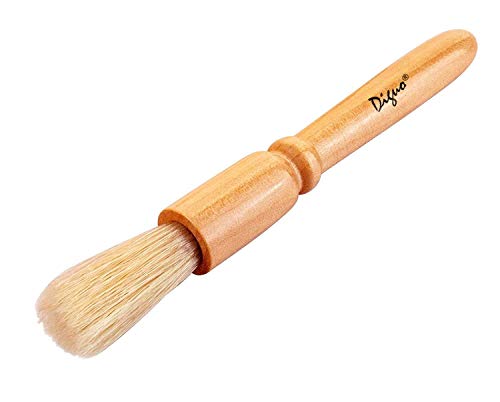
High quality Natural fiber bristles & Wooden handle, A well made sturdy brush for everyday use