
You’re probably wondering why “espresso maker” and “espresso machine” feel interchangeable—here’s the thing: a true espresso machine pumps water at 9 bar (130 psi) for 25‑30 seconds, creating a thick crema and a balanced 1:2 brew ratio, while an espresso maker (like a moka pot or capsule unit) tops out at 1‑2 bar, brews for minutes, and yields a bolder, thinner cup with little crema. The pressure difference drives extraction speed, grind size, and flavor, so the machine gives you café‑style shots and the maker gives you a quick, less nuanced brew. If you keep going, you’ll uncover how cost, maintenance, and daily routine fit into the picture.
What’s the Real Difference Between an Espresso Machine and an Espresso Maker?
What’s the real difference between an espresso machine and an espresso maker? You’re probably hearing both terms and wondering if they mean the same thing. Here’s the thing: “espresso machine” is the technical name for equipment that forces hot water through finely ground coffee at about 9 bar (130 psi) pressure, producing true espresso with crema; “espresso maker” is a looser consumer label that can include everything from stovetop moka pots to capsule units, many of which don’t reach that pressure and consequently don’t make authentic espresso. Obviously, the pressure and brewing method you use determine whether you’ll get a café‑style shot or just a strong, bold coffee.
Design brewing matters: machines sport pumps, boilers, and PID controllers, while makers often rely on steam or simple heat. Styling trends push sleek stainless steel or retro pastel bodies, but the core function stays the same. User brewing experience differs; machines let you tweak temperature, dose, and tamp, whereas makers give you one‑click convenience.
Cultural impact shows up in cafés versus kitchens: machines fuel latte art culture, while makers satisfy quick‑brew habits. Takeaway: if you crave true espresso and control, look for a machine; if you need simplicity and lower cost, a maker will do.
Next, consider how pressure really sets them apart. Fine grind yields more surface area for espresso extraction. The OriginalLine’s high‑pressure pump enables a richer crema compared to many capsule‑based makers. Regular descaling helps maintain consistent pressure and flavor over time. Proper water temperature is essential for balanced extraction and a smooth crema.
How Pressure Sets Espresso Machines Apart From Espresso Makers
How does pressure actually separate a true espresso machine from a maker? You’re probably wondering why a “maker” can’t match a machine’s punch. The answer lies in pressure control. A pump‑driven machine pushes hot water through coffee at about 9 bars—the gold standard for balanced flavor. That steady pressure, combined with thermal stability, extracts oils and sugars that a drip‑style maker, which relies on gravity, simply can’t.
Now, steam‑driven devices top out at 1–1.5 bars, more like a moka pot than espresso. Their low pressure yields weak crema and thin body.
All right, lever machines let you fine‑tune pressure manually, but they still need a solid spring or pump to hit the 9‑bar zone.
Takeaway: stable, high pressure and consistent temperature are what truly set espresso machines apart. Next, you might ask how grind size and roast affect that pressure‑driven extraction. (Most machines actually operate at six to nine bars during extraction.) A well‑designed boiler system helps maintain the necessary temperature stability for optimal extraction. The group head ensures even water distribution across the coffee puck.

[20 BAR PRESSURE SYSTEM] Equipped with 20 bar professional pump, SPACEKEY espresso machine can extract the oils in the coffee powder more deeply, bringing a more aromatic and rich smell. Smart pre-soak system can make the coffee powder evenly moist and the flavor extraction better. And the PID intelligently controls water temperature to make your espresso more delicious.

Brew Espresso, Lattes, Cappuccinos & Macchiatos at Home: Compact and versatile, this machine works in kitchens or offices. Built-in milk frother included.

【20 Bar Pro-Pump】This 2-in-1 semi-automatic expresso coffee machines features a 20 bar high-pressure pump and a visible pressure gauge, delivers consistent stable pressure to fully penetrate the coffee puck, ensures produces balanced acidity and bitterness, rich creamy crema, and an ultra-smooth coffee. Let you make café-style espresso and latte effortlessly at home.
Why Grind Size and Roast Matter for Espresso Machines
Why does the grind size feel like the secret knob that decides whether your espresso shines or sputters? You’re right to wonder—grind uniformity drives how water meets coffee, and roast density decides how quickly those flavors dissolve. A finer grind gives more surface area, so water extracts faster under high pressure; too fine, and you choke the flow, ending up bitter. A coarser grind lets water rush through, producing a weak, under‑extracted shot. Dark roasts, being more porous, need a slightly coarser setting than light roasts, whose denser beans demand fineness to pull flavor. Adjusting after a roast change is essential, because the same machine reacts differently to each roast’s density. Consistent dosing and grind uniformity are crucial for preventing channeling and achieving balanced extraction. Takeaway: Match grind fineness to roast density, keep particles uniform, and you’ll tame the flow for balanced espresso. Next, explore how extraction time reveals flavor clues. A proper tamping pressure of 30–40 lb helps maintain the intended flow resistance despite grind variations. Fine‑tuning the grind can also improve shot timing consistency across different beans.

40mm stainless steel conical burrs: Precision grinding system produces uniform coffee grounds to ensure even extraction for rich, balanced flavor in every cup.

Versatile grinding: 200W motor and stainless steel blades efficiently grind coffee beans, spices, herbs & nuts in this electric coffee bean grinder; customize from coarse to fine for cold brew, French press, drip, pour-over, and espresso

SPECIALTY COFFEE ASSOCIATION AWARD-WINNING GRINDERS - Baratza grinders are preferred by coffee professionals and tops the list of review sites like Wirecutter.
What Extraction Times and Flavor Profiles Reveal About Each Appliance?
When you wonder why your stovetop brew feels so different from a bar‑ista shot, the answer lies in extraction time and pressure.
What does ex time tell you?
A true espresso machine hits a 25‑30 second window, sometimes 22‑26 seconds for light roasts. The pump engages, water meets the puck instantly, and a 1:2 brew ratio guides you. A moka pot drags the process to 5‑10 minutes under only 1‑2 bars, so the chemistry shifts dramatically. Proper grind size is crucial for achieving the correct flow rate. Using a grind that is too coarse can cause channeling and uneven extraction. Regularly cleaning the group head prevents mineral buildup that can alter pressure stability.
How do flavor profiles differ?
Short, precise ex time on a machine yields bright acidity, balanced sweetness, and a silky crema. The middle of that shot carries most body, while the tail adds bitterness if you linger. Moka coffee, brewed longer at low pressure, feels bolder, harsher, and less nuanced, with minimal crema.
Takeaway
If you crave a concentrated, balanced cup with crema, aim for the quick, high‑pressure extraction of a machine. For a robust, stove‑top experience, expect a longer, lower‑pressure brew.
Timing is the most basic step toward a good extraction. Next, compare cost, maintenance, and features to see which appliance fits your routine.
How Cost, Maintenance, and Features Compare for Espresso Machines vs. Makers?
If you’re stuck wondering why one option feels pricier and the other seems hassle‑free, you’ve nailed the right question.
What’s the price gap?
Entry‑level drip makers start at $25‑$150, while basic espresso machines begin around $50‑$100 but useful home setups quickly hit $300‑$500. Add a grinder ($350‑$500) and a quality automatic espresso machine tops $500. Long‑term, espresso can save you $700+ annually versus pod systems. The environmental impact of single‑serve capsules can offset some of the cost savings.
How does maintenance differ?
Drip brewers need monthly descaling and occasional filter swaps. Espresso machines demand daily cleaning, weekly backflushing, and more parts to service. Fully automatic models add extra steps, so you’ll spend more time upkeep.
What features set them apart?
Drip makers brew large batches of black coffee, handling iced coffee with ease. Espresso machines create crema, shots, and a menu of lattes, cappuccinos, and Americanos, but they require precise grind and pressure.
What about energy and warranty?
Espresso units often draw more power due to heating elements and pumps, raising energy consumption compared to simple drip models. Warranty length typically ranges from 1‑2 years for budget drip makers to 2‑3 years for mid‑range espresso machines.
Takeaway:
If you value low upfront cost, minimal upkeep, and lower energy draw, a drip maker fits. If you crave café‑style drinks and are okay with higher cost, regular maintenance, and higher energy use, an espresso machine wins.
Next, consider which daily routine best matches each appliance’s strengths.
Cold brew can also be infused with nitrogen for a silky texture.
The proprietary capsule system locks in flavor and freshness, offering a convenient alternative to traditional espresso brewing.

#1 Worldwide Espresso Machine Maker* *Independent Research Institute, Sales Leader, Full Year 2025

CAFÉ-STYLE COFFEE AT HOME: Enjoy rich espresso, creamy cappuccino, smooth latte, and classic Americano at the touch of a button. This fully automatic espresso machine combines convenient one-touch brewing with customizable settings, making it easy to create café-style coffee at home. Whether starting your morning or entertaining guests, enjoy consistent flavor with less effort

4 PRESETS, ENDLESS COMBINATIONS: Espresso, coffee, latte or simply hot water, take your pick. Latte lovers, top your coffee with silky smooth milk using our proprietary milk system.
Which Espresso Machine Fits Your Daily Coffee Routine Best?
How does your morning rhythm shape the coffee you need? If your Morning workflow is tight, you’ll love an espresso machine’s 20‑30‑second shot. You can pull a single or double shot, then steam milk for a latte, all before you even start your first email. You’ll need a grinder that offers Grind variety, from fine for espresso to a slightly coarser setting for a lungo.
All right, if you sip a small, intense drink and crave specialty drinks, the machine fits. It delivers rich crema, high pressure, and quick repeatability.
The mocha pot generates only about 1–1.5 bar of pressure which is significantly lower than an espresso machine’s 9 bar.
Here’s the thing: if you prefer a larger, milder cup and can wait a few minutes while a pot brews, a drip maker suits you better.
Obviously, decide whether you value speed and customization or volume and simplicity. Your next step: match your daily cadence to the machine that mirrors it.

MANUAL HAND-TEXTURED MICROFOAM: The powerful steam wand on this cappuccino maker and latte machine is designed to quickly turn milk into smooth, flavorful microfoam for creating latte art at home

【Barista-Level Espresso Experience at Home】: The Espresso Machine with Grinder helps you brew rich, café-quality espresso and handcrafted drinks in minutes. With a semi-automatic brewing system and integrated milk frother, you can easily create lattes, cappuccinos, macchiatos, iced coffee, and more just the way you like. Designed with a modern black finish and compact footprint, it fits perfectly in any kitchen, office, or coffee corner—bringing professional taste and style into your daily routine.
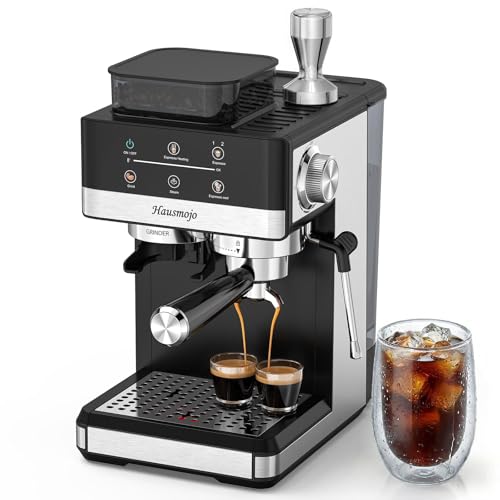
All-in-One Espresso Machine with Grinder & Steam Wand: Enjoy espresso, lattes, cappuccinos, iced coffee, and cold brew from one machine. The 20-bar Italian pump and 1350W heating system deliver rich crema and café-style flavor at home—the kind you'd normally pay for at your favorite coffee shop
Your Quick Buying Checklist for the Perfect Espresso Machine
You’re probably wondering which specs actually matter before you start hunting for a machine, and that’s a smart place to start.
Portability vs. DesignA**** – If you move often, look for a compact, lightweight unit with a sturdy carry handle. Otherwise, a sleek DesignA chassis in brushed stainless steel boosts Aesthetics and signals durability.
Ergonomics and UserInterface – Controls should sit comfortably under your fingers; a clear LCD or tactile dial reduces learning time. A well‑designed interface lets you adjust pressure (≈9 bar) and temperature without hunting through menus.
Sustainability and Noise – Choose models with EnergyEfficiency ratings and low‑decibel pumps (under 60 dB) to save power and keep mornings quiet.
Warranty, BrandReputation, and Maintenance – A solid Warranty (≥2 years) from a reputable brand protects you while you learn descaling.
Takeaway: Prioritize portability, ergonomics, and sustainability first; then verify warranty and brand reputation. Ready to shortlist your top three?
A regular descaling schedule keeps the machine’s performance optimal and extends its lifespan.
Regular descaling also prevents mineral buildup that can cause error codes and affect taste.
A thorough daily cleaning routine, including rinsing the portafilter and wiping the steam wand, helps maintain consistent extraction quality.

No battery/electricity need. Manual operation only! Compact, lightweight and versatile, you may use any variety of coffee bean/roast, which will give you more flexibility in trying new flavors.
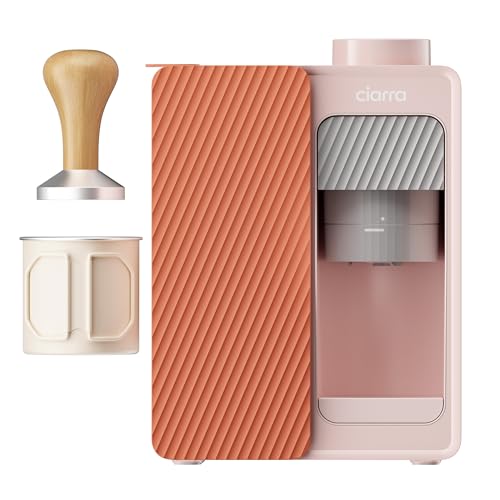
Ultra-Compact Design for Multi-Scenes: Compact and lightweight, perfect for travel, camping, RV trips, and office use. Supports both battery and plug-in modes, letting you enjoy fresh coffee anytime, anywhere without power limitations. [Note: In battery mode, the BloomBox cannot heat up cold water. You can still brew cold coffee with cold water, or make a hot espresso if you fill the tank with hot water in advance.]

Compact Design, Quality Assured:Weighing 825g about as much as a thermos, this portable coffee maker is your ultimate travel companion. Crafted from durable, easy-to-clean food-grade stainless steel, it slips effortlessly into a backpack. Perfect for camp mornings, hotel stays, or a quiet office moment — enjoy barista-quality coffee on the go