
You’re right to wonder why some shots taste sour or bitter—temperature, pressure, and grind are the triple‑crown. Warm‑up the machine, purge the group head, and keep the water at **93‑96 °C; then dose 18 g, tamp 30‑40 lb, and aim for a 25‑30‑second pull** that yields 36 g (1:2 ratio). Adjust grind finer or coarser in 1‑2‑notch steps until the stream looks steady and caramel‑colored, and you’ll consistently hit that sweet spot. Keep these basics in mind and the next steps will release even richer flavors.
Prep Machine & Portafilter for Consistent Shots
Why does preheating matter? You’re worried about sour shots, and the answer lies in temperature stabilization. When you let the machine warm up fully, the brew and group components reach a steady heat, so each extraction starts from the same baseline.
Now, how do you keep that heat steady? Flush the group head for 1–2 seconds before every shot; this clears stale water and prevents sudden temperature drops. A quick purge after any idle period does the same, keeping the group head’s temperature locked in.
All right, what about the portafilter? Wipe the basket rim and clean the basket between shots; a dirty rim can cause leaks and uneven flow. Rinse, dry, and then lock it in—this simple machine cleaning step guarantees consistent water pressure.
Takeaway: Warm‑up, flush, and clean each time, and you’ll lock in temperature stabilization for reliable espresso. Ready to fine‑tune your dose‑to‑yield ratio next? Consistent grind size ensures uniform extraction across the puck. Regular descaling prevents mineral buildup that can affect temperature consistency. Frequent group head flushing removes coffee oil residue and maintains optimal flow.
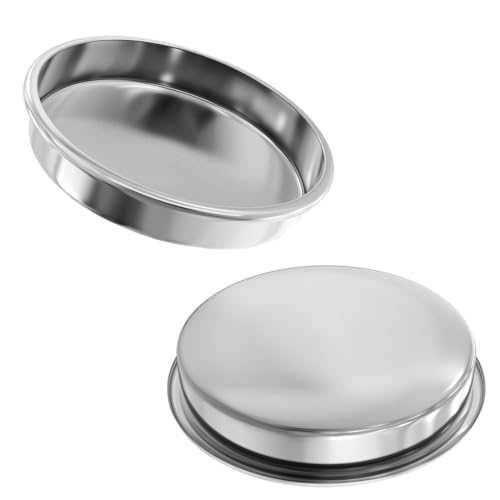
Wide Usage - The 22.8 Backflush Filter Espresso Inches Backflush Inser, Stainless Steel Back Flush Blind Filter Basket Fits for Breville Gaggia Classic and other Espresso Machines Espresso Cleaning Disc. It is an excellent replacement for recoil inserts
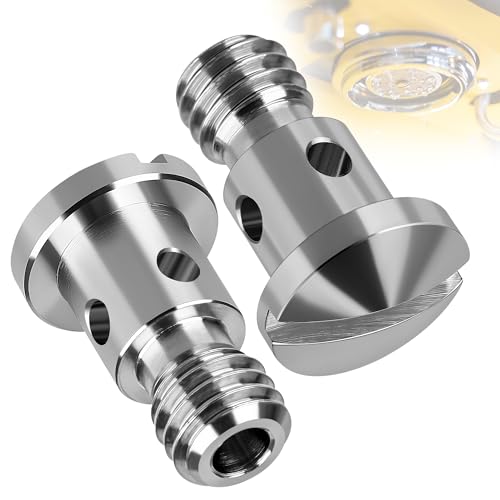
FIT FOR LA MARZOCCO ESPRESSO MACHINE: The Group diffuser screw is compatible with La Marzocco GS3, Slayer, Synesso, Modbar, Mavam, Unica Pro, Linea Mini, and Linea Micra Saturated Group Head machines. The Espresso Machine Parts is ideal for La Marzocco machines restoring proper function after a worn or stripped original screw

【Burn Protection Design】Features an integrated deflector to block hot water spray, keeping your hands dry and secure during the busy morning espresso rush.
Pick the Right Dose‑to‑Yield Ratio for Your Espresso
If you’re wondering which dose‑to‑yield ratio will give you a balanced espresso, you’ve hit the right spot.
What ratio should I start with?
A solid baseline is 1:2—18 g of coffee yielding 36 g of liquid. This “normale” shot hits the sweet spot for most taste profiles, delivering enough body without drowning the flavors.
How does ratio selection change the flavor?
Lower ratios (1:1‑1:1.5) concentrate sugars and acids, giving a bold, intense taste profile that can feel sharp if you overshoot. Higher ratios (1:2.5‑1:3) stretch the shot, making it lighter and clearer, but too much yield dilutes the body.
What’s the practical way to dial it in?
Set your dose first, then adjust yield while keeping extraction time around 25‑35 seconds. Keep the coffee constant, change only the ratio, and note how the taste profile shifts.
Takeaway: Start with 1:2, taste, then fine‑tune up or down based on the strength you crave. Next, think about how grind fineness impacts those numbers.
A well‑calibrated brew pressure ensures the water forces through the puck evenly for consistent extraction.
A consistent water temperature of 90‑96 °C helps maintain optimal solubility throughout the shot.
A properly ground size is crucial for balancing flow rate and extraction efficiency.

Barista-Level Precision: A 0.1g high-precision sensor with a rapid refresh rate responds instantly to changes in weight, helping you achieve consistent results across espresso, pour over, drip coffee, Chemex, V60, and filter coffee brewing.

☕ 0.1g High Precision Digital Coffee Scale Achieve consistent coffee measurements with a high-precision sensor that measures in 0.1g increments. This digital coffee scale is designed for espresso dosing, coffee beans, pour over brewing, and recipe measurements at home or cafes.

Compact and Mini Design: This coffee scale is mini in size, measuring 4.11x4.11x0.79 inches. It can be placed directly in the palm of your hand and can be easily placed on the coffee machine's water tray, leaving enough space to hold coffee cups. It is suitable for home coffee machines or small travel coffee machines.
Grind the Beans to the Ideal Fineness and Dial‑In
When you wonder why your espresso sometimes tastes thin or bitter, it’s usually the grind size.
Why does grind matter?
A fine, powdery grind (200‑400 µm) creates enough resistance for high‑pressure extraction; too coarse lets water rush through, too fine chokes the flow. Pinch a dose—feel a slight clump that breaks apart. If it never clumps, grind coarser; if it turns to dust, go a notch coarser.
How to dial‑in?
Use a quality burr grinder and adjust in 1‑2‑notch increments. Weigh each dose on a 0.1 g scale to isolate the grind variable. Remember, bean selection and roast level shift the sweet spot, so re‑calibrate whenever you switch beans.
Takeaway
Consistent retention, precise grind calibration, and careful tasting will let you fine‑tune extraction speed and flavor balance. Next, ask yourself how long the shot should pull for optimal taste.
A uniform grind ensures consistent extraction and reduces channeling.
A stable dose weight helps maintain repeatable results across sessions.
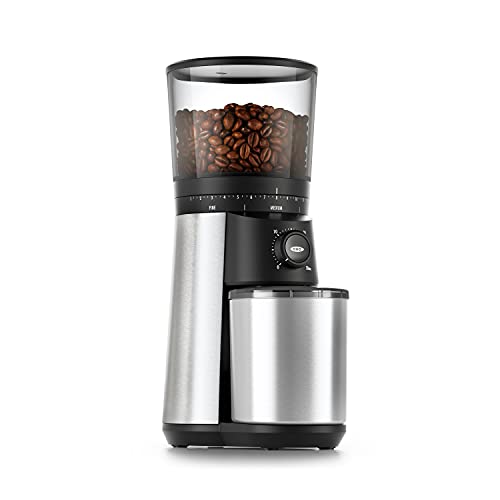
40mm stainless steel conical burrs: Precision grinding system produces uniform coffee grounds to ensure even extraction for rich, balanced flavor in every cup.

40mm stainless steel conical burrs: Precision grinding system produces uniform coffee grounds to ensure even extraction for rich, balanced flavor in every cup.

Slim, powerful grinder with precise settings from fine to coarse, with 15 settings and 29 micro-adjustments
Pull the Shot: Timing, Stream Appearance, and Yield Adjustments
You start the timer when the pump kicks in and watch the first drip appear around 3‑8 seconds. Aim for a 25‑30 second extraction, letting the flow change from a slow drip to a steady, warm‑honey stream. The stream should stay smooth, thick, and maintain a rich caramel color while the crema—your streamcrema—builds evenly. The weight check follows: a 1:2 brew ratio means 18 g dose yields about 36 g output. If the cup tastes sour, do a yield adjustment: extend the shot to a 1:2.5 or 1:3 ratio, letting more water extract balanced flavor. If it’s bitter, shorten the shot and reduce yield. All right, the key takeaway: monitor temperature timing, watch the streamcrema, and fine‑tune yield adjustment to keep extraction balance on point. Next, ask yourself whether your grind needs a tweak or if the machine’s pressure is steady. Consistent dose is crucial for reproducible results. Using filtered water helps maintain consistent flavor and protects the machine from mineral buildup. Regular descaling prevents mineral buildup that can alter pressure and temperature stability. Proper water temperature ensures optimal extraction and crema formation.
Troubleshoot Common Issues: Fast, Slow, or Uneven Extraction
You’re probably wondering why your espresso sometimes rushes out or drags on forever, and why the flavor swings from sour to bitter.
Why does my shot run fast?
If it streams thin and sour, grind finer, add a touch more dose, or lengthen the brew ratio. Check that water temperature sits at 90‑96 °C (195‑205 °F). Water hardness can thin the flow, so a balanced mineral profile helps. The Nespresso’s 19‑bar pressure system forces water through the coffee quickly, creating a rich crema when the capsule is properly sealed.
Why does my shot crawl?
A bitter, muted pull means the grind is too fine or the dose too high. Coarsen a bit, lower the dose, or drop the temperature a few degrees for dark roasts. Make sure the basket isn’t clogged with stale clumps—fresh beans within three weeks of roast keep the puck porous.
How do I fix channeling?
Uneven flow shows up as spurting or early blonding. Distribute grounds evenly, tamp level, and use a naked portafilter to spot weak spots. Inspect grinder calibration; consistent particle size stops channeling.
Takeaway: Adjust grind, dose, temperature, and distribution while watching water hardness and bean freshness. Once you balance these, you’ll tame fast, slow, and uneven extractions. Ready to perfect your shot timing? A consistent 30–40 lb tamp ensures balanced resistance and prevents channeling. Using a proper espresso‑grade grind dramatically reduces the risk of channeling and under‑extraction.

【Thinner 14 Needles】 Needles evenly distributed design. 7 food-grade stainless steel needles, 0.35mm diameter, the perfect size for breaking up coffee clumps, plus 7 replacement needles. Thoughtful needles storage tube. Say goodbye to the bent needles

【A Perfect Espresso Shot Companion】 Nessus espresso distributor includes 10 food-grade stainless steel needles with a 0.35mm diameter, which is the perfect size to break up coffee clumps. For added convenience, we provide an extra set of 10 needles in a storage tube. A good choice to add this espresso machine accessories to your coffee bar!

Even Espresso Extraction - This coffee stirrer uses 5 fine 0.4mm needles which help to distribute the coffee evenly in the filter when the barista is making the coffee to promote a more even extraction and better espresso. Eliminates clumping and improves consistency.
Finish With Classic Espresso Drinks and Flavor Add‑Ons
You’ve probably wondered why the same espresso can turn into a macchiato, a latte, or an iced Americano with just a few tweaks. You’re right to ask—each drink follows a simple ratio and texture rule that lets you swap milk, water, or ice in seconds.
How do I turn espresso into a classic drink?
Now, start with a macchiato: a dollop of foam on espresso, then add a Classic garnish like cocoa powder. For a cappuccino, steam milk to a frothy third‑volume foam, dust with cinnamon, and you’ve got a balanced 1:1:1 mix. A latte uses more silky milk, while a flat white keeps microfoam thin for stronger coffee punch.
What about flavor boosters?
Here’s the thing: Seasonal syrups—pumpkin in autumn, peppermint in winter—mix into any milk‑based drink for a festive twist. Add a drizzle of chocolate to a mocha, top with whipped cream, or sprinkle cocoa for extra depth.
How do I finish an iced version?
All right, pour espresso over ice, add cold milk for an iced latte, or dilute with water for an iced Americano. Use large coffee ice cubes to limit dilution, then finish with a Classic garnish of shaved chocolate.
Takeaway: Master the base ratios, then play with foam, syrups, and garnish to create endless variations. Ready to experiment with your next cup?
Nespresso pod systems offer unparalleled convenience for busy lifestyles, but traditional espresso machines provide greater flavor control and customization.
A standard demitasse cup holds about 2 oz of espresso, which is the ideal volume for a single shot.
Regular descaling prevents mineral buildup that can affect water flow and temperature consistency.

304 STAINLESS STEEL: Amrules 12oz creamer pitcher are crafted of 18/8 food grade stainless steel. The pitcher features external mirror finish and internal hairline finish. It is sturdy, durability, rust-resistant and resistant to deformation

【Food Grade Material】This milk frothing pitcher is made of high-quality 304 stainless steel, which is rust proof, stain proof, and heat resistant. It has a stylish appearance and is very easy to clean after use.

【Premium Food-Grade 304 Stainless Steel】Milk frother cup is made of premium food-grade 304 stainless steel, this non-toxic, odorless coffee pitcher ensures safe daily food contact. It delivers outstanding rustproof, stain-resistant and heat-resistant performance for durable use. Adopting seamless welding technology, the integrated body and handle feature solid structure.