
You’re right to wonder why espresso feels elusive; the trick is mastering warm‑up, grind, dose, tamp, and brew. First, heat the group head, portafilter, and cup for 20‑30 minutes, then run a short blank flush to stabilize temperature. Next, grind fresh Arabica to a table‑salt texture (≈250 µm), dose 18‑20 g, distribute evenly, and tamp about 30 lb for a flat puck. Lock the portafilter, start the timer, and aim for a 25‑30 s extraction with a honey‑like flow and velvety crema. If you follow these steps, you’ll pull café‑quality shots and be ready for deeper tips.
Warm‑Up Your Espresso Machine – Pre‑heat Group Head, Portafilter, and Cup
Why does the machine need a warm‑up? You’re probably wondering why you can’t just press “brew” and go. The answer is thermal timing: the group head, portafilter, and cup all need to reach steady heat before the first shot, otherwise pressure stability suffers and the espresso cools fast.
How long should you wait? Most consumer machines need 20‑30 minutes; heat‑exchangers push that to 30‑40 minutes, dual‑boilers sit around 25‑35 minutes, and E61‑style heads crave 40‑45 minutes. Lock an empty portafilter in right after you power on; it heats the basket and prevents thermal shock when water hits the metal.
What’s the quick fix? Run a short blank flush—2‑5 seconds for most, up to 15 seconds on heat‑exchangers—to purge cool water and warm the group surfaces. Then preheat your cup with steam or hot water for 30‑60 seconds; a hot cup preserves crema and aroma.
Takeaway: Give the machine enough thermal timing, lock the portafilter, flush briefly, and warm the cup to lock pressure stability and consistent temperature. Next, you’ll want to choose the right beans and grind size for perfect extraction.
Regularly cleaning the brew group and drip tray, as outlined in the Breville Espresso Machine Care guide, helps maintain optimal temperature stability. Properly descaling with a citric‑acid solution prevents mineral buildup that can impair heating efficiency.

CapLab 4-in-1 Professional Espresso Accessories Kit for 51mm Portafilter

Fits Breville 54mm Portafilters & Dual Functionality: Designed for Breville 54mm portafilter series (Barista Express, Pro, Touch, Bambino Plus, Infuser). This essential espresso machine accessory features a 2-in-1 53mm distributor and tamper. Use the distributor side to level grounds, then flip to tamp at a consistent depth for steady, reliable results.
Choose & Grind Fresh Coffee – Ideal Espresso Beans & Grind
What beans should you start with? You need fresh, whole‑bean Arabica, preferably 100 % or an Arabica‑forward blend, with a clear roast date on the bag. Choose a medium to medium‑dark Roast level; this range gives you chocolate, caramel, and nutty notes while keeping bitterness low. If you crave bright fruit or floral tones, pick a single‑origin bean, but remember it may be less consistent shot‑to‑shot than a blend.
Now, grind it fine—think table‑salt texture, about 200‑300 microns. Use a burr grinder; it produces uniform particles that extract evenly in 25‑30 seconds. A consistent grind prevents choked or watery shots and lets you dial in extraction by adjusting size.
Uniform grind is crucial because it minimizes channeling and promotes even extraction. Proper grind size helps balance dose, tamp pressure, and shot time for optimal flavor. Takeaway: Fresh, medium‑dark Arabica (or a balanced blend) and a fine, uniform burr grind set the foundation for great espresso. Next, you’ll learn how to dose, distribute, and tamp for an even coffee bed. Selecting the right grinder type ensures you can achieve the precise particle distribution needed for consistent espresso quality.
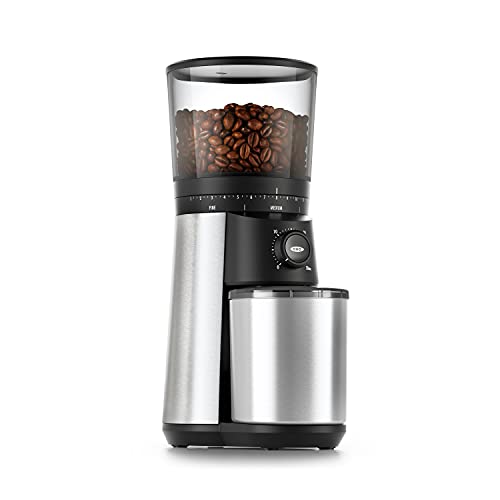
40mm stainless steel conical burrs: Precision grinding system produces uniform coffee grounds to ensure even extraction for rich, balanced flavor in every cup.
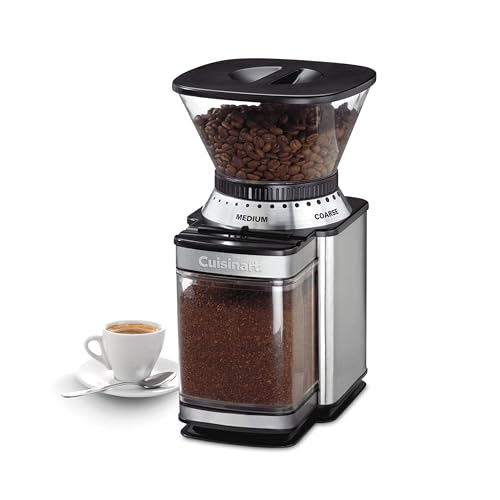
ENJOY OPTIMUM FLAVOR: The Cuisinart Coffee Grinder with 18-position slide-dial grind selector provides a uniform grind from ultra-fine to extra-coarse to ensure your fresh coffee beans are ground exactly the way you prefer.

Slim, powerful grinder with precise settings from fine to coarse, with 15 settings and 29 micro-adjustments
Dose, Distribute, and Tamp – Create a Uniform Coffee Bed
If you’re wondering why your shots sometimes taste thin or bitter, it’s because the coffee bed isn’t uniform. You need to dose accurately into the portafilter basket—about 18–20 g for a double shot—using a scale, not a scoop, to keep grind size consistency and headspace right.
Now, distribute the grounds evenly. Finger‑level using the North‑South‑East‑West method, tap the basket, or employ a WDT tool to break clumps and fill voids. This creates a homogeneous layer and prevents channeling.
All right, level the surface and tamp with steady, level pressure—around 30 lb, but consistency matters more. A flat puck guarantees the tamper contacts the whole basket, giving you repeatable extraction.
Takeaway: precise dose, even distribution, and a level tamp produce a uniform coffee bed, setting the stage for a perfect shot. Ready to lock in extraction time?
apply a calibrated tamper pressure to achieve consistent 30‑35 psi.
A consistent tamping pressure of 30–40 lb helps maintain optimal puck density and balanced extraction.
Brew the Perfect Shot – Lock‑in, Extraction Time, and Visual Cues
When you’re not sure why your espresso sometimes comes out too fast or too slow, the answer usually lies in how you lock‑in the portafilter and watch the extraction.
How do I lock‑in correctly?
Twist the portafilter firmly until it’s seated and stable; a tight lock‑in keeps pressure temperature steady and prevents leaks. Preheat the machine and portafilter so the group head stays hot, which supports consistent pressure profiling throughout the shot. A proper portafilter seal ensures no pressure loss during brewing.
What timing should I aim for?
Start the timer the moment you activate the pump. Most recipes target 25–35 seconds, with 30 seconds as a solid baseline. Weigh the yield while timing—aim for a 1:2 dose‑to‑yield ratio, like 18 g in and 36 g out.
What visual cues tell me I’m on track?
Watch the flow: a slow drip that becomes a steady, honey‑like stream signals proper extraction. Golden, velvety crema shows the balance you want.
Takeaway: Lock‑in tightly, start timing at pump activation, and trust the visual flow. Next, fine‑tune grind size based on the time and yield you record.
A consistent extraction temperature of 90–96 °C helps achieve the ideal flavor balance.
Troubleshoot Common Issues – Fast, Slow, Channeling, and Flavor Fixes
Fast shots and sour espresso can be frustrating, especially after you’ve nailed the lock‑in and timing. You’re probably wondering why the brew rushes past, leaving a thin, acidic cup. The usual suspects are a coarse grind, under‑dose, or uneven tamp; tighten the grind a notch, add a gram of coffee, and level the puck. Insufficient pressure can also cause a fast, sour shot, so verify the machine reaches at least 6 bars.
Why does the shot crawl and taste bitter? A grind that’s too fine, an overfilled basket, or a clogged group head can choke flow. Clean the dispersion screen, backflush the group, and consider a slightly coarser grind to restore balance.
What’s causing pressure channeling? Dry clumps or a tilted tamp create low‑resistance paths. Use a WDT tool, distribute grounds evenly, and tamp with a flat, firm pressure.
How can you achieve flavor balancing? Adjust grind size, brew time, and brew ratio based on roast level; finer for sour, coarser for bitter. Fresh beans and proper storage keep the profile clean.
Takeaway: diagnose fast, slow, or channeling issues by checking grind, dose, tamp, and cleanliness; then tweak one variable at a time. Next, explore how to steam milk for lattes and cappuccinos.
Water quality is crucial for consistent extraction and crema formation. Regular descaling prevents mineral buildup that can affect pressure and flavor.

【A Perfect Espresso Shot Companion】 Nessus espresso distributor includes 10 food-grade stainless steel needles with a 0.35mm diameter, which is the perfect size to break up coffee clumps. For added convenience, we provide an extra set of 10 needles in a storage tube. A good choice to add this espresso machine accessories to your coffee bar!

Thinner 9+9 Food-grade 304 Stainless Steel Needles---This TIVERAIN WDT Espresso Stirrer Tool includes 9 needles installed are made of food safe stainless steel and 0.35mm in diameter, the perfect size which help to distribute the coffee evenly in the filter when the barista is making the coffee to promote a more even extraction and make espresso.We will give you an additional 9 replacement needles, which are convenient for you to disassemble and replace.

Even Espresso Extraction - This coffee stirrer uses 5 fine 0.4mm needles which help to distribute the coffee evenly in the filter when the barista is making the coffee to promote a more even extraction and better espresso. Eliminates clumping and improves consistency.
Steam Milk for Lattes & Cappuccinos – Temperature, Texture, and Wand Technique
Even though you’re not sure exactly how hot to steam milk for a latte or cappuccino, you’ve hit the right spot.
What temperature should I aim for?
For dairy, stop at 60‑65 °C (140‑149 °F); plant‑based milks stay safer at 55‑60 °C (131‑140 °F). Above 70 °C (158 °F) burns proteins, flattens flavor, and ruins milk foam.
How do I get the right texture?
Start with cold milk, purge the wand, then place the tip just under the surface for the first 2‑5 seconds. That “stretch” creates glossy microfoam with tiny bubbles. After aerating, submerge the wand deeper to spin a whirlpool, smoothing the foam into a paint‑like consistency.
What wand positioning matters?
Keep the wand near the surface at first, then drop it to the bottom of the pitcher. This prevents loud screeching and over‑aeration, giving you a velvety milk foam ready for latte art.
Takeaway: Aim for 60‑65 °C dairy or 55‑60 °C non‑dairy, stretch early, then whirl. Your next step is to pour immediately and practice the 45° cup tilt for perfect art.
Proper temperature increases perceived sweetness.
Choosing the right milk type, such as whole milk for richer micro‑foam, can significantly improve the foam stability of your final drink.
A frother’s air‑infusion mechanism produces light, airy foam that differs from the micro‑foam created by steamers.
Using a proper wand angle helps create a consistent whirlpool and prevents large bubbles.

304 STAINLESS STEEL: Amrules 12oz creamer pitcher are crafted of 18/8 food grade stainless steel. The pitcher features external mirror finish and internal hairline finish. It is sturdy, durability, rust-resistant and resistant to deformation

【Food Grade Material】This milk frothing pitcher is made of high-quality 304 stainless steel, which is rust proof, stain proof, and heat resistant. It has a stylish appearance and is very easy to clean after use.

【Premium Food-Grade 304 Stainless Steel】Milk frother cup is made of premium food-grade 304 stainless steel, this non-toxic, odorless coffee pitcher ensures safe daily food contact. It delivers outstanding rustproof, stain-resistant and heat-resistant performance for durable use. Adopting seamless welding technology, the integrated body and handle feature solid structure.
Clean & Maintain Your Espresso Maker – Daily Routine and Periodic Deep‑Cleaning
If you’re wondering why your espresso sometimes tastes stale or the machine sputters, it’s because the daily grind of cleaning gets overlooked. Backflush the group head for 1–3 seconds after each service, then wipe the portafilter and basket. Empty, rinse, and dry the drip tray and knock box before you shut down. Purge the steam wand before and after steaming, wiping the tip immediately to stop milk from drying.
Here’s the thing: at closing, run a detergent backflush, soak the wand tip for 15‑20 minutes, and scrub the portafilter baskets with warm water and mild cleaner. Wipe the exterior with a microfiber cloth and flush again to clear any chemical residue.
Now, weekly you’ll soak baskets, shower screens and and the brew head in espresso cleaner for 20‑30 minutes, scrub, and rinse. Check the drain hose, inspect steam wand holes, and clean the water‑softening filter if your machine uses one.
Monthly, descale the boiler and internal lines, replace worn gaskets, and deep‑clean the brew head, including the dispersion plate. Replace the water‑softening cartridge on schedule and test pump pressure.
Takeaway: consistent daily purges plus weekly soak‑ins keep flavors bright; monthly descale and filter swaps protect the machine. Next, set a simple cleaning calendar so you never miss a step. Regular descaling prevents mineral buildup and keeps heating efficiency optimal. Proper water hardness assessment helps determine the optimal descaling frequency.
Descaling also removes scale deposits that can block water flow and reduce temperature stability.