
You’re probably pulling sour, weak shots or bitter, harsh ones because you’re skipping the fundamentals. Grind fresh beans immediately before brewing—aim for medium-fine, finer than table salt. Dose consistently (around 18g), distribute evenly, and tamp with 20–30 pounds of level pressure. Preheat your machine and cups. Pull for 25–30 seconds total. Check your crema: rich caramel-colored with fine elasticity means you’ve nailed extraction. If it’s sour, go finer; if bitter, go coarser. The real magic happens when you dial in these basics precisely.
Start With Fresh Beans and the Right Espresso Grind
Why do coffee shops grind beans right before brewing, and why should you care?
Fresh beans preserve aromatic compounds and flavors that stale ones lose. The moment you grind coffee, it starts deteriorating—sometimes within minutes. You’re racing against time, so grinding just before brewing matters tremendously.
What Makes Freshness Critical for Your Espresso
Recently roasted beans actually need a slightly tighter grind than older ones. As beans age, you’ll need to open up your grind settings gradually to maintain proper extraction. Your bean selection and bean origin directly influence how fresh beans behave. Ethiopian coffees, for instance, often need slightly coarser settings than other origins roasted identically. Different roasting levels alter bean properties and the resulting grind outcome, requiring adjustments to your espresso machine for optimal flavor. A consistent grinder with high torque can preserve particle uniformity and reduce heat buildup.
Fine Grind: Your Foundation
Espresso demands a fine grind—think slightly finer than table salt. The short brew time and high pressure require maximum surface area for quick flavor extraction. Start there, then adjust based on your brew time.
A consistent grind size helps prevent channeling and ensures even water flow through the puck. Understanding particle distribution is essential for achieving a balanced extraction.

PROFESSIONAL CONICAL BURR COFFEE GRINDER- WIth new upgraded 3.0 conical burr grinding technoloy, the coffee grinder ensures that every grain of ground coffee powder is the same shape and size. The fines percentage below 15% for optimal flavor extraction and coffee taste. Compared to ceramic conical burr on the market, our coffee bean grinders are equipped with stainless steel conical burr for long-lasting durability.
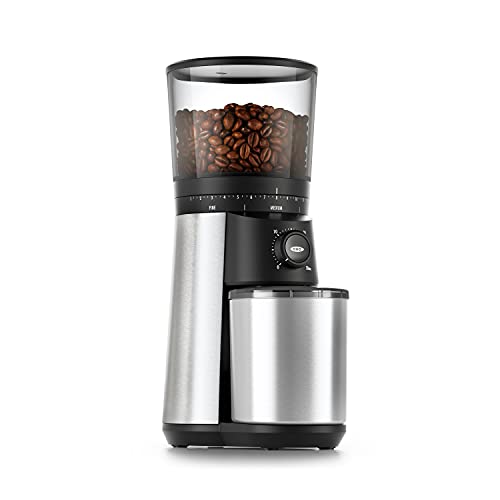
40mm stainless steel conical burrs: Precision grinding system produces uniform coffee grounds to ensure even extraction for rich, balanced flavor in every cup.
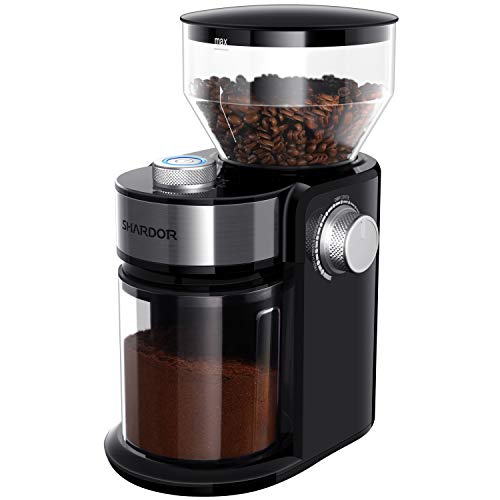
[ UNIFORM BURR GRINDING ] Premium metallic flat burr mill ensures consistent, uniform grounds without burning beans. Perfectly preserves rich coffee aroma for pour-over, drip, and cold brew.
Dose and Distribute Your Coffee Grounds Evenly
Once you’ve ground your beans to that perfect fine consistency, the real precision work begins—and this is where most home espresso makers stumble. You’ll dose the same amount every time into your portafilter—this prevents overfilled or underfilled pucks that throw off extraction.
Now comes clump breakup. Use a thin needle or distribution tool to gently stir the grounds in small circular motions, reaching near the basket bottom without scraping it. This spreads fines evenly and removes hidden clumps that’d create dense pockets.
Here’s the thing: you’re aiming for a flat coffee bed before tamping. Level the grounds using your preferred method—a finger swipe, straight-edge, or specialized distribution tools all work. A uniform puck lets water flow through everything at consistent speed, giving you sweeter, clearer shots.
The takeaway? Keep everything light, fast, and deliberate. Your next step is perfecting your tamp.
Consistent particle size distribution is key to avoiding channeling and achieving balanced extraction. Proper tamping pressure ensures the puck density is optimal for even water resistance. Applying calibrated pressure helps maintain consistent extraction across shots.
Tamp With Firm, Level Pressure
If you’ve nailed your distribution, tamping is where you lock everything in place—and honestly, this is the step that separates mediocre shots from really clean ones. You’re aiming for 20–30 pounds of pressure, roughly 10 kilograms, applied straight down with a level tamper.
Now, here’s what matters: consistency beats perfection. Keep your wrist alignment straight and your elbow directly above the portafilter. Press down in one controlled motion without tilting or side-loading pressure.
The goal isn’t crushing the puck into submission. Stop when grounds quit moving—that’s full compression. A flat surface means you’ve done it right. Gaps along the basket edge? You’ve tamped off-center. Visual inspection after tamping confirms an even coffee bed.
Practice builds muscle memory here. Your next decision: dial in your grind size for optimal flow. A bottomless portafilter lets you see channeling as it happens, helping you fine‑tune your technique. Using freshly roasted beans enhances flavor and ensures a richer crema. Monitoring water temperature maintains extraction is also crucial for consistency.
Preheat Your Machine and Equipment
Temperature stability is what separates consistent espresso from shot-to-shot chaos, and you’ve probably noticed your machine cools down between pulls. A cold machine pulls heat from your water mid-extraction, sabotaging flavor before you even start.

Replacement for SP0102952 - MacMaxe NTC base assembly kit designed as a compatible replacement for Breville Barista Touch BES880 machines using part number SP0102952.
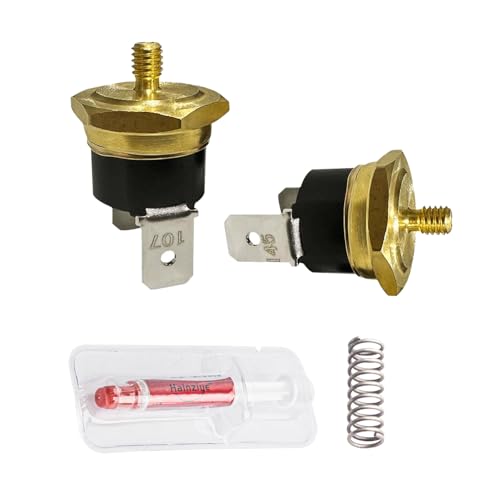
Perfect Replacement: OEM compliant, compatible with Gaggia Classic Pro, Baby, Evolution, Fix malfunctioning or old steam thermostats

💡 𝗨𝗻𝗹𝗼𝗰𝗸 𝗔𝗱𝘃𝗮𝗻𝗰𝗲𝗱 𝗣𝗜𝗗 𝗖𝗼𝗻𝘁𝗿𝗼𝗹: Elevate your espresso game by upgrading your GCP with advanced PID control. This enhancement unlocks the full potential of your machine, allowing for precise temperature management and consistent brewing results.
Why Portafilter Temperature Matters
Lock your portafilter into the group head during warm-up. A cold basket drains heat from your brew water and destabilizes extraction. Run a 3–5 second flush through it before dosing to bring everything up to temperature.
Don’t Forget Your Cups
Preheat cups with hot water for 15–30 seconds. Cold ceramic rapidly cools your shot, flattening aroma and destroying crema. Keep preheated cups on a warming tray between pulls.
Your entire routine—machine, portafilter, cups—works together. Warm everything first, then dial in your grind.
Regularly descale the machine using a citric‑acid mix to prevent mineral buildup that can affect temperature stability.
Regular descaling removes mineral deposits that otherwise degrade heating efficiency. Proper descaling maintains temperature consistency for each extraction.
Pull Your Espresso Shot and Time Extraction
You’ve got your machine warm, your portafilter locked in, and your cup ready—now comes the moment that separates guessing from dialing in. Hit the button and start your timer immediately—don’t wait for that first drip. Those initial 3–5 seconds of pre‑infusion count toward your total brew extraction timing, even though you’re not seeing espresso yet.
Aim for 25–30 seconds as your baseline target. Watch your crema consistency develop as the shot flows. A proper extraction builds rich, caramel‑colored crema that holds together, not thin foam or sputtering drops.
Stop the shot when you hit your yield—typically 36 grams out from 18 grams in. Use a scale alongside your timer for accuracy.
Now taste it. That flavor tells you everything about whether your timing nailed it or if your grind needs adjustment next. Consistent water temperature is essential for extracting the full range of flavors. The nitrogen infusion process used in nitro coffee creates a creamy texture that can inspire new espresso variations.
A well‑maintained brew group ensures stable pressure throughout the shot.
Evaluate Your Espresso’s Flavor and Crema
Now that you’ve pulled your shot, the real feedback starts—and it comes through what you see and taste, not just what the timer says.
What Your Crema’s Actually Telling You
Look for reddish-brown or hazelnut crema, not pale or dark. You want fine texture with crema elasticity—it should bounce back after you stir it. Thick, frothy bubbles signal weaker extraction. The high‑pressure pump in a Nespresso machine creates 19‑bar pressure that helps form a rich crema layer. The boiler temperature must stay within a narrow range to ensure consistent crema quality.
Tasting for Flavor Harmony
Sip slowly and notice if sweetness, acidity, and bitterness work together. Sharp sourness means you under-extracted; harsh bitterness means you over-extracted. Your shot should taste smooth and pleasant, maybe with chocolate or caramel notes lingering. A longer brew time pulls out more of these subtle flavors and helps achieve that balanced sweetness. A single espresso shot typically contains 63–75 mg caffeine which can influence how you perceive bitterness.
The Body Test
Creamy, syrupy mouthfeel beats watery every time. This heaviness tells you extraction went right.
Does your shot taste balanced, or does one flaw dominate?
Dial In Your Grind Size for Better Results
Why does your espresso sometimes gush out in ten seconds or dribble like it’s stuck? Your grind size controls everything about extraction consistency.
Start with a medium-fine grind—finer than table salt but coarser than powdered sugar. Run your first shot and time it. You’re targeting 25–35 seconds total.
Now here’s the grind calibration process: if your shot runs too fast, go finer. If it chokes or runs slow, go coarser. Change only one or two increments at a time.
Keep your dose and yield steady while you adjust. This isolates grind effects so you actually see what’s happening.
Once you hit that sweet spot—balanced sweetness, no bitterness—write down your grind setting and extraction time. You’ve just found your baseline.
Grind size dramatically influences the surface area exposed to water, which determines extraction rate. The particle size of your coffee directly impacts how quickly flavors are extracted.

【Thinner 14 Needles】 Needles evenly distributed design. 7 food-grade stainless steel needles, 0.35mm diameter, the perfect size for breaking up coffee clumps, plus 7 replacement needles. Thoughtful needles storage tube. Say goodbye to the bent needles

【A Perfect Espresso Shot Companion】 Nessus espresso distributor includes 10 food-grade stainless steel needles with a 0.35mm diameter, which is the perfect size to break up coffee clumps. For added convenience, we provide an extra set of 10 needles in a storage tube. A good choice to add this espresso machine accessories to your coffee bar!

Even Espresso Extraction - This coffee stirrer uses 5 fine 0.4mm needles which help to distribute the coffee evenly in the filter when the barista is making the coffee to promote a more even extraction and better espresso. Eliminates clumping and improves consistency.
Troubleshoot Common Espresso Problems
Even after you dial in your grind, your shots still taste sour, bitter, or weak—so what’s going wrong?
Most issues trace back to three culprits: extraction problems, water pressure instability, or temperature control failures. You’ve got to isolate which one you’re facing by adjusting one variable at a time.
Is Your Shot Sour or Weak?
Under-extraction’s your villain here. You’re not pulling enough flavor from the grounds because your brew time‘s too short, your dose is too low, or your water pressure sits below 9 bars. Increase your contact time or check your machine’s pressure stability. If your espresso lacks crema entirely, old beans losing CO₂ are likely the culprit, so switch to fresh beans within 1-3 weeks post-roast.
Getting Bitter Shots?
You’re over-extracting. Your temperature control might be too hot, or water’s spending too long in the puck. Dial back slightly and monitor consistency between shots.

A MUST HAVE PRESSURE GAUGE: Special design for coffee machine with E-61 grouphead, help you monitor the extraction of the coffee easily.

✔ Precision Calibration – Delivers accurate pressure readings to optimize espresso extraction.

Achieve precise espresso extraction with our 16Bar espresso machine pressure gauge, designed to accurately measure and display pressure for coffee every time.