
You’re seeing that orange flash because the flow sensor can’t finish a water cycle—mineral scale is blocking the PTFE lines. Mix one part EcoDecalk with ten parts water (100 ml concentrate into 1 L water), pour it into the tank, run the built‑in descaling program, then rinse twice with fresh water to clear any residue. After reassembling, do a quick brew‑head test and you’ll be back to full‑flavored espresso; the next step is to keep the machine on a regular descaling schedule.
De’Longhi Descaling Warning: How to Spot It
What makes a De’Longhi espresso machine flash that orange light? You’re probably wondering why the warningale indicator keeps blinking even after a rinse. The orange descale indicator signals that limescale has built up in the internal water paths, and the sensor fault flag may be set if the flow sensor can’t confirm a complete cycle.
Now, the light flashes when the machine detects a sensor fault or when it thinks the descaling process didn’t finish. If you skip a rinse or the water tank isn’t full, the sensor fault stays active and the descale indicator won’t reset.
All right, check the tank level, run a full rinse, and make sure the drip tray is empty. If the orange light persists, you likely have a deeper sensor fault that needs professional attention.
Takeaway: a flashing orange light equals a descale indicator plus a possible sensor fault—clean, rinse, and verify the tank. If it stays lit, call support. Empty water tank is essential before starting the descaling cycle. Regularly cleaning the group head helps prevent scale buildup and extends the machine’s lifespan. Proper grind size can also affect water flow and sensor readings. Maintaining optimal pressure ensures consistent extraction and reduces the risk of mineral buildup.
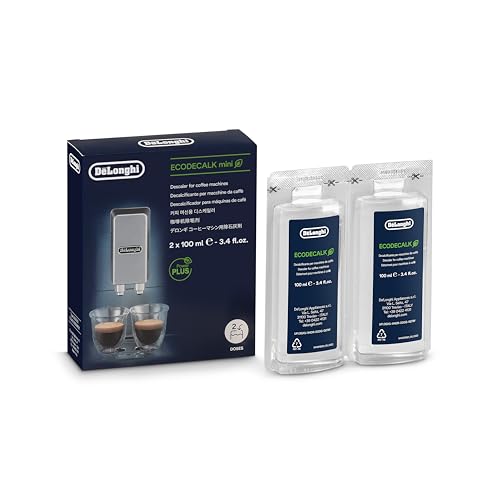
Eco-friendly universal descaling solution that's gentle on your coffee maker

This descaler ensures perfect Coffee every time and increases the life of the machine.

All-natural: Our descaling solution is made with 100% lactic acid, a natural ingredient that ensures safety for both you and your machine.
De’Longhi EcoDecalk Mixing Ratio (1 Part Decalk : 10 Parts Water)
You’re probably wondering exactly how much water to add when the EcoDecalk bottle says “1 part descaler : 10 parts water.” The label means you take 100 ml of EcoDecalk and mix it with 1 000 ml of fresh water, but De’Longhi’s manual tells you to pour the 100 ml dose straight into the tank and then fill the tank with cold water up to the max line. This keeps the eco‑alk safety intact and guarantees dosage‑precision for each cycle.
All right, think of it like making a diluted juice: you use a single splash of concentrate and then add ten times that volume of water. The result is a gentle, effective solution that won’t corrode seals.
Obviously, you don’t need a full liter if your tank is smaller; just follow the 100 ml dose and top up with enough water to reach the tank’s capacity. The takeaway: use 100 ml EcoDecalk, add water to the tank’s fill line, and you’ll stay safe and precise. Next, you’ll want to prep the machine before starting the descaling cycle. A properly calibrated grinder can enhance espresso consistency and prevent channeling. regular descaling helps maintain optimal brewing pressure. Consistent descaling also protects the heating element from mineral buildup.

FROM DE'LONGHI. The world-leader in espresso machines.

[FROM DE'LONGHI. The No.1 world-leader in espresso machines. , Significantly reduces the likelihood of premature breakdown from hard water scale build-up, increases the energy efficiency, and improves the coffee flavor , Made with 100% lactic acid , Suitable for all espresso/coffee machines. , Will keep your machine running smoothly so you can always enjoy your favorite beverages, Also available in a smaller pack - 2 x 100ml

COMPATIBLE WITH DELONGHI COFFEE MACHINES: Our descaling solution is compatible with DeLonghi coffee and espresso machines — including drip coffee makers, bean-to-cup machines, fully automatic and semi-automatic machines, super-automatic espresso machines, single-serve and multi-cup brewers, pod/capsule machines, cappuccino makers, and commercial machines. A direct replacement for DLSC500 descaling solution
Prepare Your De’Longhi Before Running the Descaling Cycle
If you’re wondering why you must shut off and unplug your De’Longhi before descaling, it’s simply to keep you safe and the machine intact. You’ll avoid burns from hot internal parts and prevent electrical mishaps. Unplug, then wait for indicator lights to go dark and pressure to release.
Now, empty the water tank and remove the drip tray, grounds container, and any cup platform. Rinse them under warm water; this step boosts cleaning efficiency and stops old coffee from mixing with the descaler.
Here’s the thing: take out any water‑softener or anti‑chlorine filter. Leaving the filter out protects filter safety and lets the solution flow freely. Check the compartment for debris before you reinstall later.
All right, place a 2‑liter container under the spouts and steam wand, keep your work area clear, and verify the tank sits snugly with the descaling mix.
Takeaway: a powered‑down, filter‑free, and well‑prepped machine ensures safe, efficient descaling. Ready for the next step? The machine prompts descaling every ~200 espresso cups indicator appears on display. Proper ventilation is recommended to avoid inhaling any fumes.
Nespresso’s compact design also benefits from regular maintenance. Regularly cleaning the brew group helps maintain optimal pressure and flavor consistency.

Powerful Descaling Solution: The liquid coffee machine descaler and cleaner compatible with any DeLonghi machine is formulated to deeply penetrate oil and limescale to keep your machine running smoothly and produce the delicious coffee you love.

Includes: 2 portioned pouches of descaling solution specially designed for your Nespresso machine

2-Pack Coffee Descaler and Cleaner - Clean and rinse away residue and oil buildup in your coffee maker with Impresa's Coffee Descaler Solution. Our highly effective solution comes with two 8-ounce bottles - enough for 4 descaling sessions (2 uses per bottle)
De’Longhi Built‑In Descaling Program: Step‑by‑Step Execution
When you wonder how to kick off De’Longhi’s built‑in descaling, you’re actually asking the right thing.
How do I activate the program?
First, open the menu on a display model and select Settings → Maintenance, or hold the bin icon on a non‑display unit for a few seconds. Some machines need you to power off, then press the combo to release maintenance mode. Lights flash when the machine is ready—make sure a container sits under all spouts and remove the portafilter if prompted.
What happens next?
Press OK or the start button. The system pumps descaling solution through coffee and steam circuits, pausing briefly to let it work. Total descaling timing hovers around 30 minutes, though harder water can extend a few minutes. Follow any on‑screen prompts, turning knobs when asked.
How do I know it’s finished?
A steady light or final message tells you the cycle is complete. At this point the machine will move to the rinse stage automatically.
Takeaway: Activate via menu or button hold, confirm readiness, start, and watch for the completion cue; timing varies with water hardness. Next, prepare for the rinse phase.
The high‑pressure pump used in Nespresso machines can reach up to 19 bar pressure to extract coffee quickly.
Regular descaling helps maintain coffee flavor and prolongs machine life, as mineral buildup can clog the pump and affect temperature stability.
Adding a rinse cycle after descaling clears any residual solution and prevents off‑flavors in your next brew.
For optimal results, use a descaling solution recommended by the manufacturer rather than household vinegar, which may be too acidic for some components.
water hardness is a key factor in determining how often you should descale; harder water requires more frequent maintenance.

8 Uses Value-Size Bottle: Same as 4 x 8oz bottle kit of other products! Less Waste, Better Value!

Genuine DeLonghi EcoDecalk Formula – Designed specifically for DeLonghi coffee and espresso machines.

Powerful Descaling Solution: This multipurpose coffee descaler and cleaner deeply penetrates mineral, limescale, and oil deposits, making it suitable for various home appliances, including coffee makers, espresso machines, and single-serve brewers.
De’Longhi Rinsing After Descaling: Flush, Refill, and Repeat
You’ve just finished the descaling cycle and wonder why the machine still shows a warning.
Why does the warning stay on?
Because residual solution lingers in the brew and steam paths. The first rinse flushes most of it, but a second or third rinse often clears the rest. Empty the tank, rinse it, then refill to the MAX line. Place a large container under the spouts, start the rinse, and let the water run through both brew and steam valves.
How many rinses do you need?
Usually two full cycles. After the first, discard the water, refill the tank, and repeat until the machine signals completion. This pattern clears the tank scale and lets the sensor calibration reset.
What if the light still glows?
Run an extra water‑only flush, check the valve cleaning, and verify water hardness testing results. If the warning persists, a sensor or clog may need service.
Takeaway: Flush, refill, repeat—until the machine confirms a clean rinse and the warning disappears. Next, check your water hardness before the next descaling.
Regular descaling prevents mineral buildup in PTFE lines, extending the machine’s lifespan.
Hard water can accelerate scaling, so consider using filtered water to reduce future descaling frequency.
Descaling should be performed every 3‑6 months to maintain optimal performance.
A proper descaling solution works by dissolving mineral deposits that accumulate from hard water.

UNIVERSAL COMPATIBILITY: Compatible with Keurig, Nespresso, Breville, Delonghi, and other leading coffee maker and espresso machine brands.

REMOVE ALL MINERAL BUILD-UP - The descaling process removes any mineral build-up and limescale, keeping your machine running smoothly and producing perfect coffee each time. Preventative maintenance is key to keeping your DeLonghi working like new.
De’Longhi Reassembly & Final Checks After Descaling
After the descaling cycle, you’re probably wondering why the machine still feels “off” before you power it back on. That’s normal; you just need to finish the assembly and verify the indicator reset.
How do I reassemble without missing a step?
First, make sure everything’s cool and dry. Plug the machine out, wipe the reservoir, drip tray, and grounds container, then lock the reservoir into place—no wobble. Slide the tray in flush, align the grounds container, and reattach the milk carafe if you have a LatteCrema model. Reinstall the portafilter on manual machines. Check that all panels and covers sit snugly. Regular rinsing helps prevent residual descaling solution from affecting flavor. Maintaining a clean water line reduces the risk of mineral buildup in the brew circuit.
What should I verify before the first brew?
Run a quick brew‑head test, fire the steam wand briefly, and listen for odd noises. Look for leaks around the reservoir and tray. Finally, confirm the descale indicator cleared—this is your indicator reset. If the lights are normal and the descale program is gone, you’re ready to enjoy espresso again.
Scale buildup can cause severe restrictions in the PTFE line, so ensure the line is clear before reassembly.
A proper descaling schedule also helps maintain optimal extraction and prolongs machine lifespan.