
Grinding your own coffee usually saves you money per cup. Whole beans cost $10‑$18 / lb, which translates to about $0.31‑$0.35 per cup, while pre‑ground is $6‑$12 / lb or $0.18‑$0.20 per cup, but the beans stay fresh 3‑6 weeks, so you waste less. A modest burr grinder ($50‑$80) pays for itself in 6‑8 weeks for daily brewers, especially when you buy bulk or use subscriptions. Keep reading to see how flavor, convenience, and sustainability factor in.
Ground Coffee vs Whole Beans: Quick Decision Guide
Wondering which coffee to buy? If you prize flavor, pick whole beans; they stay aromatic for weeks, and you control grind size for each brew method. Fresh grinding preserves oils, giving a richer cup, and lets you adjust extraction to suit espresso, drip, or French press. When speed matters, pre‑ground coffee wins—no grinder needed, and it fits travel or office routines. Look for eco packaging if sustainability concerns you; many brands now offer recyclable bags for both formats. Ground coffee often costs less upfront, but whole beans can save money long‑term by reducing waste and delivering stronger taste per ounce. Choose based on whether freshness and brew precision outweigh convenience. A proper brew ratio, such as 1:4 coffee‑to‑water for cold brew concentrate, ensures consistent strength and flavor. Nespresso machines also illustrate the trade‑off between convenience and ongoing capsule costs.

32 oz Bag of Gaviña Old Havana Espresso Whole Bean Coffee — freshly packed to preserve peak flavor and aroma. Grind fresh for a truly rich espresso experience.

Premium Quality: 100% Pure coffee beans whole, dark roasted for a rich, bold flavor. Our Cuban-style espresso delivers an intensely aromatic cup, perfect for those who enjoy a strong and full-bodied coffee experience.
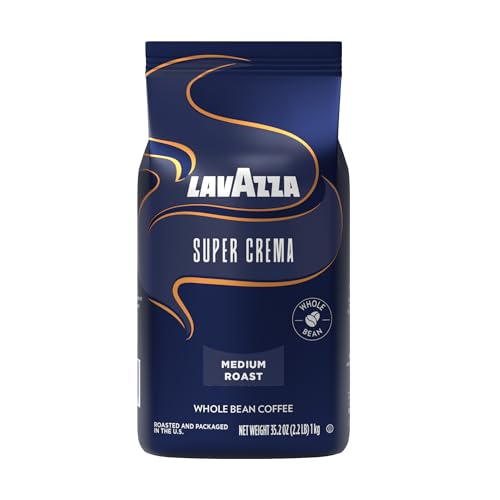
SUPER CREMA: A 2.2 lb whole bean coffee bag ideal for espresso preparation
Ground Coffee vs Whole Beans: Per‑Cup Cost Comparison (Regular & Bulk)
If you’ve decided that freshness matters, the next step is to see how that choice impacts your wallet. Ground coffee typically sits at $6–$12 per pound, translating to $0.18–$0.20 per cup, while whole beans range $10–$18 per pound, or $0.31–$0.35 per cup. The gap narrows when you buy in bulk: large bags lower the per‑pound price for both, but whole beans often become the better value for frequent brewers despite a higher upfront cost. Eco packaging can further reduce waste‑related expenses, and subscription discounts may shave a few cents off each pound. For low‑volume drinkers, pre‑ground remains cheaper up front; for regular users, bulk whole beans usually deliver the lowest cost per cup while preserving flavor. Adjusting the number of scoops per cup can fine‑tune strength, as described in the coffee scoop guide. A standard coffee scoop holds roughly 1.5 tablespoons of ground coffee, offering a quick reference for consistent measuring. Understanding the typical 7‑8 gram capacity of a standard scoop helps maintain brew consistency.
Ground Coffee vs Whole Beans: Grinder Cost and Payback Timeline
Grinding your own beans adds a cost layer to the coffee equation, but the upfront price of a grinder can be recouped quickly if you brew often enough. A basic blade grinder starts near $20, but its inconsistent grind can hurt flavor consistency. Mid‑range burr grinders at $50–$80 typically break even in 6–8 weeks for daily brewers, delivering uniform particles that improve extraction and reduce waste. Premium $100 models may pay for themselves within weeks for café‑switchers, thanks to superior grinder durability and consistent grind size. Payback hinges on cup count, bean price differential, and how much you value flavor consistency. Maintenance, occasional burr replacement, and electricity are minor compared with the initial investment. Frequent daily brewing accelerates return, while occasional use may not justify the expense. Regularly descaling the machine prevents mineral buildup that can affect grinder performance. Consistent grind size is crucial for optimal flavor extraction across brewing methods. Using a high‑quality burr grinder ensures particle uniformity that directly impacts shot balance.
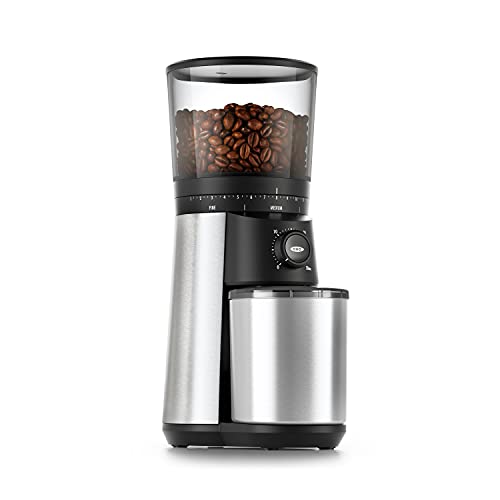
40mm stainless steel conical burrs: Precision grinding system produces uniform coffee grounds to ensure even extraction for rich, balanced flavor in every cup.

Slim, powerful grinder with precise settings from fine to coarse, with 15 settings and 29 micro-adjustments
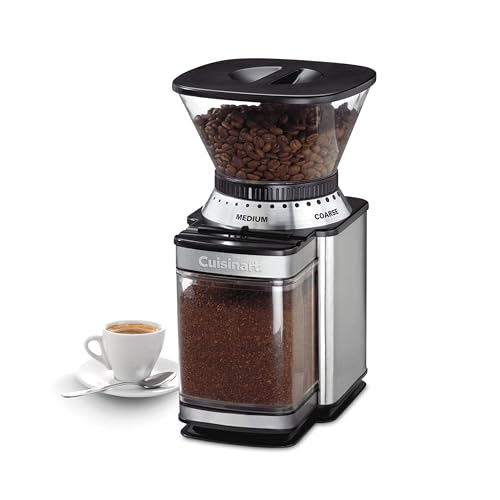
ENJOY OPTIMUM FLAVOR: The Cuisinart Coffee Grinder with 18-position slide-dial grind selector provides a uniform grind from ultra-fine to extra-coarse to ensure your fresh coffee beans are ground exactly the way you prefer.
Ground Coffee vs Whole Beans: Bulk‑Buy and Subscription Savings
When you compare bulk‑buy options to single‑serve purchases, the per‑ounce price drops dramatically—often 23 % to 32 %—as bag size grows from 12 oz to 5 lb, turning a $1.98/oz blend into roughly $1.35/oz. Bulk bags spread packaging and labor costs, so a 5‑lb sack saves you up to a third versus a 12‑oz bag. Pre‑ground coffee typically carries a lower sticker price than whole beans, but the per‑cup gap narrows when you factor in grinder wear and freshness loss. Subscriptions can lock in similar bulk discounts while delivering smaller, fresher batches, reducing waste. To protect Shelf life, use airtight containers and consider freezer Storage‑tips, especially for larger purchases, ensuring your savings don’t turn into stale inventory. Regularly desc the machine’s brew group to maintain optimal pressure and flavor extraction. Grinding beans just before brewing preserves aroma and minimizes oxidation, enhancing the final cup.

UNIQUELY HANDCRAFTED COFFEE: One, four pound bag of Cameron’s Organic Scandinavian Blend. We craft Cameron's Coffee to be the smoothest, most flavorful coffee possible. Our coffee is sustainable, hand-crafted, and small-batch roasted.

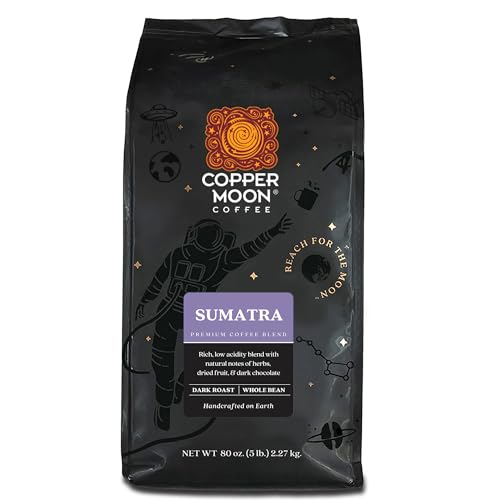
CAFÉ QUALITY COFFEE BREWED BY YOU: Sumatra coffee is enjoyed by those who prefer a more bold and intense coffee experience. The rich aroma and earthy flavors offer a robust coffee taste and deliver flavor notes that include dark cherry, dark cacao and offers a smoky finish.
Ground Coffee vs Whole Beans: Freshness and Flavor Impact
Because whole beans keep their protective skin intact, they stay fresh far longer than pre‑ground coffee, which instantly exposes a massive surface area to oxygen. You’ll notice a longer shelf life—three to six weeks of peak flavor versus just days to a couple of weeks for ground beans. Grinding releases aromatic compounds, so aroma loss accelerates; the scent flattens quickly, and the bloom during brewing weakens. Whole beans preserve oils and volatile acids, delivering brighter, more nuanced flavor and richer complexity. Pre‑ground coffee, exposed to oxidation, light, heat, and moisture, becomes muted and one‑dimensional. For the best taste, grind just before brewing; the freshness gap can’t be closed by storage alone. The particle size of the grind directly influences extraction rate and flavor balance, making grind texture critical for optimal brewing. Selecting the appropriate grind for each brewing method ensures proper extraction time and consistent results.
Ground Coffee vs Whole Beans: Convenience Considerations (Time, Travel, Equipment)
If you prioritize speed and simplicity, pre‑ground coffee wins: you skip the grinding step, measure, brew, and clean up in minutes, while whole beans add a necessary grind‑size decision and the extra equipment. Pre‑ground coffee slashes morning prep, so you go from storage to cup with just a scoop and a filter. For travel convenience, it’s the only option that fits a suitcase or a hotel minibar without a grinder, letting you brew in offices, campsites, or airports. Whole‑bean lovers must pack a grinder, increasing bulk and counter space, and they face extra cleaning. This equipment minimalism makes ground coffee the pragmatic choice when you value time, portability, and low‑maintenance brewing. However, using a paper towel as a makes filter can introduce chemical residues and affect flavor. The cold brew method also works well with pre‑ground coffee, allowing you to steep the mixture for 12–24 hours for a smooth, ready‑to‑drink concentrate. A proper water temperature of around 195‑205 °F ensures optimal extraction without bitterness.