
You’re right—gritty foam usually means milk film and mineral buildup on the wand, seals, and heating element. After each use, run warm water for 5‑20 seconds, shake off excess, then wipe the wand and tank with a damp microfiber cloth; pat everything dry to stop film from hardening. Once a week, disassemble the whisk, mesh, and lid, soak them in warm soapy water (add a splash of vinegar for stubborn crust), brush gently, rinse thoroughly, and air‑dry for at least ten minutes before reassembling. This quick routine keeps your frother spotless and your foam silky, and the next section will show you how to descale the heating element for even better results.
Frother Cleaning Quick‑Start: Rinse & Wipe After Use
Because milk dries fast, and a quick rinse prevents that sticky film from hardening into stubborn buildup, you wonder why the habit matters. You’re right to ask — the answer is simple: a Quick‑dry routine stops residue before it cements, keeping foam quality high and your frother lasting longer.
How long should the rinse last?
Hold the wand under warm running water for 5‑20 seconds, shaking off excess. The water’s heat loosens fresh milk, and the brief flow washes away film before it dries.
What’s the best wipe‑down?
Grab a damp microfiber cloth and give the exterior a Spot‑check. Wipe the handle, housing, and any exposed metal, then pat the head dry.
Takeaway:
Rinse, shake, wipe, and Quick‑dry every use. This habit eliminates buildup and saves you deep cleaning later. Ready for the next step? Try a warm‑soapy flush for an extra clean boost. Using unbleached paper towels can reduce chemical residue when improvising a coffee filter.
foam density affects the mouthfeel of espresso‑based drinks, making the frother’s cleaning routine crucial for consistent texture.
A proper frother also relies on air injection to create the velvety foam that enhances beverage texture.
Frother Cleaning: Disassemble & Hand‑Wash Removable Parts
If you’re wondering why you should take the frother apart before washing, it’s simple: disassembly lets you reach every nook where milk hides, preventing stubborn buildup later.
How do I pull the parts apart safely?
Unplug the unit and let it cool completely. Then remove the plunger, whisk, lid, and pitcher. For a mesh‑detachment, separate the fine mesh layers from the manual rod; you’ll see trapped milk between the strands. If your model has a silicone ring, gently lift it off the lid or gaskets. Keep tiny springs and seals in a bowl so they don’t roll away.
What’s the best way to hand‑wash each piece?
Fill a basin with warm, soapy water. Use a soft sponge or bottle brush on the mesh, whisk coil, and silicone ring. Rinse thoroughly, then dry with a lint‑free cloth.
Takeaway: Proper disassembly and hand‑washing remove hidden residue before it hardens. Next, you’ll learn how to tackle stubborn milk buildup. Using cold milk helps achieve a smoother micro‑foam texture. Selecting the right milk type optimizes foam stability and enhances overall coffee flavor. Choosing a barista‑style** almond milk can significantly improve foam quality.
Frother Cleaning: Deep‑Clean Stubborn Milk Buildup
You’re probably wondering why the milk still clings after a quick rinse, and that’s a common snag.
How do I break down the protein film?
First, fill the frother with warm water and let it sit 10‑20 minutes; this loosens the burnt layer. If the film stays, extend the soak to 30 minutes. Then, pour a vinegar soak—equal parts white vinegar and warm water—into the jug and let it work 15‑30 minutes. The mild acid dissolves the protein film without harming the finish.
What’s the best scrubbing method?
After soaking, grab a soft sponge or an old toothbrush. Scrub in gentle circles, focusing on the whisk and crevices. Avoid metal pads; they scratch the surface and trap more residue.
What’s the final step?
Rinse thoroughly with warm water until no vinegar smell remains, then air‑dry completely.
Takeaway: Soak, vinegar‑soak, gentle scrub, then rinse and dry. Ready for the next clean‑up stage?
A quick French press frothing technique can also help remove stubborn residues by agitating the milk with a low‑speed spin.
regular descaling can prevent mineral buildup that contributes to stubborn milk residue.
Using the proper steam wand positioning ensures a smooth whirlpool that reduces foam clinging.

Unique Design: Unlike traditional kitchen scrub brushes, this cleaning brush features a 90 angle and stiff bristles for easy reach into narrow spaces, effectively helps you to clean areas that are difficult to clean or stubborn stains
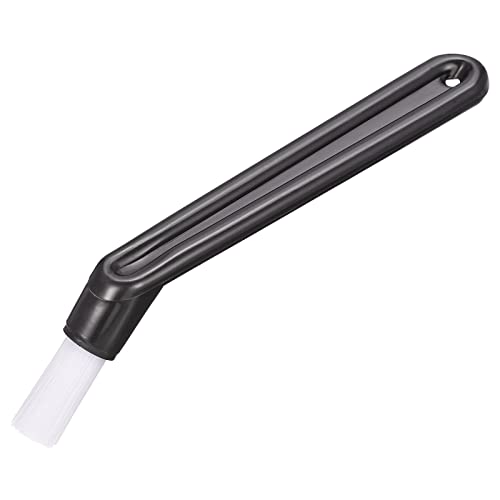
This brush is a good cleaning tool to clean coffee remains, coffee grinder blades, group head, coffee handle filter, suitable for coffee grinders, espresso machines, milk frothers, bean machines, etc.

Deep Cleaning for Espresso Machine Milk Systems Effectively removes dried milk residue from metal frothing arms and silicone milk tubes. Compatible with JURA milk tubes, Breville steam wands, and De’Longhi frothers, offering universal maintenance support for espresso and coffee machines.
Frother Cleaning: Descale the Heating Element
You’re probably wondering why your frother still feels sluggish after cleaning the protein film. The culprit is often mineral scale on the heating element, especially if you live in a hard‑water area. Scale frequency depends on how often you use the frother and how hard your water is; daily use in hard water may need descaling every two weeks.
Here’s the thing: use a mild vinegar‑water mix (one part white vinegar to two parts warm water) or a food‑safe citric‑acid solution. Fill the jug to the max line, run a heating cycle if the manual permits, then let the solution sit for five to ten minutes. Pour out, rinse three times, and finish with a plain‑water cycle.
All right, remember that Vinegar safety matters—don’t use boiling vinegar and avoid overly concentrated mixes, because they can damage non‑stick coatings and seals. Your takeaway: regular, gentle descaling keeps the element efficient and prolongs lifespan. Next, you’ll want to dry, reassemble, and store your frother properly.
Regular descaling also prevents mineral buildup that can impair foam quality and reduce overall machine performance. Maintaining a clean heating element helps preserve the frother’s temperature consistency, which is essential for achieving optimal foam texture. The Moka pot’s pressure‑driven brewing also relies on a proper seal, similar to how a well‑maintained frother depends on a tight gasket for optimal performance.

Includes: 2 portioned pouches of descaling solution specially designed for your Nespresso machine

2-Pack Coffee Descaler and Cleaner - Clean and rinse away residue and oil buildup in your coffee maker with Impresa's Coffee Descaler Solution. Our highly effective solution comes with two 8-ounce bottles - enough for 4 descaling sessions (2 uses per bottle)
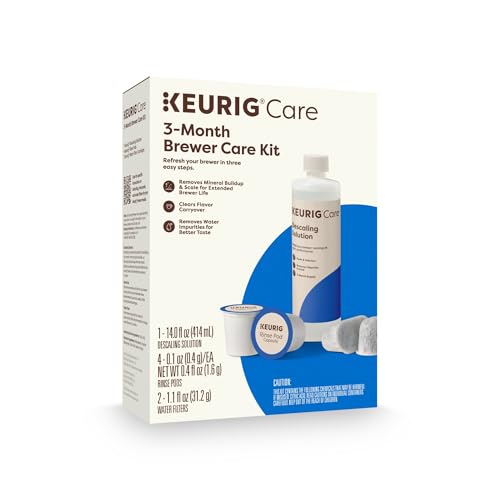
INCLUDES: 4 Keurig Rinse Pods, 1 Descale Solution, and 2 Water Filter Cartridge Refills
Frother Cleaning: Dry, Reassemble & Store for Longevity
When you finish cleaning, the biggest mistake people make is skipping the drying step, which lets moisture linger and invites mold or odors. Now, grab a soft, dry cloth and wipe every tank, lid, and whisk until no damp spots remain. Air‑dry the plunger, shaft, and mesh for at least ten minutes; any remaining wetness can ruin seals and cause funky smells later.
All‑in‑dry parts reassemble. Check silicone rings and gaskets for residue, then snap the whisk back on. Keep the handle and base dry—wipe them with a damp cloth, not submerge. This careful reassembly supports storage‑proofing and adds lifespan‑extension.
Store the frother in a clean, dry spot away from heat. A dedicated shelf keeps accessories organized and protected. Takeaway: dry thoroughly, reassemble only when everything’s bone‑dry, and store smartly for lasting performance. Next, consider how to troubleshoot foam issues if they arise. Also, using a French press can give you a quick, frothy milk boost without a dedicated frother. Proper water temperature during brewing can also affect the smoothness of the foam.
Frother Cleaning: Troubleshoot Foam Problems After Cleaning
If foam looks flat after you’ve cleaned the frother, the culprit is usually hidden residue or scale. Check the foamam sensor; mineral deposits can dull its reading, causing the machine to think the milk is cooler than it is. A quick soak in warm vinegar removes the film that blocks the sensor.
Now, look at the pressure gauge. Scale on the heating element reduces steam pressure, so the gauge shows lower numbers. Run a descaling cycle with citric acid, then rinse thoroughly. If the gauge still reads low, the heating element may be damaged and needs replacement.
All right, inspect the whisk and nozzle for wear. A worn whisk spins slower, and a clogged nozzle restricts airflow, both yielding thin foam. Replace any bent or loose parts, then test with fresh, cold whole milk at the recommended fill level.
Takeaway: hidden residue, sensor fouling, pressure loss, and worn mechanics all sabotage foam. Clean, descale, and replace worn parts, then you’ll get micro‑foam again. Ready to set a regular maintenance routine? A thorough rinse of the water reservoir after each use prevents scale buildup and keeps the machine performing optimally. Regular descaling also protects optimal pressure and extends the frother’s lifespan.
Regular descaling removes mineral deposits that can interfere with the frother’s heating element.
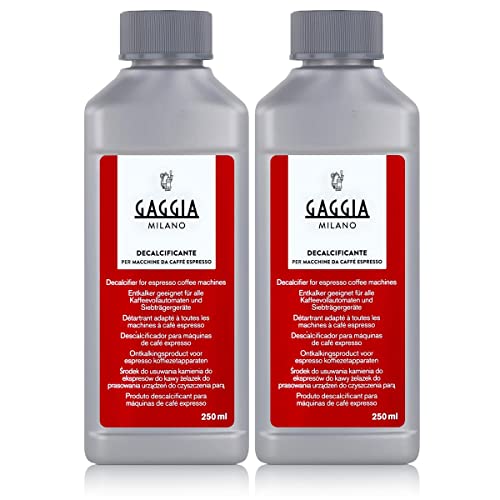
The Gaggia decalcifier cleans all the water circuits in your espresso machine.

Specific product for cleaning the milk-carafe circuit of full automatic Coffee machines

Mini-tabs - Perfect hygiene in one simple step
Frother Cleaning: Follow a Weekly Maintenance Schedule
Why should you stick to a weekly deep‑clean? You notice a faint frother odor creeping in after a few weeks, and that signals hidden buildup. A regular cleaning schedule stops the smell before it ruins your latte art.
What does a weekly routine actually look like?
Now, after each use you quick‑rinse, wipe, and let everything air‑dry. Once per week you disassemble the whisk, mesh, and shaft, soak them in warm soapy water, then brush the coils and seals with a soft toothbrush. For stubborn milk crust, add a splash of vinegar to the soak. Rinse thoroughly and dry completely before reassembly.
Why is this important?
Obviously, the deeper the residue, the faster odors develop. By scrubbing hidden areas every 5–7 days if you froth daily, you keep the frother fresh and extend its life.
Takeaway: Follow this simple weekly cleaning schedule and you’ll banish frother odor for good. Ready to try the soak‑and‑brush method tonight? The Moka pot uses steam pressure to extract coffee, a principle that also influences frother performance. The single‑serve convenience of Nespresso machines mirrors the quick‑clean advantage of regular frother maintenance.