
You’re probably seeing weak, bitter coffee and odd noises, which means limescale is choking your machine. Descaling is simply running an acidic solution—like equal parts vinegar and water or a commercial descaler—through the brew cycle to dissolve calcium‑magnesium deposits, restoring proper temperature, pressure, and flavor. Do it every two‑to‑three months for hard water, or when brew time doubles, pressure drops, or you notice crusty buildup; a quick rinse afterward clears any residue. Next, you’ll learn exactly how to run the cycle step‑by‑step.
What Descaling Is and Why It Matters for Coffee Machines
You’re probably wondering why your coffee machine sometimes brews slower or tastes off—obviously it’s not just the beans. You’re confused about what descaling actually does and why it matters for coffee machine health and flavor consistency.
Here’s the thing: descaling is a mineral‑removal process, not a surface cleaning. You run an acidic solution through the water tank, tubes, heating element, brew path, and spout. It dissolves calcium and magnesium scale that can choke water flow and mess with heating.
All right, those deposits change contact time and temperature, so each cup can taste different. Regular descaling restores the intended temperature and flow, keeping extraction steady and flavor consistent.
Takeaway: descaling protects your machine’s internals and preserves the coffee’s taste profile. Next, you’ll want to know how often to do it. Proper maintenance also includes monthly descaling to prevent mineral buildup that can damage the group head. Understanding the impact of hard water helps you choose the right descaling schedule.
Limescale Formation and Its Impact on Brew Quality
Why does my coffee suddenly taste flat? You’re probably wondering if mineral precipitation is ruining your brew. When hard water heats up inside the machine, calcium and magnesium ions lose solubility and turn into chalky calcium carbonate deposits. These white layers cling to heating elements, pipes, and the brew chamber, narrowing water pathways and disrupting thermal conductivity.
Now, here’s the thing: reduced thermal conductivity means the water can’t stay at the optimal brewing temperature, so extraction becomes uneven and the flavor profile flattens. You’ll also notice longer brew times because the pump works harder against the clogged flow.
Obviously, the more scale you have, the more the temperature drops and the weaker the coffee. Takeaway: scale directly attacks both flow consistency and temperature stability, compromising taste. Next, check how often you should descale to keep your brew bright. Boiler temperatures accelerate mineral precipitation. Regularly cleaning the group head with a brush and cleaning tablets helps prevent scale buildup and maintains optimal performance. Descaling removes mineral deposits that can otherwise cause overheating and energy waste. Proper descaling also protects the pump’s seal integrity and prolongs the machine’s lifespan.
Signs Your Coffee Machine Needs Descaling Now
If your coffee is suddenly taking twice as long to brew, that’s a red flag you’ve got scale building up. You’ll notice weaker brew pressure, a dribble instead of a steady stream, and a noticeable taste shift toward bitterness or metallic notes.
Why does the flow slow down?
Scale clogs the water channels, so the pump works harder and pressure drops. The result is a longer cycle and a thinner cup.
What does the taste tell you?
Mineral buildup changes extraction temperature, creating off‑flavors and odd odors. Even a slight taste shift signals the need for cleaning.
What about noises?
Hissing, gurgling, or rattling often mean the pump or heating element is fighting scale.
Visible clues?
Brown crust around the spout or powdery deposits on the showerhead are obvious warnings.
Takeaway: When you see slower brew times, pressure loss, taste shift, odd sounds, or residue, descale now. Ready to learn how often you should do it? Regular descaling with a Nespresso descaling solution helps maintain optimal performance and flavor. Regular descaling also prevents mineral buildup that can damage the heating element over time. Descaling also extends appliance lifespan by removing corrosive deposits.

2-Pack Coffee Descaler and Cleaner - Clean and rinse away residue and oil buildup in your coffee maker with Impresa's Coffee Descaler Solution. Our highly effective solution comes with two 8-ounce bottles - enough for 4 descaling sessions (2 uses per bottle)
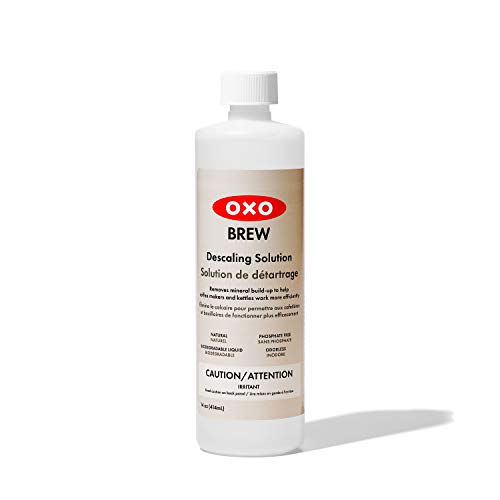
Helps keep your coffee makers and kettles working efficiently and using less energy

RESTORE COFFEE FLAVOR & AROMA: Our universal descaling solution removes bitter mineral buildup and calcium deposits from heating elements. This ensures your Keurig cleaner process restores the original "day one" taste of your favorite pods and espresso capsules
How Often to Descale: Hard‑Water vs. Soft‑Water Guidelines
You’ve noticed the brew slowing down and the flavor turning bitter, so you’re wondering how often you really need to descale.
How does water hardness affect my schedule?
Hard water means more calcium and magnesium, so scale builds fast. For home machines with daily usage, aim for every 2‑3 months, or even monthly if you brew every day. Soft water slows deposits; you can stretch to 3‑6 months, but still check the manual.
What if I run a commercial machine?
Commercial use adds heat and volume, accelerating buildup. In hard‑water regions, plan a descaling every 1‑2 months; with soft water, 2‑3 months usually suffices.
Takeaway
Match maintenance hardness to your daily usage or commercial use: harder water → shorter intervals, softer water → longer. Next, decide which descaler fits your routine. A proper descaling solution typically contains citric acid to dissolve mineral deposits efficiently. Regularly inspecting the machine’s error codes can also signal when a reset or descaling is required. Model durability can be extended by following these guidelines.

Each box provides 4 complete cleaning cycles, with 4×30g pre-measured sachets designed for simple, one-sachet use. Just tear, pour, and run your machine’s descaling program.

SAFER CLEANING & HOUSEHOLD ESSENTIALS: Includes with our versatile 100% Pure Food-Grade Citric Acid, and our powerful, odorless Coffee Machine Descaler for coffee maker maintenance; Compatible with Nespresso, Keurig, Breville, and more

EXCEPTIONAL RESULTS: Introducing Tillbrook Coffee Machine Descaler specifically formulated for Breville—the best choice for removing hard water buildup, oils, and residue. It’s essential to clean and descale Breville Espresso Machines every 3-4 months to ensure proper functioning of your machine, to enhance the taste of coffee, and to extend the life of the machine.
Pick the Best Descaler for Your Coffee Machine
When you’re stuck choosing a descaler, the biggest confusion usually comes from the flood of product claims and formats.
Which type fits my machine?
First, check compatibility. Universal liquids like ACTIVE work in any espresso or drip brewer, while Urnex powder targets automatic drip and single‑serve models. If you own a Keurig, a brand‑specific solution is safest, but a generic formula works if you follow the instructions.
What about safety and the planet?
Look for an eco‑safe selection that uses a biodegradable, non‑toxic, eco‑friendly formula. Powder packets reduce waste and are pre‑measured, while liquid bottles avoid extra measuring steps.
How do I know it really cleans?
A good descaler attacks limescale, mineral deposits, and coffee oils, then rinses cleanly with no lingering taste. Follow the brew‑cycle guide and finish with three clear‑water flushes.
Takeaway: Choose a compatible format, prioritize a biodegradable, non‑toxic formula, and follow the rinse steps for spotless performance. Next, decide whether liquid convenience or powder storage fits your routine. Adding vinegar is the most cost‑effective option for occasional descaling. Regular descaling preserves flavor and extends machine life. Mineral buildup can cause reduced water flow and affect brew temperature.

Cleancaf Coffeemaker Cleaner eliminates residual coffee oils and buildup that can turn rancid to prevent bitter tasting coffee

Removes Coffee oil build up from Coffee machines and French presses
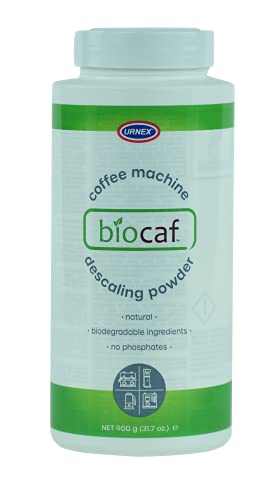
All-natural, eco-friendly cleaning agent made from ingredients kind to the planet, specifically designed for coffee machines Can be used as a cleaning agent for espresso machines, coffee makers, coffee grinders, etc
Descaling a Drip Coffee Machine – Step‑by‑Step
How does a drip coffee machine get back to peak performance after months of mineral buildup? You’re probably wondering why the brew feels weak and the machine takes forever to heat. Obviously, scale on the heating element slows water flow and drops brewing temperature, so descaling restores eco water safety and flavor.
What should you mix?
Use equal parts white vinegar and water, or follow the label if you prefer a commercial descaler. If you choose citric acid, add one tablespoon per cup of water. Fill the reservoir, then run a brew cycle.
How do you run it?
Empty the carafe and filter basket first. Start the cycle, pause halfway for 15‑30 minutes to let the solution work, then finish. Discard the liquid.
What comes after?
Rinse the carafe, refill the reservoir with fresh water, and run at least one water‑only cycle—two if vinegar odor lingers.
Descaling the filter is essential for maintaining optimal water flow. Regular descaling also helps prevent mineral buildup that can damage the pump over time.
Takeaway: regular descaling every three months keeps your drip machine’s brewing temperature steady and protects eco water safety. Ready to try it? Adding a cold brew concentrate after descaling can test the machine’s restored temperature performance.
A proper descaling routine also supports optimal pressure for consistent extraction.

8 Uses Value-Size Bottle: Same as 4 x 8oz bottle kit of other products! Less Waste, Better Value!

FROM DE'LONGHI. The world-leader in espresso machines.

Bulk Coffeemaker Decalcifier Tablet: 24 Tablets Work out to a Year Supply or more. Compare to other products like powder, pods, sachet, packets. Choose ACTIVE Cleaning Tablets for better Values
Descaling an Espresso or Pod Coffee Machine – Step‑by‑Step
You’re probably wondering why your espresso or pod machine suddenly brews weak coffee and takes forever to heat, even after you’ve descaled the drip model.
How do I prep the machine?
Turn it off, unplug if needed, and empty the tray, grounds container, and reservoir. Pull out any water filter for filter maintenance, and detach milk‑system parts. Place a big bowl under the brew and steam outlets to catch runoff.
What’s the right descaling mix?
Use the manufacturer’s descaler, follow the label’s dilution—usually a packet in 1 L of warm water or 0.5 L plus the recommended amount. Fill the tank, reinstall the reservoir, and start the descaling cycle via the control panel.
How long should I let it work?
Pause after the first dispense; let the solution sit 15‑20 minutes (up to 30 for citric acid). Run the brew group, hot‑water path, and steam wand as directed.
What about warranty implications?
Ignoring filter maintenance can void warranty, so follow the guide precisely.
Takeaway: Prep, mix, run, and pause—then you’re ready for the rinse stage. Next, learn how to rinse and flush correctly.
Press and hold the 2‑cup button while also holding the power button to enter descaling mode.
When you disassemble the machine, be cautious of the high‑temperature components to avoid burns. Regular descaling removes mineral buildup that can cause slow brewing and off‑flavors.
Nespresso’s capsule system ensures consistent flavor extraction, making proper descaling essential for maintaining coffee quality.
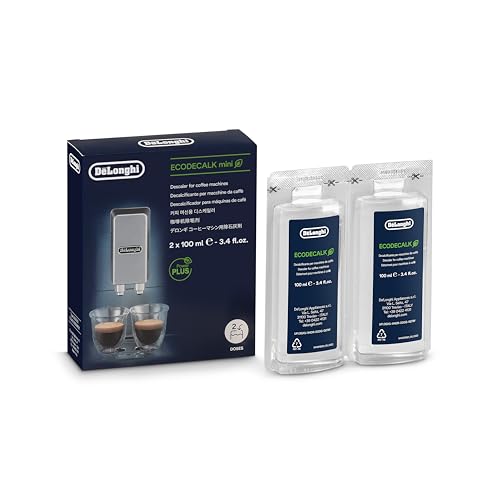
Eco-friendly universal descaling solution that's gentle on your coffee maker

RESTORE COFFEE FLAVOR & AROMA: Our universal descaling solution removes bitter mineral buildup and calcium deposits from heating elements. This ensures your Keurig cleaner process restores the original "day one" taste of your favorite pods and espresso capsules

DESCALING SOLUTION: This professional grade cleaner will remove limescale and calcium buildup.
How to Rinse and Flush After Descaling
If you’re wondering why the rinse after descaling feels like an extra chore, it’s because any leftover acidic solution can spoil your next cup’s flavor. First, empty the reservoir, then fill it with fresh water and run a full brew cycle without grounds. Discard the water, repeat once or twice—this is your rinse timing and flush frequency.
All right, check the machine’s descale mode; many will prompt a second rinse automatically. For drip makers, aim for two to three full reservoir cycles; espresso units may need separate steam and hot‑water flushes.
The drip tray should also be removed and rinsed to prevent buildup of mineral residues.
Here’s the thing: after the final cycle, sniff the carafe. If you still catch a chemical odor, run one more water‑only cycle.
Takeaway: consistent rinse timing and adequate flush frequency guarantee neutral‑tasting water before your next brew. Ready to prevent future scale buildup? Proper rinsing removes residual descaling solution that could corrode internal components.
Preventing Scale Buildup With Filtered Water
Why does filtered water matter for your coffee machine? You’re probably wondering if a simple filter can really keep scale at bay. The answer is yes—hard water leaves calcium and magnesium deposits that clog boilers and valves, so reducing water hardness directly cuts scale formation and preserves flavor balance.
Here’s the thing: reverse‑osmosis or ion‑exchange softeners strip most minerals, lowering the load that would otherwise coat heating elements. Even a modest TAC system changes mineral chemistry enough to keep deposits from solidifying, while still leaving enough minerals for a rich taste.
All right, choose a filter that hits your local hardness level without over‑softening. Test the water weekly; if you see less scaling, you’ll notice steadier brew temperature and a cleaner cup.
Takeaway: filtered water with the right hardness level protects your machine and maintains flavor balance. Next, check how often you should still descale despite using filtered water.
Common Descaling Errors and How to Fix Them
Filtered water cuts down on scale, but you’ll still run into hiccups when you actually descale.
Why won’t my machine start after descaling?
You probably forgot to check the outlet, so plug it in and power‑cycle for 10‑30 minutes. Re‑seat the reservoir, make sure it holds clean water, then run a water‑only brew. If it still won’t start, inspect the cord, fuse, or thermal lockout.
What if the descaling cycle freezes?
Let the cycle finish; interrupting leaves ECAM‑style machines stuck. Refill the tank when prompted, use the exact descaling button timing, and remove any pods or filters that block flow. A full rinse afterward clears lingering solution.
Why does the descale light keep flashing?
Mineral residue can linger in sensors or lines. Run a complete rinse, gently clean the sensor area, and power‑reset. If the light stays on, a faulty flow meter may need service.
What about poor flow after rinsing?
Debris can clog needles, valves, or shower heads. Clean removable parts, run several water‑only cycles, and check the drip‑stop valve.
Takeaway: Follow the safety warnings, perform the user troubleshooting steps, and you’ll get your coffee machine back to brewing in no time. Next, verify the rinse cycle clears all residue before your first cup.
Scale builds up over time, so regular descaling prevents thick deposits that can block flow.