
You’re probably rinsing your portafilter and calling it done—but that’s leaving oils and grounds inside your machine that’ll tank your shots within weeks. Here’s what actually works: rinse the portafilter immediately after each shot, backflush your group head daily with water, wipe your steam wand while milk’s still soft, and run a deep clean with detergent weekly. Descale monthly with commercial descaler or citric acid, then flush with multiple water tanks to kill the acidic taste. Stick to this routine and you’ll pull better espresso while your machine stays reliable for years. The specifics of each step—timing, technique, and scheduling—make all the difference.
Daily Cleaning Tasks to Prevent Buildup
You’ve probably noticed that espresso machines get gross *fast*—especially if you’ve ever let one sit for a day or two. The problem? Coffee oils and grounds bake onto your machine within hours, making deep cleaning a nightmare later.
Why Daily Tasks Matter****
Here’s the thing: spending two minutes right after each shot prevents hours of scrubbing tomorrow. You’ll rinse your portafilter and basket under hot water immediately, removing oils and fine grounds from basket holes. This filter maintenance keeps everything running smoothly.
Steam Wand Hygiene Can’t Wait
Purge your steam wand for 1-2 seconds before and after steaming milk. Then wipe it with a damp cloth—this steam wand hygiene prevents hardened milk crust that becomes impossible to remove.
Empty your drip tray daily and wipe exterior panels with a microfiber cloth. These small actions compound into a machine that stays genuinely clean. Regularly descale the brew group to prevent mineral buildup and maintain optimal pressure. Weekly oil removal helps keep the brew group free of stale coffee residues. Hard water can accelerate scaling, so consider using filtered water to protect your machine.
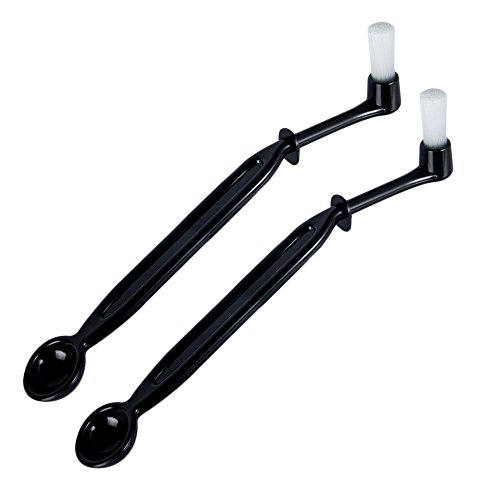
Perfect cleaner and clean your group head on your espresso machine

【 Best Espresso Cleaning Brush】The 58mm espresso cleaning brush is made of durable nylon bristles brush and Ergonomic Handle Plastic, it is the best cleaner tool to clean your semi-automatic espresso coffee machine's 58mm group head, gaskets, and shower screen.

【Coffee Brush Package Included】- 5pcs coffee cleaning brush in one pack, including espresso machine brush, long handle espresso brush, coffee grinder brush, espresso portafilter/milk frother pitcher spouts brush and espresso steam wand brush.
Why Weekly Deep Cleaning Extends Machine Life
Daily rinsing keeps your machine looking clean, but it doesn’t stop what’s happening underneath. Coffee oils turn rancid in group heads and portafilters, while mineral scale silently builds inside your boiler and pipes—both invisible to the naked eye.
Here’s the thing: weekly deep cleaning dissolves residue that water alone misses. You’re preventing sticky deposits that trap grounds and disrupt water flow, which means your shots stay consistent and your filter lifespan extends considerably.
Now, the real payoff? You’re avoiding expensive repairs. Clean components stress less during extraction. Gaskets last longer. Valves stay responsive. You’ll spend less on replacement parts and service calls over time—real cost savings that compound year after year.
A regular descaling schedule helps keep mineral buildup at bay. Incorporating a descaling solution can further protect the boiler from limescale damage. Adding a descaling routine every few months ensures optimal performance and flavor consistency.
Steam Wand Care: Stop Milk Residue Before It Hardens
Milk proteins and sugars harden on your steam wand like cement—and unlike coffee grounds, they don’t rinse away with water alone. You’ve probably noticed how quickly steam wand hygiene becomes a problem if you skip even one cleaning cycle.
Why the First 10 Seconds Matter
Waiting just 10 seconds lets residue bake permanently onto the hot surface. Wipe immediately with a damp microfiber cloth while everything’s still soft. Then purge steam for 1–3 seconds to expel milk trapped inside the tip holes.
Your Daily Residue Prevention Routine
End each day by soaking your wand tip in warm water mixed with milk-cleaning solution. Use a thin wire or brush to gently clear any blocked openings. This simple habit stops fermentation, odors, and clogged steam passages before they develop. Micro‑foam production benefits from a clean wand, ensuring consistent texture across drinks. Understanding air injection mechanisms helps you appreciate why proper cleaning maintains foam quality. Choosing a barista‑style almond milk can also reduce residue buildup due to its higher protein content.

【Multi-Use Steam Brush for Espresso Machines】Specifically designed for espresso steam wands and group heads, this steam cleaning brush effectively removes coffee residue, milk stains, and buildup from various coffee machines
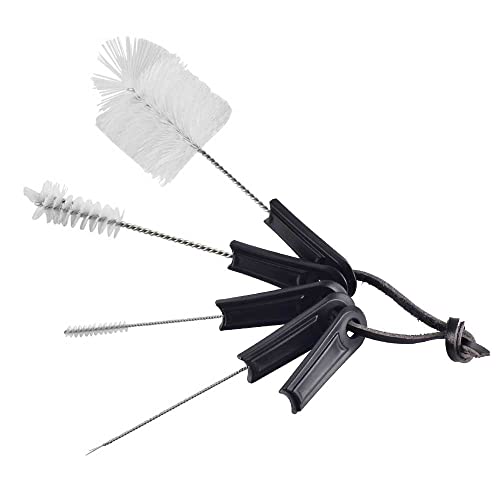
Espresso Brush Pack - Including 5pcs espresso machine cleaning brush tools and 1pc espresso portafilter basket remover tool, for cleaning any space of your espresso machine.

Effective Cleaning Tool - This steam cleaning brush efficiently removes coffee residue, milk stains, and buildup, keeping your coffee machine clean and ensuring you enjoy delicious, freshly brewed coffee every day.
How to Backflush Your Espresso Machine
Why does your espresso taste bitter or stale even though you’re pulling shots correctly? Coffee oils and fines accumulate in your group head, creating rancid buildup that ruins flavor. Backflushing forces water backward through your solenoid valve and internal pathways, dislodging this gunk.
Does your machine support backflushing?
Only machines with a 3-way solenoid valve handle backflushing safely. Check your manual first—not all espresso machines are compatible.
Running a backflush cycle
Insert a blind filter basket into your portafilter. For detergent cycles, add about 1/2 teaspoon of cleaner like Cafiza. Lock the portafilter in and run the pump for 10 seconds. Pause, repeat for 4-8 cycles depending on buildup. Always follow detergent backflushing with multiple clear-water cycles to rinse completely. The three-way valve relieves excess pressure during each cycle to protect your machine.
How often should you backflush?
Daily water backflushing keeps heavily used machines performing well. Detergent backflushing works best every 1-2 months. Your machine manual determines the right schedule. Regularly inspecting the pump lifespan can prevent pressure loss and extend the need of your espresso machine. Using a bottomless portafilter can help you see channeling and improve your extraction consistency. Properly maintaining the drip tray and water tank also reduces the risk of mineral buildup inside the machine.

Eliminates coffee residue and oils from espresso machine group heads, valves and lines

Eliminates coffee residue and oils from espresso machine group heads, valves, and lines

【For Breville/Sage】The cleaning disks are exactly the same as the latest original accessories of the Breville coffee machine.There is no water outlet in the center of the latest accessories, don’t worry, there is a backflow device inside your machine.
Portafilter and Baskets: Cleaning Without Damage
You’ve probably noticed that your portafilter and basket need attention after every shot, but you’re not sure how aggressive you should be with cleaning—afraid you’ll damage something that costs real money to replace.
What Actually Damages Your Equipment?
Here’s the thing: basket material longevity depends on gentle handling, not force. Knock out grounds immediately after pulling your shot. Rinse with hot water and light detergent instead of scrubbing hard. Avoid dishwashers entirely, especially with plastic handles.
The Right Technique Protects Portafilter Ergonomics
Remove baskets carefully using a proper tool rather than prying at the rim. Dry everything with a microfiber towel. This prevents both corrosion and buildup that’ll make future cleaning harder. Performing a flush after each shot helps maintain your clean brewing pathway and removes debris before it accumulates.
Weekly soaking in espresso cleaner keeps oils from baking on permanently. Gentle wins every time. Understanding the pressurized vs non‑pressurized design helps you choose the right cleaning intensity for your basket type.
The Group Head and Shower Screen: What Most People Miss
Most people nail the portafilter cleaning routine, then completely ignore what’s happening inside the group head—and that’s where the real neglect happens.
Your shower screen traps coffee oils and grounds relentlessly. Even with regular backflushing, screen residue accumulates daily and affects your shot quality. You’ve got to wipe it down after each use, then brush around the edges with a group head brush. For a thorough deep clean, apply Cafiza detergent to the shower screen and run the machine through alternating 10‑second cycles with 10‑second pauses to remove stubborn oily buildup that daily wiping misses.
Now, gasket buildup sneaks up on you. That rubber seal between your portafilter and group head collects grime that compromises the seal. Brush it weekly during your backflush routine using hot water and a stiff brush.
Here’s the thing: deep cleaning your group head with espresso cleaner every three months removes what daily maintenance misses. You’ll notice sharper espresso and a cleaner machine overall. Adding a monthly descaling routine helps prevent mineral buildup in the water tank and brew group.
Safety tip for Nespresso Vertuo machines includes pressing the power button, waiting for brewing to stop, unplugging the cord, and storing the device properly.
How to Descale and Remove Hard Water Stains
If you’ve noticed your espresso shots tasting flat or your machine running slower than usual, hard water minerals are likely building up inside your boiler and brew path. Scale prevention starts with understanding your water hardness—ideally keeping it around 30–50 ppm.
Now, here’s the thing: descaling frequency depends on where you live. Hard water areas need monthly descaling, while softer regions can go longer. Your machine’s blinking clean indicator tells you when it’s time.
For the actual descale, mix commercial descaler exactly per instructions or use citric acid. Run the solution through your brew path and steam wand, pausing 15–20 minutes so it reacts with mineral residue. Then rinse with 2–3 full water tanks until no acidic taste remains.
Descaling also helps protect the pump’s metallic components from corrosion caused by mineral buildup.
Don’t forget exterior stains—wipe damp cloths regularly to prevent spotting.
Regular descaling also helps maintain optimal pressure, preventing reduced buildup that can cause pressure loss and affect brew quality.
The citric acid in many descaling solutions works by chelating calcium and magnesium ions.

2-Pack Coffee Descaler and Cleaner - Clean and rinse away residue and oil buildup in your coffee maker with Impresa's Coffee Descaler Solution. Our highly effective solution comes with two 8-ounce bottles - enough for 4 descaling sessions (2 uses per bottle)

EXCEPTIONAL RESULTS: Introducing Tillbrook Coffee Machine Descaler specifically formulated for Breville—the best choice for removing hard water buildup, oils, and residue. It’s essential to clean and descale Breville Espresso Machines every 3-4 months to ensure proper functioning of your machine, to enhance the taste of coffee, and to extend the life of the machine.

FROM DE'LONGHI. The world-leader in espresso machines.
Water Tank and Drip Tray: Stopping Odors at the Source
Your espresso machine’s water tank and drip tray aren’t just convenience features—they’re where odors actually start brewing.
Where Smells Hide
You’ve probably noticed that even clean-looking machines can smell stale. Tank sanitation matters because thin films develop on walls over time, and small corners trap biofilm. Your drip tray collects coffee oils and standing water—bacteria and algae love that environment.
The Quick Fix
Empty your drip tray regularly before buildup gets heavy. Clean it daily with warm, soapy water and focus on tray drying before reinserting it. This stops moisture from creating moldy smells.
For your tank, use a soft brush on walls and a narrow brush for crevices. Rinse thoroughly to remove all soap residue.
Your Next Move
Commit to daily tray emptying and weekly tank cleaning. You’ll notice the difference immediately. Regular descaling removes mineral buildup that can exacerbate odor formation. Properly securing the top cover during reassembly helps maintain a sealed system and prevents external contaminants from entering.

ENJOY THE FULL TASTE OF YOUR COFFEE: The descaling process removes any mineral build-up and limescale, keeping your machine running smoothly and producing coffee each time so you can enjoy its full taste again

DESCALING SOLUTION: This professional grade cleaner will remove limescale and calcium buildup.

【COMPATIBLE MODELS】Water Filter for Breville Espresso Machine Barista Touch BES880, Barista Touch Impress BES881, Breville Barista Pro BES878, Breville Oracle Touch BES990BSS, Breville Oracle BES980, Breville Dual Boiler BES920, Part Number # BES008WHT0NUC1
Building a Cleaning Schedule That Actually Sticks
Knowing what to clean and actually doing it consistently are two completely different challenges. You understand your maintenance filter needs attention, but without a structured plan, you’ll skip weeks and wonder why your brew‑ratio suffers.
The secret? Separate light maintenance from chemical cleaning. Your daily routine takes five minutes: rinse the portafilter, wipe surfaces, backflush with water only. Weekly, you’ll dedicate 15 minutes to detergent backflushing and soaking baskets in hot water plus espresso detergent for 20 to 30 minutes.
Monthly, tackle descaling and reservoir sanitation based on your water hardness—typically every one to three months.
Clear timing labels make this repeatable. Post your schedule where you can see it. Consistency beats perfection every single time.
Session-End Checklist: End Each Day Right
A schedule only matters if you actually follow it—and that’s where most people fall apart. You’ve got to treat shutdown like part of your job, not an afterthought.
What Actually Needs Doing Before You Leave?
Here’s the thing: you’re preventing tomorrow’s problems right now. Backflush your group head with water, then run a detergent cycle with a blind filter when your daily log shows it’s due. Scrub that shower screen and remove buildup around the gasket.
Your steam wand needs purging immediately after steaming, then wiping and soaking. Clean your portafilters and baskets—soak them in hot water with cleaner to dissolve oils. Empty and rinse your drip tray completely.
Wipe exterior panels and inspect everything for wear. You’re leaving the machine ready, not crossed-off.