
You’re probably wondering how often a Breville espresso machine’s water pump needs replacing, and the short answer is every 3‑5 years of regular use, though diligent maintenance can push that to 7 years. Here’s the thing: each extraction cycle stresses the pump, so 5‑10 shots a day (about 1,800‑3,600 cycles a year) adds up quickly, and a 50 % duty‑cycle limit means you should give it rest between long sessions. If the pump starts humming, loses pressure, or the hot‑water spigot sputters, that’s a clear sign it’s wearing out, and a quick diagnostic can confirm it before you order a replacement.
How Long Does a Breville Pump Really Last?
How long does a Breville pump really last? You’re probably wondering why the answer isn’t a simple number. Here’s the thing: most home Breville machines see pump wear after three to five years, but some users stretch that to seven years with careful maintenance.
What affects that timeline? Pump size matters—larger pumps handle more volume and can tolerate heavier use, while smaller ones fatigue faster. The warranty period usually covers two to three years, so you’ll need to rely on performance symptoms after that.
Which pump options exist? You can stick with the original OEM unit, or choose a high‑flow aftermarket model that promises longer life.
Takeaway: Expect 3‑5 years under normal use, but a larger pump and good care can push it further. Next, ask yourself how daily extraction count influences wear. The water pump was replaced after 3‑5 years of service, confirming typical lifespan expectations. Regular group head cleaning also helps reduce strain on the pump by preventing coffee oil buildup. Proper daily cleaning of the portafilter and steam wand extends pump longevity.
How Daily Extraction Count Predicts Breville Pump Wear
If you’re wondering why your Breville pump sometimes sputters after a few months, the answer lies in how many shots you pull each day. You’ll notice that daily extraction count directly drives pump lifespan because each shot triggers a pump cycle, and the vibration pump tolerates only intermittent duty.
How many cycles add up?
A household pulling 5–10 shots daily reaches 1,825–3,650 cycles per year. That’s comparable to light commercial use, and the pump’s 50:50 duty‑cycle limit means it needs rest between runs.
What accelerates wear?
Back‑to‑back pulls, manual stops, and long extractions push the pump toward overheating and fatigue, shortening its useful life. The flow‑meter sensor must be clean and properly connected to ensure accurate water volume control. Regularly cleaning the brew group as part of the weekly maintenance schedule helps prevent debris from affecting the sensor’s performance. Proper water hardness also reduces mineral buildup that can stress the pump. Consistently maintaining water temperature within the optimal range further protects the pump from stress.
Takeaway: Track your shots per day; the higher the daily extraction, the faster the pump will wear out. Next, learn how to spot early pump failure signs.
How to Tell If Your Breville Pump Is Failing
When your Breville’s water flow drops to a trickle or stops altogether, it’s easy to wonder whether the pump’s gone bad or something else is blocking the path. First, listen. If the pump noise has turned from a loud buzz to a faint hum or gone silent, that’s a red flag. Next, run water with the portafilter removed. If nothing comes out, the issue is upstream—likely the pump or a blocked valve. Check the flowmeter; a stuck or mis‑aligned meter can mimic pump failure. Also, verify the reservoir sits correctly and isn’t empty. Finally, try the steam wand; if both brew and steam lack water, the pump probably needs attention. Takeaway: Quiet pump, no flow with portafilter off, and a faulty flowmeter together point to pump failure. Next, consider whether you can troubleshoot the valve or need a professional inspection. Regular descaling can prevent mineral buildup that clogs the pump and prolong its lifespan.

REPLACEMENT COFFEE VALVE SAFETY KIT - MacMaxe replacement safety valve designed to regulate pressure inside compatible espresso machines and help protect internal components.

Accurate Water Flow Detection – This precision-engineered flow meter accurately detects water flow through the entire tubing of coffee machines using vibratory pumps, delivering consistent brewing results every time.

Diagnose Pump Problems Before Ordering a Replacement
Even though the pump sounds like it might be dead, you’ve probably just got a blockage or a power hiccup.
What can you check first?
Start with pump troubleshooting: verify the reservoir is seated, then prime the circuit to eliminate air. Run water through the hot‑water spigot; strong flow there points to a downstream issue, while weak flow everywhere hints at an upstream blockage in tubes, flowmeter, or OPV.
How do you confirm power?
Do power diagnostics by measuring voltage at the pump terminals. If the relay, board, or wiring isn’t delivering power, the pump won’t run even if it’s healthy. An isolation test separates control faults from hydraulic ones.
Should you bench‑test?
Yes. Remove the pump, connect it to a water source and temporary leads. A healthy pump sprays strongly; a weak spray means replacement.
Takeaway: Most “dead” pumps are clogged or unpowered, not broken. Fix those first before ordering a new pump.
Next step: Which specific blockage or power test gave you the clearest clue?
Check the clogged tube between the diffuser and solenoid for blockages.
The Nespresso system relies on a 19‑bar pressure pump to force hot water through finely ground coffee, creating crema‑rich espresso in seconds.
proper safety precautions are essential when opening the machine to prevent electric shock or damage.

SUITABLE FOR MOST OF BREVILLE MACHINES - Well -designed for all Breville machine models: BES980XL, BES920XL, BES900XL, BES860XL, BES870XL and BES840XL infuser espresso machine, BKC600XL and BKC700XL gourmet single cup brewer

ULKA Pump Replacement Model Type EFP5 120v 60Hz 52W. Detailed performance see the specification.
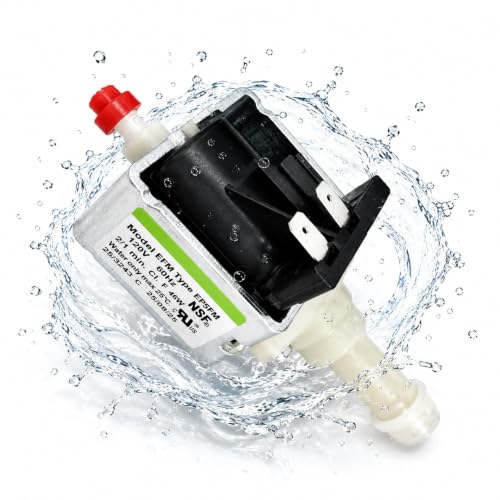
Compatible With Most Breville Home Espresso Machines: ULKA EP5FM solenoid water pump is compatible with Breville espresso machine models: 800ESXL, BES820XL, BES830XL, BES840XL, BES860XL, BES870XL, BES900XL, BES920XL, BES980XL, BES990, BES500, BES878 High pressure low flow design specially made for household espresso coffee makers
Select the Right ULKA‑Style Pump for Your Breville Model
You’ve just cleared the mystery of why the pump seemed dead, and now you’re wondering which ULKA‑style pump actually fits your Breville.
Which pump family matches my model?
Start with the exact Breville model number. Most consumer Brevilles use the E‑type family—EP5 or EFP5—so look for a 120 V, 60 Hz pump. EFP5 listings usually note 52 W, 15 bar max pressure, and a 2/1‑minute duty cycle, matching machines like the 800ESXL. EP5 alternatives run 41 W, still 120 V/60 Hz, but check terminal layout and hose orientation.
How do I verify electrical and mechanical fit?
Compare voltage, frequency, wattage, and connector style to the original label. Wrong frequency can cause premature failure, even if the body fits. Verify O‑ring seals and inlet/outlet positions line up with your chassis. Maintaining consistent puck density is crucial for reliable pump performance. The portafilter must be properly seated to ensure even pressure distribution across the pump’s flow. A well‑tuned grind size also helps prevent pressure spikes that stress the pump.
What about warranty eligibility?
Using a pump that matches the OEM specifications—pressure, power, and duty cycle—keeps warranty eligibility intact.
*Takeaway: Identify your Breville model, match the ULKA E‑type spec (120 V/60 Hz, correct wattage, pressure), and confirm seal and connector alignment before ordering.* The pump’s ball and gasket can be replaced for a fraction of the cost of a new unit.
Replace the Pump Yourself: Tools, Teardown, and Re‑Assembly
If your Breville’s pump has gone silent, you’re probably wondering how to get the machine back to brewing without a costly service call. First, unplug the unit and let it cool. Remove the water tank, drip tray, and bean hopper, then unscrew the top cover with a Phillips driver. Use a small flathead or pick to release rubber hoses and clips, and keep towels handy for any drips.
Now, disconnect the pump’s electrical connectors and pull the inlet tube off the push‑fit. Unthread the safety‑valve outlet, then loosen the lower mounting bracket. Keep the upper screws loose until the pump lifts free.
All right, transfer the upper bracket to the new pump, thread the safety valve, and seat inlet and outlet hoses firmly. Tighten brackets to the manufacturer’s torque‑specs—no overtightening. Finally, reseal panels, run a water‑flow test, and confirm steady group‑head pressure. Takeaway: careful disassembly, correct torque, and proper hose seating restore brew power. Next, check pump safety guidelines before you fire it up. Proper water temperature is essential for optimal extraction and crema formation.

SP0001676 Replacement for Stollar Sage Breville Water Pump Safety Valve BES870 02.17
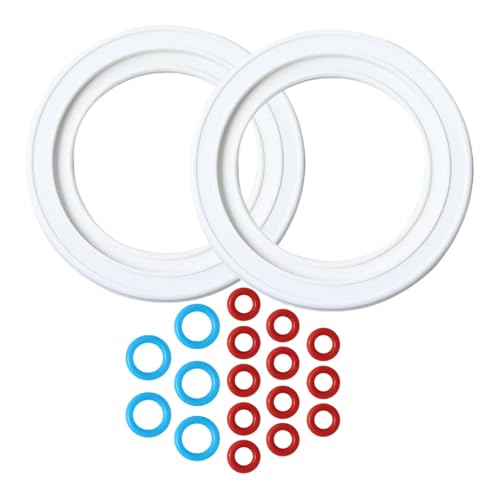
Replacing the brew head seal ring can prevent coffee leakage and maintain stable sealing.
Preventive Maintenance to Extend Breville Pump Life
All right, keep a strict descaling schedule—every 1‑3 months depending on use—to prevent scale from choking the pump. Make sure reservoir seating is tight; a loose tank starves the pump and creates false flow faults.
Here’s the thing: steam wand cleaning after each frothing session removes milk residue that can echo into the hydraulic path. A quick purge and wipe keep the wand clear and protect the solenoid.
Obviously, regular hot‑water cycles and blackflushes flush trapped air and debris, extending pump life. Take these steps and you’ll catch problems before they force a costly overhaul.
Takeaway: Consistent cleaning, proper water, and routine flow checks keep your Breville pump healthy.
Next step: Test your machine’s flow today and note any irregularities.
A thorough rinse after descaling removes scale residue that could otherwise re‑accumulate in the pump. Maintaining optimal brewing temperature also helps prevent mineral buildup that can impair pump performance.
A well‑descaled system improves water flow and reduces wear on the pump’s internal seals.
What Will a Breville Pump Overhaul Actually Cost?
What’s the real cost of a Breville pump overhaul? You’re probably wondering if you’ll spend a fortune or just a few bucks. The part itself runs $30‑$40 for a generic Ulka‑style pump that matches most BES870/BES878 models, while OEM versions can top $70. Labor adds $80‑$120 if a shop disassembles the housing, swaps hoses, and checks for solenoid or scale issues. DIY swaps shave the labor cost entirely, but you must verify pump compatibility and accept any warranty exclusions that void the manufacturer’s guarantee.
How does labor affect the bill?
Now, a technician’s diagnostic fee often includes the pump removal, clamp handling, and re‑tightening of fittings. If the failure is isolated, you’ll stay near the low end of the range; extra gasket or tubing work can push the total toward $200.
What should you watch for?
All right, diagnose first. Weak flow might be a blockage, not a dead pump, saving you a needless purchase.
Takeaway: Expect $110‑$160 for a professional overhaul, less if you go DIY, but always confirm pump compatibility and note warranty exclusions. Next, decide whether you’ll tackle the swap yourself or book a trusted repair shop. The ULKA Model E Type EFP5 replacement pump is a solenoid vibratory water pump that can handle up to 15 bar pressure. high‑pressure pumps are essential for achieving the consistent extraction needed in premium espresso machines. compact pod‑based coffee makers like Nespresso provide a convenient reference for understanding how modular components can simplify maintenance. Proper water temperature control ensures optimal extraction and flavor balance.

Technical Specifications: High-performance ULKA EFP5 pump operating at 120V 60Hz with 52W power output for consistent espresso extraction

Perfect Replacement Fit for Multiple Breville Models: If your Breville espresso machine has weak frothing or loud running noise,our ULKA EP5FM vibratory pump is your perfect repair part It matches models 800ESXL, BES820XL, BES830XL, BES840XL, BES860XL, BES870XL, BES900XL, BES920XL, BES980XL, BES990, BES500, BES878 completely, works seamlessly as a direct swap for old, worn-out factory pumps

Package Contents:You will get 1*120V 60HZ 52W Solenoid Vibratory Water Pump,replaces EFP5 Pump.It's the perfect solution for restoring your old coffee maker