
You’re right to ask—most people skip the pressure-building steps and wonder why their moka pot tastes bitter. Here’s what actually matters: fill the bottom chamber below the safety valve, use a fine-to-medium grind (like table salt), load the basket without tamping, then screw it together firmly. Heat on low-to-medium until you hear gurgling—that’s your signal to pull it off immediately. Serve within 30 seconds into pre-warmed cups. The details about gasket seals and descaling transform consistency from hit-or-miss into reliable.
Get to Know Your Moka Pot
A Moka pot’s got three main sections that work together to push hot water through ground coffee and into your cup. The bottom chamber heats water, the middle holds your ground coffee in a filter basket, and the top collects your brewed coffee.
Now, here’s the thing: you’ll find these pots made from aluminium or stainless steel, and your material choice matters. Aluminium versions are lighter but require hand-washing, while stainless steel handles dishwashers and induction cooktops.
The rubber gasket seals everything together—it’s the critical part that wears out over time. A tight seal keeps pressure where it belongs. Obviously, you’ll want to check it regularly and replace it when it starts leaking. When your gasket deteriorates, replacement parts sets like the CookiBlend Espresso Coffee Moka Pot Replacement Parts Set are available to restore functionality without needing tools.
Your next step? Learn what goes inside each chamber before you brew. Stovetop pressure brewing offers a unique flavor profile compared to drip coffee. Using a fine grind helps achieve richer crema and a more concentrated extraction. The steam pressure generated in the lower chamber forces water up through the coffee grounds, creating the signature espresso‑style brew.

Fits the 6-Cup Moka Express

Only for Stainless Steel Moka Pot Coffee Maker 2-4-6-9 Espresson Cup
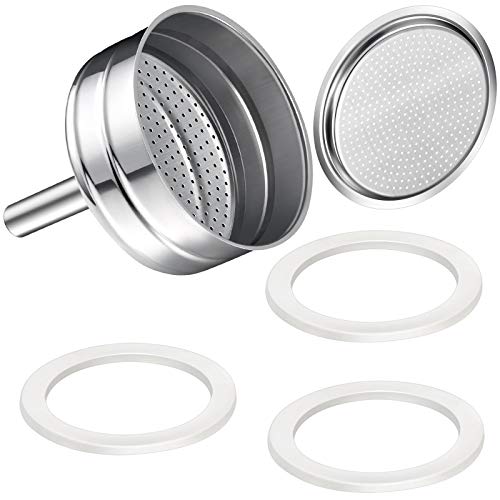
Package Includes: you will receive 3 pieces replacement gaskets, 1 piece replacement funnel and 1 piece stainless filter, complete set of accessories is enough for you to use or replace in your daily life, Manual measurement, please allow slight errors on size; Hand wash is recommended for a better using effect
Prepare Your Moka Pot and Fill the Water Chamber
Now that you know how your Moka pot’s three chambers work together, you’re ready to set it up for brewing.
Should You Clean a New Pot?
Yes—rinse out industrial residue first, then dry everything thoroughly. This prevents corrosion and off‑flavors in your first brew.
Inspecting Before You Fill
Check your gasket, filter plate, and threads for proper seating. Perform valve blockage detection by confirming the safety valve moves freely. These quick checks stop leaks before they happen.
Getting the Water Level Right
Fill the lower chamber to just below the safety valve line. That valve becomes your visual marker—don’t overfill it. You can use cold tap water or preheated water, depending on your timeline preference. Avoid overfilling past the pressure valve to prevent safety issues and ensure proper brewing conditions.
Wipe the rim dry before assembling the top chamber. You’re now ready to add your coffee grounds.
Understanding the Brew Pressure
Maintaining the correct brew pressure is essential for extracting the rich, balanced flavor that a Moka pot is known for.
Using a heat‑diffusing pad on electric stovetops helps distribute heat evenly and reduces the risk of scorching the pot.

Practical Tool for the Kitchen--The induction adapter can effectively protect our moka pot from the flames of gas stove. and good for the use of coffee makers, coffee pots on induction cooker.

Necessary Helper for Coffee Maker : Thanks to induction plate adapter, it protect your moka pot from the flames of gas stove and lower the heat in order to get a longer brew. Our simmer plate is easy to store and efficient, and it will provide your cookware with years of additional life. Have become an essential item in our household.

Induction Stove Use: ESEVOLO stainless steel induction plate adapter is suitable for aluminum moka pots or all stovetop espresso maker that are not compatible with induction, or glass, ceramic small bowls. Having a heat diffuser cooking induction adapter, will allow you to heat the italian coffee maker on an induction cooktop! It can also be used on gas, glass and electric stove
Grind and Load Your Espresso Maker’s Coffee Basket
Getting your grind right is where most people stumble—you’re fundamentally hunting for the sweet spot between espresso and drip coffee. You want fine to medium-fine grounds, like table salt or fine sand. Coarser than espresso, finer than drip.
Use a burr grinder for grind consistency. Conical burr grinders deliver uniform particles that let water flow evenly through your basket. Blade grinders create uneven sizes causing over- and under-extraction in the same brew.
Dose about 20 grams for a 6-cup pot. Fill your basket close to the top, then level the grounds gently. Skip basket tamping entirely—compression blocks water flow and ruins extraction.
Tap lightly to settle everything. Even distribution matters more than pressure. Adjust the grind size based on the machine type to achieve the optimal extraction time. Consistent particle size helps maintain steady flow and prevents channeling. Regular descaling removes mineral buildup that can clog the machine’s tiny passages.
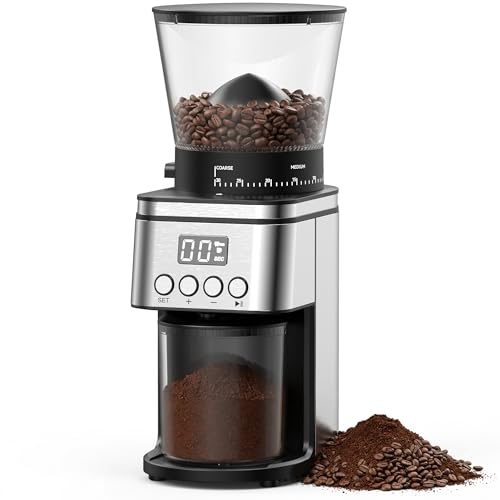
Professional Grinding Precision:Coffee grinder with 30 precise grind settings—from espresso-fine to French press-coarse—deliver consistent particle size for optimal extraction. Hardened stainless steel conical burrs ensure consistent and uniform grinding.
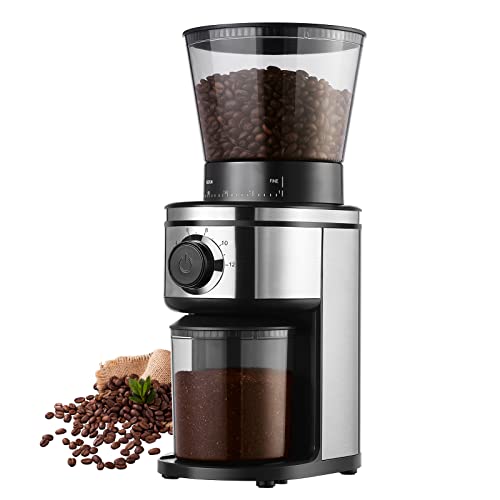
【Durable Conical Burr】With 40-millimeter stainless steel conical burrs, OLLYGRIN burr coffee grinder ensure optimal flavor extraction and create uniform grounds.
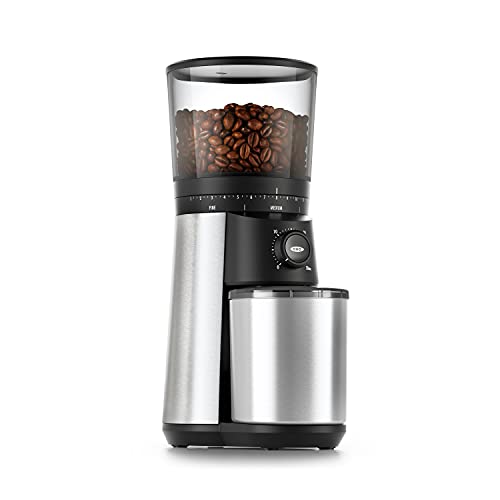
40mm stainless steel conical burrs: Precision grinding system produces uniform coffee grounds to ensure even extraction for rich, balanced flavor in every cup.
Assemble and Seal the Pot Securely
Once you’ve got your grounds perfectly distributed in the basket, you’re ready to lock everything together—and this is where people often skip steps that come back to haunt them during brewing.
Does Your Gasket Material Actually Seal?
Start by inspecting your gasket material closely. Hardened, cracked, or warped gaskets kill your pressure safety—they’re responsible for maintaining the seal that builds brewing pressure. Replace any damaged gasket before assembly.
Building a Proper Seal****
Fit your filter plate into the upper chamber first. Press the gasket evenly around the plate’s groove, using gentle finger pressure. Align both chambers, then screw them together firmly—not aggressively. Excessive force pinches the seal. When the gasket is properly seated, squeeze it into place securely to ensure no leaking occurs during brewing.
Fill the lower chamber only to just below the safety valve. Remove any stray grounds from contact surfaces. Inspect the seam between chambers for even contact before heating. A well‑maintained portafilter ensures consistent pressure throughout extraction.


Premium Materials & Sizes: The filter screens are made of high-quality stainless steel with an outer diameter of 2.2 inch. The silicone gaskets are made of food-grade, heat-resistant silicone with an outer diameter of 2.5 inch. Before making a purchase, please measure the size of your coffee pot's filter and gasket to ensure a perfect fit. Note: Choose a filter made of the same material as your coffee pot

Material: Food Grade Silicone. Soft silicone constructed better sealing,safe and not deformed,will not crack, or leak
Heat and Brew: When to Know It’s Ready
The heat you choose makes or breaks your espresso—it’s the difference between a smooth shot and burnt, bitter disappointment. You’ll want low to medium heat; high flames scorch the pot and destroy flavor. Keep the handle and sidewalls away from direct flame.
Now, here’s where flow control matters. Your brew takes 3 to 6 minutes depending on heat intensity. You’re listening for a gurgling sound—that’s your pressure monitoring system telling you extraction’s nearly done.
Watch the stream shift from steady to lighter colored. When you hear that gurgling sound like mouthwash, aroma cues intensify. That’s your signal to remove the pot immediately from heat.
Don’t let it continue heating. Grab it now to preserve your shot’s quality. Typical Moka pots reach full pressure in about 4‑6 minutes from start‑up. The 19‑bar pressure generated by the pump ensures a rich crema and consistent extraction. Regular descaling prevents mineral buildup that can impair heating efficiency.

CRAFT COFFEE AT HOME: Produces six demitasse/espresso servings of rich, smooth espresso coffee in minutes. Craft your own espresso, Americano, Cuban coffee, Italian-style coffee, Moka, lattes, cappuccinos and more from the convenience of your home.Filter type:Reusable

Electric Moka Pot Espresso Maker, No Stovetop Needed — Brew rich, full-bodied espresso in minutes with a modern electric design—no stove required.

Serve Your Stovetop Espresso While It’s Hot
After your moka pot stops gurgling and you’ve pulled it from heat, you’re in a race against the clock—those first 30 seconds determine whether you’re drinking smooth espresso or flat, cooled-down coffee. Obviously, you’ve already invested effort brewing; don’t waste it by letting coffee linger in the chamber.
Here’s the thing: warm your cups with hot water before brewing starts. This cupping technique prevents rapid temperature loss that destroys aroma and mouthfeel. Cold ceramic steals heat fast from small, concentrated servings.
Now, stir the brewed coffee gently right after removing the pot. Early extraction runs stronger than later output, so mixing creates consistency. Pour immediately into those pre-warmed cups in small portions. Serving espresso in warmed cups maintains the optimal temperature and preserves the complex flavors you’ve worked to extract.
For a balanced brew, consider using a medium‑fine grind which is the ideal size for moka pot extraction. You’ve nailed brewing—quick service preserves everything you’ve worked for. A proper coarse grind can also help avoid over‑extraction when using a French press.
Clean Your Moka Pot and Troubleshoot Common Issues
You’ve nailed the brewing and serving—now comes the part that actually keeps your moka pot working year after year. Daily rinsing matters most: empty grounds immediately, rinse all chambers with warm water, then dry everything thoroughly. Skipping this step invites mold and oil buildup fast. Thoroughly drying your pot prevents metal oxidation and extends its lifespan significantly. Regularly descale the pot using a white vinegar solution to prevent mineral buildup that can affect pressure. For scaling prevention, descale every few weeks using equal parts white vinegar and water. Soak metal parts for 15–30 minutes, then run a water-only brew cycle to flush residue. During gasket inspection, check for cracking or hardening—worn gaskets leak and ruin pressure. Avoid abrasive scrubbers that scratch surfaces. Bitter taste? Old oils linger. Leaks? Your gasket’s probably shot. Replace it before your next brew. Regularly cleaning the funnel helps keep coffee oils from accumulating and affecting flavor. Breville espresso machine daily maintenance includes rinsing the portafilter and wiping the steam wand to prevent residue buildup.