
You’re asking the right question because they’re genuinely different brewers. An espresso machine delivers 9 bars of pressure while a moka pot musters only 1–2 bars—that gap transforms extraction entirely. Espresso pulls 10–12% dissolved solids with velvety crema and complex flavors; moka pot yields around 3% with bolder, roast-forward notes but no emulsified texture. Espresso demands precision and skill. Moka pots reward consistency and simplicity. Your choice hinges on whether you prioritize flavor complexity or morning ease—and there’s nuance worth understanding first.
Moka Pot vs. Espresso Machine: What’s the Real Difference?
You’ve probably heard these two methods called interchangeable — maybe someone even called their moka pot a “stovetop espresso maker” — but here’s the thing: they’re actually pretty different under the hood.
A moka pot uses steam pressure to push water through grounds, generating around 1 to 2 bars of pressure. True espresso machines pump hot water at roughly 9 bars — that’s a massive difference. One relies on heat; the other uses mechanical force.
Here’s what matters: espresso’s higher pressure extracts faster and better sustains the delicate aroma and sweetness in your beans. Moka pots take 5 to 10 minutes and often taste bolder, more bitter. Espresso finishes smoother with visible crema on top. Because moka pot coffee brews at approximately 90 °C, it reaches hotter temperatures than espresso extraction, which can contribute to its more pronounced flavor profile. The gasket seal ensures pressure is maintained and prevents steam from escaping during brewing. The brew chamber holds the water that turns into steam and forces through the coffee grounds. Regular descaling helps prevent mineral buildup that can affect both pressure and temperature stability. Now you know the real mechanism at play. Ready to figure out which actually fits your coffee routine?

CRAFT COFFEE AT HOME: Produces six demitasse/espresso servings of rich, smooth espresso coffee in minutes. Craft your own espresso, Americano, Cuban coffee, Italian-style coffee, Moka, lattes, cappuccinos and more from the convenience of your home.Filter type:Reusable

MEDIUM CAPACITY: This stovetop espresso maker brews six cups of rich, full-bodied coffee using traditional Italian moka pot brewing method, forcing hot water through grounds for barista-quality espresso flavor in minutes

Moka Espresso Coffee: Stovetop espresso maker, Moka pot, & manual coffee percolator machine. Available in 3-cup, 6-cup, 9-cup and 12-cup sizes. The stove top percolator makes home espresso like a barista. It's easier to use than an electric espresso machine and makes a rich cup of espresso mocha.3 cup, 6-cup, 9-cup and 12-cup expresso coffee pot, stove top size, food grade aluminum Espresso Moka coffee pot.
Pressure, Extraction, and Why It Matters for Taste
If you’re wondering why your moka pot coffee tastes different from “real” espresso, pressure is basically the whole story.
Why Pressure Dynamics Matter
Your moka pot maxes out around 0.3–2 bars of steam pressure. Espresso machines? They push 9 bars of pressurized water through the grounds. That massive difference completely changes how flavor extraction happens. Higher pressure forces water through coffee faster and more forcefully, pulling out oils, gases, and soluble compounds you’d never reach at low pressure. The Nespresso system’s high‑pressure pump ensures consistent 19‑bar extraction, which is why espresso can achieve a richer crema.
The Taste Consequence
Espresso delivers 10–12% total dissolved solids. Your moka pot typically lands around 3%—about three times less concentrated. You get bold, strong coffee, sure. But you’re missing the thicker mouthfeel and emulsified texture that pressure creates. Espresso preserves sweetness and complexity. Moka brewing emphasizes roasted, nutty, and sometimes bitter notes instead.
The boiler temperature must stay stable to ensure consistent extraction.
Why Espresso Beats Moka Pot on Flavor Complexity
The pressure difference we talked about earlier? That’s exactly why you experience so much more flavor complexity in espresso. High‑pressure extraction captures broader aroma layers—floral, fruity, nutty, chocolate, spice—all in one concentrated shot.
Now, here’s the thing: espresso’s precise temperature control preserves both bright top notes and deep sweetness simultaneously. You get texture richness from crema that moka pots simply can’t produce. That velvety mouthfeel actually makes subtle flavors more noticeable.
Moka pot coffee, by contrast, takes thermal stress on the stovetop. Heat inconsistency mutes delicate compounds. You’re left with a bolder, roast‑forward cup that feels more uniform and less layered.
Obviously, this matters if you value nuance. Espresso lets you taste origin characteristics clearly. Moka pot finishes heavier, blurring finer distinctions.
The takeaway: Pressure‑driven precision wins flavor complexity every time. Using a fine but not powdery grind ensures optimal extraction and prevents over‑extraction. Longer extraction time yields a fuller body and a slightly gritty texture. Adding a consistent water temperature helps maintain the balance of flavors across each brew.
Brewing Speed: Espresso in Seconds vs. Moka Pot in Minutes
Speed matters just as much as flavor when you’re choosing your brewing method—and here’s where espresso and moka pots diverge dramatically. You’ll pull an espresso shot in about 25 to 30 seconds once your machine heats up. The brew extraction happens fast because pressure forces water through grounds rapidly.
Now, a moka pot? You’re looking at several minutes from stovetop to cup. Water must heat, pressure builds gradually, and brewed coffee travels upward slowly through the chamber. You’ll also need to watch it closely near the end.
Here’s the thing: espresso demands less energy consumption overall since the entire process finishes in seconds. Moka pots require sustained heat throughout brewing. For single servings or café-style speed, espresso wins decisively. A proper grind size is essential for optimizing extraction in both methods. The high pressure required for true espresso cannot be achieved by a Keurig, which limits its ability to produce authentic espresso. Using freshly roasted beans ensures the best flavor profile for either brewing style.
![Quick & Clean [6-Pack] Keurig Cleaning Pods - K Cup Cleaner Pod For Keurig - 2.0 Coffee Machine Compatible, Removes Stains, Non-Toxic and Eco-Friendly](https://m.media-amazon.com/images/I/51lXaI5rgKL._SL500_.jpg)
Get That Fresh Coffee Taste Back - Over time, Keurig (TM) machines build up old grinds and residues, tainting the flavor of your coffee and espresso. Quick and Clean Keurig cleaning pods use a proprietary cleaning formula that cuts through and eliminates these residues, bringing taste back to normal


Grind Size, Tamping, and Precision: Which Demands More Skill
Moka pots operate around 2 bar—way lower pressure. You don’t tamp; you just level grounds loosely. Your grind range spans 0.300 mm to slightly coarser without catastrophe. Heat management matters more than precision grinding here. For a two‑cup moka pot, you’ll load around 11–12 g ground coffee, which fits comfortably without requiring the exact measurements espresso demands.
The Real Difference
Espresso demands iterative dialing‑in across multiple variables. Moka pots reward simplicity and consistency. Pick your method based on whether you enjoy obsessive tuning or straightforward results. A consistent grind size is essential for repeatable extraction. Proper tamping pressure ensures even water flow and prevents channeling. Using a non‑espresso grind can cause channeling and lead to under‑extraction, producing a weak, watery shot.
Moka Pot vs. Espresso Machine: The True Cost Over Time
Buying coffee gear isn’t just about what you pay upfront—it’s what you’ll actually spend across years of brewing. You’re probably wondering which investment truly costs less over time, and that’s smart thinking because the answer isn’t obvious at first glance.
How Long Does Each Actually Last?
Moka pots function as lifetime tools when you maintain them properly. Stainless-steel models especially outlast aluminum versions, though both deliver 10+ years with basic care. Espresso machines, by contrast, typically last 3–7 years depending on quality and how diligently you handle maintenance expenses like descaling and repairs.
Real Long-Term Costs Add Up Fast
Here’s the thing: espresso ownership demands ongoing maintenance sustainability. You’re descaling regularly, replacing parts, and potentially servicing machines. Moka pots need only rinsing and occasional gasket replacement, making durability far simpler and cheaper over time. Proper regular descaling can significantly extend an espresso machine’s lifespan, reducing the need for costly repairs. Using a proper descaling solution helps dissolve limescale and prevents clogs that could otherwise shorten the machine’s life. Consistent water tank purging also prevents residue buildup that can affect flavor and performance.

Venus is the perfect combination of tradition and innovation: the original induction coffee maker that prepares a perfect coffee, with a Made in Italy taste from a pot with a unique design.

Venus is the perfect combination of tradition and innovation: the original induction coffee maker that prepares a perfect coffee, with a Made in Italy taste from a pot with a unique design.
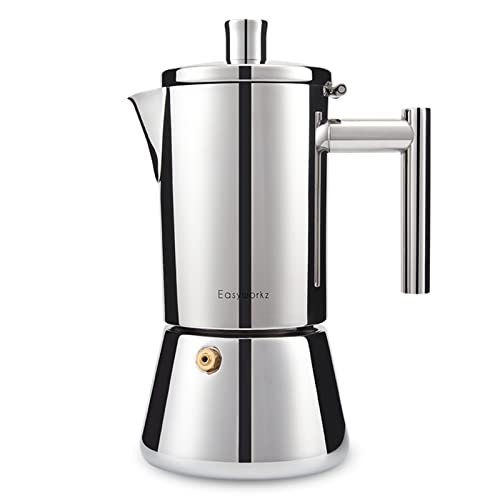
[Elegant and Heat Resistant Design] Used the latest manufacturing technology and combined aesthetics to design this elegant espresso coffee pot. The heat resistant hollow insulated lid and handle grip make it convenient to use. Base is heavy gauge Magnetic stainless steel,ensuring its long life time at high temperatured heat resource.
Can a Moka Pot Actually Make Espresso?
You’ve probably heard moka pots called “stovetop espresso makers,” and that’s created real confusion about what they actually produce. Here’s the thing: they don’t make true espresso, despite what the marketing suggests.
Espresso machines force water through grounds at roughly 9 bars of pressure. Moka pots rely on lower steam pressure from boiling water instead. That pressure difference changes everything—your espresso aroma, crema formation, and overall flavor complexity suffer.
Now, you’ll get intense, concentrated coffee from a moka pot. It’s strong enough for milk drinks and delivers that beloved brewing ritual. But coffee professionals consistently agree: moka-pot output isn’t authentic espresso.
Think of it this way—you’re making espresso-*style* coffee, not the real thing. For café-quality shots, you’ll need an actual espresso machine. Regular descaling of your coffee equipment, such as using a descaling solution, helps maintain optimal pressure and flavor. The brewing ratio you use also influences the final strength and body of the coffee. Using an even heat setting on electric stovetops can prevent scorching and preserve flavor.
Pick Based on Your Priorities: Budget, Speed, or Flavor
Your priority determines everything. Which one resonates with how you actually live?

VERSATILE CAPACITY: Brew 6 or 3 espresso cups (1.5 oz each), letting you adjust the serving size to suit your preference and occasion

SEMI-TRANSPARENT WATER RESERVOIR holds up to 5 cups of water capacity with a level indicator to always ensure you have enough water ready for brewing.

Be Your Own Barista, Enjoy Coffee Drinks: The XIXUBX semi-automatic espresso machine is equipped with a powerful steam frother and instant heating system for rich extraction and silky milk foam. You can enjoy latte, cappuccino, Americano, macchiato or cold brew coffee at home
Which Method Fits Your Coffee Routine?
Since coffee isn’t just a drink—it’s part of how you actually live—picking between these two comes down to your morning reality, not theory.
Do you want equipment minimalism or don’t mind setup?
Moka pots demand almost nothing: rinse, dry, done. Espresso machines need portafilter cleaning, basket rinsing, and drip tray care after every shot. If your morning ritual thrives on simplicity, the moka pot wins by a mile.
Are you brewing for one or feeding a crowd?
Moka pots batch-brew multiple cups simultaneously. Espresso yields one or two shots per extraction. Shared mornings? Moka pot handles it effortlessly. Solo coffee drinker? Espresso fits your actual needs better.
What’s your consistency threshold?
Espresso machines deliver predictable results daily. Moka pots swing wildly with heat and grind changes. Need reliability? Pick espresso.

BREWING CAPACITY: This coffeemaker is designed to brew up to 1 cups of rich, flavorful coffee, perfect for satisfying your morning caffeine cravings

CAPACITY: This coffeemaker is designed to brew up to 3 cups of rich, flavorful coffee, perfect for satisfying your morning caffeine cravings

Classic Italian Espresso Maker: Our classic Italian moka pot will give you all the coffee recipes, latte, cappuccino, traditional espresso, and all that in 1 use with our moka espresso coffee maker.