
Yes, you can grind coffee beans in a Ninja blender, but expect a coarse‑to‑medium texture rather than the uniform fine grind a burr grinder delivers. Use a dry, clean container—ideally the single‑serve cup—for better circulation, and pulse in 2‑3‑second bursts, shaking the jar between bursts to redistribute beans. Keep the load between three‑quarters and a full cup to avoid heat buildup and uneven particles. For finer results, consider Ninja’s dedicated Coffee & Spice Grinder, and the next sections will show you how to fine‑tune grind size for any brew method.
Can a Ninja Blender Grind Coffee Beans?
A Ninja blender can indeed grind coffee beans, delivering anything from coarse to fine particles depending on the model and how you use it. You’ll notice the motor’s power and stainless‑steel blades crush beans quickly, but consistency falls short of a burr grinder. Pulse in short bursts, check the grounds between bursts, and avoid overfilling to keep particle size even and prevent heat buildup that could affect flavor. Bean safety matters: dry, clean equipment stops moisture and contamination. After each session, clean the blender thoroughly to protect maintenance and reduce the environmental impact of lingering coffee residue. Higher‑wattage Ninja units handle beans better, yet they still lack the precision of dedicated grinders, making them ideal for drip or French press but not for espresso‑level uniformity. The Nutri Ninja’s pulse function provides coarse grind control comparable to a NutriBullet’s push‑down pulse. For a more uniform grind, you can use a mortar and pestle to manually crush the beans before blending. Consistent particle size is crucial for proper extraction, as grind size uniformity directly influences the balance of flavors in the cup.
Choose the Best Container for Ninja Blender Coffee Grinding
You’ve seen how a Ninja blender can crush beans, but the container you choose determines how uniform the grind will be. The single‑serve cup is your go‑to: its small chamber circulates beans efficiently, giving finer, more consistent grounds for espresso‑style brews. Keep the load around ¾–1 cup; overfilling stalls circulation, underfilling leaves beans too spread out. If the cup isn’t available, the standard pitcher works as a backup, but expect coarser results and rely on pulse bursts. For dedicated dry grinding, the coffee/spice attachment—stainless steel, measurement marks—delivers the best performance, especially for larger batches. Always match the container to your Ninja model, and pair it with the proper blade attachment selection. Regular blade maintenance—cleaning after each use—preserves sharpness and guarantees repeatable grind quality. Rinsing under warm water helps remove residual coffee oils before the next grind. Regular descaling prevents mineral buildup and maintains optimal pressure for consistent grinding performance. Using a tight‑seal jar can also create frothy milk for coffee drinks.


25,000 RPM High-Power Performance Blender for Smoothies in Seconds. Peak Power 900W Smoothie Blender' turbo copper motor with 25,000 RPM pulse technology & Food Grade 304 stainless steel blades for all purposes blending, that can make smoothies, protein shakes, juices, frozen drinks in seconds. Turns dense whole foods into silky-smooth drinks in just 30 seconds – ideal for busy morning routines.

One-touch control for easy grinding - push down on cover to begin and release to stop. The clear cover lets you view beans and stop grinding when you reach your desired consistency.
Step‑by‑Step Guide to Grinding Coffee in a Ninja Blender
If you want consistent coffee grounds, start by confirming the Ninja blender is spotless, dry, and that the blade assembly is securely attached; then measure a small batch of fresh whole beans, pour them into the appropriate container without overfilling, and seal the lid tightly before you begin pulsing. Use the pulse function, not continuous speed, for 2‑3‑second bursts. After each burst, stop, open the lid, and check texture—this keeps bean safety in mind and prevents overheating. Shake the jar gently to redistribute grounds for noise control and even grinding. Repeat bursts until you reach coarse, medium, or fine consistency, then transfer grounds to a dry container. Clean the blender immediately to avoid oil buildup. Power the machine before starting the grinding process. Regularly descale the blender’s components to prevent mineral buildup descaling and maintain optimal performance. Proper grind uniformity is crucial for achieving balanced extraction.
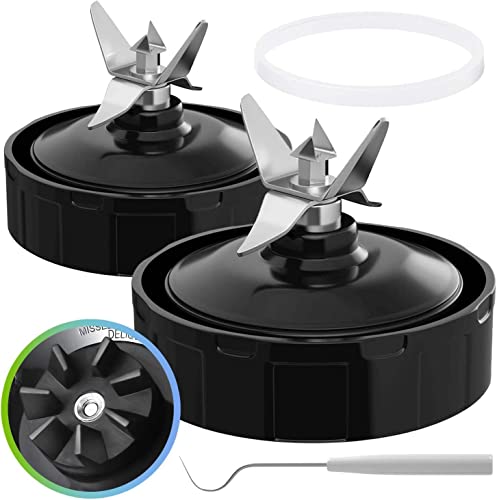
【RELIABLE QUALITY】 7 fins, 4inch"/10cm diameter, 187g/pc, made of BPA-free plastic and food-grade high-strength stainless steel, dishwasher safe. Precision durable and work great. Easy installation and cleaning, well match of original parts

ALL-IN-ONE KITCHEN SYSTEM: Blend, chop, crush and more in this powerhouse blender and food processor combo.

ONE-TOUCH FRESH GROUNDS — The simplest path from whole bean to brewer. Press and hold the single button to activate the stainless steel blades; release it to stop grinding. Adjust the grind by varying the grinding time.
How Pulse Duration and Bean Quantity Shape Grind Texture
When you tweak pulse length and bean amount together, the grind texture shifts predictably: short bursts on a small batch yield a coarse, uneven grind, while longer bursts on the same amount push the particles toward a fine, espresso‑like consistency. Small batches let the blades access each bean, so a 3‑second pulse timing keeps the grind medium‑coarse. Extend the pulse to 5‑8 seconds and you’ll see finer particles, especially if the beans are uniformly sized. Overloading the jar crowds the blades; even a long pulse won’t reach every piece, leaving large fragments. Use 1/4‑1/2 cup for consistent results, and pause between pulses to let the beans redistribute and stay cool. Adjust pulse timing and bean quantity together for precise control. The high‑speed blades can generate heat, which may affect bean oils and flavor extraction if the grinding is too prolonged. A consistent cold brew ratio helps maintain the coffee’s smooth, low‑acid profile when used after grinding. Using a burr grinder can further improve particle uniformity compared to blade grinding.

【ULTRA-QUIET 60dB GRINDING】 Tired of waking up the whole family with a loud morning grind? Our electric coffee grinder features a super silent motor that operates at an average noise level of just 60 dB. Experience a peaceful morning while achieving the perfect grind for your French Press or espresso.

DUAL 2.5-OZ BOWLS: The stainless steel bowl handles tougher ingredients like coffee and nuts, while the plastic bowl is perfect for herbs and spices

Strong Stainless Steel Build - This coffee grinder is made with a high-quality stainless steel and blades that are built to last. Ensuring your fresh coffee beans always taste exactly like they should
Match Grind Size to Your Brewing Method
Because each brewing method extracts flavor differently, you need to match the grind size to the technique you’re using. For espresso, aim for a very fine grind (200‑400 µm) to create the resistance needed for short brew times and high brewing temperature; a Ninja Blender can approximate this, though consistency may lag behind a burr grinder. Drip coffee works best with a medium grind (500‑700 µm) that balances extraction and flow; adjust coarseness if you brew larger batches. Pour‑over benefits from a medium‑to‑medium‑fine grind, slowing the drip and enhancing clarity, especially with single‑serve brewers. French press and cold brew demand coarse particles to avoid sediment and over‑extraction, letting the long steep or immersion process shine. Remember, bean origin influences how quickly flavors dissolve, so fine‑tune grind size alongside brewing temperature for optimal results. Medium grind also works well for a classic Rich over ice. Understanding extraction time helps prevent under‑ or over‑extraction across all methods. Grinding beans close to the brewing equipment preserves aroma by minimizing exposure to air. The grind consistency directly impacts the uniformity of extraction and can be monitored by timing the shot and noting flavor changes.

The Right Grind Every Time: Get the grind you want. Craving espresso? Go fine. Want a regular cup of joe? Medium to coarse is just fine. Choose from 15 settings and 29 micro-adjustments, from fine to coarse.

40mm stainless steel conical burrs: Precision grinding system produces uniform coffee grounds to ensure even extraction for rich, balanced flavor in every cup.
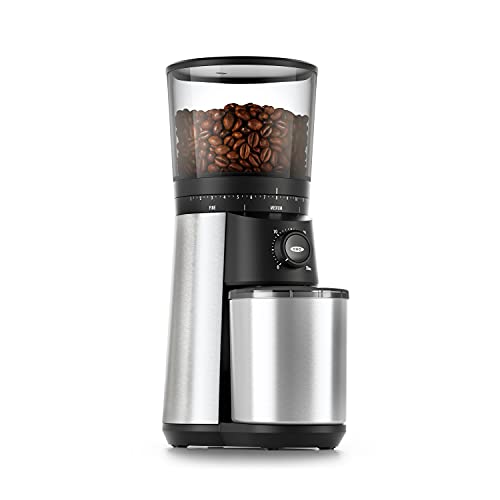
40mm stainless steel conical burrs: Precision grinding system produces uniform coffee grounds to ensure even extraction for rich, balanced flavor in every cup.
Avoid Heat Build‑up, Over‑Grinding, and Uneven Particles
Even a short burst of blending can keep heat low and prevent uneven particles, so work in ¼‑½‑cup batches and pulse for 2‑5 seconds at a time. Small batches limit friction, keeping bean temperature down and preserving grind consistency. After each 2‑5‑second pulse, pause, shake, or tap the jar to pull settled beans back toward the blades. This redistribution stops large chunks from forming and avoids powdery pockets. Inspect the grounds on white paper; if coarse pieces remain, add another short pulse. If the mixture feels warm, let it rest 2‑3 minutes or pre‑cool beans for ten minutes. Quick pauses and frequent checks maintain even particle size, protect oil flavor, and keep your coffee ready for brewing. The Moka pot method also benefits from uniform grind size for optimal extraction. Regular maintenance ensures the grinder stays efficient and extends its lifespan.
Should You Upgrade to Ninja’s Coffee & Spice Grinder?
Considering a Ninja Coffee & Spice Grinder? You’ll get a purpose‑built, 12‑tbsp budget grinder that handles coffee beans, dry spices, and tiny seeds with targeted precision. Its narrow chamber keeps beans close to the blades, delivering more uniform particles than a standard Ninja blender. If you brew daily, the compact size lets you grind just enough for one pot, avoiding waste and excessive countertop clutter. The grinder’s dedicated design supports fine, medium, and coarse settings, which translates to consistent extraction for pour‑over, French press, or espresso. However, if you only grind occasionally or already enjoy acceptable results from your blender, the upgrade may not be necessary. For coffee‑centric kitchens, the specialized grinder offers better control and a more streamlined workflow. Adding nitrogen during the infusion step creates a creamy, cascading foam that mimics café‑style nitro cold brew, and a nitro cold brew system can be set up at home for an extra‑special touch. Uniform particle size is crucial for flavor extraction across brewing methods.
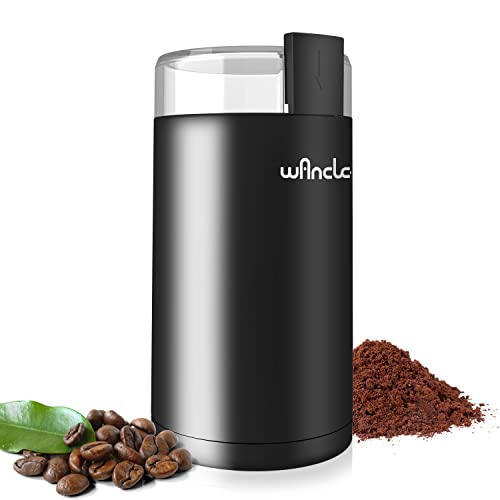
✅【A Secret To Grind Bean Effortlessly】Grinder comes with a pure copper motor and stainless steel blade. Easily observe the grinding situation by a transparent lid, extract the perfect flavor from beans. let you enjoy great coffee in a few seconds.

REDUCE CLUTTER WITH HIDDEN CORD STORAGE: Hideaway cord storage under the base keeps cable neat, concealed when not in use; this small coffee grinder is quieter than leading competitor

Electric coffee bean grinder appliance for home use
Flavor‑Preserving Tips & Extending Your Blender’s Lifespan
If you want to keep coffee flavor bright while using your Ninja blender, grind in short 1‑2‑second pulses and stop frequently to check particle size. Use small batches, tilt the jar between bursts, and keep the jar under‑filled to avoid uneven granules and heat spikes. Grind only what you’ll brew now, then store whole beans airtight to protect volatile compounds. Choose a model with 500‑1000 W power and stainless‑steel blades; short pulses lessen strain, and brief rest periods preserve motor durability. Clean the blender immediately—disassemble, dry, and rinse to prevent oil buildup and odor transfer. Limit grinding to occasional sessions, match grind coarseness to your brew method, and avoid overloading to maintain bean safety and extend your blender’s lifespan. A food processor can produce uneven particle sizes that affect extraction consistency. Flat burrs provide tighter particle distribution for espresso precision.