
You’re right to wonder why some espresso shots taste weak or bitter—grind size, dose, and tamp are the culprits. Use a burr grinder, set a fine, consistent texture for light‑roast beans (think salt‑like), a medium grit for standard roasts, and a slightly coarser setting for dark beans; then tare the portafilter, dose 18‑20 g, tamp with 30‑40 lb pressure, and pull a 20‑30 s shot aiming for a 30‑g yield. If the stream is thin or the crema pale, tighten the grind a couple of clicks; if it’s dark and bitter, back off a bit. Log each setting and taste note, and you’ll quickly dial in perfection—keep going and you’ll uncover more fine‑tuning tricks.
Select the Ideal Espresso Grind for Your Bean Type
You’re probably wondering why the same espresso machine can taste so different with light, medium, or dark beans. The secret lies in bean origin, grind uniformity, and roast‑density pairing. Light‑roast beans from high‑altitude farms need a finer, consistent grind to slow water flow; otherwise you’ll taste sharp sourness. Medium roasts sit near the “standard” grind—salt‑like texture—so a slight tweak changes sweetness, acidity, and body. Dark roasts, being less dense, tolerate a coarser setting that prevents bitterness and choking.
All right, here’s the thing: match grind size to the bean’s density and origin while targeting the desired flavor profile. Record shot time, aim for 25‑30 seconds, and adjust until taste aligns with your goal.
Takeaway: fine‑tune grind uniformity for each bean type, then chase the flavor profile you love. Next, ask yourself which grinder will give you that consistency. Consistent dosage is crucial for repeatable results.
Choosing the right grind size for your brewing method ensures optimal extraction and flavor balance.
A well‑calibrated burr grinder helps maintain the uniform particle size needed for consistent extraction.
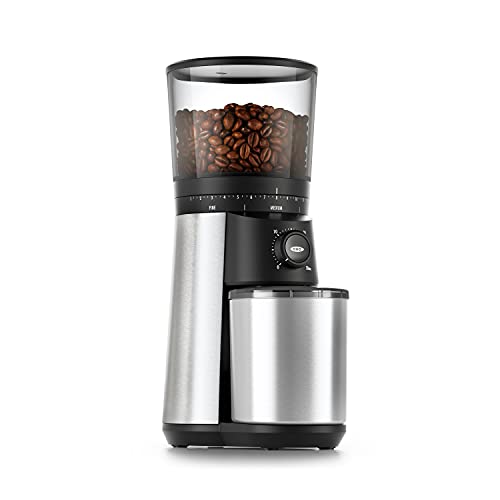
40mm stainless steel conical burrs: Precision grinding system produces uniform coffee grounds to ensure even extraction for rich, balanced flavor in every cup.

40mm stainless steel conical burrs: Precision grinding system produces uniform coffee grounds to ensure even extraction for rich, balanced flavor in every cup.

Slim, powerful grinder with precise settings from fine to coarse, with 15 settings and 29 micro-adjustments
Pick an Espresso‑Specific Burr Grinder for Consistent Grind
What makes an espresso‑specific burr grinder essential for consistency? You’re probably wondering why a generic grinder won’t cut it. The answer lies in burr material and grind retention—high‑quality steel or ceramic burrs crush beans uniformly, while low‑dead‑space chambers keep old grounds out of your shot.
How does burr material matter? Steel burrs stay sharp longer, delivering even particle size; ceramic burrs stay cool, reducing heat‑induced flavor loss. Both minimize fines and boulders that cause channeling. Choose a grinder with a durable burr set to keep your extraction stable.
What about grind retention? Low retention means each dose starts fresh, so you avoid stale carryover that ruins flavor. Look for designs that dump grounds quickly and have minimal dead space. This keeps dose weight consistent shot‑to‑shot.
Takeaway: Pick a grinder with premium burr material and low grind retention, and you’ll lock in repeatable espresso quality. Next, consider how to measure dose and prep your portafilter for flawless shots. The binROC CG202 features a high‑torque low‑noise motor that ensures quiet operation while maintaining consistent grinding power. consistent particle size is crucial for balanced extraction across different brewing methods. Burr grinders also enable precise adjustment of grind size, which is essential for achieving the optimal uniform particle distribution for espresso.

SWITCH BEANS WITH LESS WASTE: Retention as low as 0.1 to 0.2g helps reduce old grounds carrying into your next dose. The detachable magnetic outlet and included knock tool help clear the grinding path, making frequent bean changes cleaner with less coffee left behind.

【Versatile Precision from Espresso to French Press】 Achieve the perfect extraction for any brewing method. With 65 stepless settings and 0.02mm micro-adjustments, this burr coffee grinder gives you absolute control—from rich, syrupy espresso to clean, bright French press and pour-over.
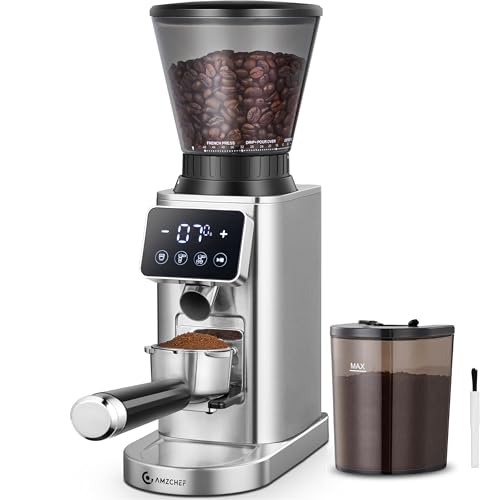
【48 Grind Settings】Easily adjust from fine espresso to coarse French press, pour over, drip coffee, and cold brew for your perfect cup every time
Measure Dose and Prep Portafilter for Consistency
When you wonder why your espresso shots vary, the answer lies in how you dose and prep the portafilter. First, tare the empty portafilter on a digital scale and zero it before grinding. Grind directly into the basket, pausing to watch the weight hit your target—usually 18 g for a double shot, 7‑10 g for a single, 20‑22 g for a triple. This weight‑based approach guarantees dose consistency because volume shifts with grind size and bean density.
Now, level the grounds. Tap the filter, use a distribution tool, or swirl gently to flatten the puck. A smooth surface prevents channeling and lets your tamp press evenly. Record the dose and yield each time; recipe tracking lets you replicate the same baseline shot after shot.
Consistent tamping pressure of 30–40 lb helps maintain uniform flow resistance and extraction balance.
regular cleaning is essential to avoid residue buildup that can affect flavor.
Takeaway: Tare, weigh, level, and log. Ready to test your shot and time it?
A well‑maintained machine ensures stable temperature for each extraction.

SLEEK AND INTUITIVE DESIGN: The Subminimal Subscale boasts a matte black finish with a barely visible capacitive touch on/off switch. Its invisible LED display activates with a simple touch, offering a streamlined and elegant way to weigh your coffee grounds. This modern design elevates your kitchen gadgets while simplifying your brewing experience.

【Ultra Small, Yet Professional】The Espresso Scale is small enough to fit in your palm. It measures 4.13*4.13*0.78 inches and weighs just 0.75 pounds. The coffee scale can work on most espresso machines and small pour-over coffee stands. It's easy to store and carry around, making it perfect for coffee lovers who like outdoor coffee.

【58MM ESPRESSO MACHINE COMPATIBILITY】Designed to work with 58mm espresso portafilters, this dosing cup and scale set provides a secure fit and efficient coffee prep for most home and commercial espresso machines.
Pull a Test Shot and Time It (20‑30 s)
If your test shot isn’t landing in the 20‑30 second window, you’re probably wondering whether the grind is too fine or too coarse. Pull a double shot with a 20 g dose and aim for about 30 g yield. Start the timer the moment water contacts the puck, then watch the temperature flow timing and note the crema color as it shifts from dark to golden‑brown.
Now, observe the stream: a thin, continuous flow that looks like warm honey signals good extraction, while a broken or overly blond stream hints at a problem. The crema should stay thick and golden, not thin and pale.
All right, if the shot finishes early, the grind is likely too fine; if it drags past 30 seconds, it’s probably too coarse. Your next move is to adjust the grind in tiny steps and test again. Dose is the weight of ground coffee in the basket.
A stable brew pressure of around 9 bar helps maintain consistent extraction across different grind sizes. Freshly roasted beans are essential for achieving the optimal flavor profile.
Adding a consistent tamp pressure of 30‑35 psi ensures an even puck, reducing the risk of channeling.
Adjust Grind in Small Steps: Finer or Coarser
How do I tweak the grind without over‑correcting? You’re probably wondering why a tiny turn feels like a big deal. Here’s the thing: espresso grind changes work best in 1–2 click increments, letting you fine‑tune flavor profiling and pressure tweaking without overshooting.
Should I go finer or coarser?
If the shot runs fast or tastes sour, under‑extracted, move the burrs finer—just a couple of clicks. A finer grind slows flow, raises puck resistance, and can add sweetness and body. Conversely, a slow, bitter shot signals over‑extraction; shift coarser to speed the water and soften harsh notes.
How do I know which direction to choose?
Taste the espresso. Sour, sharp notes point to a finer setting; bitter, harsh flavors point to a coarser one. Pair sensory cues with timing, and you’ll see clear cause‑and‑effect.
Takeaway: Adjust in micro‑steps, listen to the cup, and record each setting. Next, you’ll want to test how those grind tweaks affect your tamp and water temperature. Using a burr grinder ensures uniform particle size and consistent extraction. Adding a nitrogen infusion step can further enhance the coffee’s texture and mouthfeel. Proper water temperature is crucial for balancing acidity and sweetness.

38 External Adjustable Grind Settings - Our electric burr coffee grinder delivers 38 adjustable grind settings, from coarse to fine, with precision control for French press to rich espresso shots through direct dial access. Unlike grinders requiring chamber disassembly, our external rotary dial conical burr system allows real-time adjustments while grinding

All-Round Manual Coffee Grinder: NewlukPro hand coffee grinder was constructed with durable aluminum alloy body, has sharp premium SUS 420 hexagonal core, firm double bearing axis and comfortable ergonomic handle. No plastic parts! It grinds coffee beans evenly, saves physical strength and outputs uniformly coffee powder. Our coffee grinder manual is suitable for Pour Over/Drip, Cold brewed coffee, French Press and Espresso. Yes, it can grind beans for espresso
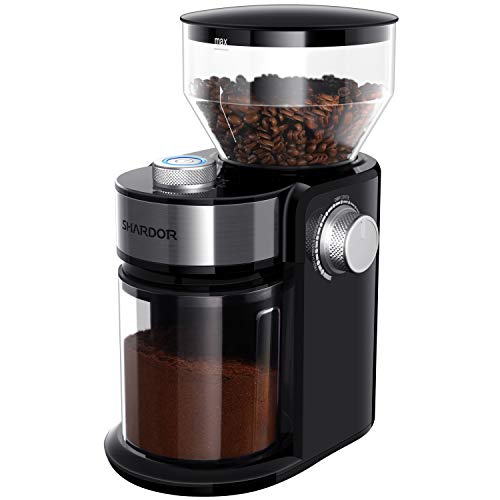
[ UNIFORM BURR GRINDING ] Premium metallic flat burr mill ensures consistent, uniform grounds without burning beans. Perfectly preserves rich coffee aroma for pour-over, drip, and cold brew.
Check and Adjust Espresso Grind Tamp and Water Temp
You’re probably wondering why the same grind can still give you a wildly different shot, and the answer lies in how you tamp and the water temperature you use.
How does tamp pressure affect water taste?
You aim for about 30 lb of force, not a muscle‑torturing crush. A level, even puck gives pressure consistency, preventing channeling that makes the brew taste thin or bitter. After tamping, give the puck a light twist to settle stray grounds—this tiny step can smooth out extraction and improve water taste.
What temperature should I set?
Keep the brew water between 195°F and 205°F, ideally near 200°F. Pre‑heat the portafilter and cup to avoid heat loss; a stable temperature guarantees the coffee extracts evenly, preserving flavor balance.
Takeaway
Consistent tamp pressure and stable water temperature are the twin levers that lock in water taste and pressure consistency. Next, log your dose and yield to see how these tweaks shape your shot. Adding a nine bar pressure setting ensures the extraction is rapid and the crema forms properly.
Choosing the right grinder can make a significant difference in achieving that perfect grind size.Grind size influences extraction rate and flavor balance across brewing methods.
Diagnose Taste Issues and Fix Grind
When your espresso swings between sour and bitter, you’re probably looking at the grind. You notice a sharp lemon bite or a flat, harsh finish, and you wonder why the taste balance feels off. The culprit is usually extraction control—too fast a shot under‑extracts, too slow over‑extracts.
How do I tell if I’m under‑extracting?
If the shot runs 20–25 seconds, the crema is pale, and the body feels thin, you’re likely under‑extracting. Grind finer, slow the flow, and maybe bump the dose a touch. Check the shot time and crema after each tweak. Consistent dose helps isolate grind effects.
What signals over‑extraction?
A long pull, dark dull crema, and bitter, ashy notes point to over‑extraction. Coarser grind shortens the pull; cut the shot earlier if needed. Keep the grind consistent to avoid channeling.
Takeaway: Adjust grind size to bring extraction back into the 25–30 second sweet spot, restoring taste balance. Next, ask yourself: “Is my tamp even enough to support this grind?” Particle uniformity matters because uneven particles can cause channeling and inconsistent extraction. Understanding grind time differences across burr and blade grinders helps you fine‑tune the process and prevent heat buildup that degrades flavor.

40 EXTERNAL ADJUSTABLE GRIND SETTINGS - Unlike traditional grinders with internal adjustments, our manual coffee grinder offers 40 precise external settings. The easy-to-use adjustment ring lets you select your perfect grind level, broadening your coffee flavor options without the mess of stray grounds. Perfect for espresso, pour-over, French press, and more.

Premium 40 Millimeter Stainless Steel Conical Burr: Designed to minimize grinding heat and protect the essential oils in the coffee bean, creating uniform grounds for optimal flavor extraction.

CONSISTENT DAILY GRINDING Designed for home coffee routines, this flat burr grinder helps prepare beans for drip, pour over, french press, cold brew, moka pot, and espresso style drinks. The compact body fits small counters, apartments, office corners, and coffee stations without taking up extra space.
Log Settings for Ongoing Espresso Perfection
Ever wonder why your espresso taste swings despite perfect grind? You’re probably missing a bean log that captures every variable. Start by noting grind step, dose (18‑20 g), yield (36‑42 g), and extraction time (25‑30 s). Add temperature (195‑205 °F), pressure, pre‑infusion, tamp pressure, distribution method, basket, and grinder model.
Now, record date, bean name, roast level, age, and brew ratio. Write taste notes—sweetness, acidity, bitterness, body—alongside flow rate, crema, and channeling. Keep entries uniform so you can compare one‑step adjustments.
All right, review the log after a few shots. Spot drift in grinder performance or temperature stability. Use the bean log to fine‑tune grind settings gradually, preserving successful recipes for each coffee type.
Takeaway: a disciplined shot‑by‑shot log turns guesswork into repeatable perfection. Ready to start logging? Fast‑finishing shot indicates grounds too coarse. Consistent pressure is key for balanced extraction.