
You’re comparing two completely different extraction methods, which is why you’re stuck. Moka pots use ~9 bar pressure to force water through grounds once, delivering espresso-like intensity and syrup-thick body in 4–6 minutes. Percolators cycle boiling water repeatedly over grounds, brewing milder, smoother coffee for larger batches in 3–10 minutes. Neither “brews better”—it depends whether you want concentrated shots or volume. Your grind size, beans, and how you drink coffee determine which wins for you.
Moka Pots vs. Percolators: How They Brew Differently
these two brewers take completely different paths to get water through your grounds, and that difference changes everything about your cup.
With a moka pot, you’re using pressure control—steam builds in the base chamber and forces hot water up through your grounds in a single pass extraction. Once the water’s pushed through, it’s done. You remove heat and you’re finished.
A percolator works through recirculation dynamics instead. Boiling water cycles up a central tube, sprays over your grounds, then drains back down to repeat the cycle. This keeps happening as long as heat stays on.
That one-pass versus repeated-cycling difference fundamentally shapes how strong your coffee gets and how easily it can over-extract. One’s controlled; one’s continuous. The moka pot typically reaches pressures around 8‑9 bar whereas percolators operate at atmospheric pressure. Stovetop brewing showcases how compact devices can deliver espresso‑like intensity without an electric pump. Using a fine grind in a moka pot helps create a richer crema and more balanced extraction.

CRAFT COFFEE AT HOME: Produces six demitasse/espresso servings of rich, smooth espresso coffee in minutes. Craft your own espresso, Americano, Cuban coffee, Italian-style coffee, Moka, lattes, cappuccinos and more from the convenience of your home.Filter type:Reusable

MEDIUM CAPACITY: This stovetop espresso maker brews six cups of rich, full-bodied coffee using traditional Italian moka pot brewing method, forcing hot water through grounds for barista-quality espresso flavor in minutes

Moka Espresso Coffee: Stovetop espresso maker, Moka pot, & manual coffee percolator machine. Available in 3-cup, 6-cup, 9-cup and 12-cup sizes. The stove top percolator makes home espresso like a barista. It's easier to use than an electric espresso machine and makes a rich cup of espresso mocha.3 cup, 6-cup, 9-cup and 12-cup expresso coffee pot, stove top size, food grade aluminum Espresso Moka coffee pot.
Flavor Profiles: Which Device Makes Your Ideal Cup
How much does your brewing method actually shape what’s in your cup? You’re probably wondering why the same beans taste completely different depending on how you brew them—and that’s the right question to ask.
Your moka pot delivers espresso-like intensity with bold, concentrated flavor. The brew temperature and pressure create a denser cup with stronger aroma profile and fuller body. You’ll notice slight bitterness, especially with darker roasts or higher heat.
Your percolator produces milder, smoother coffee instead. Water cycles repeatedly through coarser grounds, building gentler strength without that concentrated punch. The crema texture stays lighter, and your overall cup reads as classic brewed coffee rather than espresso-adjacent.
Your move: What matters more to you—intensity or smoothness? The pressure‑driven extraction of a Moka Pot yields a richer, more concentrated brew compared to the immersion method of a French Press. The gasket seal ensures consistent pressure throughout the brewing cycle. Moka pots typically finish brewing in 4‑6 minutes when using medium‑fine grind and moderate heat.

Venus is the perfect combination of tradition and innovation: the original induction coffee maker that prepares a perfect coffee, with a Made in Italy taste from a pot with a unique design.

The original moka coffee pot: Moka Express is the original stovetop espresso maker, it provides the experience of the real Italian way of preparing a tasteful coffee, its unique shape and the inimitable gentleman with moustache date back to 1933, when Alfonso Bialetti invented it.
Brew Time and Volume: Speed Versus Capacity
Speed matters when you’re rushing, but volume matters when you’re serving a crowd—and your choice between these brewers hinges entirely on which scenario fits your life. You’re probably wondering which one actually gets coffee in your cup faster, and whether one can handle bigger batches.
Moka pots win on brew speed, finishing in just minutes once pressure builds. Percolators take longer—typically 3 to 10 minutes—because water cycles repeatedly through grounds. That extended cycle actually works against you if you’re impatient.
Now here’s where percolators shine: batch capacity. They’re designed for groups, scaling easily from a few cups to massive volumes. Moka pots max out small‑batch brewing for one or two people.
The takeaway: Pick your priority first—speed or volume—then let that guide your equipment. The percolator’s higher caffeine extraction stronger brew compared to the French press. The Aeropress’s low‑acid extraction allows for a smoother taste even when brewing larger volumes. Regular descaling prevents mineral buildup helps keep both machines performing optimally.

RAPID BREWING: Our coffee percolator is designed to brew exceptional coffee, hot and rich, as fast as a cup a minute. The signal light indicates when coffee is ready to serve.

FAST BREWING — The coffee urn takes just 1 minute to brew each cup of delicious hot coffee; so you can serve your guests fast

FAST BREWING — The coffee urn brews coffee fast so you can prepare 45 cups in just 28 minutes.
Why Grind Size Matters to Extraction
Grind size sounds simple until you actually brew with the wrong one—then everything falls apart. You’re essentially controlling how fast water extracts flavor from your coffee grounds, and both percolators and Moka pots demand different approaches.
Here’s the thing: you need a grind uniform enough to create consistent pressure dynamics. Uneven particles cause water to rush through gaps, leaving some grounds under-extracted while others over-steep. That’s why your coffee tastes weak or bitter—rarely both.
For percolators, you want medium-coarse grounds. Too fine, and you’ll choke the flow completely. For Moka pots, go medium-fine instead. The pressure from boiling water needs resistance without blockage.
All right, so which matters more—the brewer or the grind? Honestly, neither works without the other. Get this right first, then worry about everything else. Using a burr grinder ensures a coarse uniform grind that promotes optimal extraction.
Body and Mouthfeel: How Filtration Changes the Cup
Your moka pot passes brew through a metal basket once, then collects it cleanly above. Your percolator? It cycles liquid repeatedly through the grounds. This matters because percolators reintroduce coffee multiple times, pushing more fines and dissolved solids into your cup.
The Texture You’ll Notice
Moka pot coffee lands smoother and thicker—almost syrup-like. You get that espresso-like intensity without true pressure. Percolator brew feels broader and heavier, sometimes rougher when over-extraction kicks in bitterness.
What This Means for Sediment Clarity
Moka pots deliver cleaner finishes with better filtration fineness. Percolators tend toward muddiness because repeated cycling increases dissolved material. You’ll taste the difference: structured versus thick-but-imprecise.
Which texture appeals to you more?
A proper French press often uses a 1 gram‑per‑15 grams coffee‑to‑water ratio for balanced extraction.
Bar‑strength almond milk can be frothing for a richer, more stable foam.
Regular descaling helps prevent mineral buildup that can alter water flow and affect extraction consistency.
Choose a Moka Pot If You Want Concentrated Intensity
If you’ve been reading about moka pots, you’ve probably heard “espresso-like” thrown around—and you’re wondering if that’s actual hype or real. Here’s the thing: it’s not marketing speak. A moka pot delivers genuine concentrated intensity through steam pressure pushing water through finely ground coffee at 1.5–2 bars.
You’re getting a bold, robust cup packed with extracted oils and soluble compounds. A single 3-cup moka pot produces roughly one strong serving (50–60 ml), reinforcing its intensity focus. The brewing completes in 4–6 minutes, preserving that brisk character.
Now, combine this with portable convenience—you’re brewing espresso‑strength coffee anywhere without an expensive machine. Stop the brew when steam surges to avoid bitterness while maintaining power.
Want concentrated intensity without compromise? A moka pot answers that directly. For optimal results, follow the step‑by‑step guide on water chamber preparation to ensure the correct water level and temperature before brewing. The machine’s high‑pressure pump ensures rapid extraction, similar to a Nespresso’s 19‑bar system. Additionally, understanding air injection helps you achieve a smoother foam when pairing the brew with milk.

Electric Moka Pot Espresso Maker, No Stovetop Needed — Brew rich, full-bodied espresso in minutes with a modern electric design—no stove required.

The original moka coffee pot: Moka Express is the original stovetop espresso maker, it provides the experience of the real Italian way of preparing a tasteful coffee, its unique shape and the inimitable gentleman with moustache date back to 1933, when Alfonso Bialetti invented it.Filter type:Reusable

Choose a Percolator If You Prioritize Volume and Smoothness
You’re probably wondering whether you’re sacrificing quality for quantity—and that’s the exact tension a percolator resolves.
You get smooth, full-bodied coffee that scales beautifully. A percolator brews 2 to 12 cups with consistency, cycling hot water through grounds until you hit your desired strength. Larger models handle 40 cups for communal gatherings without breaking a sweat.
Here’s the thing: volume-friendly doesn’t mean weak. Use one tablespoon per five ounces of water, then adjust up or down. Keep the perk gentle—roughly one burble every three to five seconds—and you’ll pull rich extraction without bitterness.
You control everything through timing and heat management. Reduce the flame once perking starts. Remove grounds promptly when done.
Pick a percolator if you’re brewing for groups or want bold coffee that tastes consistent across the entire pot. Regularly descale the machine to prevent mineral buildup that can affect heat transfer and flavor. The high‑pressure extraction of espresso creates a crema‑topped shot, whereas a percolator relies on steady simmering for a smoother finish. Using a burr grinder grinder uniform particle size helps maintain consistent extraction across brewing methods.
![COLETTI Bozeman Percolator Coffee Pot — NO Aluminum or Plastic [12 cup]](https://m.media-amazon.com/images/I/31B4FWqle1S._SL500_.jpg)
NO ALUMINUM, NO PLASTIC — JUST COFFEE – Some things should never change—like the way coffee is meant to taste. Our percolator coffee pot is crafted from pure stainless steel, with no plastic or cheap aluminum. The glass view top lets you watch every drop brew to perfection. Built for any setting, this coffee percolator stovetop is the choice of campers, travelers, and home brewers alike. A stovetop coffee maker that delivers bold, full-bodied flavor, cup after cup.

Large Capacity – 1.9qt / 12 Cups: This electric percolator holds up to 1.9 quarts (12 x 5oz cups). Perfect for brewing coffee or simply boiling water – enough to meet daily needs for a family or small office.
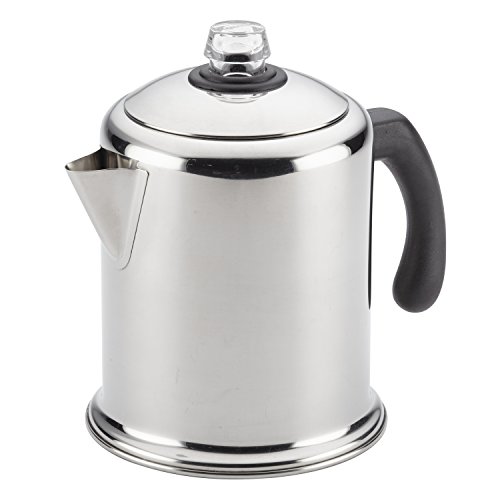
CLASSIC COFFEE MAKER: Make delicious coffee morning or evening with The Original 12-Cup Farberware stovetop coffee percolator
Quick Comparison: Which Brewer Fits Your Needs
By now, you’ve heard that moka pots pull stronger coffee while percolators handle bigger batches—but which one actually belongs in your kitchen?
Here’s the thing: your choice depends on your lifestyle. You want portability and convenience? The moka pot fits in a backpack and brews a concentrated cup in minutes. Need to serve eight people at once? A percolator scales up beautifully without requiring multiple brewing cycles.
Cleanup simplicity matters too. You’ll rinse your moka pot in seconds—just disassemble and rinse. Percolators demand more attention since repeated cycling leaves buildup in hard-to-reach spots.
All right, the real question: are you brewing for yourself or a crowd? Solo drinker seeking bold espresso vibes? Go moka. Hosting gatherings regularly? Pick the percolator. Extraction control can also influence your decision, as the Aeropress offers precise timing and pressure adjustments for nuanced flavor.