
You’re probably wondering why instant espresso sometimes tastes flat, but the trick is simple: use a dry tablespoon of powder, pour 60 ml (2 oz) of 195‑205 °F water, and stir vigorously for 15 seconds—this gives you a strong, balanced shot. Adjust the powder up to 1.5 Tbsp for a richer flavor or cut to 2 tsp for a milder cup, and you can swap the extra water for milk to make a latte or add ice for a cold brew. Now you have a café‑quality drink in minutes, and the next step is tweaking sweeteners or foam to suit your taste.
How to Make Instant Espresso in 3 Simple Steps
You’re probably wondering why making instant espresso feels trickier than it should. It’s not the powder; it’s the espresso bean sourcing and brewing temperature control that matter. Good coffee beans give you richer flavor, and you’ll need water just off the boil—around 195‑205 °F—to extract it without scorching.
How do I measure the right amount?
Grab a dry tablespoon and dump one levelful of instant espresso into your mug. If you prefer a milder sip, drop to two teaspoons. Consistency comes from measuring, not guessing.
What water should I use?
Pour 2 oz (≈60 ml) of hot water over the powder. Aim for that just‑off‑boil range; boiling water burns the delicate notes and ruins the mouthfeel.
How do I finish it?
Stir vigorously for 15 seconds until no granules remain. A smooth, dark liquid signals full dissolution. Serve immediately for the best flavor punch.
*Takeaway:* Precise measurement, proper water temperature, and quick stirring give you a solid espresso base. Next, you’ll wonder how to adjust the instant‑to‑water ratio for your taste. Adding a coarse grind step before mixing can improve flavor extraction.
Choosing the correct espresso cup size helps ensure the final drink matches traditional serving volumes.
Pick the Perfect Instant Espresso‑to‑Water Ratio for Your Taste
If you’re stuck wondering how much powder to water makes the “just‑right” espresso, you’ve hit the right spot.
What fl ratio options match your taste preferences?
You can start with 1 Tbsp powder to 2 oz water for a strong, punchy shot. If you prefer a milder sip, try 2 tsp to 2 oz water; that’s a mellow option. For a balanced double‑shot, use 1.5 – 2 Tbsp with 2 – 3 oz water.
How does water amount shift flavor?
Less water concentrates the brew, giving you espresso‑like intensity. More water dilutes it, creating a smoother, less bitter cup. Think of it like seasoning a stew—add a little, and it’s subtle; add a lot, and it’s bold. Proper grind size is essential for consistent extraction and flavor.
A consistent temperature helps ensure the coffee extracts evenly.
Coffee‑to‑water ratio can be adjusted based on press size to maintain balance.
Takeaway
Pick the ratio that fits your taste preferences, then adjust water to fine‑tune strength. Next, decide whether you’ll keep it as a pure shot or stretch it into an Americano.
Choosing the right grind consistency ensures optimal surface area for extraction.

CAFÉ-QUALITY ESPRESSO Experience the rich flavor of NESCAFÉ Gold Espresso Vanilla Flavored Instant Coffee with café-style crema for a velvety, smooth taste SNAP and EBT item in eligible states

Nescafe instant coffee packets Espresso

INSTANT COFFEE THAT DOESN’T TASTE LIKE IT: When you need that coffee boost quickly, choose Mount Hagen’s instant espresso. Our advanced freeze-drying process retains the true coffee flavors and aromas of the fresh Arabica beans, resulting in a wonderfully smooth drink with a rich, full-bodied taste and silky crema. Plus, our instant espresso coffee dissolves beautifully in cold water, milk or milk substitutes for instant iced coffee.
Prepare an Instant Espresso Americano or Latte in Two Easy Steps
How do you turn instant espresso into a smooth Americano or a creamy latte in just two steps? You’re probably wondering why the process feels different for each drink. The answer is simple: you start with a concentrated espresso base, then add the right liquid.
What’s the first step?
Mix 1–2 teaspoons of instant espresso with 60 ml of hot (not boiling) water. Stir vigorously until the granules dissolve completely, avoiding any gritty texture. This creates the espresso foam foundation for both drinks.
What’s the second step?
For an Americano, top the base with another 120 ml of hot water and give it a quick stir. For a latte, replace that water with 120 ml of hot milk, then use milk frothing to generate a silky layer of espresso foam.
Takeaway: Two steps—base, then liquid—let you switch between Americano and latte effortlessly. Ready to explore hot, iced, and sweetened variations next?
A proper reset can also improve the machine’s performance, especially after descaling to remove mineral buildup. Using a standard coffee scoop ensures consistent coffee strength across batches. Regular maintenance helps prevent mineral buildup that can affect flavor and machine longevity.
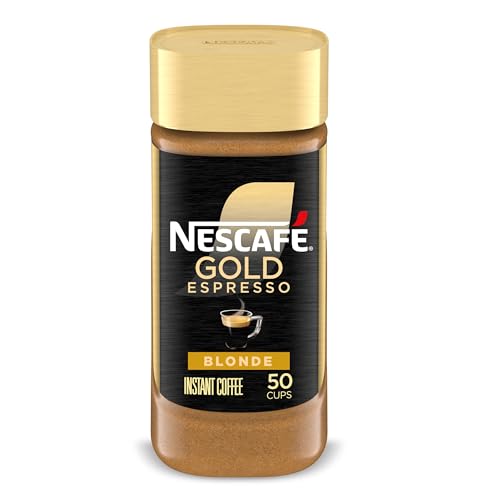
CAFÉ-QUALITY ESPRESSO: Experience the rich flavor of NESCAFÉ Gold Espresso Blonde with café-style crema for a velvety, smooth taste
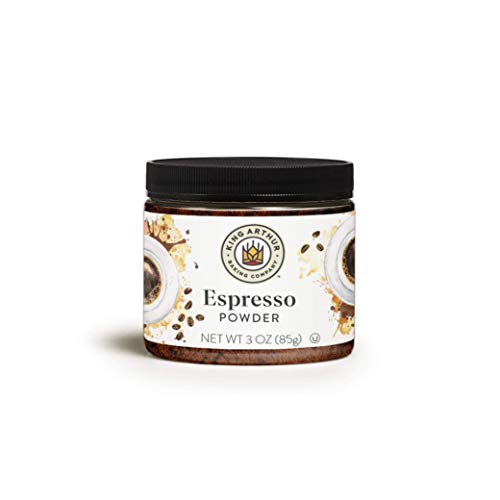
Flavor Enhancer: Intensify your chocolate recipes with this premium espresso powder, adding depth and richness to brownies, cookies, and cakes without imparting a coffee taste. Perfect for elevating your baking extracts and flavorings collection
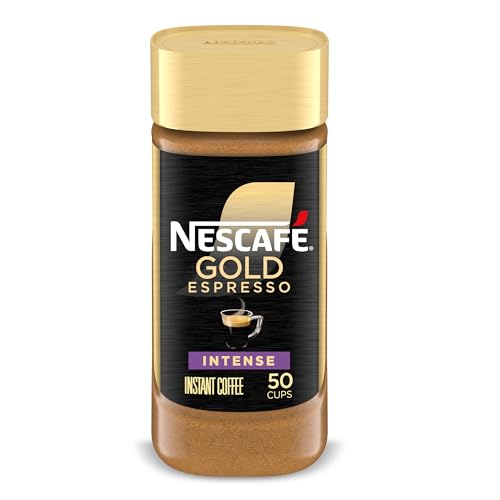
CAFÉ-QUALITY ESPRESSO: Experience the intense, rich flavor of NESCAFÉ Gold Espresso Intense with café-style crema for a velvety, smooth taste
Create Hot, Iced, and Sweetened Instant Espresso Drinks
What’s the fastest way to get a hot espresso?
Use 1 Tbsp powder and 4‑5 oz boiling water, stir until smooth. Adjust brewing temperature if you prefer a lighter 2‑oz shot. Add milk or keep it straight for a classic feel. Takeaway: hot drinks need hot water for full flavor.
How do you turn that into a revitalizing iced drink?
Dissolve the same powder in a splash of hot water, then shake with ice in a jar. Fresh ice preserves flavor, and you can strain for a clean texture. Takeaway: start hot, finish cold.
Which sweeteners pair best with espresso?
Mix brown‑sugar syrup, honey, or vanilla‑infused agave into the hot base before cooling. Flavor pairing like cinnamon or caramel enhances the bitterness. Takeaway: sweeten while hot for even distribution.
Now you know the basics—what’s your next espresso experiment?
regular maintenance of your machine helps prevent mineral buildup that can affect flavor.
A properly calibrated tamping pressure ensures even extraction and a richer crema.
A properly sized water‑to‑coffee ratio is essential for balanced extraction.
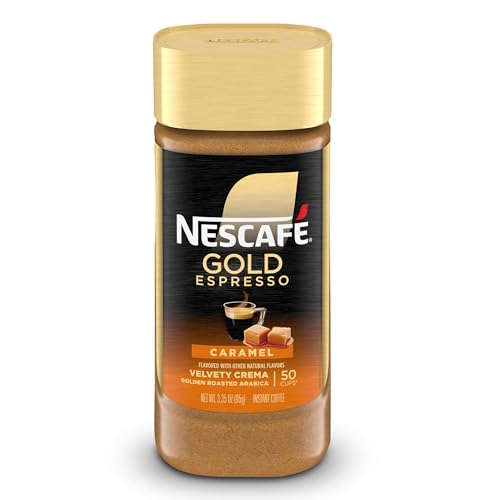
CAFÉ-QUALITY ESPRESSO Experience the rich flavor of NESCAFÉ Gold Espresso Caramel Flavored Instant Coffee with café-style crema for a velvety, smooth taste SNAP and EBT item in eligible states

Contains one (1) 7.05 ounce jar of Café Bustelo espresso-style dark roast instant coffee

25-count instant espresso sticks
Boost Strength, Sweetness, and Creaminess With Simple Add‑Ins
You’re probably wondering how to turn that basic espresso into a drink that hits just the right strength, sweetness, and creaminess. Adjust the coffee‑to‑water ratio first: a tablespoon of instant powder with two ounces of hot water gives a bold shot, while adding a splash of water softens bitterness.
What sweeteners work best? Honey adds floral notes, maple syrup brings caramel depth, and stevia offers sugar‑free sweetness. Mix them in before stirring so the flavor pairing stays even throughout the cup.
How do you boost creaminess? Warm milk, cream, or plant‑based alternatives at a 50:50 ratio create a smooth base. Froth the milk for texture layering; microfoam adds a velvety mouthfeel that mimics a café latte. Using barista‑style almond milk can enhance the foam’s stability and richness.
Takeaway: tweak ratio, choose a sweetener, and finish with frothed milk for a balanced, rich espresso. Next, explore how to fix common issues and perfect your instant brew. Using a paper towel as a makeshift filter can help remove fine grounds if you’re brewing with a French press. A proper brew ratio ensures consistent extraction and flavor balance.
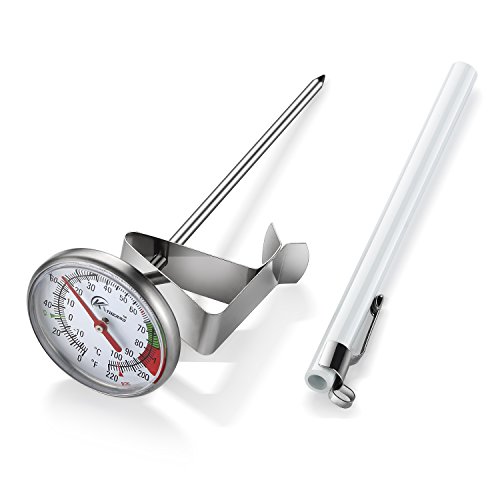
DESIGN:Multi-stage design of the fixed clip, adjust the thermometer read the location of the disk surface to facilitate observation of the temperature of the bubble.


4 Functions: Cold foam, light warm foam, dense warm foam, or simply warm up your milk, all in one stunning barista-quality appliance.
Fix Common Issues and Perfect Your Instant Espresso
All right, you’re probably wondering why your instant espresso sometimes tastes flat, bitter, or watery. The culprit is often water quality; hard or unfiltered water dulls flavor and thins crema texture. Start with filtered hot water at 90‑95 °C, measure 7 g of granules per 150 ml, and stir until no particles remain—this avoids gritty mouthfeel and guarantees proper dissolution.
Why does bitterness appear? Over‑extraction isn’t possible with instant coffee, but using too much powder or cold water can leave a harsh, a‑like aftertaste. Reduce the dose by 10 % or heat the water a few degrees more, then stir vigorously.
What about a thin, foamy surface? Instant espresso can’t generate true crema, but a balanced ratio gives a richer mouthfeel. If the foam looks watery, add a splash of hot water, then whisk quickly to create a denser crema texture.
Takeaway: Clean, filtered water, precise dosing, and thorough stirring fix most issues. Next, experiment with a single variable—water temperature or powder amount—to fine‑tune your perfect cup. Adjusting the grind size can also influence extraction speed and flavor balance.
Regularly descaling your machine with a proper descaling solution helps maintain optimal temperature stability, which is crucial for consistent instant espresso quality. Adding mineral buildup prevention through regular descaling extends the life of your equipment and ensures consistent brewing performance.
The Nespresso system’s 19‑bar pressure is key to extracting rich espresso quickly.

The BPA-free Everyday water pitcher with filter holds 10 cups of water, enough to fill 3 24-ounce reusable water bottles; Product reservoir and lid may vary

[Replacement filters] Need filters for PT-07? Search for PF-01A or ASIN B086ZPR3WM on Amazon. Choose genuine Waterdrop filters for a precise fit and reliable performance. Please confirm your model before ordering

SUITABLE FOR MOST OF BREVILLE MACHINES - Well -designed for all Breville machine models: BES980XL, BES920XL, BES900XL, BES860XL, BES870XL and BES840XL infuser espresso machine, BKC600XL and BKC700XL gourmet single cup brewer