
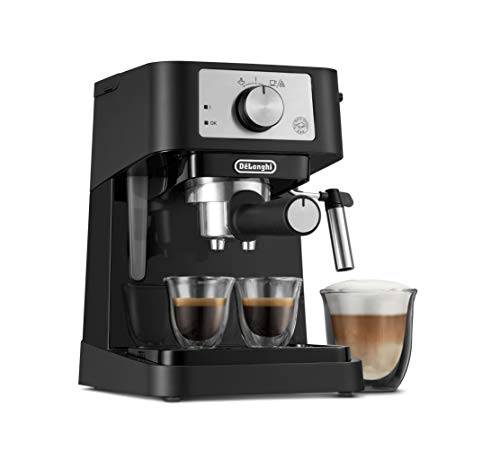
You’re probably wondering if the extra cost of a Breville really buys you better espresso or if a DeLonghi’s slim, one‑touch design is enough for daily coffee. Here’s the thing: Breville’s PID keeps water within ±1 °C, gives you 30–40 lb tamp pressure, and lets you fine‑tune grind and dose, which translates to consistent shots and richer flavor, especially when you use a quality grinder. DeLonghi’s thermoblock heats fast and its panarello wand makes foam quick and decent, but temperature can drift a few degrees and pressurized baskets hide grind flaws. If you love tweaking and want café‑grade control, Breville wins; if you need a compact, hassle‑free machine for quick caffeine, DeLonghi fits. Next, you’ll see how size, build, and price play into the decision.
What Espresso Priorities Matter Most for a Breville vs DeLonghi Decision?
What espresso priorities should you weigh when choosing Breville or DeLonghi? You’re torn between perfect espresso control and a hassle‑free routine, so let’s untangle it.
How much control do you want?
If you love tweaking grind, dose, and tamp, Breville’s semi‑automatic line rewards that effort. You’ll face a steeper user learning curve, but the payoff is nuanced espresso and richer milk texture. DeLonghi’s automatic models keep the curve shallow; you press a button and get a decent shot, which feels like a coffee‑shop shortcut.
What matters for milk drinks?
Breville lets you sculpt foam, giving latte art‑ready texture. DeLonghi’s frother prioritizes speed and consistency, ideal for quick cappuccinos.
What about budget and reliability?
DeLonghi usually costs less and scores higher on brand reliability, while Breville edges ahead on performance‑for‑price and long‑term ownership satisfaction.
Takeaway: Choose Breville if you crave hands‑on mastery and premium milk texture; pick DeLonghi if you value workflow simplicity, lower price, and dependable reliability.
Now, ask yourself: Which factor will dominate your daily coffee ritual?
The integrated grinder on Breville offers 16 settings and a removable hopper for easy cleaning.
A consistent tamping pressure of 30–40 lb is crucial for balanced extraction.
The boiler temperature must stay within a narrow range to ensure proper extraction and crema formation.
Regular descaling prevents mineral buildup that can impair temperature stability and flavor.

190℉–201℉ Precision Temperature Control- Adjust brewing temperature from 190℉ to 201℉ to match different coffee beans and roast levels. Achieve balanced espresso with rich chocolate notes or bright fruity acidity—just like a professional barista.

BE YOUR OWN BARISTA: Café-quality espresso shouldn't require a PhD. The Ninja Luxe Cafe Pro is a 4-in-1 machine designed to take the guesswork out of every latte, cappuccino, cold brew, and cup of coffee. Perfect for beginning espresso enthusiasts and anyone looking for a great, dialed-in cup of coffee with practically zero effort.

Make Your Favorite Espresso Coffee At Home: The CASABREWS coffee machine with milk frother allows you to prepare all your favorite espresso-based coffees. You can enjoy a barista-brewed latte, cappuccino or macchiato at home. Stainless steel appearance, stylish and durable, ideal for any size kitchen. This compact espresso coffee maker is perfect for home or office use
How Do Breville and DeLonghi Control Brew Temperature and Extraction Consistency?
You’re probably wondering how each brand actually keeps the water at the right temperature and why that matters for shot consistency.
How does PID precision compare to thermoblock speed?
Breville leans on PID precision, constantly adjusting heating elements to within ±1 °C, so your brew stays steady from the first to the last shot. DeLonghi relies on thermoblock speed, heating water in seconds but letting temperature drift a few degrees between extractions. The result? Breville offers tighter control; DeLonghi gives quick start‑up.
What role does pre‑inusion and pressure control play?
Both brands use pre‑inusion, but Breville programs low‑pressure saturation for a few seconds, smoothing out channeling. DeLonghi’s bloom function is similar yet less programmable, so pressure control can feel broader. Consistent pressure plus stable temperature means less flavor swing.
Takeaway
If you crave repeatable shots, prioritize PID and fine‑tuned pre‑inusion. If speed matters more, thermoblock speed wins. Next, compare how each machine froths milk. The grinder offers 25 settings for precise dosing. Regularly descale the machine to prevent mineral buildup and maintain optimal performance. Proper daily rinsing of the portafilter also helps keep the brew group clean. Understanding the boiler’s role is essential for maintaining temperature stability.
Which Brand Offers Better Milk‑Frothing Flexibility?
How flexible does your milk‑frothing really need to be? If you crave latte‑art‑grade microfoam, Breville gives you stronger steam, finer texture control, and both manual wands and the Bambino Plus’s automatic settings. You’ll feel the difference in foam milkro consistency—Breville’s pressure creates silky, stable foam that repeats across drinks.
Now, if you prefer a hands‑off approach, De’Longhi’s panarello‑style wands and Dedica Maestro Plus’s assisted mode let you get decent foam with minimal technique. The brand’s temperature presets simplify everyday cappuccinos, but the steam power isn’t as punchy, so texture control can be less precise.
All right, the takeaway: choose Breville for control‑heavy frothing, De’Longhi for convenience‑first ease. Next, compare each model’s size and build quality to see which fits your kitchen.
Delonghi reaches steam pressure in 10‑15 s thanks to its dedicated thermal block.
A well‑designed frother uses air injection to create a velvety foam texture.
Milk frothing temperature also influences foam stability, with slightly cooler milk yielding a creamier micro‑foam.shaking milk in a jar can also produce a quick froth when you’re short on equipment.

#1 Worldwide Espresso Machine Maker* *Independent Research Institute, Sales Leader, Full Year 2025

#1 Worldwide Espresso Machine Maker* *Independent Research Institute, Sales Leader, Full Year 2025

Café-Quality Espresso with PID Temperature Control:Enjoy rich, balanced coffee at home with this advanced espresso machine. Featuring PID temperature control and low-pressure pre-infusion technology, this espresso coffee machine maintains precise brewing temperature for consistent extraction, helping deliver rich crema, smooth flavor, and café-style results in every cup. Whether you are a beginner or a coffee enthusiast, enjoy professional-quality espresso with confidence
How Do Size and Build Quality Compare Between Breville and DeLonghi?
You’re probably wondering whether the extra steam power you liked in Breville means you also have to sacrifice countertop space. The short answer: Breville’s larger prosumer models, like the Oracle series, demand a bigger counter footprint, while DeLonghi’s Dedica and Bambino stay slim enough for tight kitchens.
How does size affect you?
Now, compact DeLonghi units share depth and height with Breville’s Bambino, but the brand’s mid‑range line stays tighter overall. Breville’s bigger machines pack dual boilers and bigger reservoirs, adding height and width.
What about build quality?
Obviously, Breville leans on brushed stainless steel and commercial‑grade components, giving a premium aesthetics and sturdier feel. DeLonghi uses more plastic in entry‑level models, though higher tiers become solid and heavy—like the 29‑lb Opera versus the 23.7‑lb Barista Express Impress.
Takeaway
If you prioritize a sleek, premium look and can spare space, Breville wins. If you need a tiny counter footprint, DeLonghi’s compact line is the safer bet. Next, compare milk‑frothing flexibility to see which brand matches your latte habits. Nespresso’s proprietary capsule system ensures consistent flavor and freshness with minimal effort. Proper regular descaling helps maintain optimal performance and longevity. consistent pressure is crucial for achieving true espresso crema.

READY IN 3 SECONDS: No boiler warm-up, no standing around. This espresso machine hits brewing temperature in just 3 seconds, so your shot is ready when you are. As a coffee maker built for busy mornings, it gives you café-style espresso without the wait—perfect for quick office breaks or anyone who wants a fast coffee machine at home.
Includes Portafilter, measuring scoop/tamper and two filters for single or double espresso

【20 Bar Pro-Pump】This 2-in-1 semi-automatic expresso coffee machines features a 20 bar high-pressure pump and a visible pressure gauge, delivers consistent stable pressure to fully penetrate the coffee puck, ensures produces balanced acidity and bitterness, rich creamy crema, and an ultra-smooth coffee. Let you make café-style espresso and latte effortlessly at home.
Bambino Plus vs. Dedica – Feature‑by‑Feature Comparison
If you’re stuck wondering whether the Bambino Plus or the Dedica will give you the espresso you crave, you’ve asked the right question.
Which heats up faster?
The Bambino Plus reaches brew temperature in about three seconds, while the Dedica needs roughly forty. That speed lets you pull a shot in minutes morning without waiting.
How do they handle milk?
Bambino Plus offers a manual wand that creates silky micro‑foam for latte art; the Dedica’s Panarello wand is easier for casual frothing but less precise.
What about portafilter size and grind sensitivity?
Bambino Plus uses a 54 mm portafilter, giving a larger basket for even extraction and rewarding a quality grinder. The Dedica’s 51 mm portafilter works best with pressurized baskets, masking grind inconsistency. Using a consistent fine grind helps both machines achieve optimal extraction.
Takeaway: If you value rapid heating, superior milk texture, and fine‑tuned extraction, the Bambino Plus wins. If you prefer a slower, more forgiving setup with pressurized baskets, the Dedica fits.
Next step: Test both with your preferred coffee beans and see which workflow feels right. Pre‑infusion is longer on the Dedica, providing a gentler extraction start. Regularly descaling your machine, like a Nespresso Vertuo does, helps maintain optimal temperature stability. Proper tamping pressure ensures consistent extraction across different beans.

【Espresso Machine with Milk Cold Hot Milk Frother】:Upgrade your home coffee experience with a powerful espresso machine with milk frother. The built-in automatic system creates rich hot or cold foam for latte and cappuccino, delivering barista-quality drinks without manual effort. Detachable design for easy cleaning.

Espresso Machine with Flashheat Technology: The CASABREWS 5418PRO espresso maker delivers professional-grade speed for enthusiasts. Its innovative heating system achieves the perfect brewing temperature in under 5 seconds. Crafted with stainless steel and thermal-ceramic components, this espresso machine ensures even heat distribution, precise temperature control, and energy-efficient operation in a sleek design, ideal for busy mornings.

【20-Bar Professional Pump & Pre-Soak Tech】Espresso Maker with 20-bar professional pump and 1350W powerful motor gives you top quality extraction, resulting in a more fragrant and rich aroma. You can create an latte, cappuccino, or Americano at home or office with our stainless steel espresso maker. Brew program will pre-infuse the ground coffee first, and control the amount of water flow precisely, it ensures a good flavor of espresso coffee.
Breville vs DeLonghi Price‑to‑Feature Value: Does the Higher Cost Pay Off?
Why wonder if the higher Breville price really earns you more? You’re right to question price vs. durability and warranty vs. service. Breville’s $600‑$800 models cost 20‑40 % more than comparable De’Longhi units, but they deliver PID temperature control, ThermoJet heat‑up in 3‑5 seconds, and tighter shot consistency—features that matter if you chase café‑grade espresso. De’Longhi’s $150‑$500 entry line offers easier learning curves and simpler maintenance, which can feel like better value for casual drinkers.
Now, think about long‑term ownership. Breville’s sturdier build often translates to longer life, while De’Longhi’s broader warranty coverage can reduce service headaches. Properly pre‑heating the machine ensures stable temperature before each shot, enhancing extraction quality. Regular group head flushing prevents coffee oil buildup that can alter flavor and damage components.
All right, the takeaway: if you prioritize speed, control, and durability, the extra cost pays off; if you value convenience and lower upfront spend, De’Longhi wins. Next, compare specific models to see which aligns with your routine. Adding a nitro infusion step can further showcase how temperature stability impacts flavor texture.

ANTI-STATIC GRINDER FOR FRESH ESPRESSO EVERY TIME — This espresso machine with grinder uses an anti-static design to reduce clumping and scattering, keeping your countertop clean. The precision grinder with 45 grind settings delivers consistent grounds shot after shot, even with oily dark roasts. Say goodbye to stuck chutes and wasted beans — just fresh, perfectly ground coffee every time you brew.
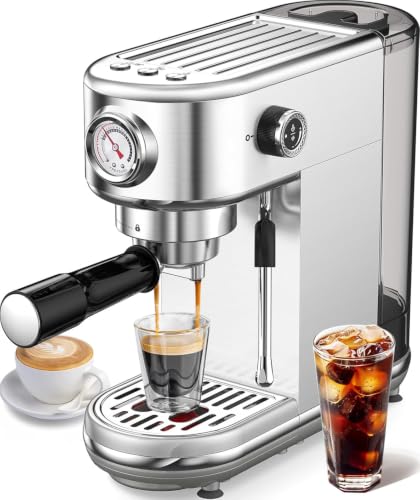
20 Bar Professional Pump – Café-Quality Extraction: Powered by a 20 bar pump with precise 9 bar extraction pressure, this espresso machine delivers rich crema and full-bodied flavor in every shot. NTC + PID temperature control keeps water stable at 198°F (92°C) – never sour, never bitter.

Fast Morning Routine: A 1400W single boiler in this espresso machine preheats water in just 45 seconds. Combined with professional pre-infusion, this rapid heat-up lets busy professionals pull back-to-back shots and extract rich crema effortlessly on rushed mornings. Skip long lines at coffee shops and grab your perfect daily espresso right before heading out the door.
Which Brand Should You Choose? A Decision‑Matrix Guide
How do you decide between Breville and De’Longhi when you’re still figuring out your espresso game? You’re confused about control versus convenience, so let’s break it down.
What matters most for you?
If you love tweaking grind, dose, and temperature, Breville’s PID and sturdy build give steady extraction. De’Longhi’s presets and one‑touch recipes cut the learning curve.
How much space do you have?
De’Longhi’s compact housings fit tight counters; Breville’s Bambino line stays small too, but larger models need more room.
What about upkeep?
Breville often requires more manual cleaning, yet its parts are widely available. De’Longhi scores on maintenance ease and usually offers longer warranty length.
Community and reputation?
Both brands boast strong user communities, but Breville’s reputation for performance draws hobbyists, while De’Longhi’s reliability attracts busy households.
Takeaway
Match your priority—control or simplicity—to the brand that aligns with your kitchen size, maintenance willingness, and community support.
Next step
Ask yourself: Do I want to experiment daily or just press a button? Your answer guides the final pick. For optimal flavor, consider using a burr grinder to achieve consistent particle size. Adding a conical burr grinder can further improve extraction uniformity.