
You’re right to wonder if pre‑ground coffee will work in your espresso machine—yes, it can, especially with a pressurized basket. Use about 6 g for a 2‑oz shot, tamp lightly, and expect a thinner body and less crema because the grind isn’t as fine as fresh beans. The trade‑off is convenience over peak flavor, and if you keep the dose right and the basket sealed, you’ll still get a recognizable espresso. Next, you’ll see how grind size and freshness affect the result.
Yes – Espresso‑Style Pre‑Ground Coffee Can Work (and How to Make It Work)
If you’ve ever wondered whether a bag of “espresso‑grind” coffee can replace fresh beans, you’re not alone—many home baristas face this exact dilemma.
You can use espresso‑style pre‑ground coffee, but treat it like a shortcut, not a perfect swap. The grind is already fine enough for pressure extraction, so you skip the grinder alternatives and head straight to the portafilter.
Now, dose matters. Aim for 18–20 g for a double shot, distribute evenly, and tamp firmly. A pressurized basket forgives a little coarseness, but a non‑pressurized one still needs that uniform puck.
Here’s the thing: freshness drives espresso crema. Open a fresh bag, store it airtight, and use it within a few days. The crema will be thinner than with beans, but you’ll still get a decent shot.
Takeaway: Pre‑ground espresso works if you dose right, tamp well, and respect storage limits. Next, ask yourself how fine your grind should be for your machine.
A consistent grind size boosts extraction and reduces channeling.
Choosing the right grinder type *optimizes particle distribution* for consistent extraction.
Proper water temperature ensures optimal extraction and prevents under‑extraction.
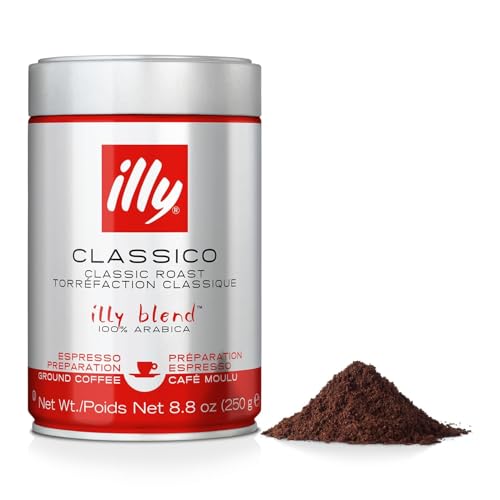
Medium roast - 100% sustainably-grown arabica coffee beans for a smooth, perfectly balanced taste

AUTHENTIC ESPRESSO FLAVOR: Bold, rich, and velvety blend with toasted notes, delivering a full-bodied taste that stands out even when adding milk or sugar.

LAVAZZA ESPRESSO: A 20 oz ground coffee bag ideal for espresso and drip preparation. (Pack of 1)
What Grind Size Does an Espresso Machine Actually Need?
You’re probably wondering why espresso machines demand a grind that looks more like powdered sugar than regular coffee grounds. The answer lies in brew‑size calibration and pressure‑flow dynamics. A fine or superfine grind—roughly 180‑400 microns—creates enough resistance for the 9‑bar pump to push water through in 20‑30 seconds, extracting flavor evenly and forming crema.
Now, think of the coffee bed as a filter. If the particles are too coarse, water rushes, the shot runs fast, and you get a weak, sour taste. If they’re too fine, the flow chokes, the shot drags, and bitterness appears. All right, start near the fine end of the range, then adjust in tiny steps, watching the flow and timing.
Takeaway: Aim for a 200‑380 micron grind, tweak until your shot pulls steadily for about 25 seconds, then enjoy a balanced espresso. Next, ask yourself how fresh beans affect that perfect grind. A consistent grind size also helps prevent channeling and ensures even extraction. Proper tamping pressure further stabilizes flow and resistance.
How Freshness Impacts Espresso Pre‑Ground Coffee Flavor & Crema?
Why does fresh ground coffee taste so much better than pre‑ground? You’re probably wondering if the difference is just hype. The truth is that grinding shatters bean protection, exposing a massive surface to oxygen. Oxidation impact starts instantly, causing volatile loss and aroma loss within minutes. That rapid oxidation leads to flavor flattening and a bitterness increase, while CO₂ retention drops, so crema decay speeds up and brew retention suffers.
All right, think of pre‑ground espresso like a sliced apple—once cut, it browns and loses juice. The same happens to coffee: CO₂ escapes, crema thins, and the espresso looks flat. Storage timing matters; even airtight bags only slow the process.
Here’s the thing: if you open a bag and wait a week, you’ll notice a noticeable drop in crema richness and a duller cup. The longer you wait, the more the aromatic compounds evaporate, and the more the crema fades.
Takeaway: freshness fuels flavor and crema. For the best espresso, grind just before brewing or use pre‑ground coffee within a few days of opening. Next, you might wonder which basket type handles pre‑ground coffee best. Using the proper dose and pressure settings can also mitigate some of the quality loss from pre‑ground beans. Regularly descale the machine to prevent mineral buildup that can further dull the flavor. The particle size of the grind directly influences extraction efficiency and consistency across brewing methods.
Pressurized vs. Non‑Pressurized Baskets: Which One Handles Pre‑Ground Espresso Better?
Pressurized basket: why it’s forgiving
A pressurized basket uses a second wall to create artificial resistance, so even uneven pre‑ground coffee can still flow and produce crema. You’ll notice more consistency from shot to shot because the design compensates for grind variations, dose errors, and light tamping.
Non‑pressurized basket: when you crave extraction control
A non‑pressurized basket relies on a single wall and the puck’s resistance, demanding a fine, even grind. With pre‑ground coffee you’ll likely see weak pressure, poor crema, and unpredictable flavor. But if you grind fresh beans, you gain full extraction control and richer complexity.
Takeaway
For pre‑ground coffee, the pressurized basket is your best bet for a reliable, crema‑rich espresso. If you later switch to freshly ground beans, consider swapping to a non‑pressurized basket for deeper flavor control.
Next step
Do you have a dual‑wall portafilter you can swap, or will you stick with one basket type?
A nitrogen charger can also be used to create a similar creamy texture in other coffee preparations.
A proper tamp applying 30‑35 psi ensures even extraction, which is especially important when using pre‑ground coffee.

Ultra‑fine Filter Mesh: Effective filtration espresso powder, get smooth and intense espresso or coffee taste more. Coffee filter separator, good filtration, brew your favourite coffee. Let you enjoy a delicious cup of coffee at your leisure.

【Compatibility】Fits most 51mm portafilters like Gevi/CASABREWS/CAPRESSO/Gourmia/Mr. Coffee/Farberware etc. *Not compatible with Delonghi original portafilter.*
How to Brew Espresso With Pre‑Ground Coffee – a Step‑By‑Step Guide
You’re probably wondering why your pre‑ground beans feel like a weak espresso, and that’s a fair question. First, grab a pressurized basket; it’s forgiving of the coarse grind. Measure a slightly reduced espresso‑dose calibration—about 6 g for a 2‑oz shot—then spread the grounds evenly.
The Chemex paper filter helps achieve a clean, balanced extraction by removing fine particles.
All right, tamp with pressure‑adjusted tamping, applying firm, level pressure for a smooth puck. Lock the portafilter and start extraction within seconds to limit flavor loss. Expect a thinner body and muted crema, but you’ll still get a recognizable espresso.
Takeaway: Use a pressurized basket, calibrate the dose, and tamp firmly. Next, test the shot time and adjust the dose if it runs too fast.
Pressurized basket allows for consistent flow despite coarser grounds.
A standard demitasse cup holds roughly 2 oz (60 ml) of espresso.
Regular maintenance helps prevent clogs and ensures optimal pressure.
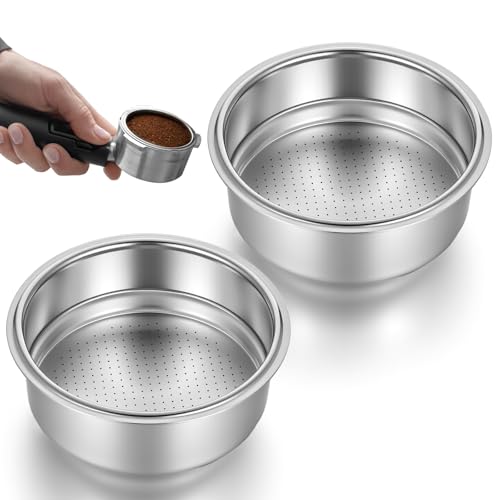
【2 Cups and 1 Cup Capacity Set】This set includes two filter bowls for 51mm high-pressure coffee machines, allowing you to brew both single cup and double cup servings. Holds 8g of coffee grounds (1 cup capacity) and holds16g of coffee grounds (2 cups capacity) in this 51mm basket. The pressurized espresso machine filter optimizes extraction for smoother, less acidic espresso compared to standard baskets.

PRECISE COMPATIBILITY: 51 mm portafilters cup for Gevi, CASABREWS and CAPRESSO espresso machines; eliminates the hassle of mismatched parts and ensures stable installation during brewing
Why Your Shot Is Weak or Sour (and How to Fix It)
If you’re seeing a thin, sour shot, it’s almost always under‑extraction. You’re probably wondering why the espresso feels weak and bright instead of rich and balanced. The good news is you can fix it with a few tweaks.
What’s causing the sourness?
Under‑extraction happens when the grind is too coarse, brew temperature is low, or the shot runs too fast. A 25‑30 second extraction window is ideal; anything quicker leaves acids dominating.
How do you adjust?
First, try a grind adjustment: move a notch finer to increase resistance and slow water flow. Small changes matter more than altering dose or ratio. Next, raise brew temperature to 93‑95 °C, especially for brighter beans. Pre‑heat the group head and purge before pulling a shot to stabilize temperature.
What should you watch?
Watch shot time, tamp pressure, and puck evenness. If the shot still tastes sour, repeat the grind tweak before changing anything else.
Takeaway
Fine‑tuning grind and brew temperature usually cures weak, sour espresso. Try those two steps, then re‑measure your 25‑30 second window.
Next, ask yourself: are you using the right dose for your basket size? Also, ensure consistent water pressure by checking the pump pressure before each brew.
Using a burr grinder can further improve consistency and reduce sourness.
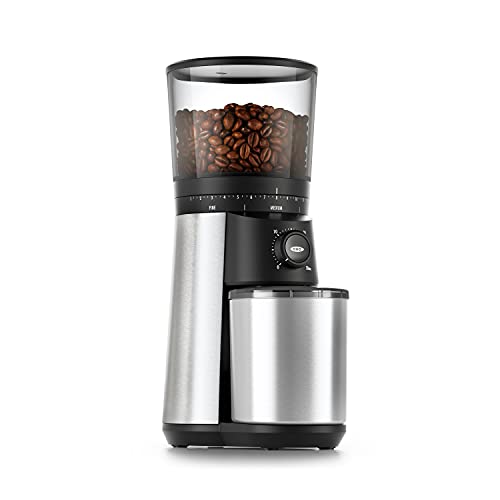
40mm stainless steel conical burrs: Precision grinding system produces uniform coffee grounds to ensure even extraction for rich, balanced flavor in every cup.

Slim, powerful grinder with precise settings from fine to coarse, with 15 settings and 29 micro-adjustments

Premium 40 Millimeter Stainless Steel Conical Burr: Designed to minimize grinding heat and protect the essential oils in the coffee bean, creating uniform grounds for optimal flavor extraction.
When to Use Pre‑Ground vs. Fresh‑Ground Espresso: Convenience vs. Quality?
When should you reach for pre‑ground instead of grinding fresh? You’re probably wondering why the choice matters. The short answer: convenience beats perfection when you need a quick cup, but quality wins when you crave true espresso.
Travel convenience – a pre‑ground packet fits in a bag, stays stable for 7‑10 days, and works in pressurized baskets or super‑automatic machines. You avoid hauling a grinder and worry about beans spilling on a train. Obviously, the aroma won’t match a freshly ground shot, but you’ll still get a decent espresso when you’re on the move.
Office backup – keep a sealed jar of espresso‑grind pre‑ground coffee for days the grinder breaks or beans run out. It’s a reliable stop‑gap that prevents a caffeine crisis, especially in low‑volume setups. Fresh‑ground beans last 30+ days if you store them airtight, so you can switch back when you want richer crema and fuller flavor.
Takeaway – use pre‑ground for speed and portability, but switch to fresh‑ground whenever you can control grind size and preserve aromatics. Ready to decide which scenario fits your routine? The Aeropress’s low‑acid extraction offers a smoother alternative for those who prefer a gentler brew. The full‑bodied texture of a French press highlights how grind size influences mouthfeel. Proper water temperature is essential for extracting the best flavor from any grind.
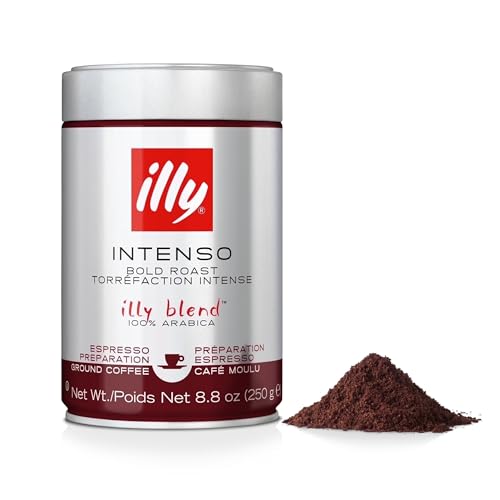
No hydrogenated fats or high fructose corn syrup allowed

SMOOTH BREAKFAST BLEND – MEDIUM ROAST, LOW ACID - A clean, balanced medium roast made from specialty-grade Arabica beans. Smooth, low-acid flavor that’s perfect for your everyday morning cup.

Starbucks Espresso Roast is intense, caramelly sweet and perfect with steamed milk