
You’re probably wondering why the little stovetop kettle makes coffee that feels like espresso without the machine. A Moka pot is a three‑part metal brewer that heats water in a bottom chamber, creates 1–2 bar of steam pressure, and forces it through a medium‑fine coffee bed into a top chamber, giving you a strong, aromatic cup in 4–6 minutes. It’s affordable, simple, and works on any stove—just fill the boiler, add grounds, heat gently, and watch the coffee rise. If you keep going, you’ll uncover how size, grind, and a few accessories can perfect the flavor.
What Is a Moka Pot & How It Differs From Espresso?
If you’re wondering how a moka pot works and why it isn’t espresso, you’ve hit the right spot. The moka’s history dates back to 1933, when Alfonso Bialetti turned a simple stovetop into a coffee ritual that spread across Europe and beyond. Its cultural impact still shows up in kitchens, cafés, and even pop‑culture references, proving that a humble pot can shape daily habits.
Now, here’s the thing: a moka pot creates about 1–2 bar of pressure, while espresso demands roughly 9 bar. That pressure gap limits extraction, so you get a strong, intense brew but without espresso’s thick crema and syrupy texture. Obviously, the lower pressure means the cup leans toward bold drip coffee rather than a true espresso shot.
All right, remember: the moka’s charm lies in its affordability and simplicity, not in matching espresso’s technical specs. The takeaway? You’ll enjoy a robust, culturally rich coffee that’s distinct from espresso, and you’re ready to explore its parts next. The gasket ensures a tight seal between chambers, preventing steam from escaping and maintaining the necessary pressure for proper extraction. The brewing process typically takes 4–6 minutes from start‑up to the moment the coffee begins to flow. For optimal results, use a fine grind that is not powdery, as this balances extraction speed and flavor clarity.

CRAFT COFFEE AT HOME: Produces six demitasse/espresso servings of rich, smooth espresso coffee in minutes. Craft your own espresso, Americano, Cuban coffee, Italian-style coffee, Moka, lattes, cappuccinos and more from the convenience of your home.Filter type:Reusable

MEDIUM CAPACITY: This stovetop espresso maker brews six cups of rich, full-bodied coffee using traditional Italian moka pot brewing method, forcing hot water through grounds for barista-quality espresso flavor in minutes

Moka Espresso Coffee: Stovetop espresso maker, Moka pot, & manual coffee percolator machine. Available in 3-cup, 6-cup, 9-cup and 12-cup sizes. The stove top percolator makes home espresso like a barista. It's easier to use than an electric espresso machine and makes a rich cup of espresso mocha.3 cup, 6-cup, 9-cup and 12-cup expresso coffee pot, stove top size, food grade aluminum Espresso Moka coffee pot.
Key Parts of a Moka Pot and Their Functions
When you first look at a moka pot, you probably wonder how each piece works together to turn water into coffee. The bottom chamber, or boiler, holds water that heats into steam; that steam creates the pressure needed to push water up through the coffee grounds. The funnel or filter basket sits in the boiler, holding the grounds while the rising water extracts flavor. Above that, the filter plate and rubber gasket seal the connection, preventing leaks and maintaining pressure control. The safety valve, perched on the lower chamber, releases excess pressure to keep the pot safe. Finally, the top chamber collects the brewed coffee and streams it through the spout for you to pour. Regular cleaning removes coffee residue and preserves the pot’s performance. Properly heating the pot to a gentle boil ensures optimal extraction without scorching the coffee.
How to Pick the Right Size & Material for Your Moka Pot
How many cups do you really need? You’re probably wondering which capacity matches your daily ritual. Size compatibility matters: a 3‑cup pot (≈150 ml) serves one large espresso, a 6‑cup (≈240 ml) fits two small drinks, and a 9‑cup covers a small gathering. Pick the number of demitasse‑style servings you’ll actually drink, not standard mug cups.
Pick the material durability influences heat source options. Aluminum pots feel light and classic, but they usually skip induction unless specially built. Stainless steel offers broader stove compatibility and easy induction suitability, plus a sturdier feel.
All right, weigh your brewing dose: a 3‑cup pot uses about 17 g coffee, a 6‑cup about 28 g. Choose the size that aligns with your coffee‑to‑water ratio and the stove you own.
Takeaway: Match the pot’s cup count to your serving habit, then pick a material that works with your heat source. Next, consider how you’ll grind the coffee for optimal extraction. Full basket ensures optimal flavor and prevents weak extraction. Regular descaling helps maintain brew quality by removing mineral buildup. The pressure differential between the boiler and the chamber is key to achieving a rich, balanced brew. Convenient single‑serve capsules offer speed and consistency, but lack the customization of a manual moka pot.

Venus is the perfect combination of tradition and innovation: the original induction coffee maker that prepares a perfect coffee, with a Made in Italy taste from a pot with a unique design.

Venus is the perfect combination of tradition and innovation: the original induction coffee maker that prepares a perfect coffee, with a Made in Italy taste from a pot with a unique design.

MEDIUM CAPACITY: This stovetop espresso maker features a generous six cup capacity, making it ideal for brewing rich Italian espresso for multiple servings at home, in the office, or during gatherings with friends and family using your stovetop
Grinding Coffee for a Moka Pot: Medium‑Fine vs. Fine
What grind should I use for my Moka pot?
You’re probably wondering whether a medium‑fine or a fine grind gives the best brew.
Here’s the thing: medium‑fine, like table salt or fine sand, sits between espresso and drip, offering a balanced grind texture and reliable pressure control.
Why does that matter?
If you go too fine, the coffee creates extra resistance, slows flow, and can over‑extract, leaving a bitter, harsh cup.
A medium‑fine grind lets water move steadily, keeping pressure in check and delivering a smooth, moderate‑strength brew.
How can you check?
Rub a pinch between your fingers—gritty, not silky, and uniform in size (≈360‑660 µm).
Free‑flowing grounds in a container signal consistency; clumps hint at uneven texture.
Takeaway: start with a medium‑fine setting, adjust in tiny increments, and watch pressure control and flavor.
Next, ask yourself: how often will you grind fresh beans for optimal aroma?
A standard coffee scoop holds roughly 7–8 grams of ground coffee, which is about two tablespoons.
Consistent grind size is crucial for preventing channeling and achieving balanced extraction.
A well‑calibrated grind helps maintain a steady shot timing for consistent flavor.

Canister Coffee
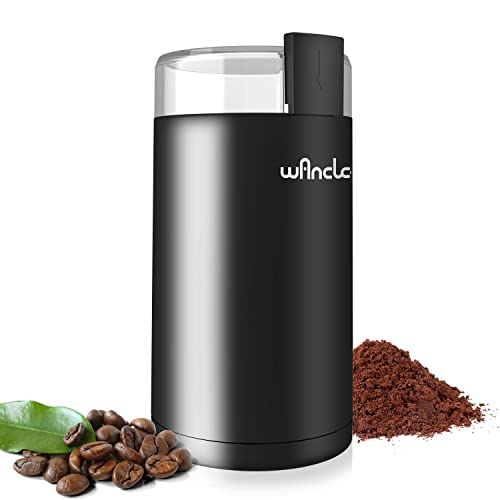
✅【A Secret To Grind Bean Effortlessly】Grinder comes with a pure copper motor and stainless steel blade. Easily observe the grinding situation by a transparent lid, extract the perfect flavor from beans. let you enjoy great coffee in a few seconds.
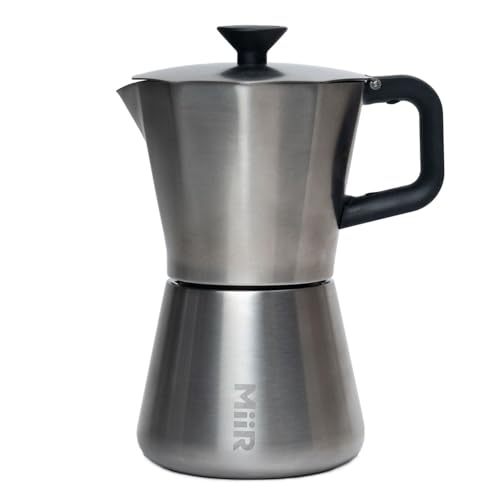
Effortless Espresso at Home - Our MiiR New Standard Moka Pot Espresso Maker brews a rich, flavorful 10oz cup in just five minutes, making it the perfect coffee maker for all espresso lovers
Step‑by‑Step Guide to Brewing the Perfect Moka Pot Coffee
If you’re wondering why a Moka pot sometimes spits out bitter, over‑extracted coffee, the answer lies in how you control heat and timing.
How do I prepare the water and pot?
Start with hot or boiling water in the bottom chamber, filling just below the safety‑valve line. Keep the valve clear and use a towel to handle the hot base. Preheating speeds the brew and cuts bitterness. The handle can melt if placed too close to the flame. Using a fine grind ensures the water extracts the coffee quickly for a richer flavor.
What’s the right way to load the basket?
Scoop coffee into the filter until level, never tamp. Lightly tap if needed, brush loose grounds from the rim, and keep the basket dry until you insert it.
How do I brew on the stove?
Place the assembled pot over low‑to‑medium‑low heat. A gentle, steady stream shows proper pressure control; avoid a violent gush. Consistent steam pressure helps maintain extraction balance. Even heat prevents scorching and promotes uniform extraction.
When should I stop and serve?
Remove the pot as soon as sputtering starts, rinse the base with cold water, and pour immediately.
Takeaway: Master heat, timing, and pressure control for a smooth, balanced brew. Ready to avoid common bitterness pitfalls next?

Venus is the perfect combination of tradition and innovation: the original induction coffee maker that prepares a perfect coffee, with a Made in Italy taste from a pot with a unique design.
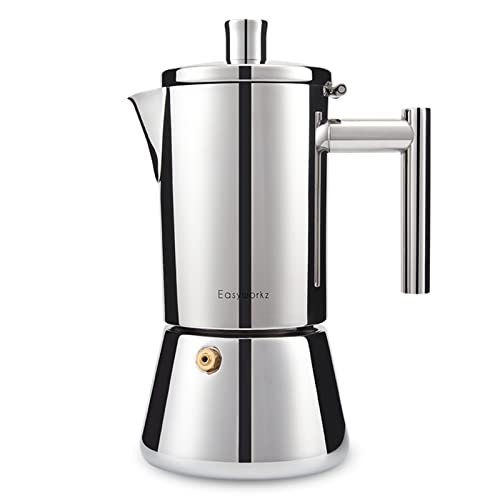
[Elegant and Heat Resistant Design] Used the latest manufacturing technology and combined aesthetics to design this elegant espresso coffee pot. The heat resistant hollow insulated lid and handle grip make it convenient to use. Base is heavy gauge Magnetic stainless steel,ensuring its long life time at high temperatured heat resource.
[Elegant and Heat Resistant Design] Used the latest manufacturing technology and combined aesthetics to design this elegant espresso coffee pot. The heat resistant hollow insulated lid and handle grip make it convenient to use. Base is heavy gauge Magnetic stainless steel,ensuring its long life time at high temperatured heat resource.
Common Mistakes That Cause Bitterness (and How to Fix Them)
You’re probably seeing the same over‑extraction signs—dark, harsh sips and a lingering burnt note—because something in the brewing chain is off.
Why does my coffee taste bitter?
Overed bitterness usually stems from temperature control mishaps. A high flame pushes water through too fast, raising pressure and causing over‑extraction. Switch to low‑medium heat, keep water at 80–93 °C, and stop the pot as soon as sputtering starts.
How does grind consistency affect flavor?
Too fine a grind clogs the basket, slows flow, and forces extra pressure, leading to over‑extraction. Too coarse yields under‑extraction, a weak, sour cup. Aim for a medium‑fine, table‑salt texture and level the grounds—no tamping.
What else should I watch?
Water quality matters; use fresh, filtered water. Choose a medium roast for balance; dark roasts amplify bitterness under the Moka’s pressure. Keep pressure balance steady by avoiding over‑packing the basket. Use a medium‑fine grind to prevent clogging and excessive pressure.
*Takeaway:* Adjust heat, grind, and water, and skip tamping to tame bitterness. Next, explore how to keep your pot in top shape for consistent brews. Adding a nitrogen infusion step can further enhance the texture and mouthfeel of your coffee.
A consistent particle size is essential for even extraction across all brewing methods, especially with a flat burr grinder.
Cleaning, Maintenance, and Longevity Tips
Even if you’ve just finished a perfect brew, the next step—keeping the pot clean—can feel confusing. You’ll want to disassemble the moka pot after it cools, rinse each piece in warm water, and dry everything thoroughly. Avoid steel wool; a soft sponge protects the metal finish.
How often should you do seasonak cleaning? Every few weeks, soak the metal parts in a 50/50 water‑vinegar mix for 15‑20 minutes to dissolve mineral buildup. Run a water‑only brew afterward to flush any lingering taste.
What does Gasket inspection involve? Pull out the rubber gasket, feel for cracks or stiffness, and wipe away trapped grounds. Replace it if it’s worn; a good seal keeps pressure steady.
How do you store it for longevity? Keep the pot disassembled and completely dry, especially the lower chamber. This prevents oxidation and odor.
Takeaway: A quick rinse after each brew, periodic seasonak cleaning, and regular Gasket inspection will keep your moka pot performing for years. Ready to explore which accessories can boost flavor next? (Avoid soap to protect the metal finish.)
Descaling removes mineral deposits that can impair heat transfer and flavor extraction, so consider a regular descaling schedule for optimal performance. hard water can accelerate limescale buildup.
Top Accessories to Boost Moka Pot Flavor
You’ve just mastered cleaning and want to know how accessories can actually lift the flavor of your moka pot. Obviously, the right flavor accessories let you control heat, grind and extraction, which translates into a smoother, richer cup.
What heat tools should I use?
A diffuser for induction or a cast‑iron pan under the pot evens the temperature, preventing bitter spikes. Keep the flame low and use freshly boiled water; this slows the brew and curbs over‑extraction. The magnetic feature on six‑cup glass and induction Mocha pots secures the pot for stable heating.
How do I perfect the grind and dose?
A reliable grinder gives a consistent medium‑fine grind. Use a dosing ring and a leveling tool to spread grounds evenly without tamping—this creates a uniform coffee bed and steady flow.
Can I tweak filtration for a cleaner cup?
Slide an AeroPress paper filter over the metal mesh to trap fines, yielding a cleaner mouthfeel.
What’s the best way to serve?
Pour into a double‑walled glass cup to maintain temperature, or froth milk with a pitcher for a cappuccino‑style drink.
Takeaway: Pair heat‑management, grind‑control, and filtration accessories for the biggest flavor boost. Ready to experiment with one of these brewing accessories next?
paper towel filters can be a quick, emergency solution but may affect flavor.
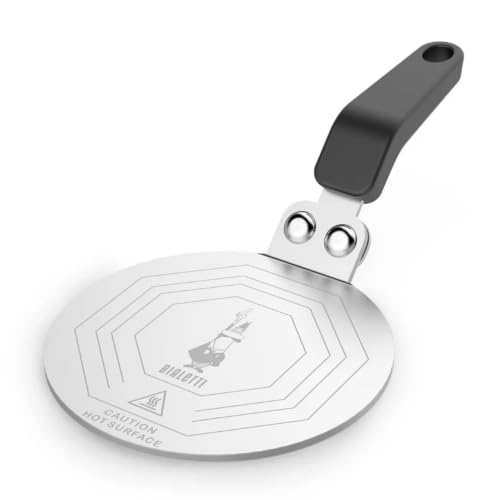
Function: a practical and versatile tool for the kitchen, suitable for the use of coffee makers and pots on induction hobs characterized by octagonal designs on its surface

Practical Tool for the Kitchen--The induction adapter can effectively protect our moka pot from the flames of gas stove. and good for the use of coffee makers, coffee pots on induction cooker.
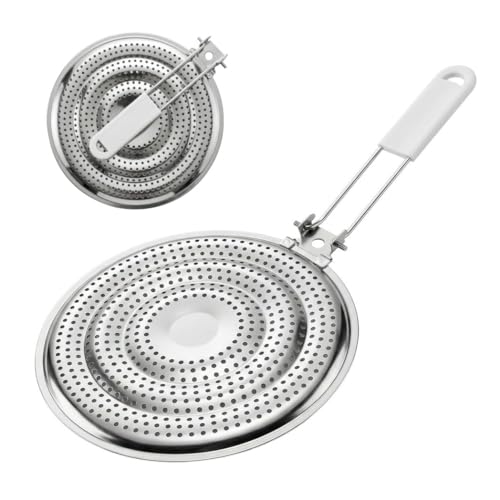
HIC Kitchen Heat Diffuser: Creates a flat cooking surface, distributes heat evenly, and reduces scorching in pans with hot spots