
You’re noticing bitter, metallic coffee and a sputtering machine because mineral scale is choking the heater and valves. First, unplug, empty the reservoir, and remove any filters or pods; place a heat‑resistant container under the brew and steam spouts. Mix a citric‑acid descaler, fill the reservoir, and run a brew cycle, then a short steam burst and a hot‑water flush, repeating with plain water until it runs clear. Finally, wipe the showerhead, rinse all removable parts, and let everything air‑dry before brewing again. (If you keep this routine, you’ll see flavor stability and fewer repair alerts.)
Why Coffee Maker Descaling Matters for Flavor & Longevity
Why does descaling matter for your coffee’s flavor and your machine’s lifespan? You’re wondering why a regular rinse matters, and you’ve asked the right question. Here’s the thing: calcium and magnesium cling to heaters and valves, turning water flow into a choke‑point. When scale blocks circulation, extraction becomes uneven, producing bitter, metallic notes that ruin flavor preservation.
Now, think of your coffee maker as a car engine. Limescale on the heating element slows heat transfer, so water temperature fluctuates, causing under- or over‑extraction. Stable heat gives you a balanced cup every time.
All right, the long‑term payoff is a longevity boost. Scale strains pumps and valves, accelerating wear and risking costly repairs. Regular descaling keeps parts moving smoothly, extending the machine’s life and keeping warranty coverage intact.
Takeaway: descaling safeguards taste and stretches your coffee’s life. Ready to learn how to start the process?
Regular descaling also prevents clogging of internal passages which can cause overheating and reduce efficiency. Properly maintaining the group head ensures consistent pressure and prevents residue buildup. Regular descaling also helps maintain optimal brew pressure for consistent extraction.

2-Pack Coffee Descaler and Cleaner - Clean and rinse away residue and oil buildup in your coffee maker with Impresa's Coffee Descaler Solution. Our highly effective solution comes with two 8-ounce bottles - enough for 4 descaling sessions (2 uses per bottle)

FROM DE'LONGHI. The world-leader in espresso machines.
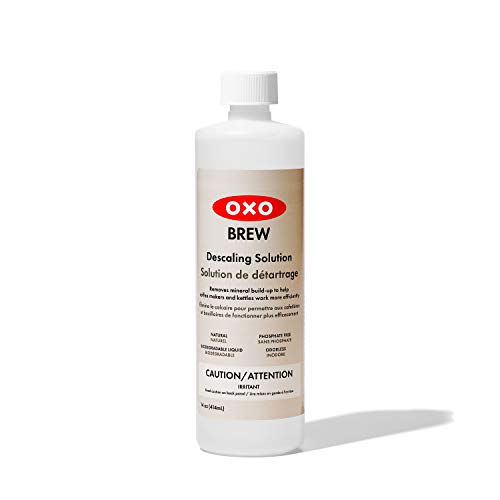
Helps keep your coffee makers and kettles working efficiently and using less energy
Prep Your Machine: Empty Reservoir, Remove Filters & Set Up Collection Container
You’ve just learned how scale ruins flavor, so you’re probably asking what you need to do before the descaling solution touches anything.
Why empty the reservoir first?
Unplug the machine—Safety precautions prevent shocks and burns. Pour out every drop into a sink or a heat‑safe mug. A completely empty tank keeps the descaler at full strength, so you won’t waste product or time.
What to do with filters and accessories?
Remove grounds, used filters, pods, and the water‑filter cartridge. Keep those parts in a clean tray; this Tool organization makes reassembly painless and stops the solution from getting trapped.
How to catch the first flush?
Place a sturdy, heat‑resistant container under the brew outlet and, for espresso, another one for the steam wand. Stable placement avoids overflow and lets you see the solution flow correctly.
Power button must be turned off before starting the descaling cycle to ensure safety and proper activation of the descaling mode.
Mineral buildup can cause clogs and reduce heating efficiency, so thorough flushing after descaling is essential.
Regular descaling also helps maintain optimal pressure for consistent extraction. Takeaway: unplug, empty, strip, and set up a safe collection container—then you’re ready for the descaling cycle. Regular descaling prevents mineral deposits from impairing water flow and extending the machine’s lifespan.
Pick a Coffee Maker Descaler That Fits Your Needs
Now that you’re wondering which descaler actually works for your machine, let’s break it down.
Which chemistry matches my machine?
You’ll find eco chemistry options like citric‑acid or lactic‑acid formulas safe for most drip, single‑serve, and espresso units. If you own a Keurig or Nespresso, a milder acid avoids the strong odor vinegar leaves behind. Manufacturer‑branded solutions protect internal parts, while generic ones work if the label says “compatible with your model.” Descaling solutions often contain sodium citrate to buffer pH and prevent corrosion.
Liquid, powder, or tablets – what’s easiest?
Liquid descalers let you pour directly, but you must follow dilution ratios, often 1 part concentrate to 1 part water. Powdered packets eliminate guesswork and are handy for small reservoirs. Tablet‑style cleaners dissolve quickly and store compactly.
How do I know it removes residue?
Look for products that promise limescale and coffee‑oil removal. Good residue removal means fewer rinse cycles and no sour aftertaste.
Takeaway: Choose a chemistry your machine tolerates, pick a format that fits your routine, and confirm it tackles both scale and oil. Next, you’ll run the descaling cycle. Impresa’s 8‑oz bottle provides enough solution for four descaling sessions, lasting over a year with recommended use every 3‑4 months. Regular descaling prevents mineral buildup that can impair brewing performance.

Each box provides 4 complete cleaning cycles, with 4×30g pre-measured sachets designed for simple, one-sachet use. Just tear, pour, and run your machine’s descaling program.

SAFER CLEANING & HOUSEHOLD ESSENTIALS: Includes with our versatile 100% Pure Food-Grade Citric Acid, and our powerful, odorless Coffee Machine Descaler for coffee maker maintenance; Compatible with Nespresso, Keurig, Breville, and more

EXCEPTIONAL RESULTS: Introducing Tillbrook Coffee Machine Descaler specifically formulated for Breville—the best choice for removing hard water buildup, oils, and residue. It’s essential to clean and descale Breville Espresso Machines every 3-4 months to ensure proper functioning of your machine, to enhance the taste of coffee, and to extend the life of the machine.
Run the Descaling Cycle – Brew, Steam, Hot‑Water Paths
You’re probably wondering how the descaling solution actually moves through every part of your machine. First, fill the reservoir with the mixed solution and start a brew cycle with no coffee. The solution rushes through the boiler, brew group, and internal lines, breaking down limescale just like water flushing a pipe.
Now, switch to the steam function. Open the steam wand or valve, and trigger short bursts—this is steam‑path timing in action. Those bursts push solution through the steam circuit, cleaning the steam‑valve and preventing mineral buildup that would ruin milk frothing.
All right, move to the hot‑water tap. Open the valve or activate the hot‑water setting and let the solution flow until the reservoir empties. This clears scale from fittings and dispensing lines.
Takeaway: Run brew, steam, and hot‑water passes in sequence, watching steam‑path timing and steam‑valve cleaning, to guarantee every channel gets descaled. Ready for the rinse step? The recommended interval for descaling is every 45–90 days with daily use. Regular descaling also helps maintain optimal brewing temperature and prolongs the life of the machine. Nespresso’s capsule chamber design ensures that descaling solution reaches even the most confined brewing components. Regular descaling prevents mineral buildup and preserves coffee flavor.

RESTORE COFFEE FLAVOR & AROMA: Our universal descaling solution removes bitter mineral buildup and calcium deposits from heating elements. This ensures your Keurig cleaner process restores the original "day one" taste of your favorite pods and espresso capsules

Powerful Descaling Solution: The liquid coffee machine descaler and cleaner compatible with any Keurig machine is formulated to deeply penetrate oil and limescale to keep your machine running smoothly and produce the delicious coffee you love.

8 Uses Value-Size Bottle: Same as 4 x 8oz bottle kit of other products! Less Waste, Better Value!
Rinse Your Coffee Maker Thoroughly After Descaling
If you’re wondering why a thorough rinse matters after descaling, it’s because any leftover solution can taint your next brew. Run at least two full water‑only cycles, filling the reservoir completely each time and emptying the carafe between runs. Keep rinsing until the water runs clear and you smell no chemical or vinegar scent.
Now, check for filter residue and lingering odor. Wash the brew basket, carafe, and any detachable parts with warm, soapy water, then rinse them well. Wipe the showerhead and corners, and let everything air‑dry before reassembly.
All right, the key takeaway: only brew coffee after the water tastes and smells pure. If any odd smell persists, add another plain‑water cycle. Ready for the next step? Create a descaling calendar for your machine.
Residual descaling solution can corrode internal components if not removed.
Regular descaling helps maintain optimal pressure and prevents mineral buildup, which can otherwise cause scale accumulation and reduce machine efficiency.
Using a commercial descaling solution ensures faster mineral dissolution and protects the machine’s internal parts.Descaling frequency should be tracked to avoid buildup and ensure consistent coffee quality.
Create a Descaling Calendar for Your Machine
You’ve just wondered how to turn a clean‑up routine into a reliable schedule, and that’s a smart move. You’re confused about linking water hardness to timing, so let’s sort it out. First, decide your calendar hardness level: hard water means monthly maintenance reminders; soft water lets you stretch to every three to four months. Follow manufacturer guidance if it exists, but use the hardness rule as a baseline.
Now, set recurring entries in your phone or app. For hard‑water homes, choose a monthly reminder; for softer water, pick a quarterly one. Add notes about the descaler brand, dosage, and cycle length so you never miss a step.
Here’s the thing: watch your machine’s signals. Slower brewing, less steam, or a warning light should trigger an extra reminder, even if the calendar says otherwise. Adjust the schedule when you change filters or water sources.
All right, keep a simple log. Write the last descaling date, the next due date, and any flavor changes you notice. This log becomes your backup trigger if usage spikes. The takeaway: a dynamic calendar based on water hardness, usage, and machine alerts keeps your coffee tasting great. Ready to add those reminders now? Regular descaling prevents mineral buildup that can impair heating performance. Hard water can cause faster scale accumulation. Proper cleaning tablets help remove coffee oil residue and extend equipment life.