
You’re probably wondering why your espresso sometimes tastes sour or watery, and you asked the right question. First, pre‑heat the machine, portafilter, and cup to about 92 °C, then weigh 18 g of finely ground coffee, distribute it evenly, and tamp with 30 psi to a level puck. Lock the portafilter, start the pump, and aim for a 25‑second extraction yielding 36 g (1:2 ratio); a thick, golden crema means you’re on track. If you keep this rhythm, the next section will show you how to troubleshoot common issues.
What Makes a Perfect Espresso?
What actually makes an espresso perfect? You’re probably wondering why your shots taste off despite following recipes. Here’s the thing: a perfect espresso balances coffee, water, temperature, pressure, and time like a tiny orchestra. You need about 7 g of bean bean for a single shot, ground fine and uniformly, and tamped level. Stable pressure consistency at 9 bar keeps water flowing evenly, preventing channeling and producing a thick, golden crema.
Now, focus on extraction. Aim for a 25‑second brew that yields roughly 25 ml of liquid, a 1:2 coffee‑to‑water ratio. Fresh, filtered water near 90 °C and a clean puck guarantee a syrupy flow, not spurts. Regular descaling removes mineral buildup that can affect temperature stability and pressure consistency.
Takeaway: Match dose, grind, and pressure consistency, then lock in time and temperature. Next, check your water quality and temperature stability before pulling the shot. Proper pre‑infusion can help evenly saturate the coffee bed and improve extraction consistency.
Preheat Machine, Portafilter & Cups
Ever wonder why your first shot of the day feels flat? The machine, portafilter, and cup all need thermal stability before you pull a shot. When the boiler reaches 195‑205 °F (90‑96 °C) and the group head stays hot, you get temperature stability that drives consistent extraction.
Why preheat the machine?
Now, let the machine warm up fully; a blank shot or hot‑water flush brings the internal metal paths to a steady temperature. This prevents the brew water from cooling as it passes through cold metal, preserving flavor balance.
How to heat the portafilter?
Here’s the thing: lock the empty portafilter into the group head while the machine heats, then run a hot‑water rinse or a dummy shot. The metal absorbs heat, so the puck stays at the right temperature, avoiding sour, under‑extracted espresso.
What about the cup?
Obviously, a cold cup saps heat instantly. Fill it with hot water, swirl, and discard before you brew. This cup‑ness trick keeps the espresso at drinking temperature, maintaining aroma and body.
Takeaway: Preheating everything secures thermal stability, giving you a solid first shot and consistent flavor. Ready to lock in the perfect dose?
Regularly cleaning the machine according to the Breville Touch Espresso Machine maintenance schedule helps maintain consistent temperature performance. Remember to safely disconnect power before any deep cleaning to avoid electric shock.
The Nespresso system relies on a 19‑bar pressure pump to force hot water through the capsule, creating a rich crema in seconds.
Dose Espresso Coffee Accurately & Distribute Evenly
How do I make sure my dose is spot‑on every time? You start with basket calibration: match the coffee weight to the basket sizing before you grind. A single basket holds 7–10 g, a double 16–18 g, and a triple 20–22 g, so for a 20 g basket aim for 18–20 g dose. Use a digital scale; weigh the dry grounds, not the volume.
Now, distribute evenly. After dosing, sweep your finger or rotate the portafilter gently to spread the coffee flat across the basket. A uniform bed prevents channels and keeps extraction steady.
All right, keep dose constant while you tweak grind or time. Record the weight, yield, and time for repeatability. Takeaway: precise dose plus level distribution = consistent shots. Next, ask yourself how to tamp a firm, level puck. Run a short cycle with uncooked rice to remove residual oils from the grinder. Consistent tamping pressure of 30–40 lb helps maintain the ideal puck density for balanced extraction.
A finer grind creates a higher surface area, leading to a more efficient extraction rate and richer flavor.

【Ultra Small, Yet Professional】The Espresso Scale is small enough to fit in your palm. It measures 4.13*4.13*0.78 inches and weighs just 0.75 pounds. The coffee scale can work on most espresso machines and small pour-over coffee stands. It's easy to store and carry around, making it perfect for coffee lovers who like outdoor coffee.

Barista-Level Precision: A 0.1g high-precision sensor with a rapid refresh rate responds instantly to changes in weight, helping you achieve consistent results across espresso, pour over, drip coffee, Chemex, V60, and filter coffee brewing.

𝗘𝘀𝗽𝗿𝗲𝘀𝘀𝗼-𝗦𝗶𝘇𝗲𝗱 & 𝗠𝗮𝗰𝗵𝗶𝗻𝗲-𝗙𝗿𝗶𝗲𝗻𝗱𝗹𝘆: At just 5.7 × 3 × 0.7 inches, this scale fits under most home espresso machines, with integrated rubber feet that keep it planted on busy countertops without sliding or shifting during use.
Tamp Grounds for a Firm, Level Puck
You’ve nailed the dose, but now you’re wondering why some shots still taste off. The secret lies in a solid tamp pressure and a level surface. Press straight down, aligning wrist, elbow, and shoulder, and aim for about 10 kg (20‑30 lb). A firm, uniform puck resists water evenly and prevents channeling.
Here’s the thing: keep the tamper flush across the basket before you push. A flat, level surface lets water flow consistently, reducing bitter or sour notes. Use a tamping mat for stability and check that the coffee bed feels solid, not loose.
All right, practice the same pressure each time. Consistency beats exact numbers, and a repeatable tamp gives you reliable shots. Next up: lock the portafilter and start extraction immediately.
Even coffee bed is essential for preventing channeling.
A calibrated tamper ensures you consistently reach the recommended 30‑35 psi pressure.
Water temperature should be maintained around 92‑96 °C to extract optimal flavor.

CONSISTENT PRESSURE EVERY TIME:Achieve perfectly even tamping with a built-in spring-loaded mechanism. Delivers consistent pressure without guesswork, reducing channeling and improving espresso extraction quality

Packing - Including 1pc espresso scoop with tamper 49mm, suitable for all 49mm espresso portafilter.
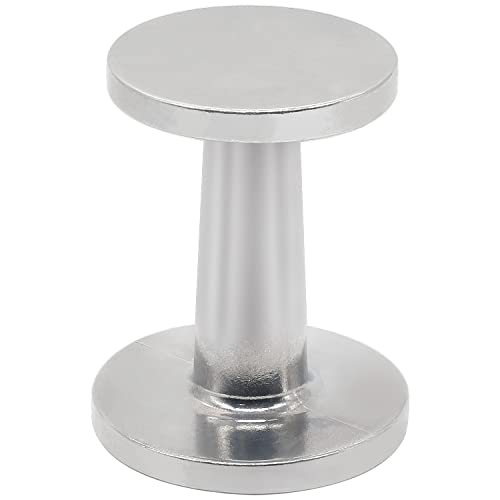
Made of heavy duty cast aluminum alloy with no chemical coating that resists damage caused by the naturally occurring acids found in coffee, ensures long-term use.
Lock Portafilter & Start Extraction Immediately
Why lock the portafilter right away? You’re probably wondering if the timing matters. The answer is yes—seal timing directly impacts Gasket health and puck stability.
What does a good seal look like?
First, make sure the basket sits fully inside the portafilter; a half‑inserted basket will prevent a tight seal. Clean the rim and basket lip, then twist until you feel resistance around the 5–7 o’clock position. Don’t force it past the seal point—excessive torque can flex the machine and wear the gasket.
How soon should you start brewing?
Immediately after you hear the lock click, engage the pump. Delays let heat escape and the puck settle unevenly, especially on home machines. Starting extraction right away preserves pressure build‑up and Gasket health.
Takeaway: Secure a clean, fully seated portafilter, lock at the natural resistance point, and fire the shot without hesitation. Next, check how the espresso looks to confirm a good extraction. A well‑controlled brew temperature can also prevent bitterness, especially when using a Moka Pot as a reference point. The basket size determines how much coffee you can dose for a consistent extraction. The boiler must maintain a stable temperature around 92 °C to ensure optimal extraction.
Recognize a Good Espresso Extraction
What should you look for when the espresso finishes pouring? You’ll notice the stream color shift from dark, foamy crema to a light tan “blonde” hue near the end. The stream texture should stay steady and honey‑like, not thin or sputtering. A rich, persistent crema color—golden‑brown or reddish‑brown—sits stable on top, signaling fresh beans and proper extraction. Now, taste the cup. Sweet, smooth balance with no sharp sour or bitter bite means you hit the sweet spot. A thick, rounded mouthfeel tells you the body is full, not watery. If the finish lingers pleasantly, you’ve likely extracted the right amount of soluble material. Takeaway: Watch the color change, feel the texture, and sip for balanced sweetness. Next, ask yourself how long the shot should run to lock in that perfect yield. Proper tamp ensures consistent pressure throughout the pour. Using a fine grind helps avoid under‑extraction and channeling. Selecting the right grinder type is crucial for achieving a uniform particle size distribution. A single ounce of espresso typically contains 63–75 mg of caffeine, which is less than the caffeine in a standard cup of brewed coffee.
Time the Shot & Monitor Yield
How long should the shot run before I stop?
You start timing the moment the pump fires, not when the first drop appears. Pre‑infusion timing counts toward the total, so a 3‑second fill delay is normal. Aim for a 25‑35 second window, adjusting for roast darkness—lighter beans may need a few extra seconds. First strip timing helps avoid inflated times due to pump build‑up.
What weight tells me I’m on track?
Measure yield on a scale, not by volume. A 1:2 ratio—18 g dose to 36 g output—offers a reliable benchmark. If the shot finishes fast but yields a high weight, coarsen the grind; if it’s slow and light, go finer. Record dose, time, and yield each pull to spot patterns.
How do I use time and yield together?
Treat them as a duo: time guides grind tweaks, while yield‑based adjustments confirm the recipe hit target. Consistency in pre‑infusion timing and tamp pressure lets you dial in precisely.
*Takeaway:* Time from pump start, weigh the output, then adjust grind based on both. Next, you’ll learn how to fix common extraction issues.
Using a high‑quality burr grinder ensures grind uniformity and maximizes flavor extraction. Consistent pressure helps maintain even flow throughout the brew.
How to Fix Common Extraction Issues
Ever wondered why your espresso sometimes tastes sour, bitter, or just flat? You’re probably wrestling with grind calibration or dose consistency, and that’s normal. When the shot pulls too fast, try a finer grind in 0.1‑mm steps; when it drags, coarsen a little. Keep the dose steady—measure 18‑20 g each time—so the puck stays uniform and you avoid channeling.
How do you stop channeling? Distribute grounds evenly before tamping, using a WDT tool or a simple circular swipe. Tamp with a level pressure around 30 lb, then check for a flat puck. If the water still spurts, adjust the dose by 1–2 g and re‑measure.
What temperature should you use? Aim for 92–96 °C (195–205 °F). Lower it a few degrees for a dark roast to tame bitterness, raise it slightly for a light roast to brighten acidity. Pair temperature tweaks with grind and dose checks for best results.
Takeaway: Small, measured changes to grind size, dose, distribution, and temperature fix most extraction woes. Next, you’ll want to keep your machine clean for consistent shots. Fresh beans are essential for proper extraction. Using a bottomless portafilter lets you see channeling as it happens, making troubleshooting faster. Using a consistent espresso‑grade grind is crucial for achieving optimal pressure and extraction balance.

【Thinner 14 Needles】 Needles evenly distributed design. 7 food-grade stainless steel needles, 0.35mm diameter, the perfect size for breaking up coffee clumps, plus 7 replacement needles. Thoughtful needles storage tube. Say goodbye to the bent needles

【A Perfect Espresso Shot Companion】 Nessus espresso distributor includes 10 food-grade stainless steel needles with a 0.35mm diameter, which is the perfect size to break up coffee clumps. For added convenience, we provide an extra set of 10 needles in a storage tube. A good choice to add this espresso machine accessories to your coffee bar!

Even Espresso Extraction - This coffee stirrer uses 5 fine 0.4mm needles which help to distribute the coffee evenly in the filter when the barista is making the coffee to promote a more even extraction and better espresso. Eliminates clumping and improves consistency.
Maintain Your Espresso Machine for Consistent Shots
If you’re wondering why your shots sometimes drift in flavor, it’s usually the machine’s cleanliness. You’ll notice that a grimy group head or stale water changes the taste, so daily backflushing with clean water and wiping the steam wand right after frothing keep the flow clean.
Now, here’s the thing: filter display maintenance isn’t just a UI check—replace the water filtration cartridge every 2–3 months and monitor the filter age indicator. Fresh water prevents mineral buildup that blocks pressure and dulls flavor.
All right, weekly and monthly chores matter too. Run a detergent backflush once a week using a blind filter, scrub shower screens, and soak removable parts for 20 minutes to an hour. Inspect gaskets monthly for cracks; replace any worn O‑rings promptly.
Takeaway: Consistent shots start with a spotless path from water intake to group head. Your next step? Set a simple cleaning schedule and stick to it.
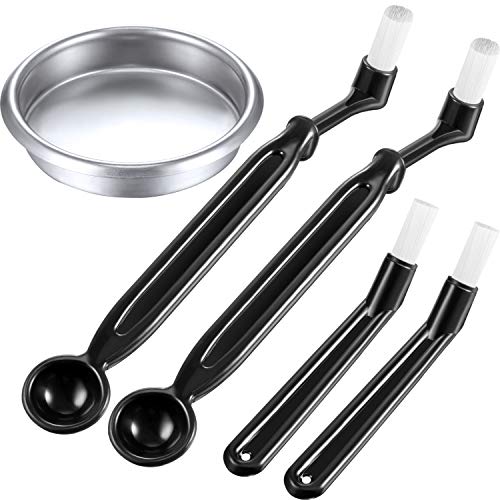
Function: the sturdy stiff thick nylon bristles brush can clean what coffee remains and your coffee grinder burr blades easily, fit for coffee grinder, espresso machine, milk frothers, bean grain and coffee maker
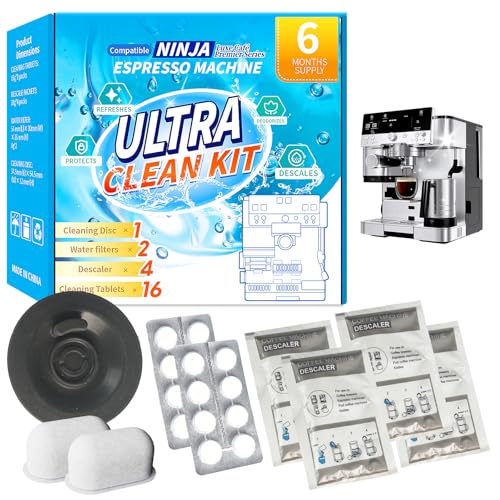
COMPLETE KIT: 6-month supply including descaling packets, cleaning tablets, water filters, and an espresso cleaning disc for comprehensive machine maintenance

【Coffee Brush Package Included】- 5pcs coffee cleaning brush in one pack, including espresso machine brush, long handle espresso brush, coffee grinder brush, espresso portafilter/milk frother pitcher spouts brush and espresso steam wand brush.