
You’ll need about 12‑16 hours of steeping for a balanced cold‑brew concentrate; 16 hours hits the sweet spot, while under 12 hours leaves it thin and sour, and over 20 hours brings bitterness. Use a 1:8 coffee‑to‑water ratio and a coarse‑medium grind, then stir until everything’s saturated before sealing the jar. Keep it in the fridge for a smoother cup, or at room temperature for a bolder flavor, and you’ll see the exact timing tweaks you can make next.
How Long Does Cold Brew Coffee Take?
When you set out to make cold brew, the steeping time is the single factor that determines whether the result will be smooth and sweet or weak and sour. You’ll notice that a typical window spans 12‑24 hours, with a sweet spot around 16 hours. Start with a coarse brew grind; it slows extraction, letting the flavor profile develop evenly. If you push past 20 hours, bitterness creeps in, while under‑extracted coffee appears thin and sour. Adjust extraction timing in one‑hour increments after each batch, tasting for balance. Consistent brewing means keeping the coffee‑to‑water ratio steady and respecting the 12‑hour minimum. Remember, a stronger cup comes from ratio tweaks, not endless steeping. Use a fine mesh to strain the brew for a smoother concentrate. Proper coarse grind ensures minimal over‑extraction during the long steep. Having a ready‑to‑go cold brew concentrate lets you quickly create iced or hot specialty drinks with just a splash of milk or water.

CRAFTED FOR FRENCH PRESS BREWING: Coarsely ground specifically for the slower immersion brewing process of French press coffee makers; larger grind size ensures balanced flavor extraction without bitterness, yielding a rich, full-bodied cup

EASILY SELECT GRIND SIZE AND CUPS OF BREWED COFFEE: Whether you need a fine grind size for espresso or a coarse grind for French press, we've got you covered. Just turn the grinder's adjustable selection ring. Grinds enough to brew 4-14 cups.
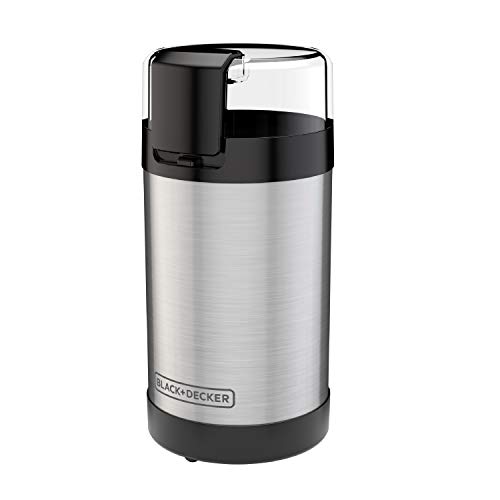
STAINLESS STEEL BLADES AND BOWL - The sharp blades and durable grinding bowl are built to last, delivering uniform grinds with every use
How Does Brewing Temperature (Fridge vs. Room) Change Steeping Time?
Your steeping window shifts noticeably once you change the brewing temperature. A room‑temperature brew runs at roughly a 60 % temperature ratio of a fridge brew, so the extraction accelerates, cutting a 20‑hour fridge steep to about 12‑14 hours. The temperature gradient is steeper, pulling acids and bitters faster, giving a bolder, warmer cup. In contrast, refrigerator brewing follows a gentler temperature gradient, extending steeping to 18‑24 hours and yielding a smoother, cleaner profile. Respect the safety gradient: room‑temperature extractions beyond 16 hours risk microbial growth, while fridge brewing stays safe for longer periods. Taste early, then adjust within the 12‑20‑hour sweet spot to balance flavor intensity and safety. Use a coarse grind to maximize extraction efficiency and prevent over‑extraction.
How Do Coffee‑to‑Water Ratio and Grind Size Influence Cold Brew Extraction Speed?
Why does a tighter coffee‑to‑water ratio or a finer grind make your cold brew hit strength faster? A low brew ratio grind, like 1:5 or 1:8, packs more coffee into each gram of water, raising solute concentration and giving extraction speed a boost. The denser mass forces compounds out sooner, so you notice a stronger cup with a shorter steep. Conversely, a higher ratio (1:12‑1:15) dilutes the brew, slowing the pull. Grind size works the same way: coarse particles (0.8‑1.2 mm) present less surface area, so extraction speed drops and you need longer steeping. Finer particles multiply surface area, accelerating extraction but risking over‑extraction and sediment. Balancing brew ratio grind and grind size lets you tailor strength without adjusting time. The recommended 1:8 ratio is the standard for a balanced cold brew concentrate. Proper water temperature, such as near‑boiling water, also influences extraction efficiency even in cold brew preparations. Understanding solubility dynamics helps you fine‑tune these variables for consistent results. Using a standard coffee scoop ensures consistent measurements across batches.

Coarse ground coffee optimized for cold brew

PREMIUM MEDIUM ROAST COFFEE: We have carefully selected the beans in this blend to create the classic and ideal cold brew coffee. We have ground the beans to a course grind that is optimal for flavor extraction during the cold brew process. Steeping Roast Ridge Cold Brew 100% Arabica coffee grounds in cold water for an extended period of time delivers a brew without the bitterness or the acidic elements. The result is a very balanced and medium bodied iced coffee.
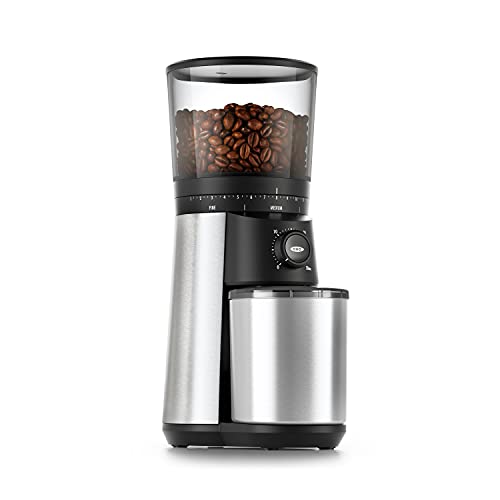
40mm stainless steel conical burrs: Precision grinding system produces uniform coffee grounds to ensure even extraction for rich, balanced flavor in every cup.
How to Adjust Steeping Time for a Stronger or Milder Cold Brew Concentrate?
A tighter coffee‑to‑water ratio and finer grind already push extraction faster, so the next lever you can tweak is steeping time. To strengthen ratio, start at the sweet spot of 15‑16 hours and add one‑hour increments, aiming for 16‑20 hours if you want a fuller concentrate. Notice the body deepen as dissolved solids rise, but expect diminishing returns past 20 hours. For a milder brew, pull back to 12‑14 hours, or even 6‑8 hours for a very light cup—just avoid dropping below 12 hours unless you plan to dilute heavily afterward. Taste the brew at each adjustment; a slight extension yields richer notes, while a shorter steep keeps the flavor bright and less intense. Recent experiments show that over‑steeping beyond 48 hours introduces pronounced bitterness and tannic qualities. Choosing a high‑protein oat milk can also help stabilize the foam when you later combine the cold brew with milk‑based drinks. Cold brew concentrate offers a low‑acid, smooth base that can be stored in the refrigerator for up to two weeks. Using a standard coffee scoop ensures consistent coffee weight across batches.
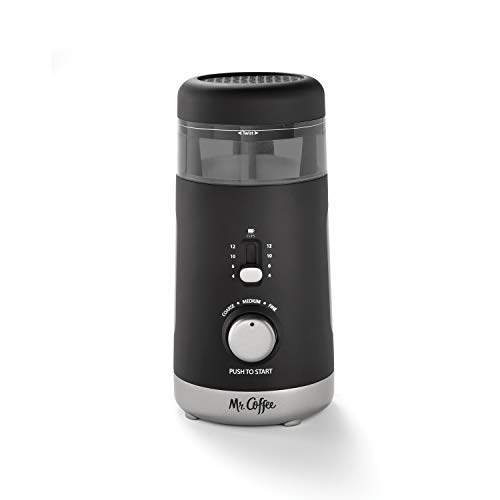
Hands-free Grinding: Automatic settings for efficient, stress-free use

Tired of small batches? Meet the world's first manual grinder with a massive 60g capacity—Hold twice the beans of the standard grinders. 2X the beans, 0 interruptions! Now you can grind exactly what you need in one grind session, instead of two. Grind less, brew more. Perfect for french press, cold brew, pour-over, camping, travel, big families, or mornings that can't wait.
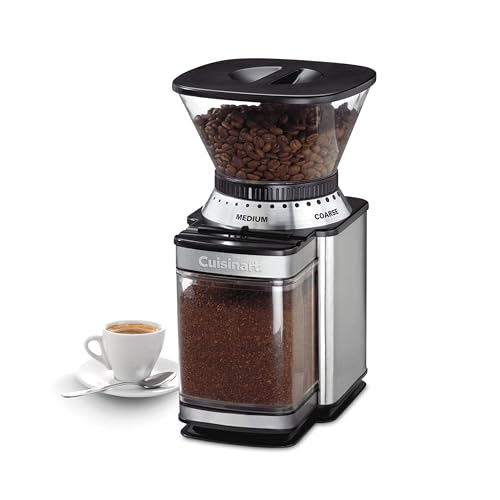
ENJOY OPTIMUM FLAVOR: The Cuisinart Coffee Grinder with 18-position slide-dial grind selector provides a uniform grind from ultra-fine to extra-coarse to ensure your fresh coffee beans are ground exactly the way you prefer.
When to Stop Cold Brew Steeping: Signs of Over‑Extraction and Bitterness?
Most brewers notice over‑extraction when bitterness, astringency, and a hollow aftertaste start to dominate the cup. You should stop steeping as soon as those over‑extraction cues appear: a sharp, drying mouthfeel, loss of smoothness, or an unpleasant woody, burnt edge. Taste your brew at 12 hours, then again at 14–16 hours; if the liquid feels rich yet still silky, you’re within the sweetness thresholds. Fine grinds, warm temperatures, or agitation will push the brew past the sweet spot faster, so watch for a puckering sensation or a heavy, muddy body. When the flavor turns flat, harsh, or astringent, the extraction window has closed—pull the grounds and move to filtering. Consistent particle size is crucial for uniform extraction and reliable flavor.
How Long Do Straining, Cooling, and Dilution Add to Cold Brew Preparation?
When the brew hits the sweet spot, you move straight to straining, cooling, and dilution—each adding only a few minutes to the overall timeline. You grab a fine‑mesh sieve or cheesecloth; a quick equipment strain takes two to three minutes, while a paper filter may linger a minute longer as solids settle. If you brewed at room temperature, transfer the concentrate to the fridge; a brief cooling period of five to ten minutes brings it to serving temperature, though ice can shortcut this at the cost of dilution. Finally, pour the concentrate into a glass and add water or milk in a 2:1 to 1:1 ratio; this final dilution step is almost instantaneous, only seconds per serving. The whole post‑brew phase stays under fifteen minutes, even for larger batches. Using a coarser grind can further reduce filtration time. For a café‑like texture, consider infusing the brew with nitrogen gas using a whipped‑cream dispenser. Regularly descaling your equipment prevents mineral buildup that could otherwise slow down filtration. Paper towels can be used as a makeshift filter in emergencies, though they may affect flavor and strength.
Speed‑Up Tips: 12‑Hour Cold Brew Hacks for Busy Mornings
If you set your coffee and water out the night before, the brew will finish its 12‑hour steep while you sleep, delivering a smooth, ready‑to‑drink concentrate by sunrise. Use a medium‑coarse grind, stir briefly, then seal a mason jar or other brew‑containers. The 1:8 coffee‑to‑water ratio keeps the brew balanced and eliminates later dilution. Pre‑weigh beans and grind them ahead of time, so your Morning prep is just a quick pour‑and‑shake. Store the sealed jar at room temperature or in the fridge, depending on your taste, and let it rest undisturbed. In the morning, give the concentrate a gentle swirl, pour over ice or into a mug, and enjoy a bright, low‑acid cup without any extra steps. A short steep ensures optimal flavor extraction. For a richer crema, you can experiment with a fine grind and slightly higher pressure during steeping. Using a French press can help incorporate air for a smoother texture.

【⚠️ Important Usage Warning】: Do not pour boiling water directly into the container; the maximum safe operating temperature is 60°C (140°F). Avoid drastic sudden temperature shifts to stop cracking damage.
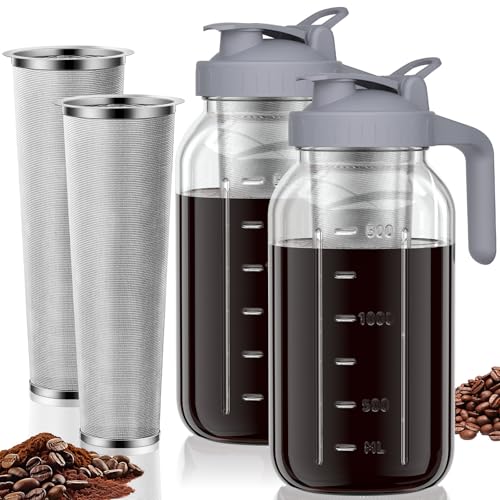
【Safety Glass Pitcher 】 - This beverage pitcher is made of heavy duty, food grade soda-lime glass that is thick, strong, and resistant to breaking. Unlike plastic containers which can affect the taste of your drinks, this pitcher is a safe and healthy choice for storing your drinks. Its compact design makes it easy to store in the fridge

BTaT cold brew coffee maker boasts an impressive 1-gallon volume, perfect for coffee enthusiasts looking to brew in bulk, ensuring you always have your cold brew ready whenever you desire.
Troubleshooting Common Timing Mistakes and How to Fix Them
Even a slight miscalculation in steep time can turn a smooth cold brew into a thin, bitter mess, so it’s essential to match the clock to your grind, temperature, and desired strength. When your brew tastes watery, you’re likely under‑stepping; extend timing by one‑ to two‑hour increments and monitor the body. If bitterness dominates, you’ve over‑extracted; cut the next batch’s timing and switch to a medium‑coarse grind. Warm kitchens accelerate extraction, so keep the environment consistent—refrigerate for slower pulls or stay at room temperature for faster ones. Stirring at the start eliminates dry pockets, ensuring even saturation before the timer starts. Finally, avoid diluting before the brew reaches full strength; adjust dilution only after the steep concludes. For a balanced cup, aim for a coffee‑to‑water ratio of about 1 gram per 15 grams of water. Use a consistent grind size to maintain uniform extraction throughout the steep. A shorter steep, like the 4‑minute guideline used for French press, can be a useful reference point for experimenting with cold brew times.
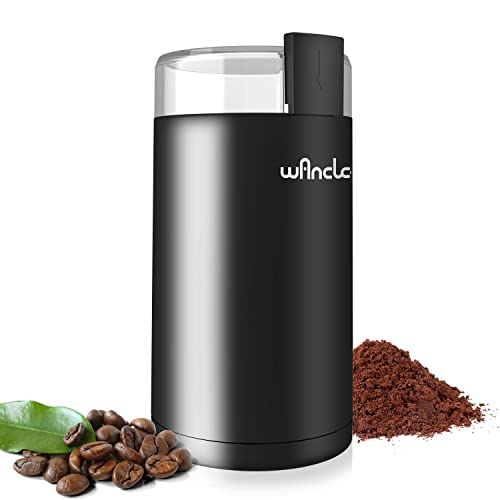
✅【A Secret To Grind Bean Effortlessly】Grinder comes with a pure copper motor and stainless steel blade. Easily observe the grinding situation by a transparent lid, extract the perfect flavor from beans. let you enjoy great coffee in a few seconds.

Slim, powerful grinder with precise settings from fine to coarse, with 15 settings and 29 micro-adjustments

Electric coffee bean grinder appliance for home use
Quick FAQ: Best Practices for Consistent Cold Brew Every Time
Even though the process feels simple, achieving the same smooth, low‑acid brew every time hinges on three core habits: keep a consistent 1:8 (or 1:2 for concentrate) coffee‑to‑water ratio, grind the beans coarse‑medium and stir until fully saturated, and steep in a covered container in the fridge for 12‑24 hours.
First, measure beans by weight; a stable ratio guarantees bean flavor consistency across batches. Second, use a coarse‑medium grind—uniform particles prevent uneven extraction timing and excess sediment. Third, after adding water, stir vigorously until every particle is wet, then seal the jar.
Refrigerate for exactly 12‑24 hours; shorter steeping yields weak notes, longer steeping deepens intensity but may introduce bitterness. Finally, filter through a fine mesh or paper to preserve clarity, then store the brew cold, up to one week.