
You’re probably wondering why the schedule varies, and you’re right to ask—hard water and heavy use speed up scale, while soft water lets you stretch it out. Generally, aim for every 3‑6 months, but if your water’s >300 ppm TDS or you brew several drinks a day, descale every 4‑6 weeks; with soft/filtered water you can wait 8‑12 weeks. Keep an eye on pressure drops, gurgling noises, or a bitter taste—those are the tell‑tale signs. Now, if you want the exact steps and maintenance tricks that keep your machine humming, just keep going.
How Often Should You Descale Your Espresso Machine?
How often should you descale your espresso machine? You’re right to wonder because scaling cuts flavor and lifespan. Here’s the thing: most guides suggest every 3‑6 months, but you’ll tweak that based on use and water. If you brew daily with hard water, expect a monthly descale; with soft or filtered water, 3‑4 months works fine. Keep an eye on slower brewing, weaker steam, or a bitter taste—those are clear cues.
regular cleaning the group head helps prevent mineral buildup and can extend the time between descaling cycles.
Now, consider cost filter selection and your budgeting guide. A good carbon filter can soften water, stretching intervals and saving on descaler purchases. Budget for a small bottle of citric‑acid solution or a commercial descaler every few months; it’s cheaper than a broken machine.
All right, take note: match frequency to your water and usage, watch the signs, and plan your filter and descaler expenses. Your next step? Test your water hardness and pick a filter that fits your budget. Regular use of descaling solution helps maintain optimal performance.
How Hard Water Affects Descaling Frequency
You’re probably wondering why your espresso machine needs a descaling schedule that changes with water type. Hard water contains calcium and magnesium that cling to boilers, valves and tubing, so the scale rate jumps dramatically. When you do hardness testing with strips or a TDS meter, you’ll see that TDS above 300 ppm usually means you must descale every 4–6 weeks, while 150–300 ppm pushes you to about every 8 weeks.
Now, the harder the water, the faster the minerals deposit, narrowing pathways and hurting temperature stability. Think of it like a pipe clogged with mineral deposits—flow drops, pressure wobbles, and your shot consistency suffers.
All right, if you want to keep the scale rate low, aim for 50 ppm hardness or blend distilled water with tap water. The takeaway: test your water, adjust your descaling interval, and you’ll keep your espresso tasting great. What’s your next move—grab a test kit or check your municipal report? Regular descaling also helps prevent scale buildup that can reduce boiler efficiency and increase energy consumption. Understanding the role of citric acid in descaling solutions can further optimize the process. Using a properly diluted solution ensures safe cleaning without damaging internal components.

[FROM DE'LONGHI. The No.1 world-leader in espresso machines. , Significantly reduces the likelihood of premature breakdown from hard water scale build-up, increases the energy efficiency, and improves the coffee flavor , Made with 100% lactic acid , Suitable for all espresso/coffee machines. , Will keep your machine running smoothly so you can always enjoy your favorite beverages, Also available in a smaller pack - 2 x 100ml
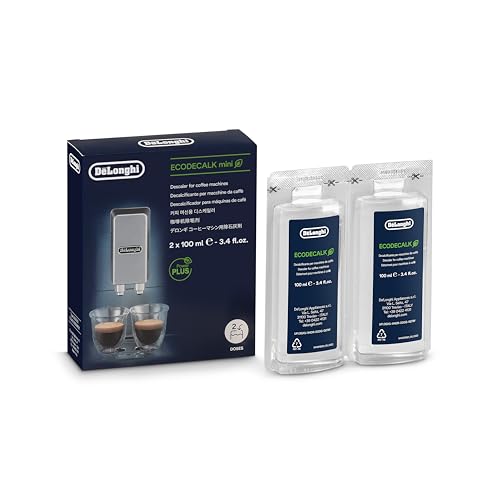
Eco-friendly universal descaling solution that's gentle on your coffee maker

Bulk Coffee Maker Cleaner Tablet: 34 Tablets work out to two year supply or more.Compared to other products like powder, sachet and packets, there is no messy spilled liquid or powder. Choose USKICH coffee machine descaler to keeping your machine clean longer!
How Daily Use Impacts Espresso Machine Scale Buildup
If you’re wondering why your espresso machine seems to get sluggish faster on busy days, the answer lies in how daily use drives mineral buildup.
How does water impact scale formation?
Every pull pushes mineral‑rich water through the boiler, group head, and steam circuit. The more shots you pull, the more calcium carbonate precipitates on hot surfaces. Frequent heating and cooling cycles act like a magnet, pulling dissolved minerals onto internal walls.
What do usage patterns mean for you?
Heavy‑service machines see several drinks per hour, so they need descaling every 2–4 weeks, while a home unit making two shots a day can stretch to a month or more. Steam‑wand bursts concentrate minerals faster than plain espresso flow.
Takeaway
Track shot count and steam cycles; the higher the volume, the shorter your descaling interval should be. Next, check the symptoms that tell you it’s time to descale. Regular descaling prevents pressure loss and extends machine lifespan. Proper descaling also protects the heat exchanger from mineral clogging. Regular descaling also helps maintain consistent brew temperature for optimal flavor extraction.

2-Pack Coffee Descaler and Cleaner - Clean and rinse away residue and oil buildup in your coffee maker with Impresa's Coffee Descaler Solution. Our highly effective solution comes with two 8-ounce bottles - enough for 4 descaling sessions (2 uses per bottle)

EXCEPTIONAL RESULTS: Introducing Tillbrook Coffee Machine Descaler specifically formulated for Breville—the best choice for removing hard water buildup, oils, and residue. It’s essential to clean and descale Breville Espresso Machines every 3-4 months to ensure proper functioning of your machine, to enhance the taste of coffee, and to extend the life of the machine.

FROM DE'LONGHI. The world-leader in espresso machines.
5 Symptoms That Mean Your Espresso Machine Needs Descaling?
Even though you’ve just noticed your espresso tasting off, the real culprit is often hidden inside the machine.
Why is the pressure pressure off?
Scale buildup clogs the group head and spray wand, so water pushes harder to get through. You’ll feel a weaker pull and hear a pump strain that sounds louder than normal. The result? A noticeable taste alteration—bitter or metallic notes dominate.
What does a noise increase mean?
When scale blocks flow, the pump works harder, creating high‑pitched whining or gurgling. That extra noise signals the machine is fighting a blockage.
When is residue visible a red flag?
White chalky flakes on the nozzle or brown crust in the drip tray show scale is already present. If you see it, internal buildup is likely serious.
Takeaway: Spotting these five signs—pressure pressure changes, pump strain, taste alteration, noise increase, and residue visible—means it’s time to descale.
Next step: Check your machine’s descale indicator or schedule a cleaning before the issues worsen.
Descaling works by dissolving mineral deposits, preventing clogs and maintaining optimal water flow. Regular descaling also protects the heating element from scale buildup. It is advisable to follow the daily cleaning routine outlined in the Breville Touch Espresso Machine care guide to minimize scale formation.

RESTORE COFFEE FLAVOR & AROMA: Our universal descaling solution removes bitter mineral buildup and calcium deposits from heating elements. This ensures your Keurig cleaner process restores the original "day one" taste of your favorite pods and espresso capsules

DESCALING SOLUTION: This professional grade cleaner will remove limescale and calcium buildup.

Powerful Descaling Solution: This multipurpose coffee descaler and cleaner deeply penetrates mineral, limescale, and oil deposits, making it suitable for various home appliances, including coffee makers, espresso machines, and single-serve brewers.
How to Safely and Effectively Descale Your Espresso Machine?
When you wonder why your espresso tastes off, the answer is often a mineral crust hidden inside the machine.
What should I use?
Pick a manufacturer‑approved descaler or a product that explicitly lists espresso‑machine compatibility. Follow the exact dilution ratio on the label; mixing powder until it fully dissolves prevents gritty residue. If you consider citric acid, double‑check that it won’t attack your boiler’s metal or silicone seals.
How do I set up safely?
Empty the drip tray and water tank, then remove the water filter—filter safety matters because descaling solution can damage it. Place a large bowl under the group head and steam outlet, and review the machine’s descaling mode before powering on.
What’s the proper cycle?
Fill the reservoir with the prepared solution, run it through the brew path in portions, and let it sit for 15‑20 minutes. Route some through the steam wand, then repeat until the tank empties.
How do I finish?
Drain the solution, rinse the reservoir thoroughly, then flush with 2‑3 full tanks of fresh water until no odor remains. Reinstall the filter only after the final rinse.
Takeaway: Use a compatible descaler, protect the filter, and follow each step precisely for a clean, great‑tasting espresso. Next, consider how often you should repeat this routine.
Additional step: After entering the descaling mode, press and hold the 2‑cup button to initiate the heating cycle.
regular descaling helps prevent mineral buildup and extends the lifespan of your espresso machine.The high‑pressure pump in a Nespresso machine creates espresso in seconds.
A well‑balanced brew can also be achieved by using a coarsely ground coffee to avoid over‑extraction when making cold coffee.

Includes: 2 portioned pouches of descaling solution specially designed for your Nespresso machine

8 Uses Value-Size Bottle: Same as 4 x 8oz bottle kit of other products! Less Waste, Better Value!

ENJOY THE FULL TASTE OF YOUR COFFEE: The descaling process removes any mineral build-up and limescale, keeping your machine running smoothly and producing coffee each time so you can enjoy its full taste again
Weekly & Monthly Maintenance to Keep Scale Away
Why bother with weekly and monthly upkeep? You’re probably wondering if all those tiny tasks really matter. Here’s the thing: weekly flushing after each brew and wiping the group head keep residue from turning into stubborn scale. A quick purge of the steam wand and rinsing the drip tray a few times a week also helps.
How do you stay ahead of scale? Use a filtering schedule that replaces cartridges or softening media monthly, especially if water hardness spikes. Test water hardness with a TDS meter weekly and log the results; this is your scale monitoring routine.
What should you check each month? Record extraction times, pressure, and temperature swings. Compare espresso taste before and after cleaning; slower heat‑up signals early mineral buildup.
Takeaway: Consistent weekly flushing plus a solid monthly filtering schedule and scale monitoring keep your machine humming. Next, ask yourself how often you’ll actually run a full descaling based on these observations. Regularly cleaning the steam wand with a soft brush prevents coffee oil buildup. Also, follow the brew group deep‑cleaning steps outlined in the Breville guide to remove any lingering residue. Additionally, consider performing a quick rinse of the water reservoir to prevent mineral deposits from accumulating.
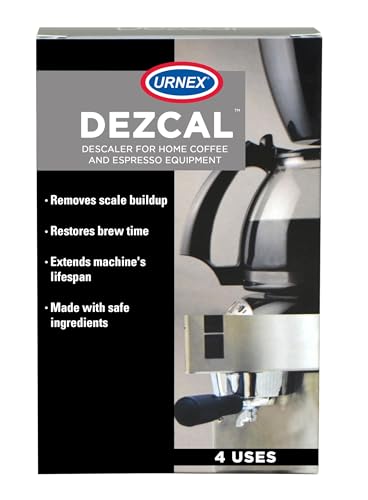
UNIVERSALLY COMPATIBLE DESCALER - This product can be used to descale Keurig machines, as well as Nespresso, Breville, Jura, Delonghi and other drip coffee makers, espresso machines, superautomatics, and kettles

Highly Effective: Powerful and effective yet gentle on the machine, our descaler is specially designed to help restore the performance of your machine
Fast Checklist for a Hassle‑Free Descaling
If you’re wondering why a quick, no‑stress descaling routine feels out of reach, you’re not alone—most espresso owners hit that snag. Here’s the thing: you start by checking the manual, unplugging, and cooling the machine. Remove coffee grounds, empty the reservoir, and inspect for scale. Gather your eco‑safe descaler, clean water, and a runoff container.
Now, mix a 4:1 water‑to‑descaler solution (or citric acid if you prefer) and fill the tank. Run the cycle through brew head, steam wand, and hot‑water outlet, pausing five minutes if the guide says so. Repeat if the water stays cloudy.
All right, flush with fresh water three times until it runs clear, rinse every removable part, and dry before reassembly. Takeaway: follow this checklist, stay eco‑safe, and you’ll keep your machine humming without hassle. Ready for the next maintenance step? Regular descaling prevents scale buildup and extends the life of your espresso machine. Consistent descaling improves brew quality and protects internal components. Understanding capsule compatibility helps you avoid using the wrong machine for a given coffee style.