
You’re right to wonder why that faint film shows up—oil and mineral buildup are the culprits. Rinse the Chemex with hot water right after each brew, swirl for ten seconds, then discard; this stops residue from hardening. For daily cleaning, hand‑wash with mild soap, a soft brush, and hot water, then rinse until suds vanish and dry upside‑down. Once a week, soak in a 1:1 vinegar‑water mix for an hour, scrub gently, and rinse thoroughly; this restores clarity and flavor consistency. Keep the wooden collar and leather tie separate until dry, then reattach for the next perfect cup.
Rinse Your Chemex After Every Brew to Prevent Oil Buildup
You’re probably wondering if a quick rinse really matters—yes, it does. You just finished brewing, so dump the grounds and filter, then give your Chemex a warm‑water swirl. This immediate cleanup removes loose oils and fines before they can dry and bond to the glass, keeping the interior clear and odor‑free.
Now, the daily water rinse doesn’t need to be a chore. Fill the carafe halfway with lukewarm water, swirl for ten seconds, and dump it out; that’s all it takes to stop oil buildup. Obviously, the sooner you rinse, the less you’ll need heavy scrubbing later.
Ice and salt can be used for a deeper clean when buildup becomes noticeable. All right, remember: a quick rinse after each brew extends the time between deep cleans and preserves flavor. Your next step? Make this routine habit, then enjoy consistently clean coffee. Adding a nitrogen‑charged infusion can also enhance the brew’s texture and foam stability.Gentle mesh filter cleaning helps maintain optimal flow and prevents residue buildup.
A proper brew ratio ensures balanced extraction and reduces residual coffee particles.
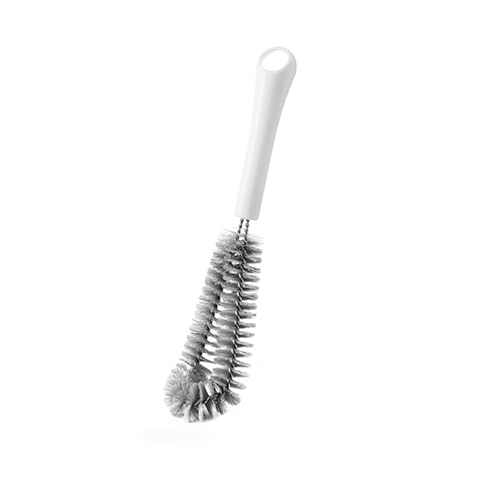
Specialized Design: Unique brush crafted exclusively for Chemex coffeemakers, with a distinct X-shaped bristle pattern ideal for cleaning their signature glassware.

MADE EXCLUSIVELY FOR CHEMEX: This cleaning brush is made exclusively for all Chemex glass coffeemakers and works great on other glassware too

Perfect Compatibility for Chemex Coffeemakers: This cleaning brush is compatible with Chemex pour over coffee maker with its X-shape design
Hand‑Wash With Mild Soap for Everyday Cleaning
You probably wonder if a quick rinse is enough, or if you really need to soap‑wash every day. Here’s the thing: a solid hand‑wash routine keeps coffee oils at bay and preserves flavor. First, remove the wooden collar and leather tie so water won’t damage them. Fill the glass body with warm water, add a couple of drops of mild dish soap—your soap selection matters because abrasive cleaners can scratch the glass. Use a non‑abrasive sponge or soft brush, swirl gently, and pay extra attention to the bottom, neck, and spout where residue hides. Rinse repeatedly with hot water until all suds vanish, then air‑dry upside down or pat dry with a lint‑free towel. The takeaway: daily hand‑washing with mild soap is simple, safe, and essential for consistently great coffee. Ready to move on to deeper cleaning? Paper towel filters are a temporary emergency solution but not a recommended long‑term replacement. For optimal results, consider regular descaling to prevent mineral buildup. A well‑balanced brew also depends on the proper coffee‑to‑water ratio, such as 1 g per 15 g of water.
Deep‑Clean With Vinegar & Water for Stubborn Residue
Why use vinegar and water for a deep clean? You’re probably wondering why a simple vinegar soak works better than soap alone. The 50/50 mix loosens stubborn coffee oils and mineral buildup, and the acidity breaks down the film that clings to the glass walls.
Now, fill the Chemex almost to the brim with the warm vinegar‑water blend. Let it sit for 1 hour—longer if the residue feels tough. While it soaks, give the mixture a gentle swirl every few minutes; this agitation technique lifts grime from the lower cone and neck without shocking the glass.
After soaking, drain and grab a soft‑bristled bottle brush. Use mild agitation, moving the brush in slow circles to scrub softened spots. Rinse repeatedly with warm water until the vinegar scent vanishes, then air‑dry upside down.
Takeaway: A thorough vinegar soak, combined with careful agitation, eliminates the toughest residue while keeping your Chemex pristine. Ready for the next step? Try a quick soap rinse to no lingering taste.
Regular descaling of coffee equipment prevents mineral buildup and maintains optimal pressure. Using the wrong grind size can cause channeling and affect extraction quality. Cold brew’s low‑acid profile highlighted]]‑smooth extraction.. matters].‑‑.

Specially Designed for Chemex: You will receive 1 coffee maker brush, engineered to perfectly clean pour-over coffeemakers by reaching all contours of the signature glass carafe for thorough stain removal. Please note that our product isn't sponsored or endorsed by the brand it fits, including Chemex.

Flexible neck for hard-to-reach areas: Long, durable neck bends to reach deep inside bottles, pitchers and carafes, so you can clean narrow spaces with less effort

PURE COFFEE TASTE: Help preserve coffee flavor by cleaning with hot water—no detergent needed for daily upkeep. This coffee brush rinses fast, reducing soap residue in brewers and carafes. Use it as a coffee pot brush, coffee pot cleaning brush, coffee carafe cleaning brush, mug cleaner brush, chemex cleaning brush, or everyday coffee cleaning brush for specialty brewers.
Use Baking Soda to Remove Cloudy Stains
How does baking soda actually clear those cloudy stains on your Chemex? You’re probably wondering why a simple kitchen staple works, and the answer is its mild abrasive nature. Mix one teaspoon of baking soda with hot water, swirl, and watch the cloudy film lift.
What’s the best mix?
Use a paste of abrasive soda and just enough water to form a thick spreadable. Apply it to stubborn spots, let it sit a few minutes, then scrub gently with a soft sponge.
How long should you rinse?
Rinse‑time matters: multiple warm‑water rinses until no powder remains prevent chalky residue.
Takeaway
Abrasaking soda paste gives you a safe abrasive alternative, and proper rinse‑time leaves your Chemex crystal‑clear. Ready for the next cleaning tip? You can also achieve frothy milk using a French press for quick foam. The high‑protein oat milk helps create a stable foam that resists collapsing. The portafilter design in espresso machines ensures consistent pressure during extraction.

Mrs. Meyer's Baking Soda Cream Cleaner removes soap scum and grease build-up to make your kitchen sparkle
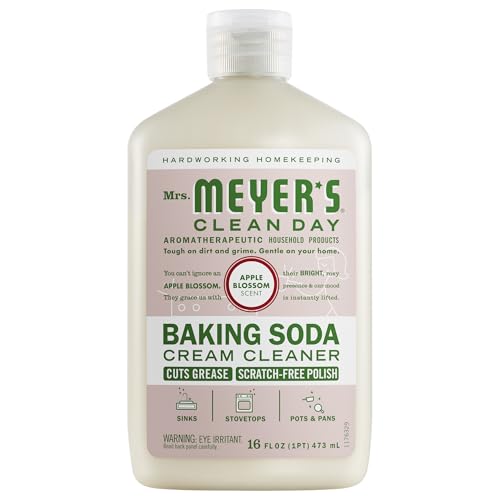
Mrs. Meyer's Baking Soda Cream Cleaner removes soap scum and grease build-up to make your kitchen sparkle
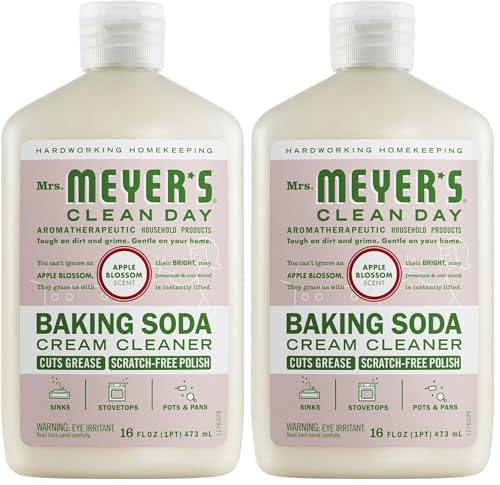
Ice‑Salt‑Soap Swirl for Quick Spot‑Cleaning
Ever wonder why a handful of ice, a couple of tablespoons of salt, and a few drops of dish soap can make a Chemex look brand‑new in minutes? You’re probably puzzled about how those simple items actually lift stubborn coffee oils. Here’s the thing: the ice cube slides across the glass, creating a gentle scrub, while salt abrasion lifts grime, and soap emulsifies oil.
How do you do it? First, empty the Chemex and drop in a small handful of ice cubes, two tablespoons of table salt, and two drops of liquid dish soap. Add water to fill roughly one‑third of the vessel, then swirl vigorously for one to two minutes. If the residue feels stubborn, extend the swirl a bit.
Why does it work? The ice provides mechanical action, the salt acts like a mild sandpaper, and the soap breaks down oily film, all while the frothy swirl guarantees the mixture contacts every interior surface. Rinse thoroughly afterward to avoid any lingering taste.
Takeaway: This quick‑spot‑cleaning hack restores shine without heat, making it perfect for routine maintenance. Ready for the next step? Try it after your next brew and see the difference. Regular descaling prevents mineral buildup that can affect flavor and performance. Using a consistent scoop size, such as a 7‑gram scoop, helps maintain the right coffee‑to‑water ratio for optimal extraction.
Use Chemex‑Approved Commercial Cleaners & Tablet Soaks Safely
If you’re unsure whether a commercial Chemex cleaner or tablet soak is safe, you’re not alone—many coffee lovers worry about damaging their brewers.
What should you check before you start?
First, confirm the product label says it’s safe‑approved tablets for glass and silicone. Look for food‑contact safety and a compatibility list that includes the Chemex’s metal and plastic parts. Then, put on safety‑check gloves; concentrated cleaners can irritate skin and fumes can sting your eyes.
How do you use them correctly?
Remove grounds and filter paper, then follow the dosage and fill‑level instructions exactly. Run a full brew cycle to flush the solution, wait five to ten minutes, and rinse with two water‑only cycles, cooling between each.
What’s the payoff?
Proper descaling restores flow, eliminates stale‑oil buildup, and keeps your brew consistent. The takeaway: verify label compatibility, wear gloves, and rinse thoroughly. Next, think about how often you’ll repeat this routine for lasting clarity.
A well‑folded filter can also prevent channeling during cleaning cycles.
Regular descaling removes mineral deposits that can clog the Chemex and degrade coffee flavor.
Consider also inspecting the gasket condition regularly to avoid leaks and maintain a tight seal.

Pour Over Coffee: Manual Pour Over Coffee Maker allows you to brew an excellent cup of Coffee in minutes

CHEMEX - simple, easy to use with timeless, elegant design

Cleaning has never been more fun - watch the grime wash off.
Create a Cleaning Schedule for Consistent Clarity
When should you start a cleaning routine for your Chemex? You should begin right after the first brew, because hot water rinse stops oils from hardening. Here’s the thing: a simple schedule keeps glass clarity high without extra effort.
How often should you rinse?
Every brew, give the carafe a quick hot‑water rinse. It takes seconds and prevents residue from sticking, so you won’t need aggressive scrubbing later.
What about a weekly wash?
Once a week, use mild soap, warm water, and a bottle brush to reach the narrow neck and spout. Rinse thoroughly to avoid detergent taste. This light‑clean cycle maintains clarity for daily brewers.
When to deep‑clean?
Monthly, soak in a 50/50 vinegar‑water mix or baking‑soda solution for 15‑20 minutes. This removes hidden oil and mineral film, preserving glass clarity and flavor consistency.
Takeaway:
Stick to daily rinse, weekly gentle wash, and monthly deep‑clean. Your Chemex stays crystal clear, and each cup tastes as bright as the first. Ready to set your own schedule? full‑circle cleaning ensures all residues dissolve completely. brew temperature control helps maintain optimal extraction. Consider using a milk frother for a lighter foam if you also enjoy espresso‑based drinks.
Dry & Store Your Chemex to Prevent Build‑Up
Even if you’ve just finished a flawless brew, the next step—drying and storing your Chemex—often feels confusing. You wonder how to keep it dust‑free storage while avoiding mineral spots. Here’s the thing: dry it right after rinsing, then follow a Collar‑drying routine before you put it away.
Why dry immediately?
Moisture invites water spots and cloudiness, so grab a lint‑free towel and pat the carafe, handle, and collar dry. Air‑dry for a minute, then wipe any droplets. This cuts mineral buildup and keeps the glass clear. Use a lint‑free towel for best results.
How to store for dust‑free storage?
Place the fully dry Chemex on an open shelf with airflow, uncovered if possible. Keep the wooden collar and leather tie separate until they’re dry, then reattach. Avoid sealed cabinets and strong odors.
Takeaway
Prompt drying and open, dust‑free storage preserve flavor and prevent buildup. Next, check your cleaning schedule to keep the routine consistent.
air injection creates velvety foam, which is why a clean, mineral‑free Chemex is essential for optimal coffee taste.